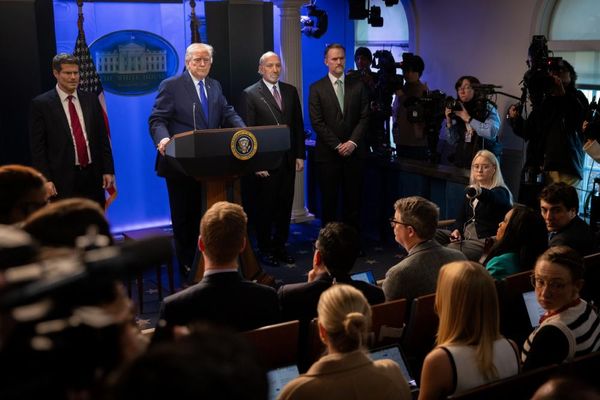
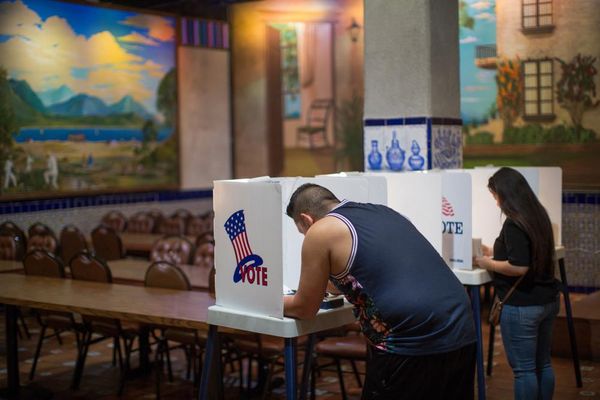
It took nearly four days, but on 7 November the numbers became certain: Joe Biden had flipped Pennsylvania and, with it, made Donald Trump a one-term president. There was dancing on the streets of many American cities and, inevitably, a denial of reality from the current tenant of the White House who, since declaring “victory” hours after the polls closed last week, has continued to make baseless, dangerous claims about voter fraud in the states where he lost narrowly. States where, in all cases, his number of votes actually increased since 2016.
With attorney general William Barr having encouraged federal prosecutors to investigate “substantial allegations” of voter irregularities, it seems unlikely that Trump will concede the election any time soon, and the situation is already getting messy. However, this week we are concentrating on Biden’s win: a moment of catharsis for much of America and also for those around the world cowered by four years of a quasi-authoritarian in the Oval Office.
Faced with the fallout from Covid, the climate crisis and the Trump presidency, Biden has a Rooseveltian task on his hands to restore hope to a divided nation and to re-establish America as a trusted leader of the global democratic order. Can he do it?
On Monday, Pfizer/BioNTech announced interim results of trials showing that their Covid-19 vaccine has been 90% effective. The trials are still to be completed but the news was greeted with universal – if cautious – optimism. Could frontline medical professionals and those most in need of protection be vaccinated by the end of the year? In some countries, that now looks quite likely. Our health editor Sarah Boseley looks at why the results for this vaccine also offer hope for others in production.
While the world was distracted by the US election, tensions in Ethiopia have escalated further. With violence in the country’s northern Tigray region pushing recent Nobel peace prize winner and current prime minister Abiy Ahmed to the brink of a civil war. The unity of Ethiopia has been crumbling over the past couple of years. Could it stretch beyond repair? Jason Burke has a report.
Away from the week’s major news we have plenty more great writing. Shaun Walker, who has covered much of this year’s post-electoral unrest in Belarus, has been speaking with activists there again and looking at how the private messaging app Telegram is playing a crucial role in protest in Minsk, Hong Kong, Iran and elsewhere.
Elsewhere, Hadley Freeman laments the fall of Johnny Depp: from the coolest actor on the planet to a figure of scorn and pity after his unsuccessful libel case against the Sun newspaper over allegations of attacking his former wife Amber Heard.
We also look at the next front in the decades-long console wars as Sony and Microsoft release the latest high-performing iterations of their PlayStation and Xbox consoles.
And, finally, Laura Snapes meets Australian pop legend Kylie Minogue ahead of her disco-tinged new album. Perhaps we might be able to enjoy it somewhere other than our living rooms in a few months …