Prime Minister Sir Keir Starmer faces mounting pressure to resign after several ministers and government aides departed, following Labour's dire local election results last week.
The party suffered significant defeats in English councils held for generations, and disastrous results in Wales where First Minister Eluned Morgan failed to win a Senedd seat.
Meanwhile, Nigel Farage’s Reform UK made stunning gains, including 38 seats on Norfolk County Council, taking their total to 40.
Four ministers and several government aides have resigned since Thursday’s elections, intensifying calls for the Prime Minister to step down.
Sir Keir, however, vowed to fight on at Tuesday’s Cabinet meeting.
At least 82 of Labour’s 403 MPs have now demanded Sir Keir’s departure, exceeding the threshold for a leadership contest.
Yet, this relies on them uniting behind a single candidate, which is not currently the case.
Others have shown their support for Sir Keir, with more than 100 Labour MPs signing a statement urging colleagues to come together behind the Prime Minister, sources said on Tuesday afternoon.
The Labour leader was also publicly backed by several ministers after Tuesday’s Cabinet meeting.
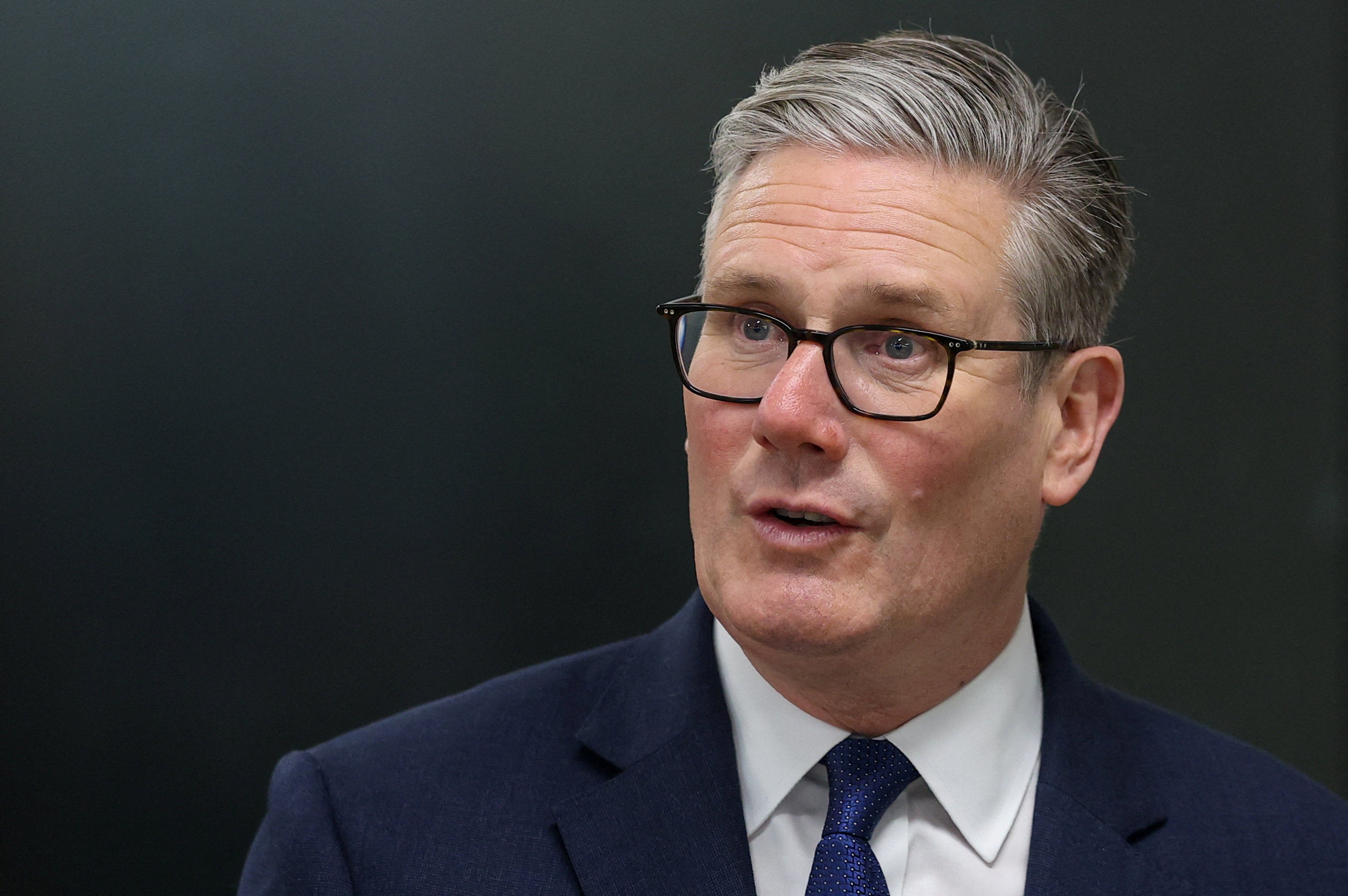
Here is what has unfolded since the local election results on Friday.
Friday May 8
4.54pm: Baroness Eluned Morgan, the First Minister of Wales, lost her seat in the Senedd election. It marked the first time a sitting Welsh leader lost an election in the Welsh Parliament.
5.04pm: Lady Morgan resigned as the leader of Welsh Labour, after it was announced she had lost her seat. While she took responsibility for Labour’s disastrous results in Wales, she criticised the Prime Minister, saying “we need the Labour Government nationally to change course”.
5.18pm: Sir Keir Starmer paid tribute to Baroness Eluned Morgan, saying she was “a formidable First Minister and tireless champion for Wales”.
Saturday May 9
5.25pm: Former Foreign Office minister Catherine West said she would challenge Sir Keir for the party leadership as early as Monday afternoon, in an attempt to force the Cabinet to put forward a replacement as prime minister.
Sunday May 10
5.32pm: Former deputy Labour leader Angela Rayner said Sir Keir must “meet the moment and set out the change our country needs”, as she warned Labour is facing its “last chance” after a disastrous set of election results. She added it had been a mistake to block Andy Burnham’s possible return to Westminster, saying Labour needs to bring its “best players into Parliament”.
Monday May 11
10.15am: The Prime Minister vowed to prove his “doubters” wrong as he said Labour would “be better and do better” at a press conference.
12.11pm: Ms West said she was gathering the names of Labour MPs to call on the Prime minister to set a timetable for the election of a new leader in September, having concluded his speech was “good, but doesn’t outweigh the results from last Thursday”.
In the afternoon: Ms West withdrew threats to imminently launch a leadership challenge, but went on to write a letter urging the Prime Minister to step aside that was signed by 80 MPs.
6.15pm: Tom Rutland stepped down as parliamentary private secretary (PPS) to Environment Secretary Emma Reynolds. The MP for East Worthing and Shoreham, West Sussex, said the Prime Minister had “lost authority” and “will not be able to regain it”.
6.33pm: Joe Morris resigned as PPS to Health Secretary Wes Streeting. The MP for Hexham, Northumberland, called for Sir Keir to set out “a swift timetable” to step aside.
6.47pm: Naushabah Khan resigned as PPS to the Cabinet Office. The MP for Gillingham and Rainham, Kent, called for “new leadership, so that we can rebuild trust and deliver the better future that the British people voted for”.
8.04pm: Melanie Ward stepped down as PPS to David Lammy following “extremely disappointing” election results in Scotland. The MP for Cowdenbeath and Kirkcaldy said the Prime Minister “has lost the confidence of the public”.
Tuesday May 12
9.19am: Housing, communities and local government minister Miatta Fahnbulleh became the first minister to resign following the elections, piling pressure on the Prime Minister to quit. She told Sir Keir “to do the right thing for the country and the party, and set a timetable for an orderly transition” as the public had lost trust in him because of issues such as the scrapping of the winter fuel payment.
Around 9.30am: A Cabinet meeting started in Downing Street.
9.50am: The Prime Minister told his Cabinet the “Labour Party has a process for challenging a leader and that has not been triggered” and insisted he would continue governing.
12.08pm: Cabinet ministers came out of their meeting backing Sir Keir. Technology Secretary Liz Kendall, Business Secretary Peter Kyle, Work and Pensions Secretary Pat McFadden and Housing Secretary Steve Reed stood by the Labour leader as they faced the cameras on Downing Street after the meeting. Ms Kendall said: “This Government will do what we were elected to do which is serve the British people. The Prime Minister has my full support in this.”
12.58pm: Safeguarding minister Jess Phillips became the second minister to stand down, criticising the Prime Minister’s failure to be “bold”. In her resignation statement, the Birmingham Yardley MP said any real action by Sir Keir to tackle violence against women and girls came “in light of catastrophic mistakes”.
1.44pm: Victims minister Alex Davies-Jones said she resigned from Government in a letter to Sir Keir, becoming the third minister to step down since the election.
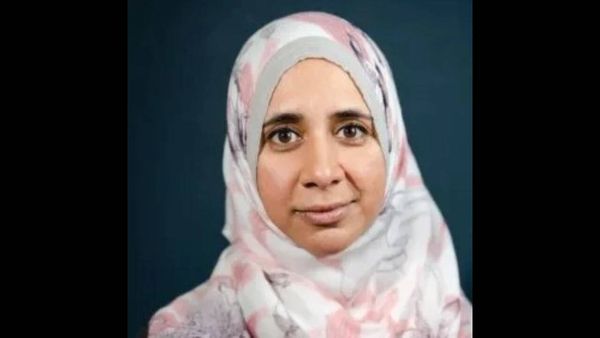
4.29pm: Health minister Zubir Ahmed also resigned from the Government, citing a “lack of values-driven leadership”.
Starmer clings on as prime minister after challenging rivals to put up or shut up
Starmer latest: Wes Streeting to meet with PM as four ministers quit
Scottish Labour are main Holyrood opposition despite Reform UK tie – Sarwar
Labour rift over Sir Keir Starmer’s fate deepens as four ministers quit
Church magazine changes name after readers get ‘fed up’ with link to Reform UK