For years, they have undergone relentless training. They endure pain, exhaustion, and soreness. But during the last few seconds of the game, when the stakes are highest, it comes down to the mind and not skill or strength. What makes some athletes thrive under immense pressure compared to others who crumble? What sets a champion apart from the rest? The answer lies in sheer mental grit. Let's explore the world of unbreakable confidence, elite focus, and insane levels of resilience.
The Power of the Mind in Sports
In 2008, Michael Phelps won gold with water-filled goggles. He couldn’t see, but he had rehearsed that scenario mentally. That’s the power of the mind. A 2016 study in Frontiers in Psychology found that mental toughness explained up to 30% of performance variance in elite athletes. Novak Djokovic openly credits mindfulness and visualization for his Grand Slam victories. It's not magic—it’s mental training. When the body is ready, the brain becomes the deciding factor.
Just like in sports, mental preparation and strategy play vital roles in the world of betting. For example, in online cricket betting, winning is often not only about knowledge of the game itself but also about the ability to analyze information, maintain concentration, and make the right decisions. Here, as in sports, it is important to be prepared for unexpected turns, and the ability to predict them gives an advantage in any bet.
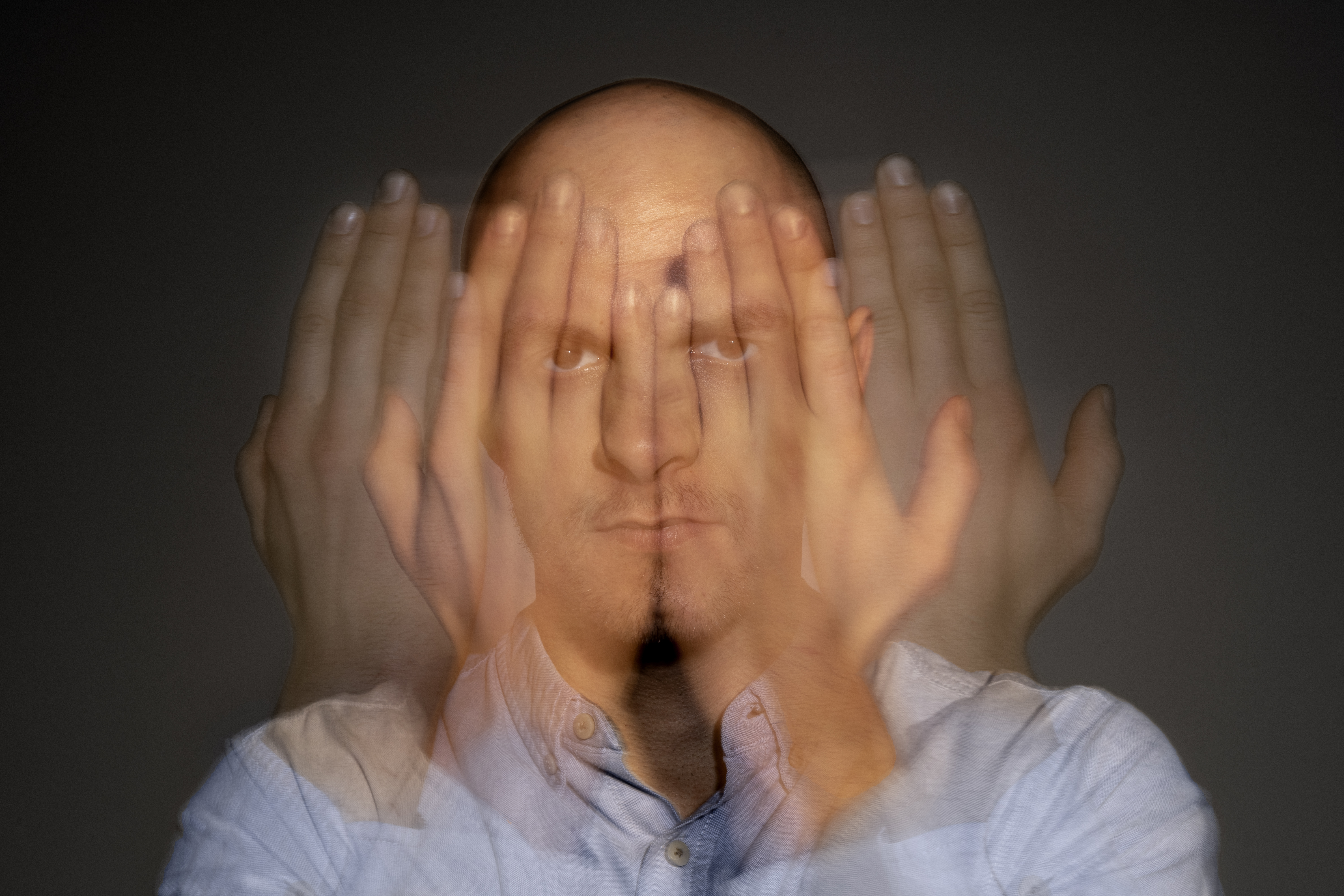
Staying Calm Under Pressure
Picture this: You’re at the free-throw line during Game 7 of the NBA Finals, and the world is watching you. You make the shot, and that’s not just physical skill; it’s laser-like focus. For NBA all-time 3-point leader Steph Curry, dealing with pressure is a “crowd” simulation, an “exhaustion” practice. It’s not calm that allows someone to perform well; instead, innate training provides the aid.
In the NFL, Tom Brady experiences his heart rate declining during clutch moments. A 2019 ESPN report indicated that elite QBs had an average heart rate and cortisol level of 15% less than College quarterbacks under the same pressure. It isn’t a coincidence—it’s strategic preparation. Elite athletes work with sports psychologists who take on a new approach, breathing, and even use stress-relieving techniques like breathing, reframing, and posing to relieve tension. It is a well-known concept that quiet minds think faster and clearly; in this case, the calm mind thinks and wins.
Mental Routines of Elite Athletes
Before the lights. Before the cameras. There’s always a ritual. Mental routines aren’t just habits—they're anchors. They lock in focus, reduce nerves, and signal the brain: “It’s time to go.” Here’s what the best of the best rely on:
- Visualization: Simone Biles mentally rehearses every move before stepping onto the floor. She "sees" the entire routine, feeling each twist and landing.
- Mantras: Serena Williams uses self-talk like “You’ve got this” before serving, boosting confidence and calming nerves.
- Controlled Breathing: UFC fighters like Israel Adesanya use box breathing—inhale 4 seconds, hold 4, exhale 4—to stay centered before a fight.
- Pre-game Rituals: Rafael Nadal’s water bottle placement and exact routine? It’s not superstition. It’s a mental trigger for consistency.
These are not quirks. These are keys to perfection. And it is in the pursuit of this perfection that every detail matters - not only in actions, but also in the information we consume. The MelBet PK offers an equally exciting look at the world of sports: fresh and unexpected news, analytics, memes, and even exclusive promo codes for bets. When the mind is set precisely, even entertainment becomes part of the strategy!
Building Resilience Through Failure
Kobe Bryant once said, “Everything negative—pressure, challenges—is all an opportunity for me to rise.” And he did. After missing 14 shots in a row in a 1997 playoff game, he shot the 15th without hesitation. That’s resilience. It’s what separates a bad moment from a ruined career.
In 2020, Naomi Osaka withdrew from the French Open, citing mental health, but returned to win the US Open later. Failure isn’t the end. A 2021 Journal of Applied Sport Psychology study found that athletes who reflected constructively on failure increased performance by 17% within the following season. Falling isn’t the story. Getting back up, stronger, sharper, more focused—that’s the legacy.
Focus: The Key to Consistency
Focus is the invisible thread tying together every win, every record, every moment of greatness. Consistency doesn't come from talent alone. It’s built through discipline and sharp attention. The best athletes don’t just train their bodies—they train their ability to concentrate. Here’s how they do it:
- Digital Detoxing: LeBron James turns off social media during playoffs—zero distractions, total clarity.
- Single-tasking Workouts: Eliud Kipchoge runs for hours, focusing on breath and step rhythm and blocking all other thoughts.
- Mindfulness Practice: The Seattle Seahawks implemented daily meditation sessions under coach Pete Carroll, boosting team focus and cohesion.
- Goal Chunking: Katie Ledecky breaks races into micro-goals—stroke counts, turn pacing—so every second stays intentional.
Focus is a skill. And like any skill, it must be practiced relentlessly.

Overcoming Doubts and Setbacks
Doubt is a part of every champion's life. Klay Thompson missed two full NBA seasons due to an ACL tear. In 2020, the whispers started: was he done for good? To everyone’s surprise, he returned in 2022 and scored 30+ points in multiple playoff games. Physical recovery is always tricky, but so is believing in oneself.
Ronaldo missing the crucial penalty of the match in 2008 did not hamper him from winning Euro 2016 and putting his country on the map. Many athletes do not avoid fear; instead, they confront it head-on. The Sport Journal claims athletes with high self-efficacy are 35% more resilient to injury-related slumps. The real question is not if doubt is present; the real question is what happens next. The answer lies in relentless hard work.
Because Strength Comes from Within
Winning doesn't always go to the quickest, the strongest, or those who are naturally gifted. Often, it’s awarded to those who refuse to give up the most. A true champion is forged in stillness, away from the world. It is during these times that only the echo of self remains. In stillness, that voice can say, “You can’t.” But a champion's mindset fights back, “Watch me.” Mental resilience isn’t something only a few have been blessed with. It is forged, every single moment, every single day.