Evidence exists that the two men convicted of the Whiskey Au Go Go firebombing were not the only offenders, an inquest has heard.
An inquest into the 1973 arson attack that killed 15 people re-opened for a two-week sitting in the Coroner's Court in Brisbane on Monday.
Coroner Terry Ryan is set to determine whether two men - James Richard Finch and John Andrew Stuart - convicted and sentenced to life over firebombing were the only people who caused or contributed to the deaths.
The evidence before Mr Ryan "in documentary form runs to thousands, perhaps tens of thousands, of pages", counsel assisting Stephen Keim said in his opening on Monday.
It includes documentation from investigations, inquests, commissions of inquiry and criminal cases.
Mr Keim asked whether there was "some evidence at least" that indicated whether Finch and Stuart may not have been the only people responsible.
"The answer to that question is that such evidence does exist," he said.
Two drums of fuel were thrown into the downstairs foyer of the bustling nightclub in Brisbane's Fortitude Valley and set alight about 2am on March 8.
More than 60 patrons and staff tried frantically to escape as air conditioning vents acted as chimneys, pouring black smoke into the club.
There was a single fire extinguisher, a locked hose and an emergency exit blocked by oil-filled drums, making escape slippery and dangerous.
Survivors smashed windows to scramble to neighbouring roofs, but not everyone made it out alive.
Fifteen people succumbed to deadly smoke, with autopsies confirming their death from carbon monoxide poisoning.
Families of those who were killed and survivors who will testify before Mr Ryan are hoping for answers from the inquest.
An inquest was held in the days after the attack, but that ended after three days when Finch and Stuart were arrested.
That inquest has now been reopened after the firebombing was mentioned in a trial in which Vincent O'Dempsey and Garry Dubois were convicted over the deaths of Barbara McCulkin and her two daughters in January 1974.
That trial was told the killings may have been motivated over fears Ms McCulkin would try to implicate O'Dempsey in the firebombing.
O'Dempsey - who is expected to be a key witness - sat in the dock of the courtroom during the inquest opening, but will not be present when statements from the victims' next-of-kin are read on Monday afternoon.
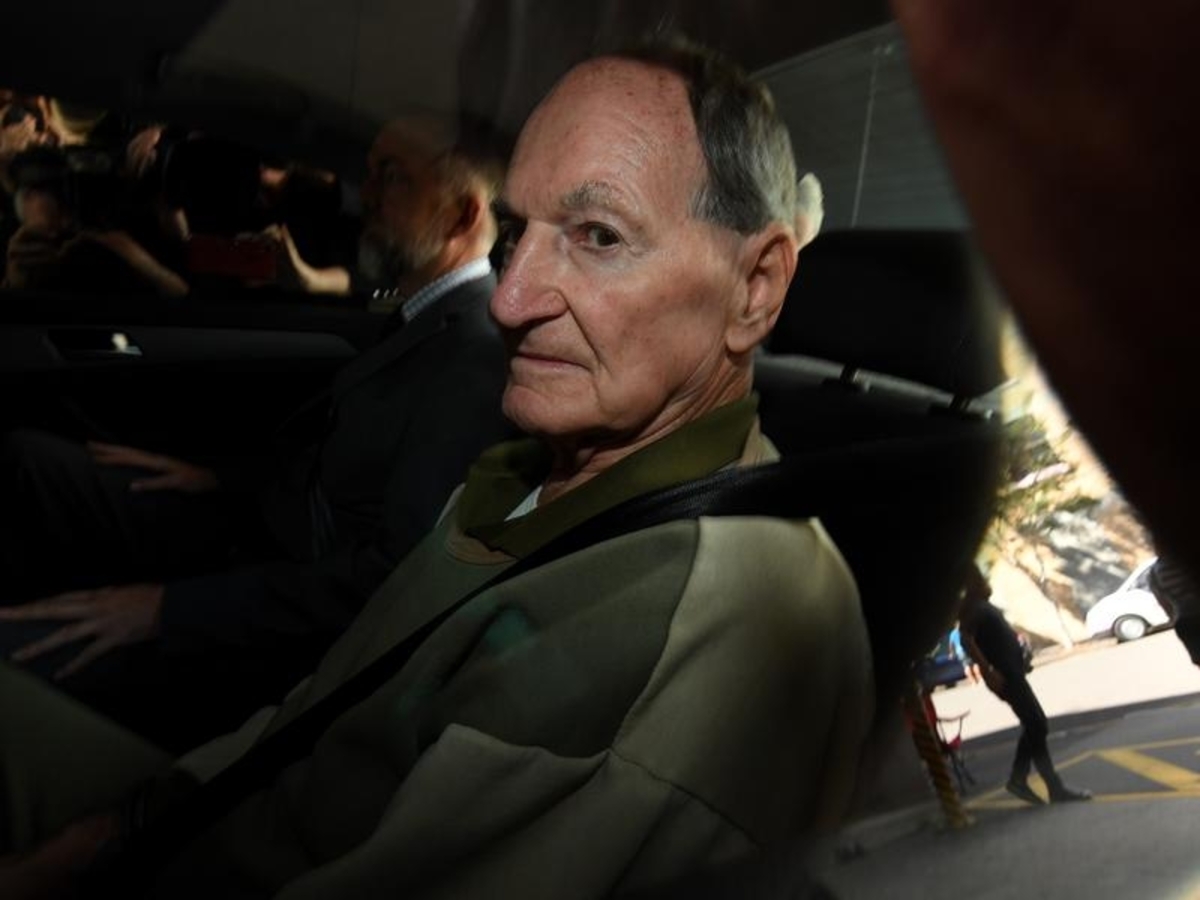
Stuart died in 1979 and Finch - who had been due to give evidence in the inquest - died this year in the UK where he had been deported after serving 15 years.
Dubois was found dead in his cell at Maryborough Correctional Centre earlier this month.
The inquest is set to consider whether Finch and Stuart were the only people who caused or contributed to the 15 deaths and the identity of the other parties involved.
Mr Ryan will also look into the adequacy of investigations into the deadly attack immediately after the firebombing and over subsequent years.
Mr Keim said there was considerable evidence that people associated with the nightclub knew an attack was pending and "in some cases warned acquaintances not to be present".
There were also several earlier suspicious fires at other nightclubs and restaurants shortly before the Whiskey Au Go Go attack that will provide an "important context".
The two-week sitting of the inquest is expected to hear from 27 witnesses, including Donna Phillips, one of the few remaining survivors, who was working the club's counter that night.
The Whiskey Au Go Go attack was Australia's worst mass murder until the 1996 Port Arthur massacre.


.png?w=600)