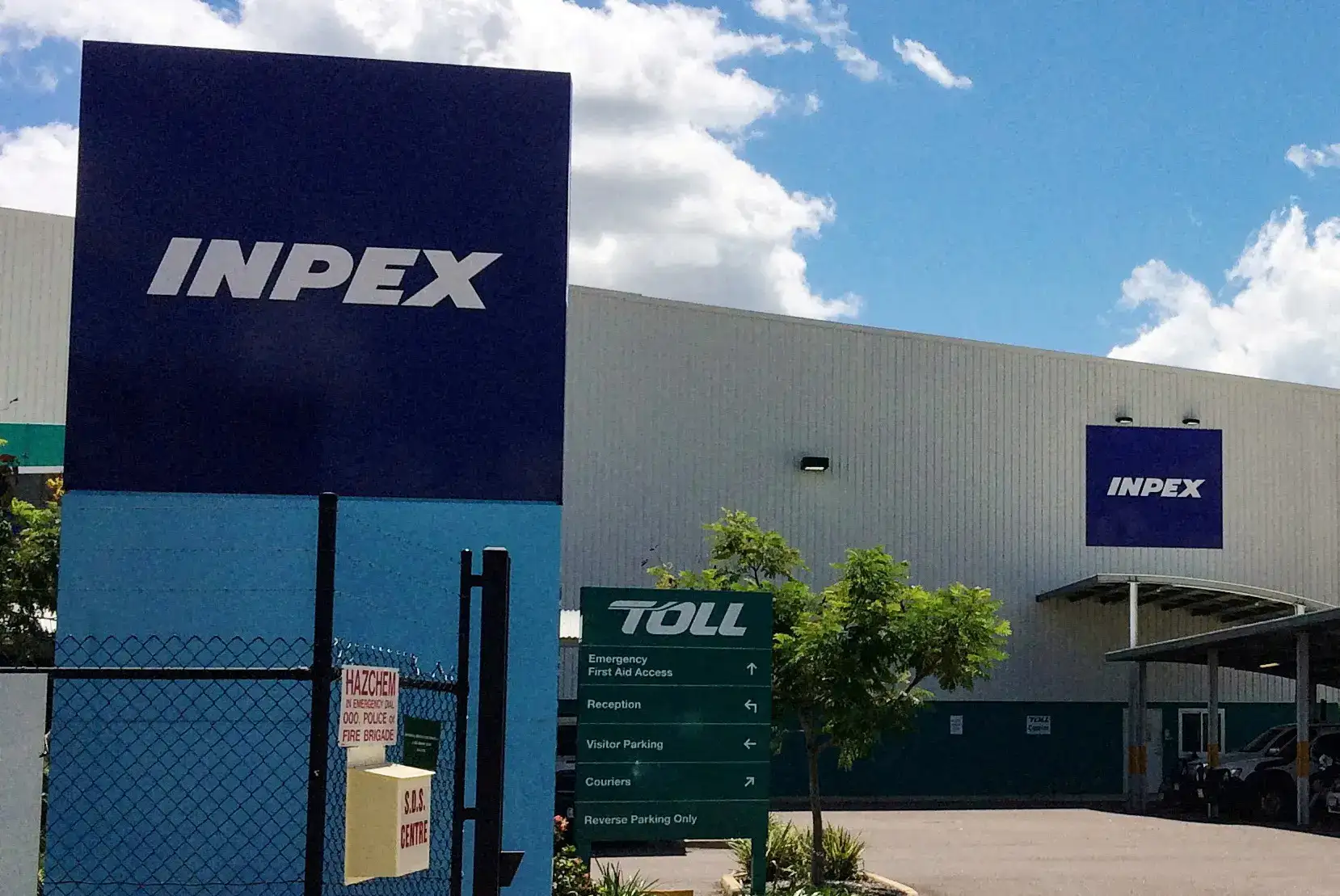
PERTH, - Japan's Inpex has shut one of two liquefied natural gas production trains at its Ichthys plant in Australia due to a strike, two people with knowledge of the matter said on Tuesday.
The closure of Australia's third-largest LNG plant is likely to hit exports and comes as global LNG supplies have tightened after the U.S. and Israeli war with Iran reduced supplies from the Middle East.
An Inpex spokesperson declined to comment, but in a statement late on Monday Senior Vice President for Corporate Bill Townsend said the company expected an "imminent disruption to production at both onshore and offshore Ichthys LNG facilities".
On Sunday a tribunal rejected Inpex's bid to halt the strike and mandated the drafting of a new employment agreement.
Australia's Offshore Alliance, which includes the Australian Workers Union and the Maritime Union of Australia, said on Monday it planned to extend industrial action until July 6 after a new employment agreement could not be finalised. The Electrical Trades Union is also part of the strike.
Up to seven LNG cargoes could be delayed, according to evidence given at a Saturday hearing with the Fair Work Commission after Inpex sought to halt the strike on national interest grounds.
A superintendent for onshore operations, Damien Chandler, said 'tank tops' for LNG storage could be reached by 1 p.m. local time (0300 GMT) on Wednesday and a day later for condensate storage.
The plant, located at Bladin Point near Darwin, has an annual production capacity of 9.3 million metric tons.
While Asia spot LNG prices have mostly been moved by developments around the Iran conflict, the strikes at Ichthys had contributed to some upward price pressure in early June.
Japan is assessing the impact to its gas supplies, Industry Minister Ryosei Akazawa said on Tuesday.
Long-term LNG buyers from the project are mainly Japanese utilities, including equity partners as well as Kyushu Electric Power and Tokyo Gas, according to the Japan Organization for Metals and Energy Security (JOGMEC).
Japanese companies collectively purchase about 5.7 million tons per year from the project, including Inpex's offtake volume.