True journalism has always been a high-wire act. For every neatly dressed anchor in a studio, there’s a scrappier figure behind the scenes, chasing leads that unravel fast, confronting dead ends, and sometimes putting their life on the line. The job isn't about polish. It's about pursuit. Ink may dry on the page, but the stories behind it are rarely static. They bleed.
From frontline war correspondents to whistleblower exposés, the gamble every real journalist takes lies in the unknown. You don’t always know where a story leads. You often don’t know if you’ll come out unscathed. And yet, they keep reporting.
Going Where the Heat Is
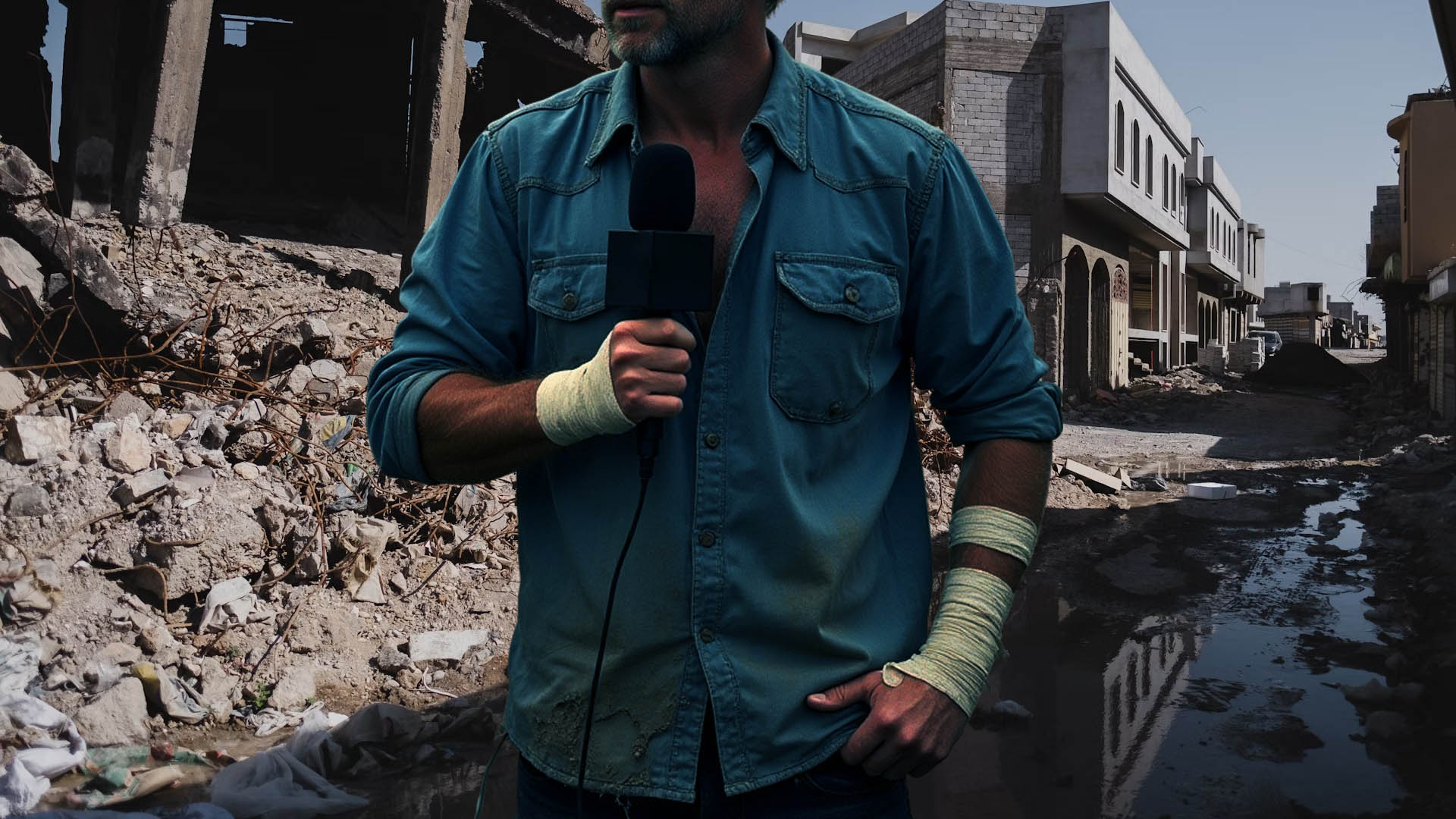
Some stories aren’t meant to be told safely. Think of Marie Colvin, the Sunday Times reporter killed in Homs, Syria, while covering the siege in 2012. She wore a trademark eyepatch, earned from shrapnel in Sri Lanka, and refused to stay away from war zones. Her final dispatch was a chilling account of civilians being slaughtered in real time. She didn't flinch. She filed.
Or Jamal Khashoggi, who entered a Saudi consulate in Istanbul and never came out. His columns forThe Washington Postcriticized authoritarianism, earning him both acclaim and fatal enemies. His story became its own global news cycle.
These aren’t anomalies. They’re warnings carved in gravestones. Journalism, real, unfiltered journalism, demands proximity to risk. You can’t expose corruption from a distance. You can’t uncover injustice without stepping on some toes. Sometimes, the toes belong to regimes, cartels, or corporations with deep reach and deeper pockets.
When the Story Fights Back
Danger isn’t always about bullets or bombs. Sometimes, it wears a suit. Journalists investigating financial fraud, corporate malfeasance, or political lobbying often face lawsuits, smear campaigns, or ruinous blacklisting. The story doesn’t want to be told. The subjects push back, with everything from cease-and-desist letters to quiet threats over coffee.
Ask any reporter who’s gone head-to-head with a multinational, and they’ll tell you: the scariest moment isn’t the interview. It’s the silence after publishing. The calls that stop. The door that doesn’t open next time. Sometimes, a byline costs you your beat. Or your passport. Or your peace.
Still, they go in. Because some truths don't whisper, they scream. And someone has to listen.
Betting on the Truth
The act of pursuing the truth often resembles a gamble. You make calls, chase rumors, cross borders, sometimes literal, sometimes ethical, and hope your instincts aren’t betraying you. It’s a roulette wheel of credibility, access, and timing.
Oddly enough, it’s here where the metaphor of risk has bled into cultural analogies. Journalists don’t just “chase leads,” they “roll the dice.” They “play high stakes.” And in the digital age, the stakes have only risen. Algorithms bury long-form. Outrage travels faster than nuance. The public forgets by Monday what broke on Sunday.
It’s a game where the house often wins. But every once in a while, an investigative piece lands like thunder. Offshore accounts exposed. War crimes documented. A Prime Minister resigns. That moment? That’s the jackpot.
Interestingly, even platforms far removed from journalism have started to grasp the language of risk. Just look at the rise of affiliate and gambling comparison sites, like the website Casino Seeker. While they're rooted in a different kind of wagering, they operate by uncovering fine print, digging into systems, and highlighting where the odds are stacked. In a strange way, it mirrors the journalistic impulse: expose, inform, empower.
The Beauty in the Chaos
Yet, for all the risk, there’s beauty in reporting. There’s elegance in stringing together scattered facts, witnessing an event no one else sees, or asking the question everyone’s too afraid to pose.
There’s something electric about the first hint of a real lead. Something stubborn about pounding pavement for hours with no quotes. Something poetic in trusting your gut when a story begins to whisper.
And when a piece comes together, when sources align, when the framing clicks, when the editor nods and says, “we’ve got it, ” it feels earned in a way few things in life do. It’s like balancing on a wire, wind howling, knowing you might fall but dancing anyway.
Final Draft, Never Final
The truth is, no story is ever finished. Context shifts. New facts emerge. Old sources get cold. But that’s part of the allure. Journalism isn’t about perfection, it’s about presence. Being there. Bearing witness. Writing things down before someone tries to erase them.
That’s the gamble. That’s the art.