
Road worker Nathan Champion's life flashed before his eyes in the moments before his truck crashed down the side of a mountain.
The father-of-two had been laying gravel at work when his vehicle sunk into soft ground and teetered on the edge of a cliff before rolling into its side.
"It was the longest minute of my life," Mr Champion said.
"Every second that ticked by was another moment where I'd wondered if I was going to die and when it started to roll all I could do was hang on and hope."
Mr Champion escaped physical injury, but suffers from nightmares, flashbacks and panic attacks.
One of the hardest things for him to comprehend was how his employer responded.
"I'll never understand how or why, but the boss had me back at work the next day," Mr Champion said.
"My body was alright, but when I got behind the wheel of a truck again I just shut down mentally."
Mr Champion says he wasn't aware of his entitlements and struggled for almost a year before seeking help.
He is urging other Australians to stand up for themselves without delay if they're in a similar position.
Some 31 per cent of Australians with an illness or injury received compensation in the 2021/22 financial year, according to the Australian Bureau of Statistics.
Safe Work Australia says in the 10 years to 2023, some 1.14 million workers made a serious worker's compensation claim related to more than a week of lost working time.
Physical stress placed on the body, falls, slips, trips and being hit by moving objects were the leading causes of work-related injuries.
Mr Champion is working with Shine Lawyers on the Blow Their Cover campaign, encouraging employees to take up all their entitlements.
Shine chief legal officer Lisa Flynn says most employers do the right thing, but the law firm is encountering more and more examples of those who don't.
"What we are seeing is a trend of employers discouraging people from bringing a claim for workers compensation," Ms Flynn said on Friday.
"Sometimes the time limits for bringing a claim expire and then workers find themselves without the support of anyone.
"We also see the other side, where there's actual threats by some employers in terms of physical and, really, intimidation."
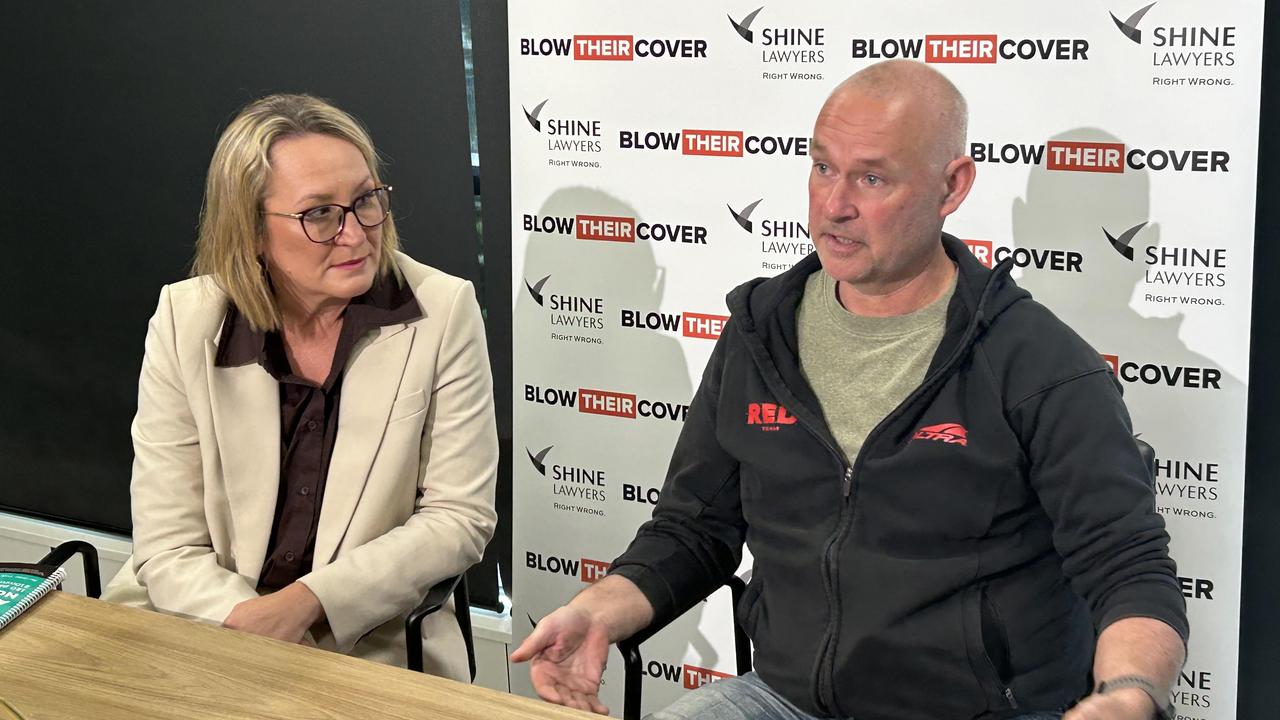
Former elite ultra-marathon runner and wind farm service technician Mick Marshall backs calls for injured workers to take the lead after he suffered a life-changing fall at work.
He describes himself as a "WorkCover claim survivor" after a drawn out experience getting compensation he claims "almost broke (him)".
"It was about 18 months to understand that things were not kosher, so to speak," Mr Marshall said.
Ms Flynn said bosses had no power to stop workers making claims and people should be aware time restrictions on filing claims vary by jurisdiction, with some deciding to take action after it's too late.
"People (think) that they'll be blacklisted from or they'll lose their job because they'll bring a claim, (but) there are rules to protect people from losing their job if they do bring a claim," she said.
Earlier in 2024, eligibility and testing requirements for Victoria's WorkCover scheme were restricted due to rising costs as claims tripled since 2010, mainly due to people staying on the scheme longer.
SafeWork NSW is also set to be overhauled.