For the first time since 1960, the UK is currently experiencing zero inflation. But that does not mean all price rises are on hold. In fact there have been a number of price hikes this week – many taking effect on Wednesday – with households seeing increases to costs as wide-ranging as stamps, air travel and spectacles.
Stamps
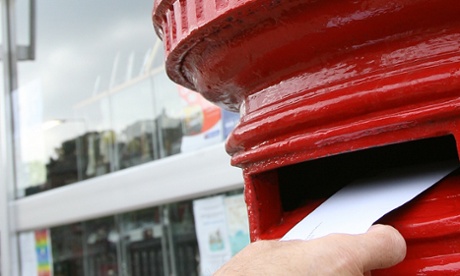
On 30 March, the cost of a first-class stamp went up from 63p to 64p and the price of a second-class stamp 53p to 54p. For bigger items (of up to 100g) being squeezed through letterboxes, the price of a large-letter first-class stamp has risen by 2p, to 95p, and that of a large letter second-class stamp by 1p, to 74p.
Council tax
Despite the fact that around two-thirds of councils are freezing or reducing their council tax bills, the average annual bill for a Band D home in England rises by £16 to £1,484 today, according to the Chartered Institute of Public Finance & Accountancy.
Car Tax
Vehicle excise duty will rise up to £10 a year for some categories, including larger cars with big engines and environmentally unfriendly carbon emissions. George Osborne’s most recent budget confirmed that VED rates for cars, vans, motorcycles and motorcycle trade licences would increase in line with the Retail Prices Index measurement of inflation (RPI).
Water bills
Water bills will increase by £5 to £401 for the average household from Wednesday. Customers facing the biggest increase are those whose sewerage services are provided by Thames Water, which is raising waste water charges by an average of £12, partly to help fund the development of the controversial “super sewer”, the Thames Tideway Tunnel.
Prescriptions
For those required to pay them, NHS prescription charges in England are going up from £8.05 to £8.20. Prescription prices have risen by £1 since the coalition came to power in 2010, when each item of medication cost £7.20. The Department of Health said 90% of prescriptions are free on the NHS in England.
Glasses
The cost of ‘basic’ NHS spectacles will go up from £38.30 to £38.70 in England. Many consumers qualify for a free NHS-funded sight test and an optical voucher (which provides financial help towards the cost of spectacles or contact lenses) if they meet certain criteria.
Dental treatment
The NHS dental charge payable for a “band one” course of treatment (such as a basic examination) will increase by 30p, to £18.80. Basic treatments, including fillings and root canals, will increase by 80p to £51.30 and complex treatments – crowns, dentures or bridges – will cost an extra £3.50 taking the price up to £222.50.
Wigs and fabric supports
The cost of NHS wigs and fabric supports needed by patients undergoing chemotherapy and with medical problems are rising by 1.6% from the beginning of April. Wigs are available from the NHS but patients are charged for them unless they qualify for financial help.
Mobile phone bills
Mobile phone customers with O2 who pay a monthly tariff will see their bills increase from April – up by 1.1% this year, in line with RPI. EE customers underwent the same increase to their monthly price plan on any bills received from last week, if they joined specified plans between 26 March 2014 and 10 February 2015.
Air travel
Air passenger duty, levied on flights from UK airports, will increase by the RPI rate of inflation from 1 April. Rock stars and business magnates accustomed to travelling in luxury face a much higher APD for private jet travel – £78 per passenger for short-haul destinations (up from £54) and £402 for destinations between 2,000 and 4,000 miles (up from £276).
Hannah Maundrell, editor-in-chief of the money advice site money.co.uk, said: “While we can’t ignore the fact that some of our living costs are going down, such as food and mortgage rates, others are still going up. It really worries me that so much talk of 0% inflation will make consumers sit on their hands in the false sense of security that prices for everything will remain static. Regardless of the economic terminology, consumers still need to save money wherever they can to accommodate rising costs in some areas of their finances.”