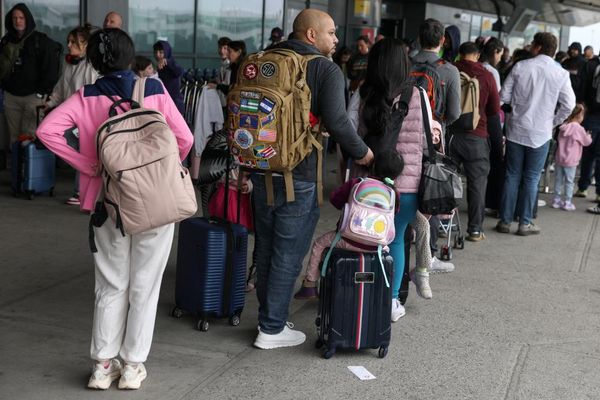
Spring break is underway for millions of people in the U.S. and around the world. What does that mean for travelers given the COVID-19 outbreak?
"In terms of COVID-19, the situation is really evolving quite rapidly," says Dr. Nipunie Rajapakse, a pediatric infectious diseases specialist at Mayo Clinic. "Anyone in the U.S. with travel plans should look at the Centers for Diseases Control and Prevention (CDC) website to get the most up-to-date travel advice and recommendations."
"There's a lot of variability in risk in traveling to different parts of the world," Dr. Rajapakse says. "So it's very important that you be informed about what is going on in the country that you are planning to travel to."
COVOD-19 is not the only virus and illness that can infect travelers.
"We are still in the midst of influenza season, and there are risks of exposure to other types of infections in the process of traveling or when you arrive at your destination." Risks of infection vary based on your destination, planned activities, age and any underlying health conditions you may have. All travelers, regardless of destination, should be current on routine vaccines including the flu vaccine prior to travel. The CDC recommends an annual flu vaccine for everyone 6 months of age and older.
How to protect yourself while traveling
"The best thing people can do to protect themselves is to practice excellent hand-washing," says Dr. Rajapakse. "Washing with soap and water or an alcohol-based hand rub can be very effective in keeping yourself and your family healthy when you travel. This is effective for multiple types of infections, including many of the respiratory viruses and other types of infections that can cause stomach flus, like norovirus, for example."
"The CDC website has some great advice based on each specific destination on what you can do to stay healthy," Dr. Rajapakse says. "It's also important to tell your health care provider if you're planning to travel. They can advise you on whether you might need to see a travel medicine specialist, depending on where you're going, or if there are certain vaccines that you might benefit from prior to traveling that might not be given routinely, but that might give you some additional protection from infection based on where you're going."