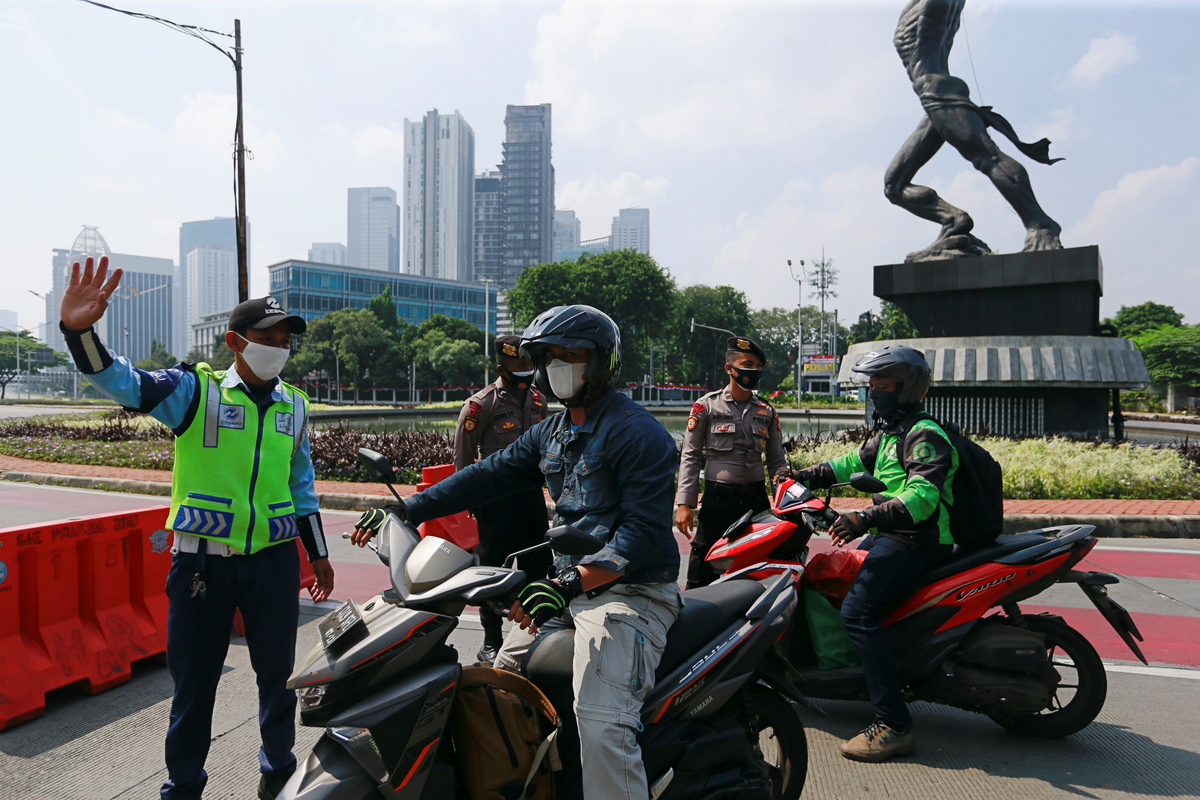
Indonesian police threw up road blocks and more than 400 checkpoints on the islands of Java and Bali to ensure hundreds of millions of people stayed home on Saturday, the first day of stricter curbs on movement to limit the spread of COVID-19.
As it battles one of Asia's worst coronavirus outbreaks, the world's fourth most populous nation has seen record new infections on eight of the past 12 days, with Friday bringing 25,830 cases and a high of 539 deaths.
"We are setting up (patrols) in 21 locations where typically there are crowds," Istiono, the head of national traffic police, who goes by one name, told a news conference late on Friday.
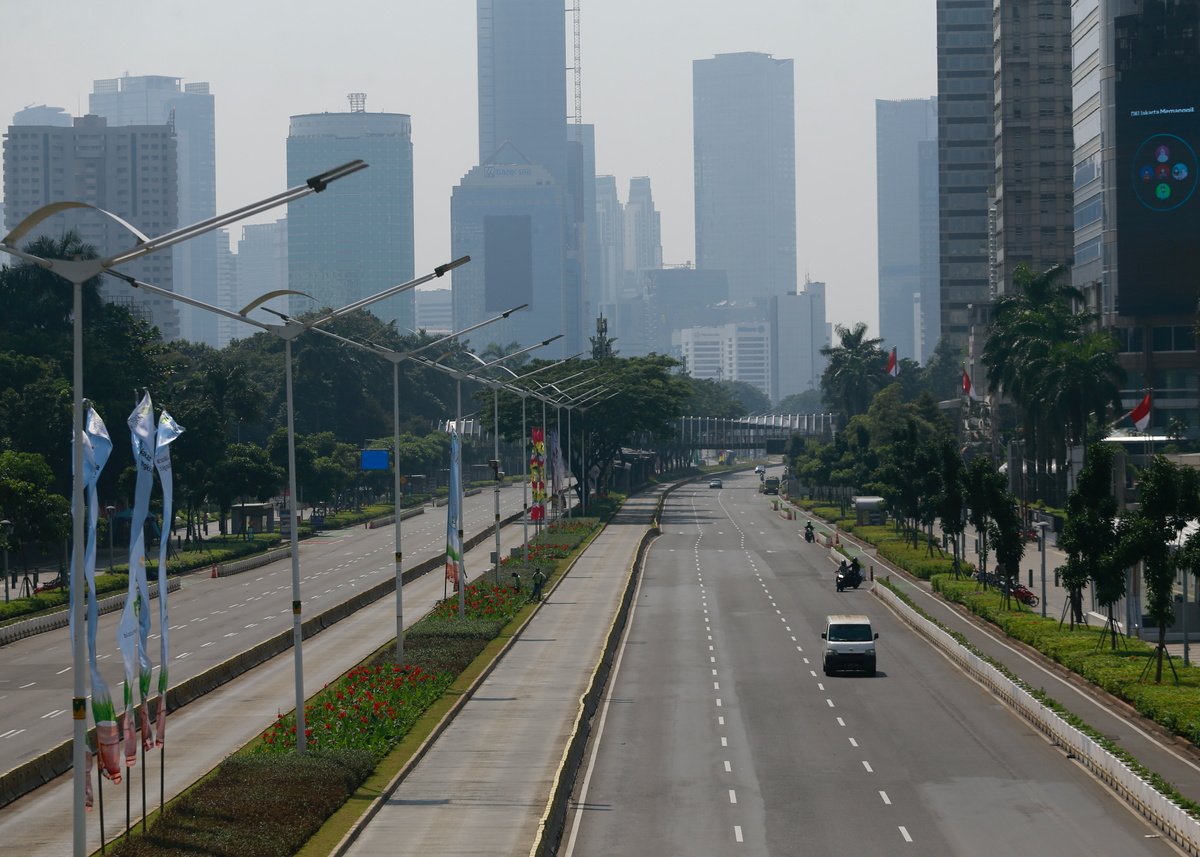
"Where there are street stalls and cafes, we will close those streets, maybe from around 6 p.m. until 4 a.m."
Saturday's more stringent curbs, from tighter travel checks to a ban on restaurant dining and outdoor sports and the closure of non-essential workplaces, will run until July 20, but could be extended, if needed, to bring daily infections below 10,000.
More than 21,000 police officers as well as military will fan out across Indonesia's most populous island of Java and the tourist resort island of Bali to ensure compliance with the new curbs, a police spokesman said.
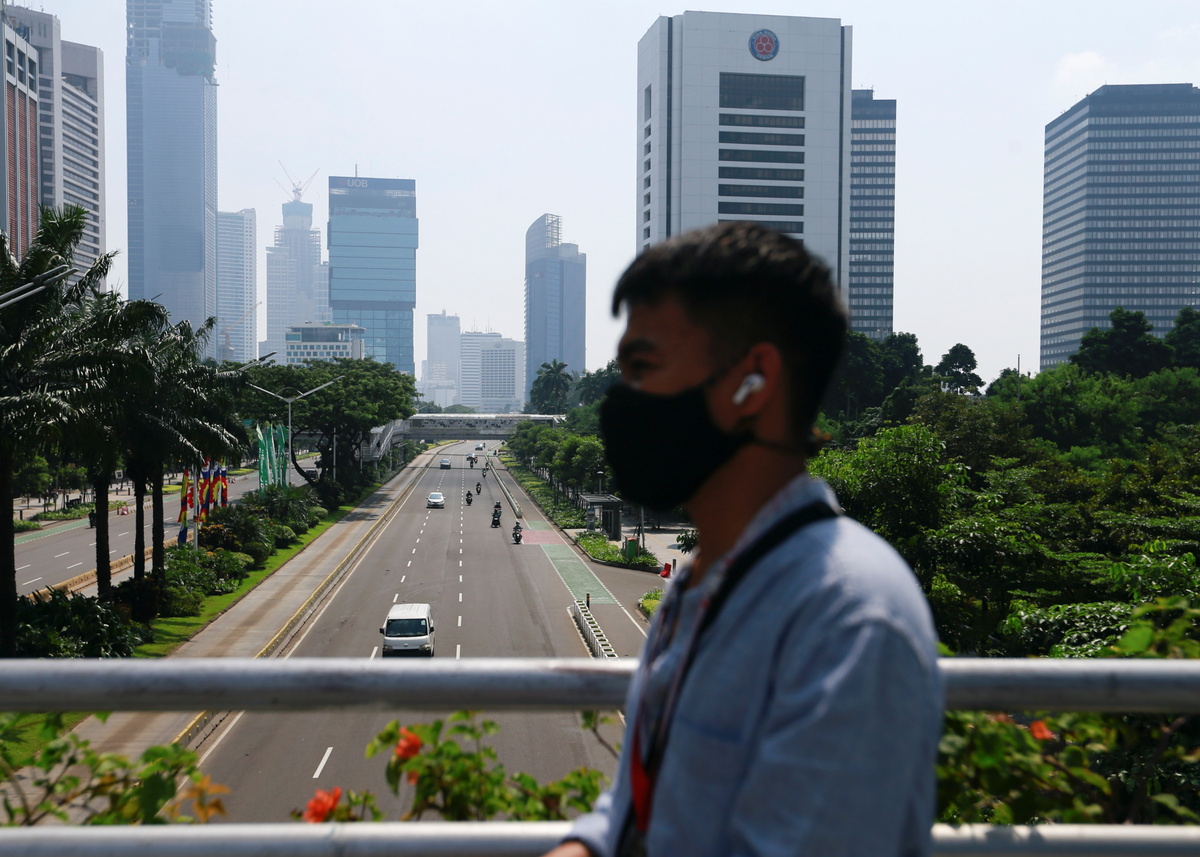
At the road blocks and checkpoints on the islands, police will conduct random tests and enforce curfews.
Vaccinated travellers with a negative swab test will be permitted to make long-distance journeys, however.
The highly infectious Delta variant first identified in India, where it caused a spike in infections, is spreading in Indonesia and pushing hospitals across Java to the brink.
Indonesia is set to receive vaccines donated by foreign countries to help speed its vaccination drive, which has covered just 7.6% of a target of 181.5 million people by January.
Until now, it has relied mainly on a vaccine from China's Sinovac Biotech.
Indonesia's tally of infections stands at 2.2 million, with a death toll of more than 59,500.
(Reporting by Fransiska Nangoy and Tabita Diela; Writing by Gayatri Suroyo; Editing by Clarence Fernandez)