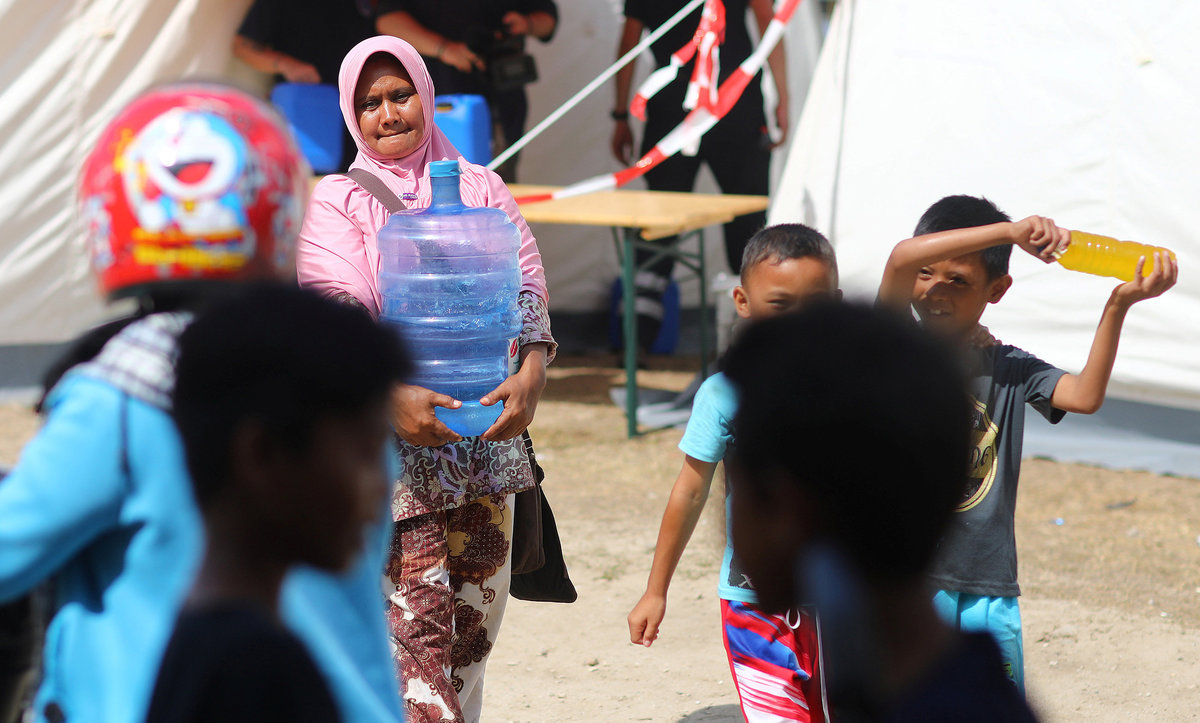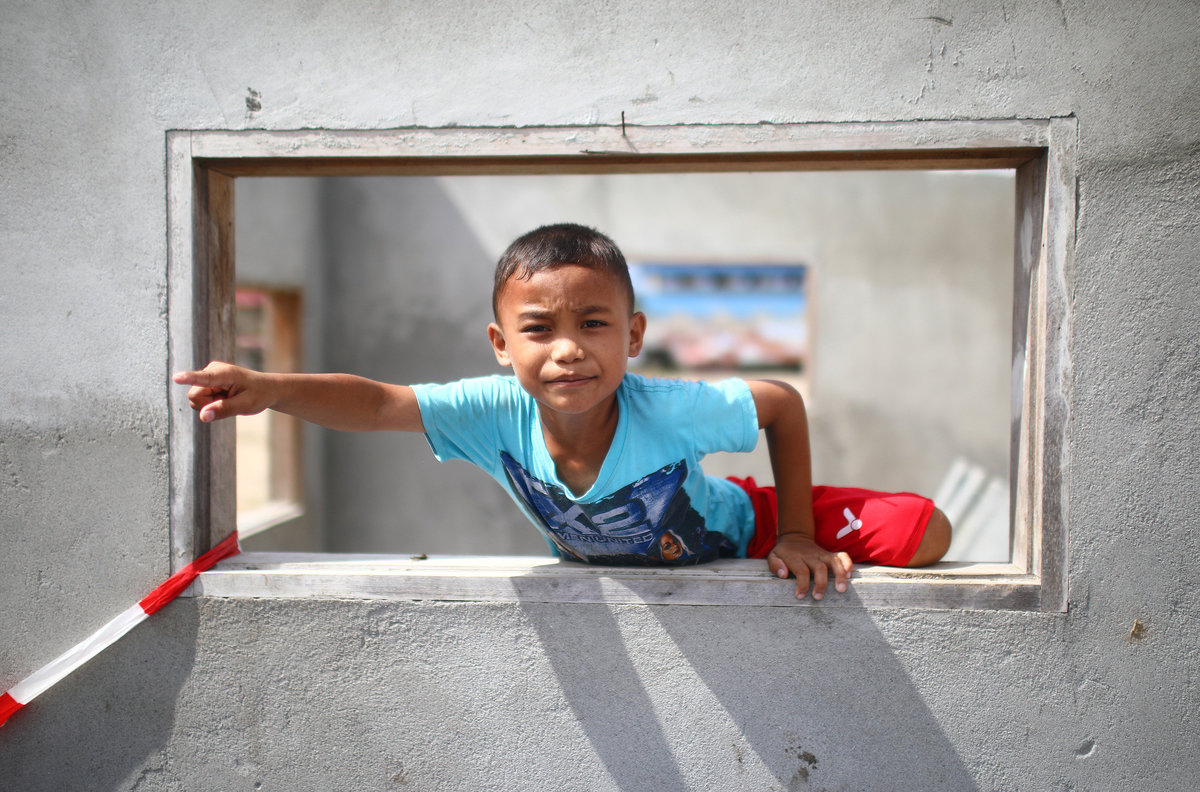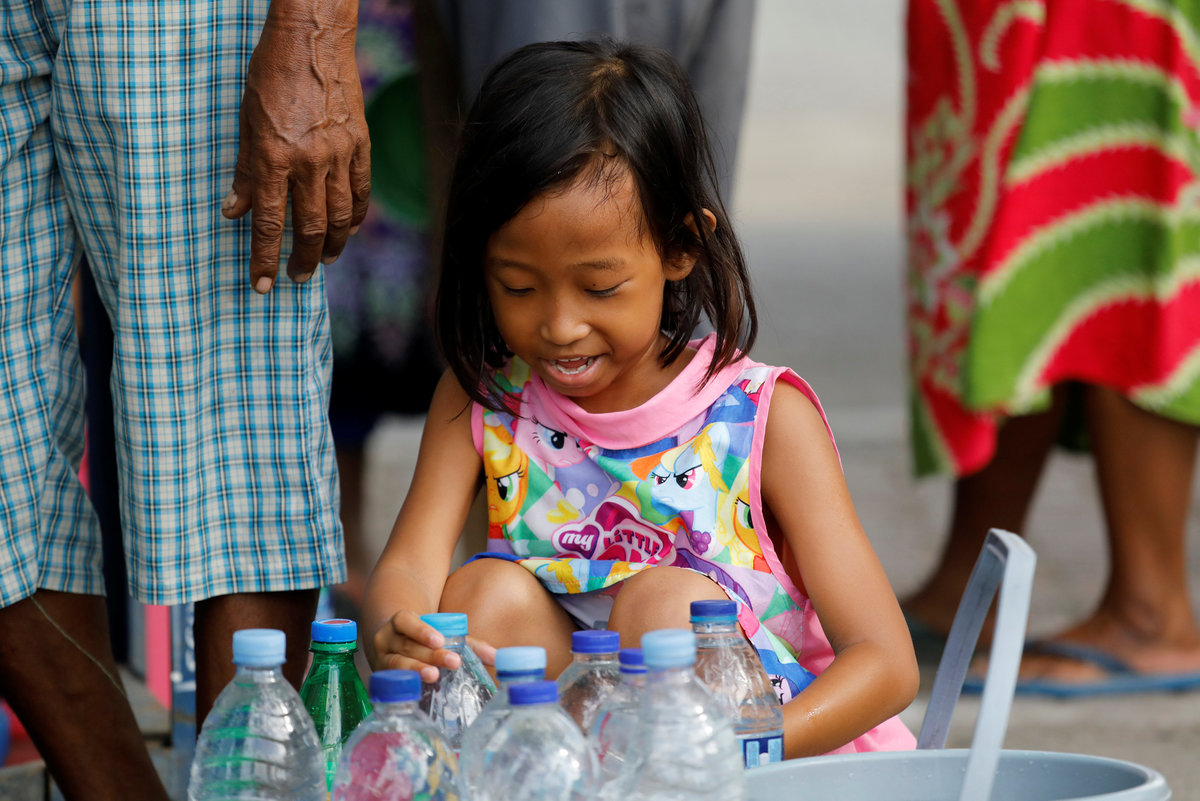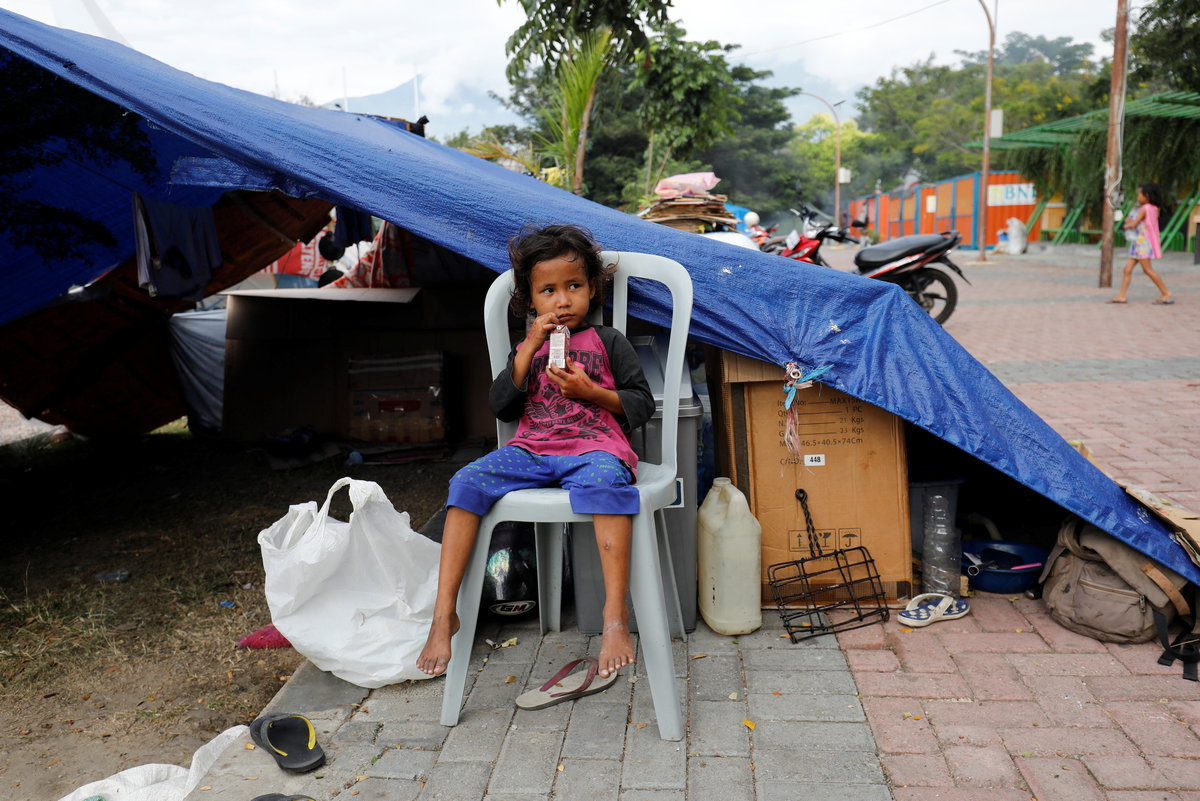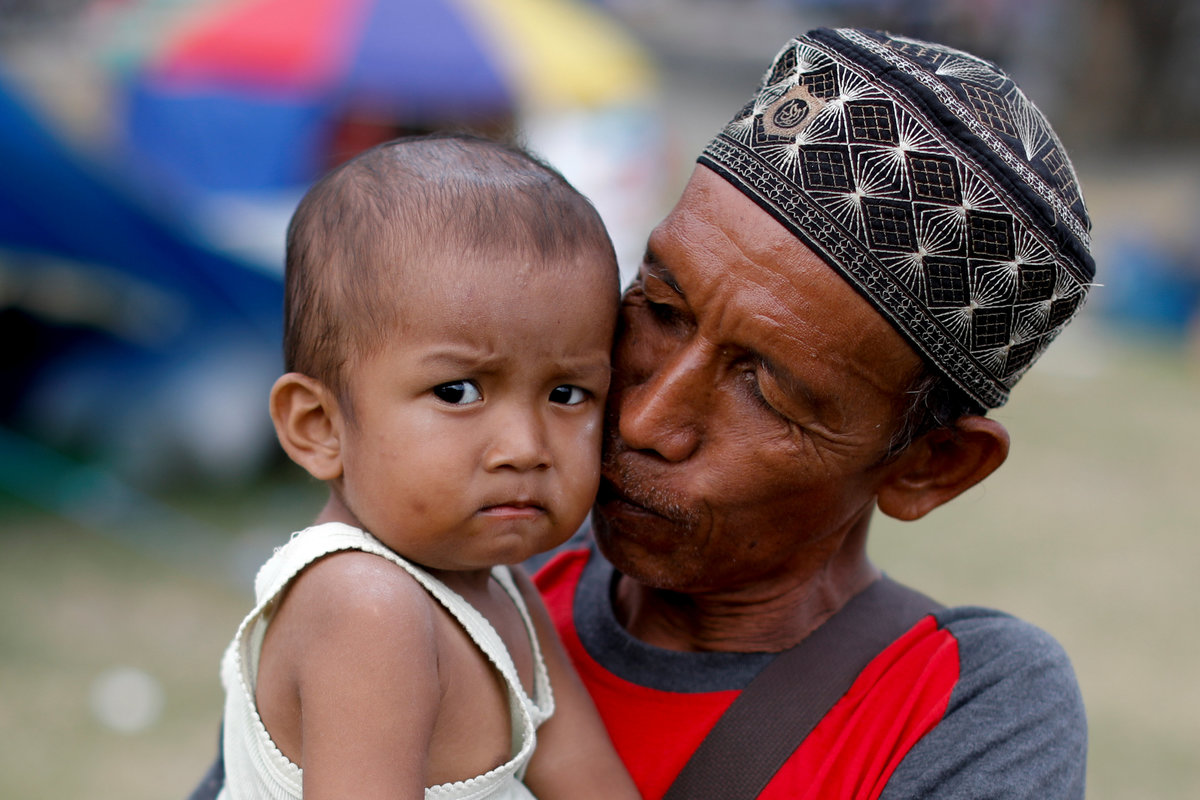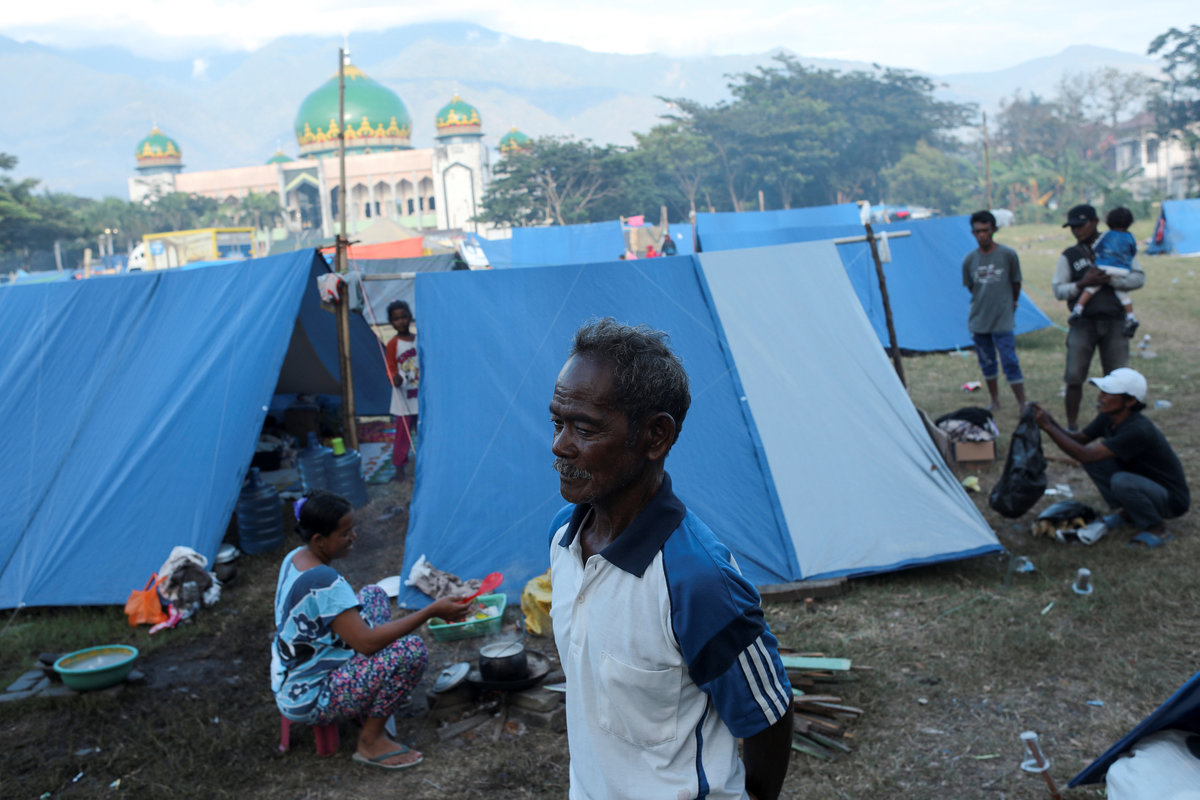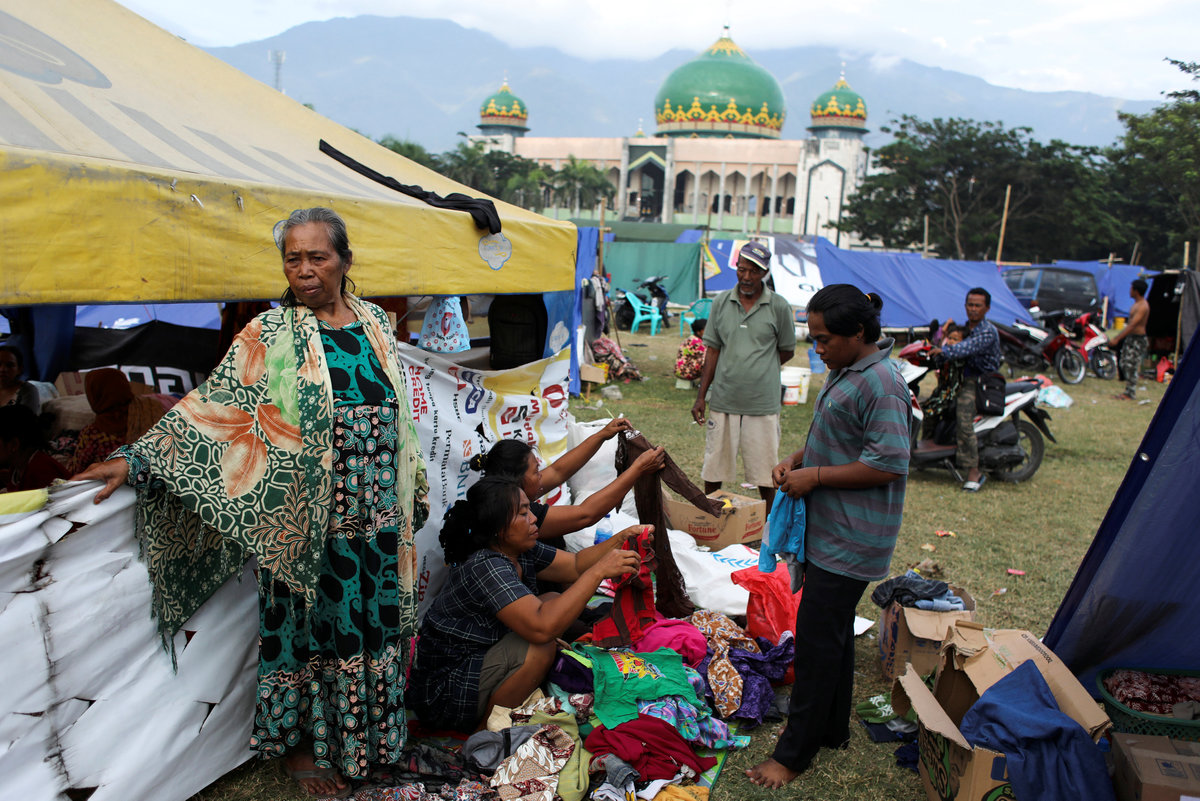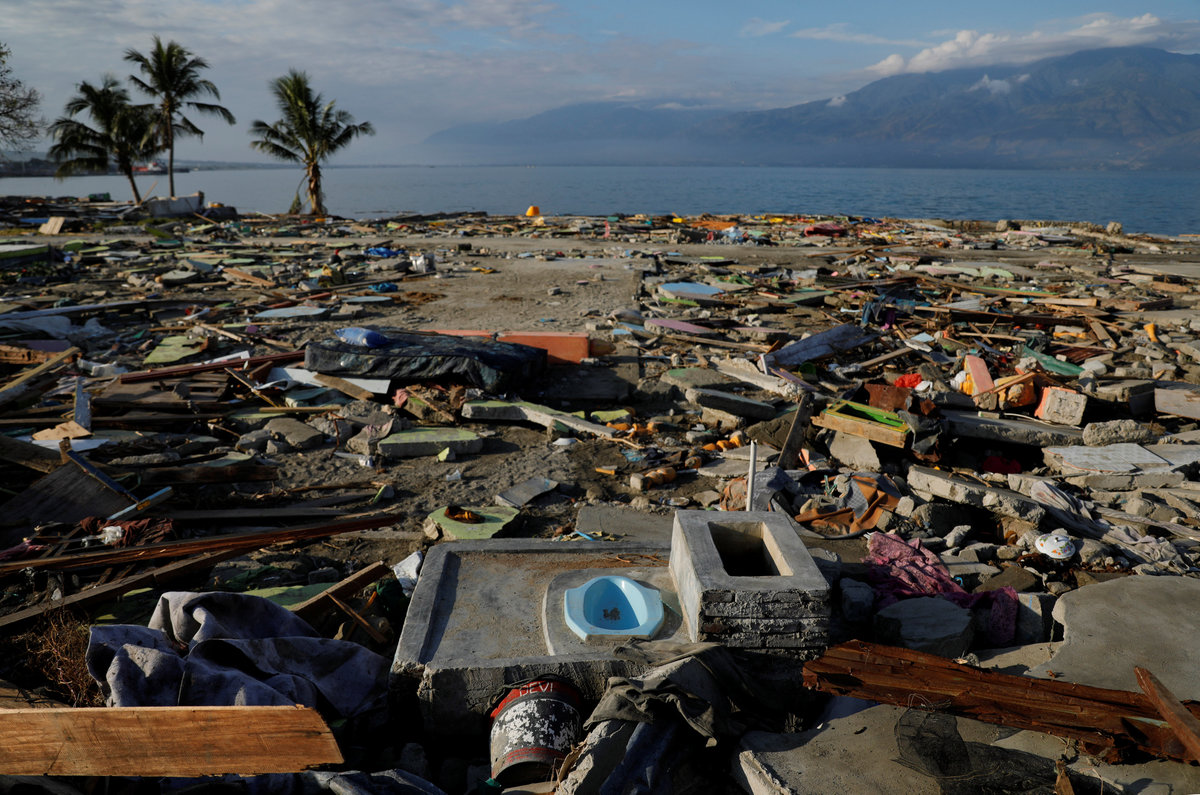
PALU, Indonesia (Reuters) - Rescue workers in Indonesia stepped up their search for victims of an earthquake and tsunami on Tuesday, hoping to find as many bodies as they can before this week's deadline for their work to halt, as the official death toll rose to 2,010.
The national disaster mitigation agency has called off the search from Thursday, citing concern about the spread of disease. Debris would be cleared and areas where bodies lie would eventually be turned into parks, sports venues and memorials.
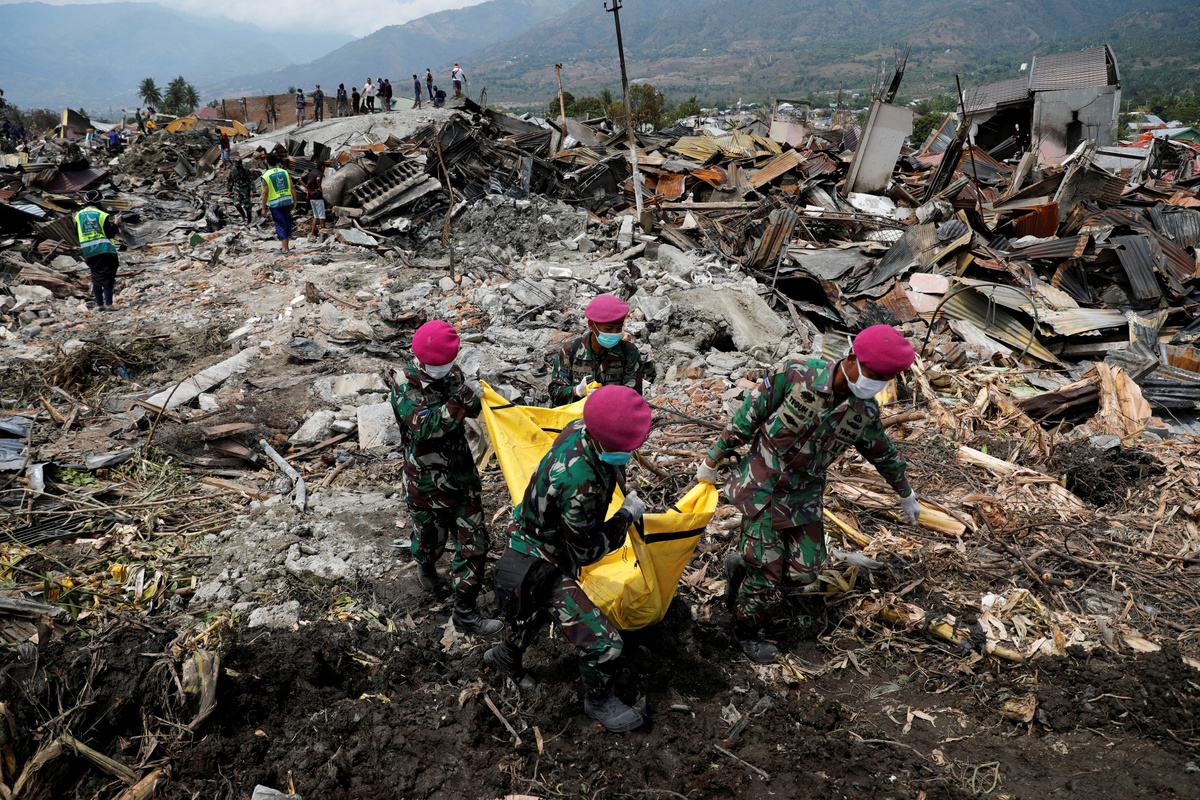
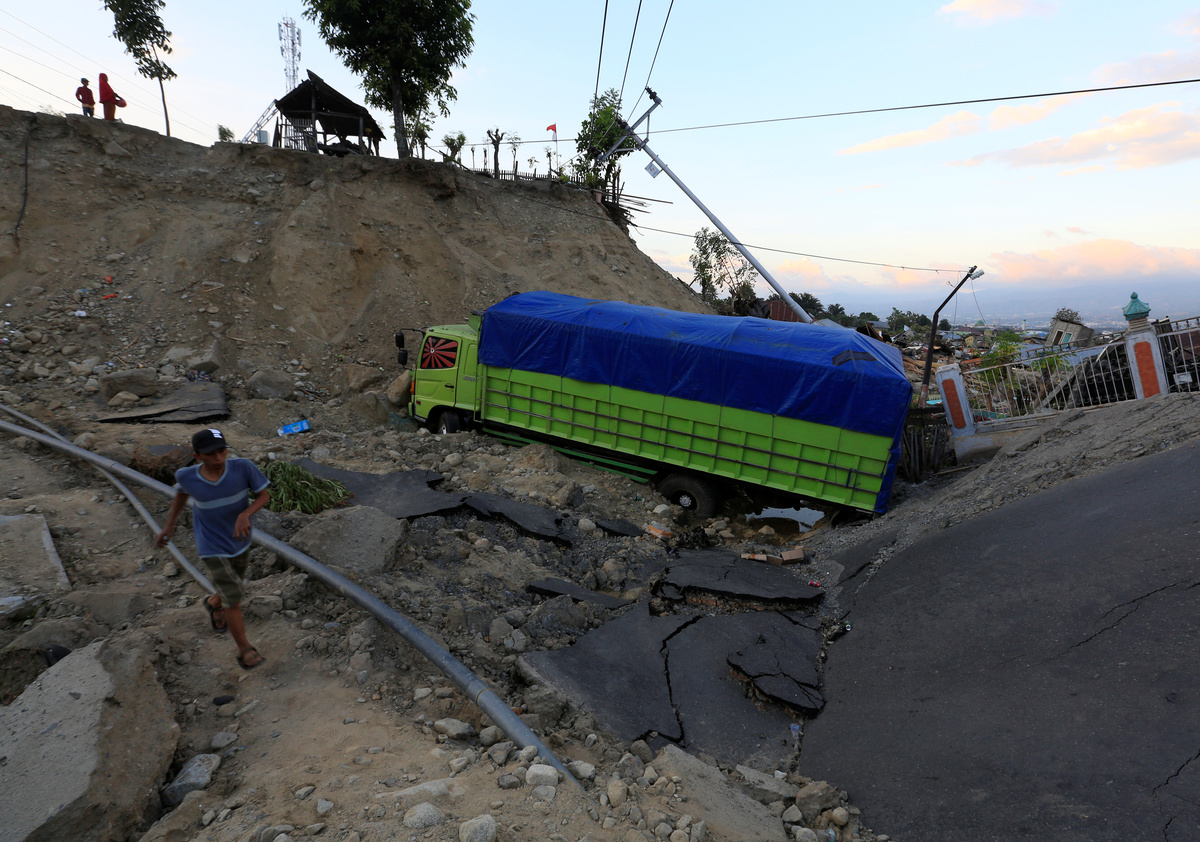
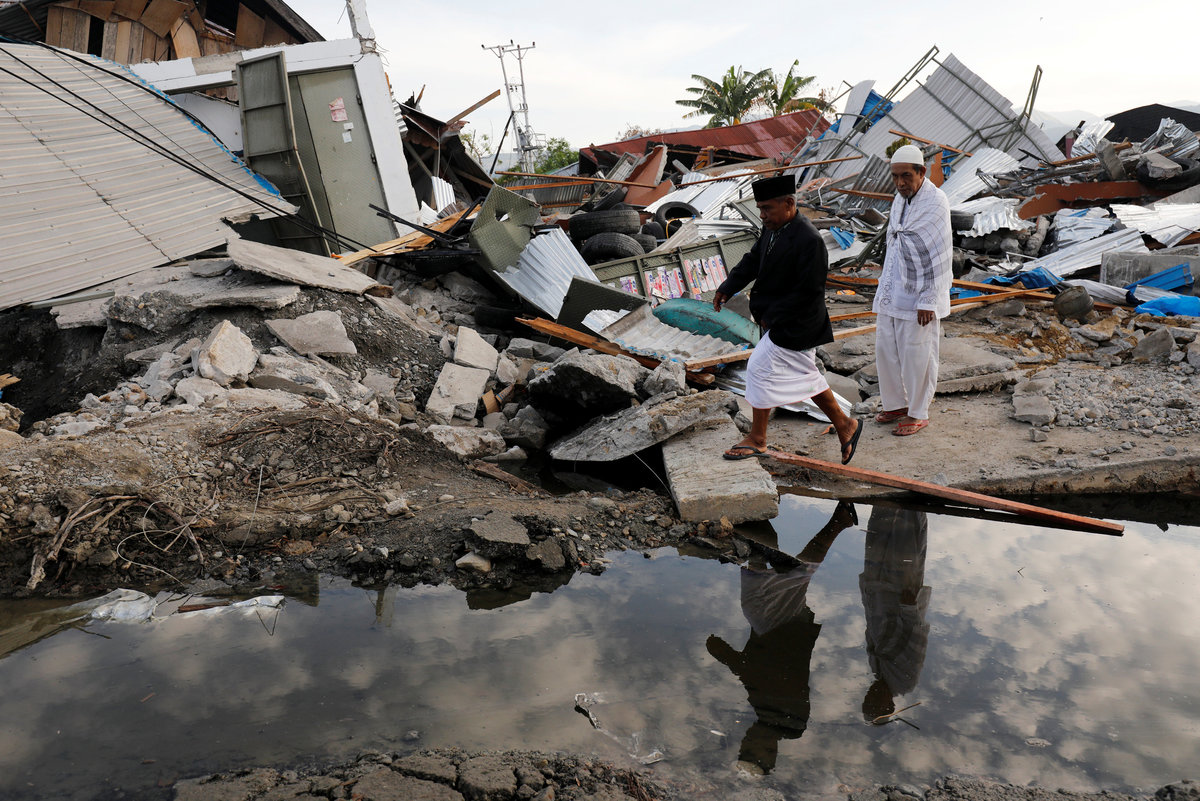
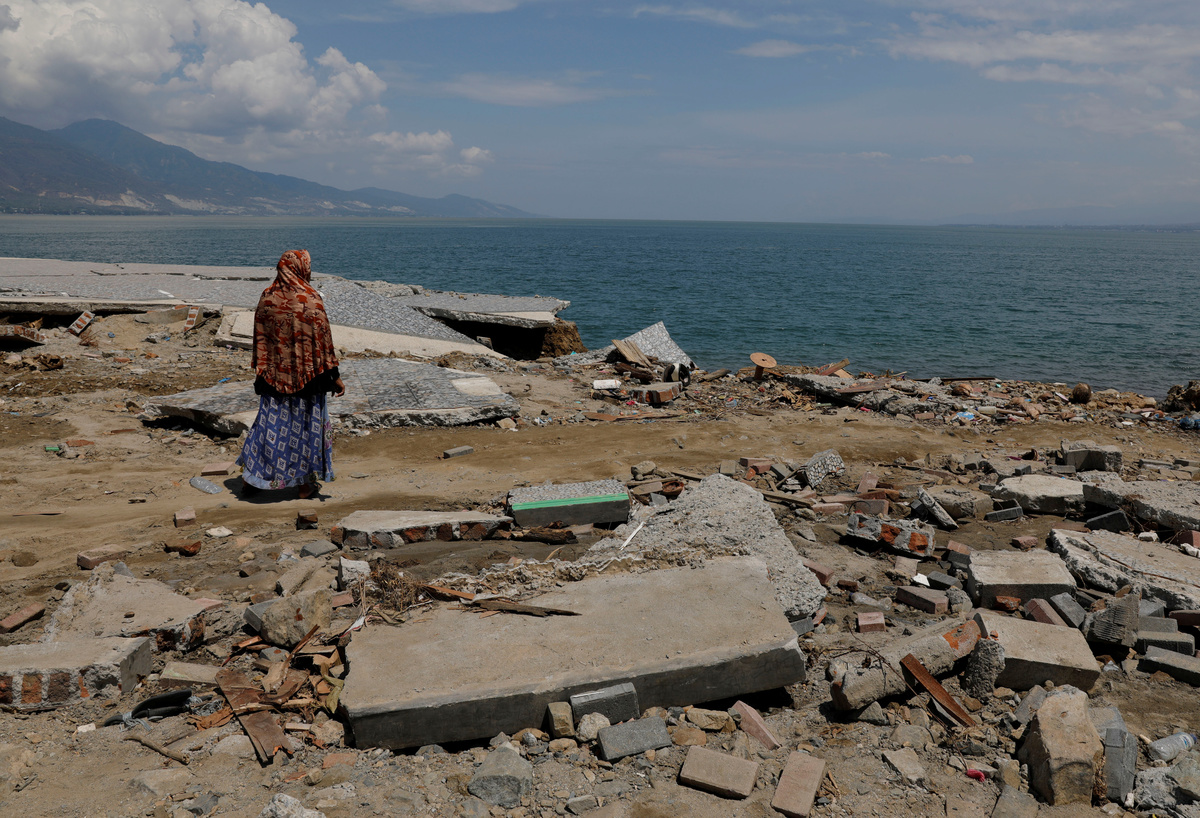
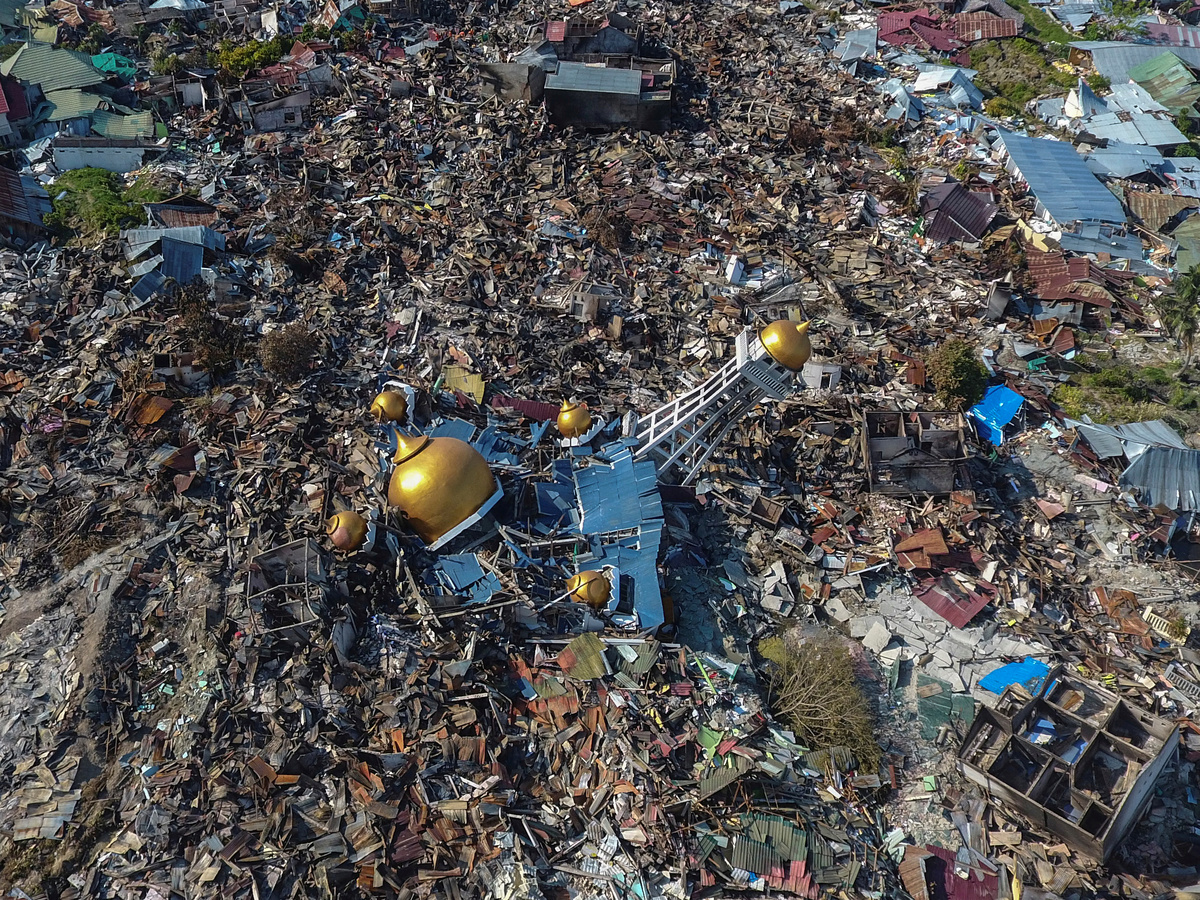
Perhaps as many as 5,000 victims of the 7.5 magnitude quake and tsunami on Sept. 28 have yet to be found, most of them entombed in flows of mud flows that surged from the ground when the quake agitated the soil into a liquid mire.
Most of the bodies have been found in the seaside city of Palu, on the west coast of Sulawesi island, 1,500 km (930 miles) northeast of the capital, Jakarta.
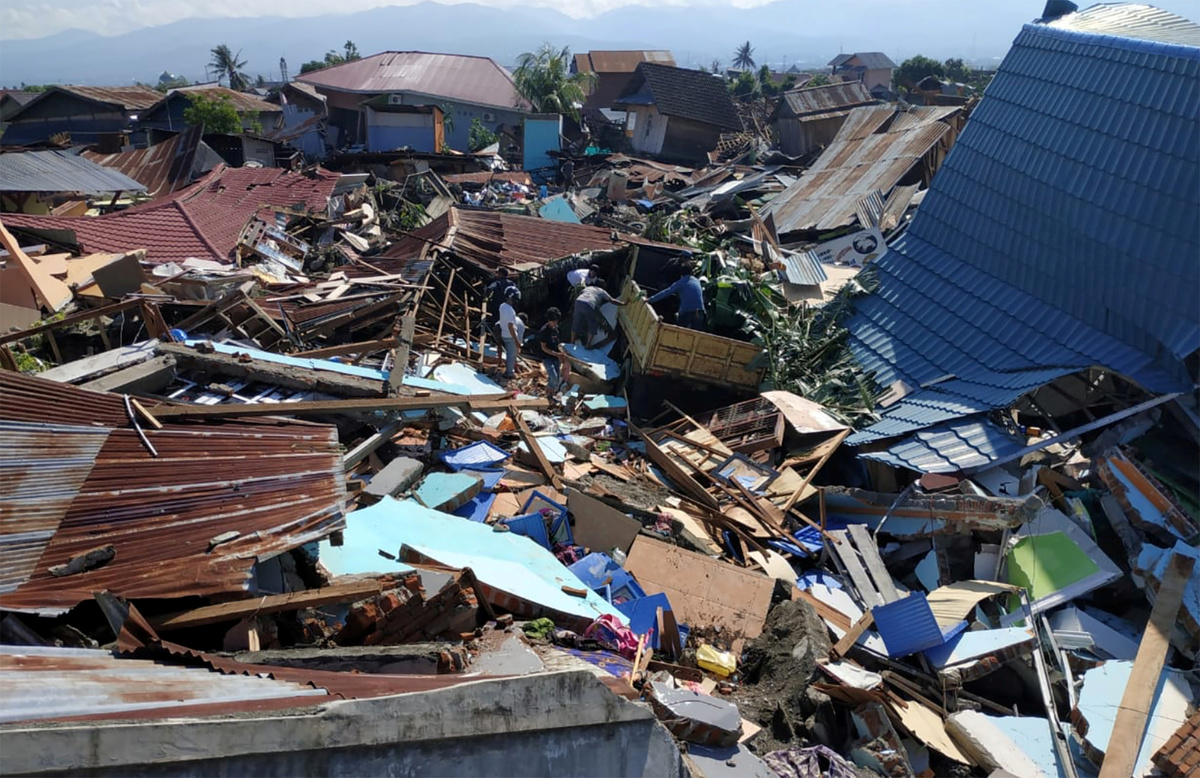
More than 10,000 rescue workers are scouring expanses of debris, especially in three areas obliterated by soil liquefaction in the south of the small city.
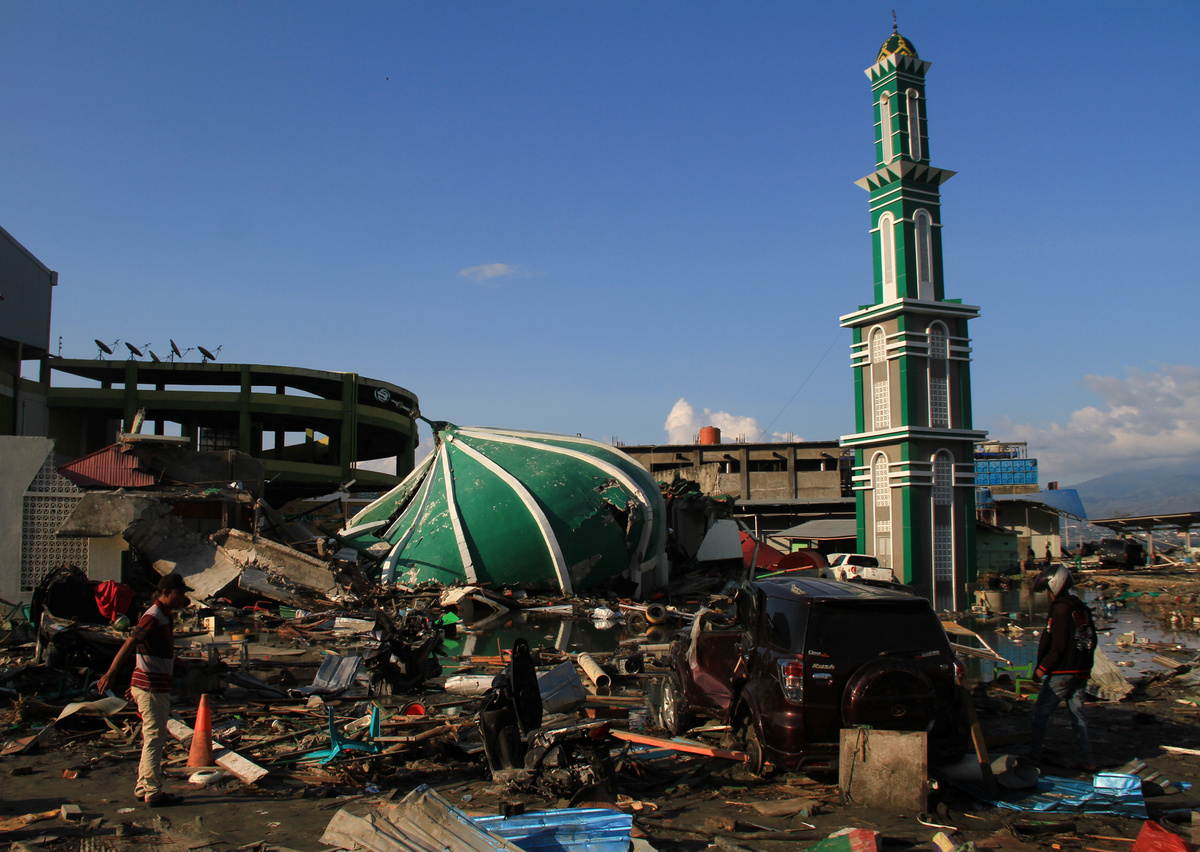
"We're not sure what will happen afterwards, so we're trying to work as fast as possible," said rescue worker Ahmad Amin, 29, referring to the deadline, as he took a break in the badly hit Balaroa neighborhood.
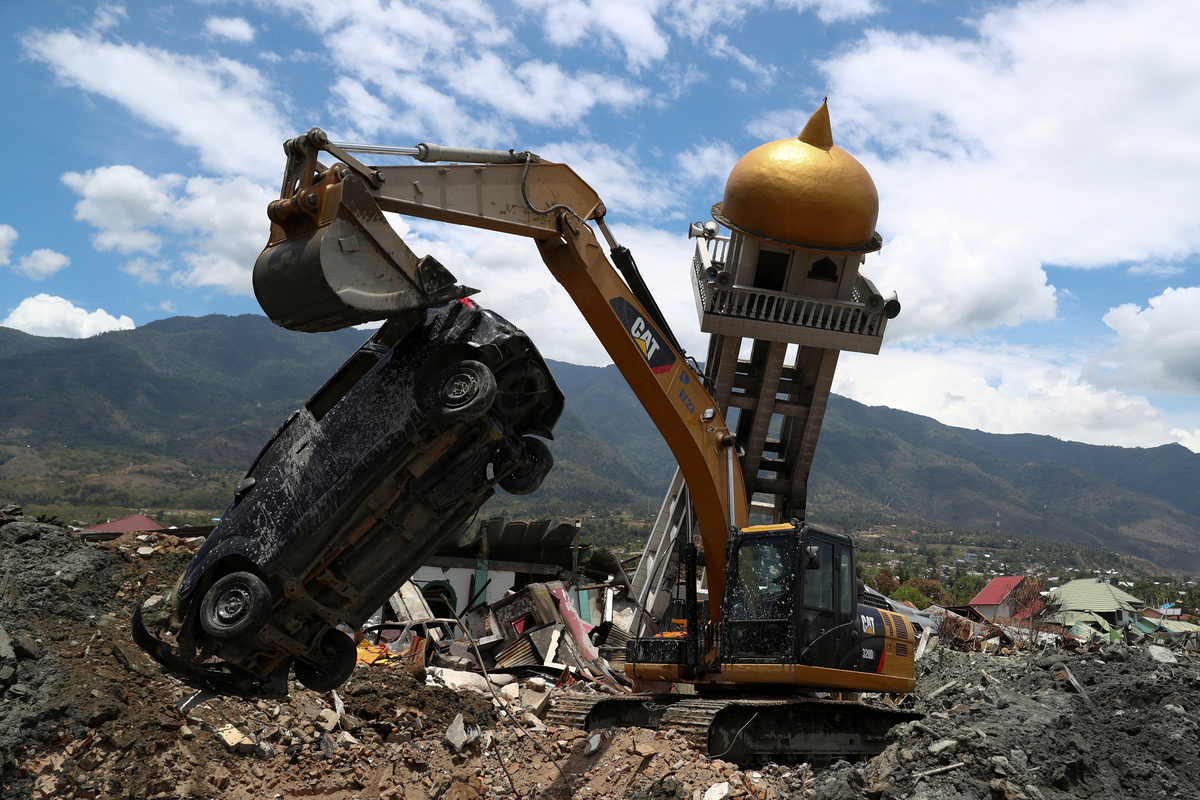
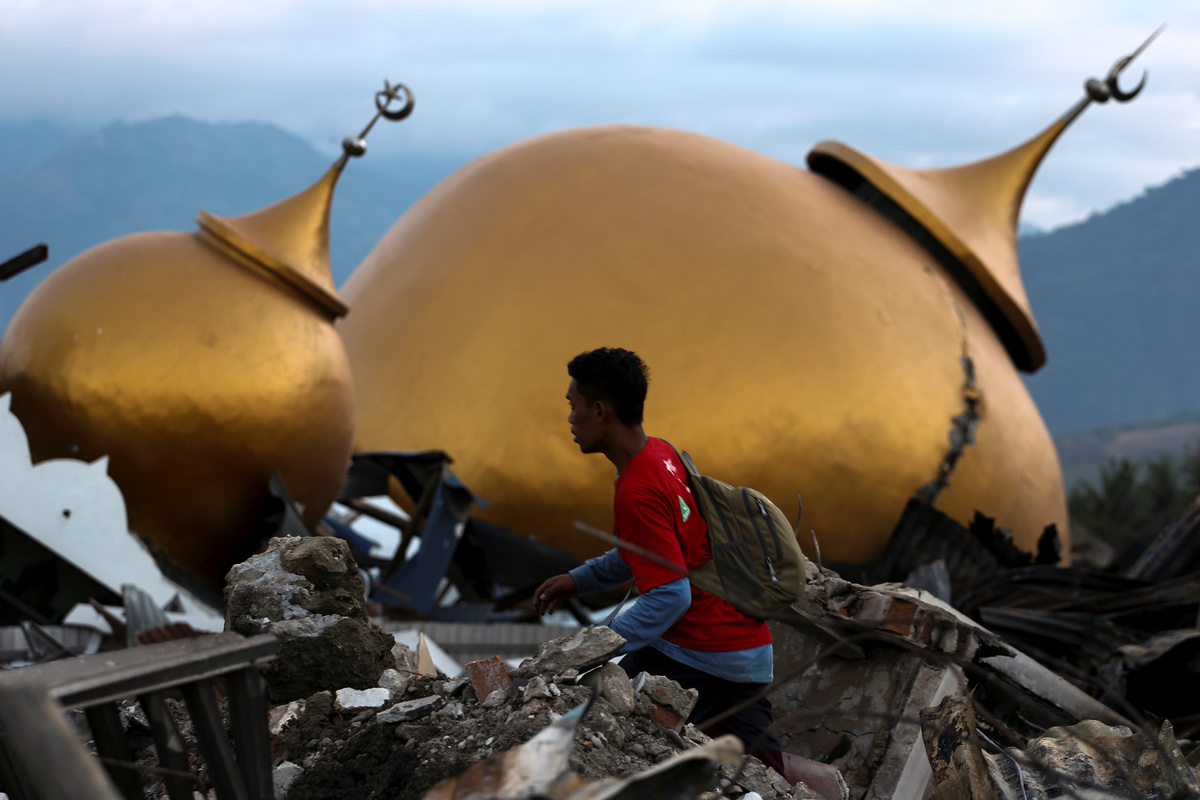
At least nine excavators were working through the rubble of Balaroa on Tuesday, picking their way through smashed buildings and pummeled vehicles. At least a dozen bodies were recovered, a Reuters photographer said.
"There are so many children still missing, we want to find them quickly," said Amin, who is from Balaroa and has relatives unaccounted for. "It doesn't matter if it's my family or not, the important thing is that we find as many as we can."
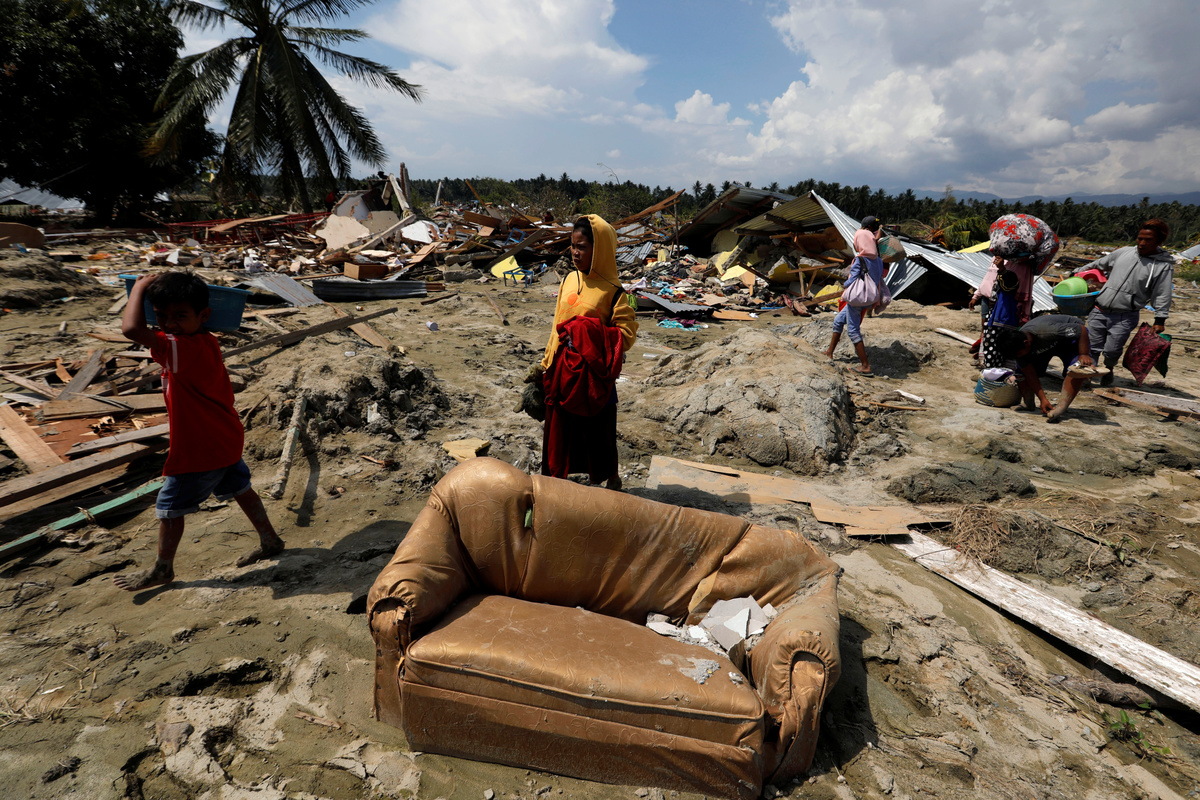
The state disaster mitigation agency said the search was being stepped up and focused more intensely on areas where many people are believed to be buried.
The decision to end the search has angered some relatives of the missing but taxi driver Rudy Rahman, 40, said he had to accept it.
"As long as they keep searching, I will be here every day looking for my son," said Rahman, who said he had lost three sons in the disaster. The bodies of two were found, the youngest is missing.
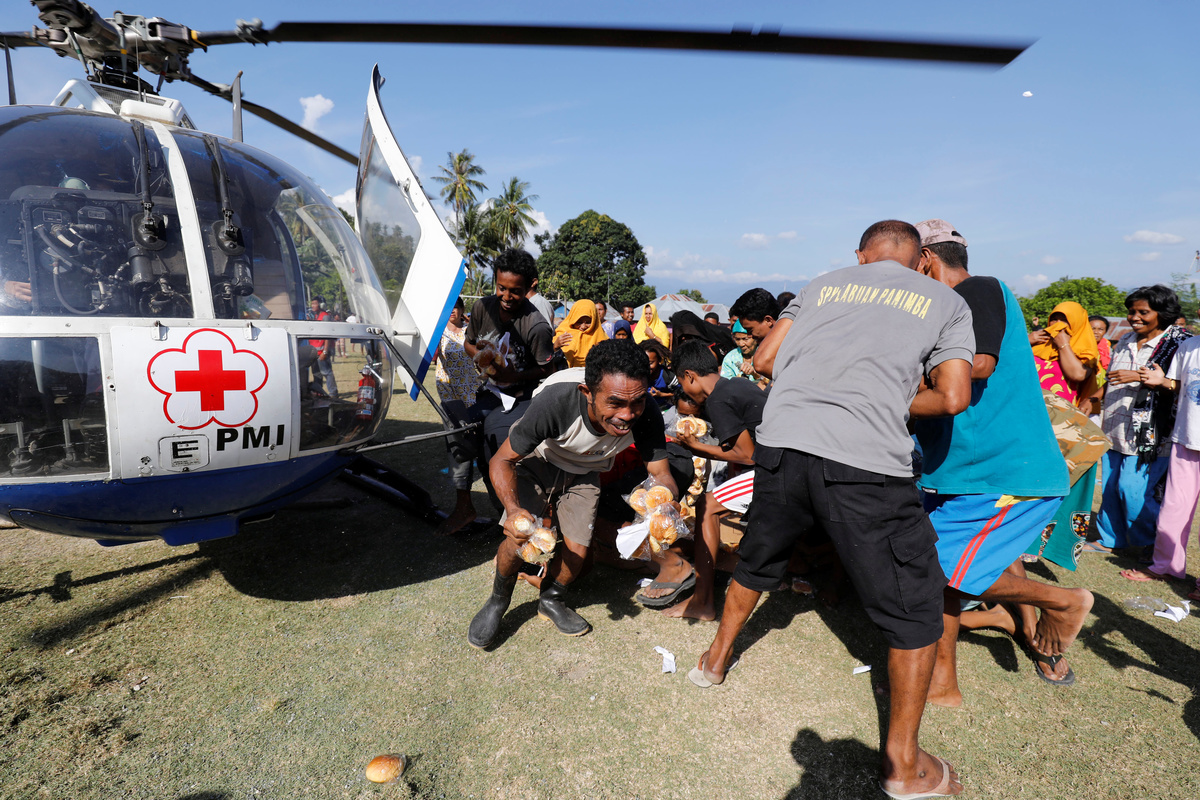
"This is the only thing I can do, otherwise I would go insane," he said, choking back tears. "If they stop, what can I do? There are four meters of soil here. I couldn't do it on my own."
'POLITICAL SENSITIVITIES'
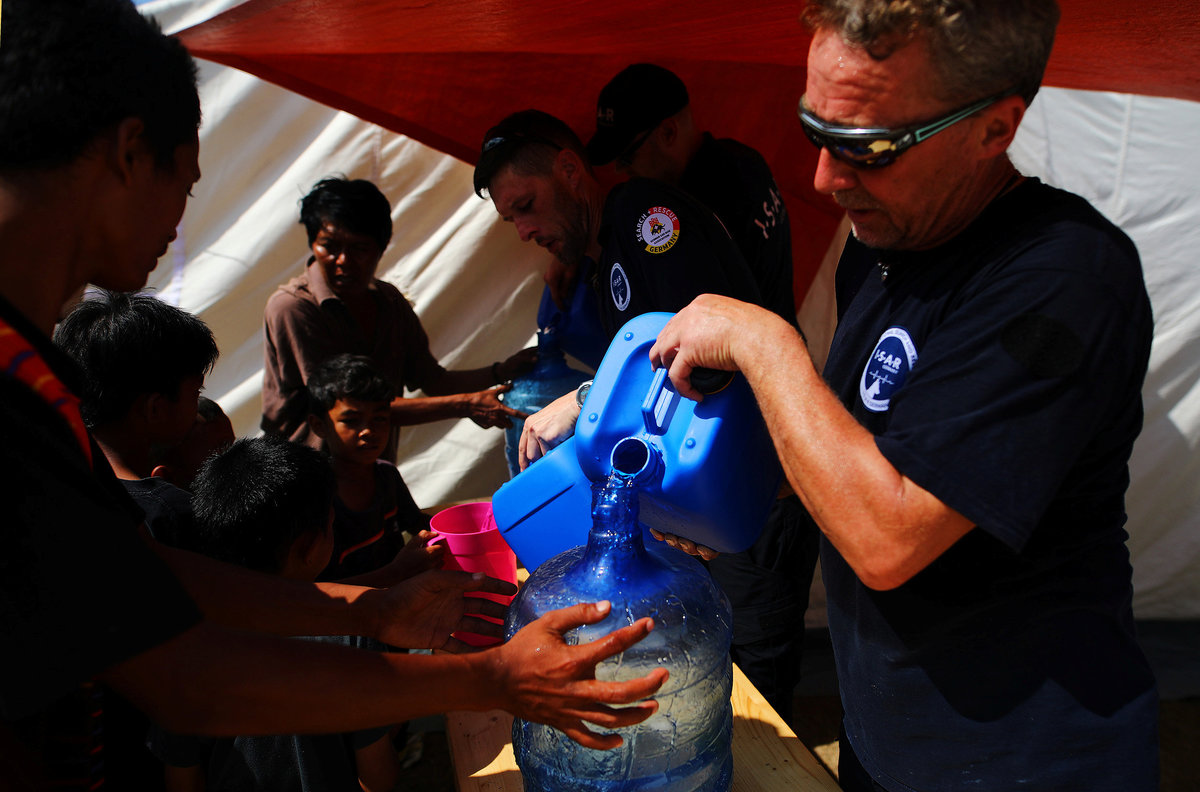
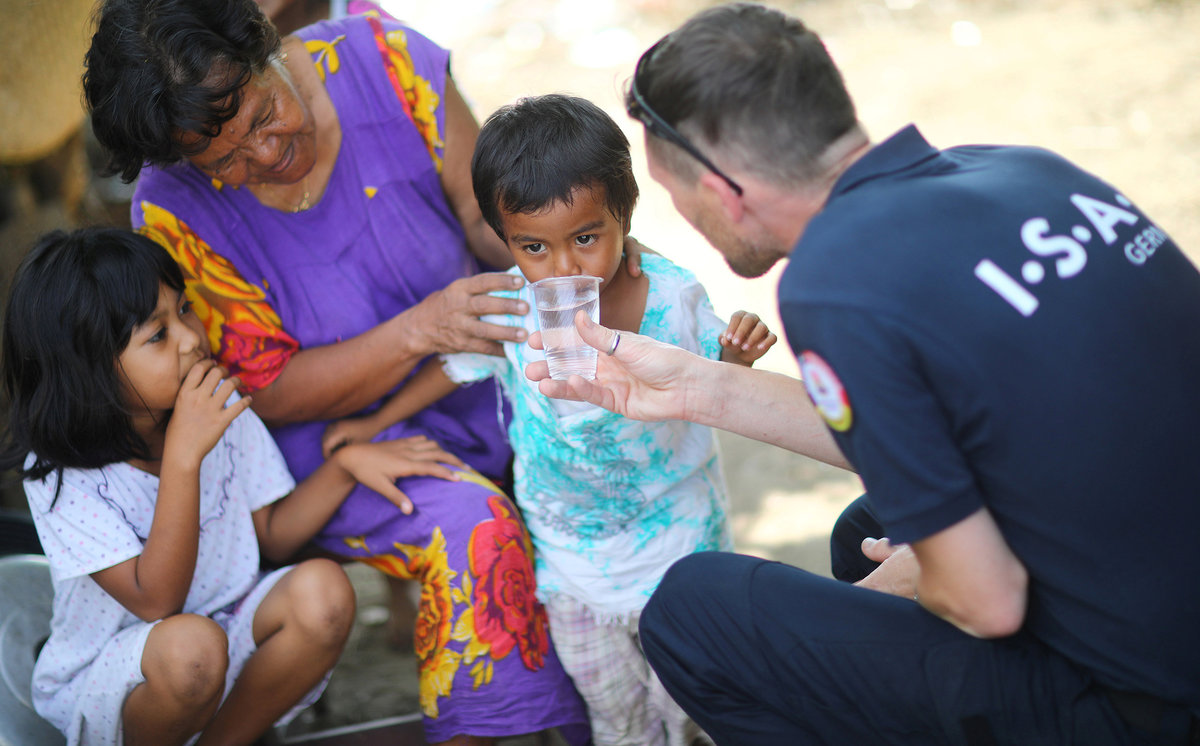
While Indonesian workers searched, the disaster agency ordered independent foreign aid workers to leave the quake zone.
Indonesia has traditionally been reluctant to be seen as relying on outside help to cope with disasters, and the government shunned foreign aid this year when earthquakes struck the island of Lombok.
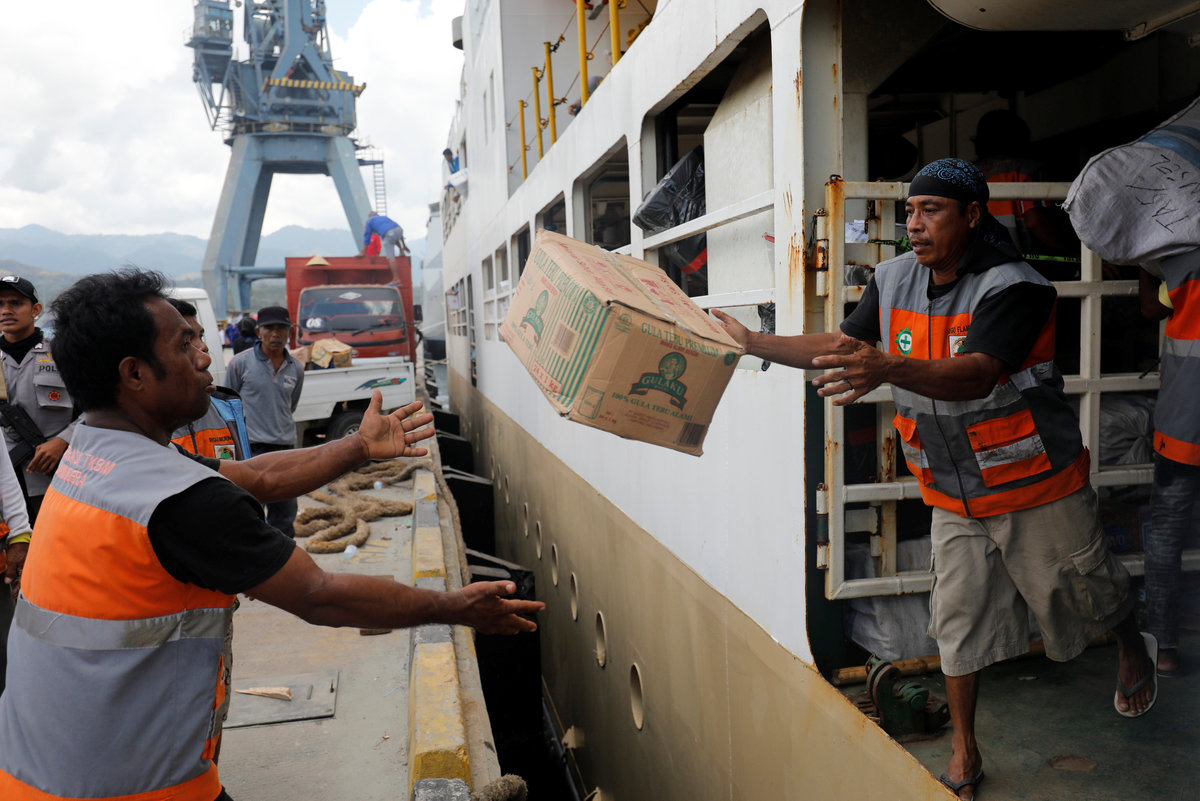
But it has accepted help from abroad to cope with the Sulawesi disaster.
The disaster agency, in a notice posted on Twitter, set the rules out for foreign non-governmental organizations (NGOs), saying they were not allowed to "go directly to the field" and could only work with "local partners".
"Foreign citizens who are working with foreign NGOs are not allowed to conduct any activity on the sites," it said, adding that foreign NGOs with people deployed should withdraw them immediately.
A few foreign aid workers have been in the disaster zone, including a team from the group Pompiers Humanitaires Francais that searched for survivors, but they have spoken of difficulties in getting entry permits and authorization.
"This is the first time we encountered such difficulty in actually getting to do our work," team leader Arnaud Allibert told Reuters, adding they were leaving on Wednesday as their help was no longer needed.
Indonesian governments are wary of being too open to outside help because they could face criticism from political opponents and there is particular resistance to the presence of foreign military personnel, as it could be seen as an infringement of sovereignty.
"There are political sensitivities, especially with an election coming up, and sovereignty is another issue," said Keith Loveard, a senior analyst with advisory and risk firm Concord Consulting, referring to polls due next year.
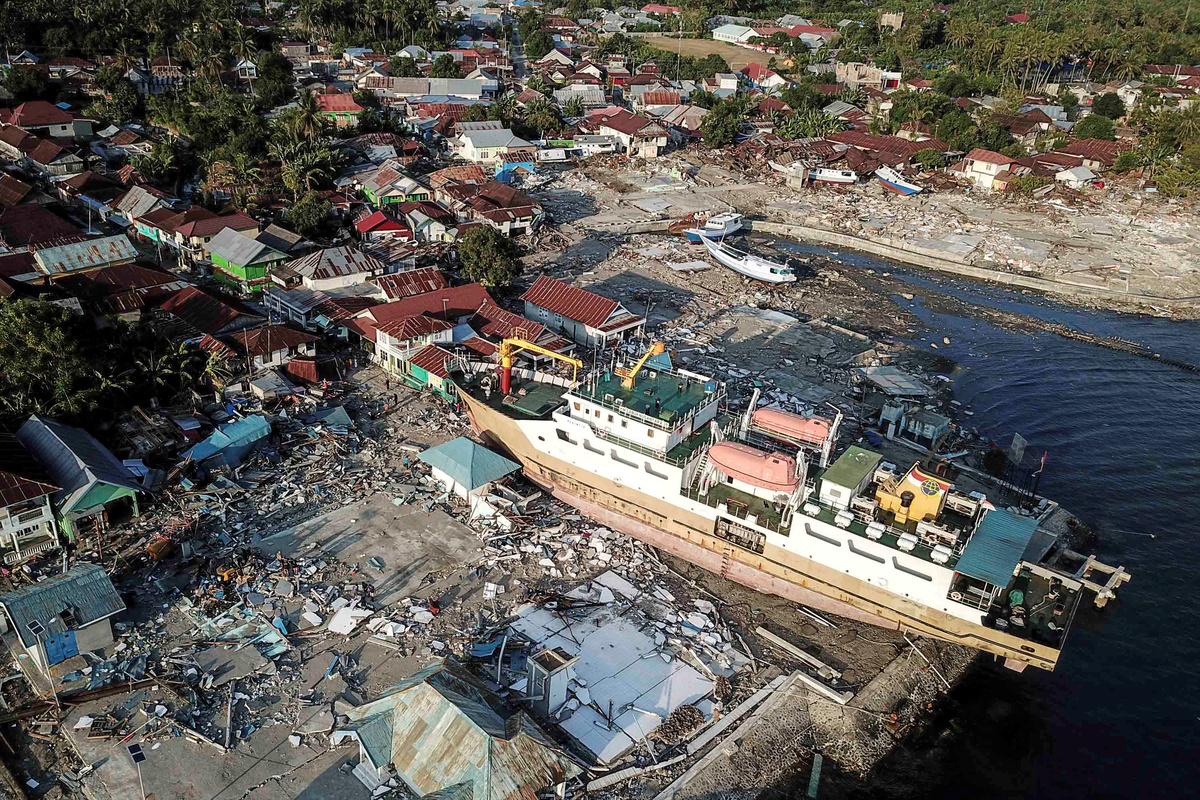
Sulawesi is one of Indonesia's five main islands. The archipelago sees frequent earthquakes and occasional tsunami.
In 2004, a quake off Sumatra island triggered a tsunami across the Indian Ocean that killed 226,000 people in 13 countries, including more than 120,000 in Indonesia.
Foreign governments and groups played a big role in aid efforts in 2004.
(Additional reporting by John Chalmers, Agustinus Beo Da Costa, and Tabita Diela in JAKARTA; Writing by Robert Birsel; Editing by Nick Macfie and Clarence Fernandez)