Remains of Indigenous people have been found on a popular holiday island with a violent colonial past.
Forensic testing of the bones, found by construction workers at a Catholic church on Rottnest Island on Wednesday, have confirmed their historical nature.
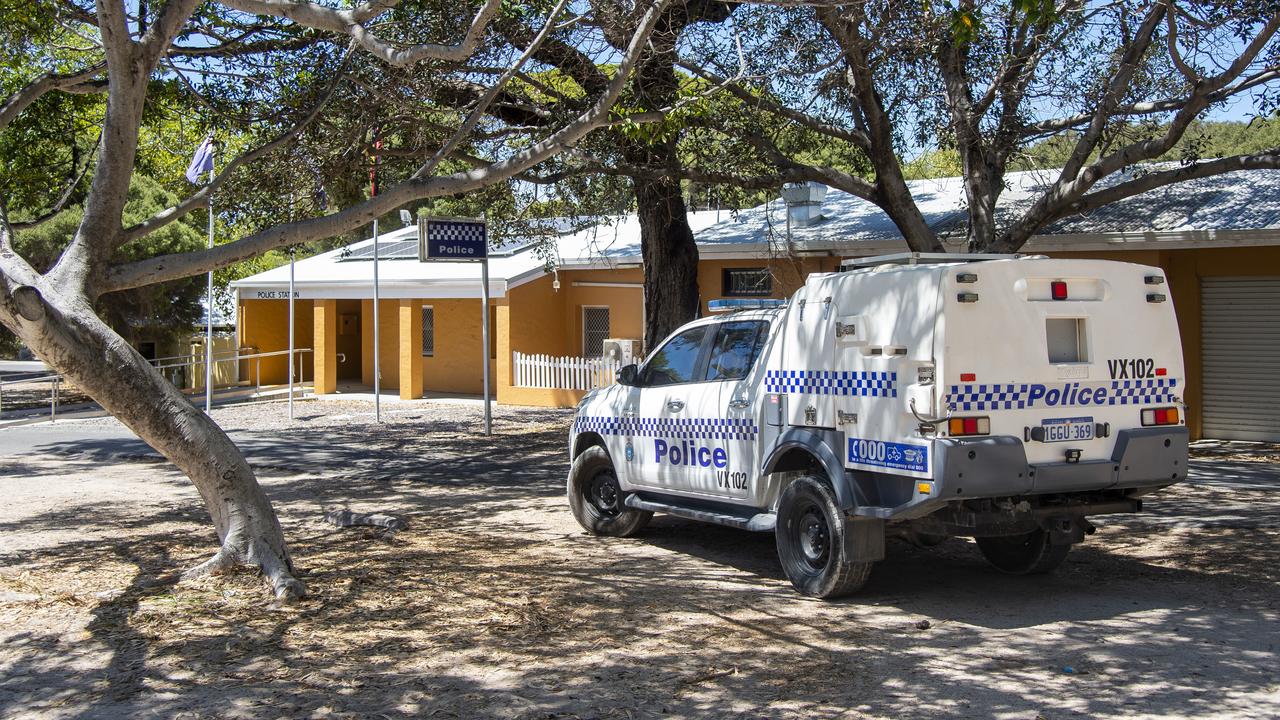
West Australian police opened a probe on Wadjemup, the island's Aboriginal name, accompanied by the state anthropologist.
Specialist advice indicates the remains are consistent with Indigenous ancestry, police confirmed to AAP.
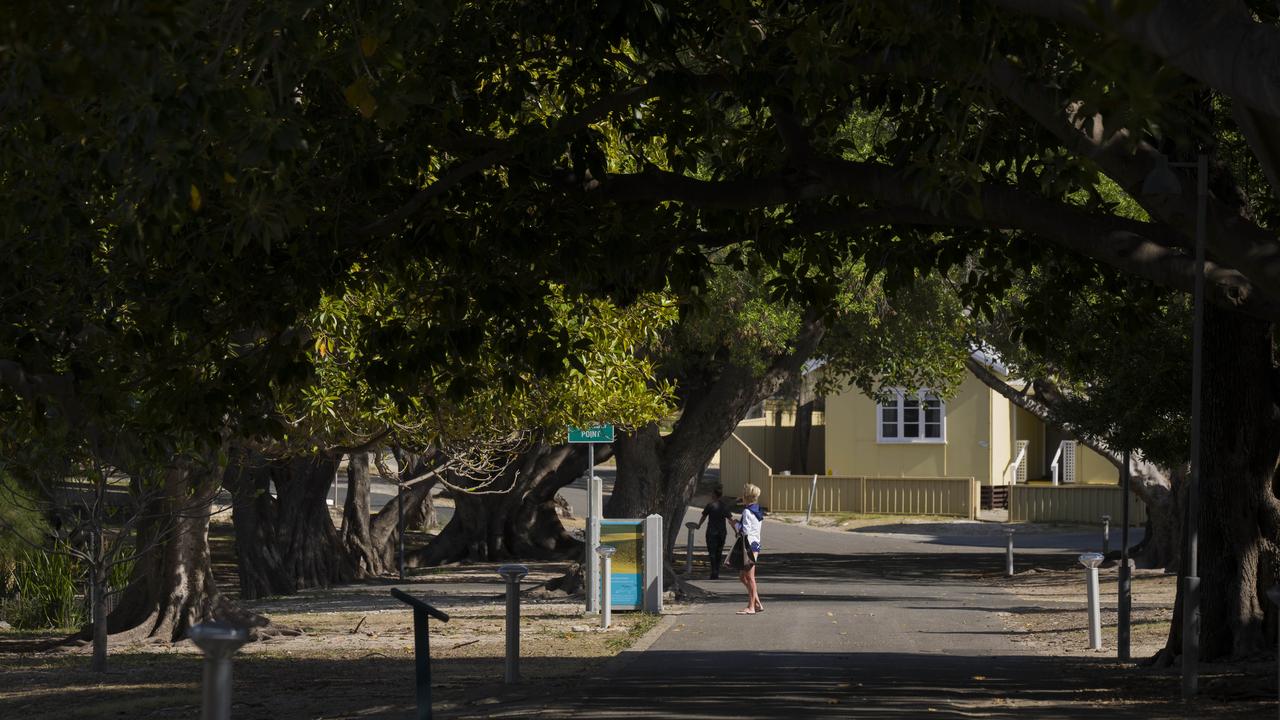
The island, located 19km off the coast from Fremantle, is home to the quokka, a small wallaby-like marsupial.
It is also one of WA's most popular holiday spots.
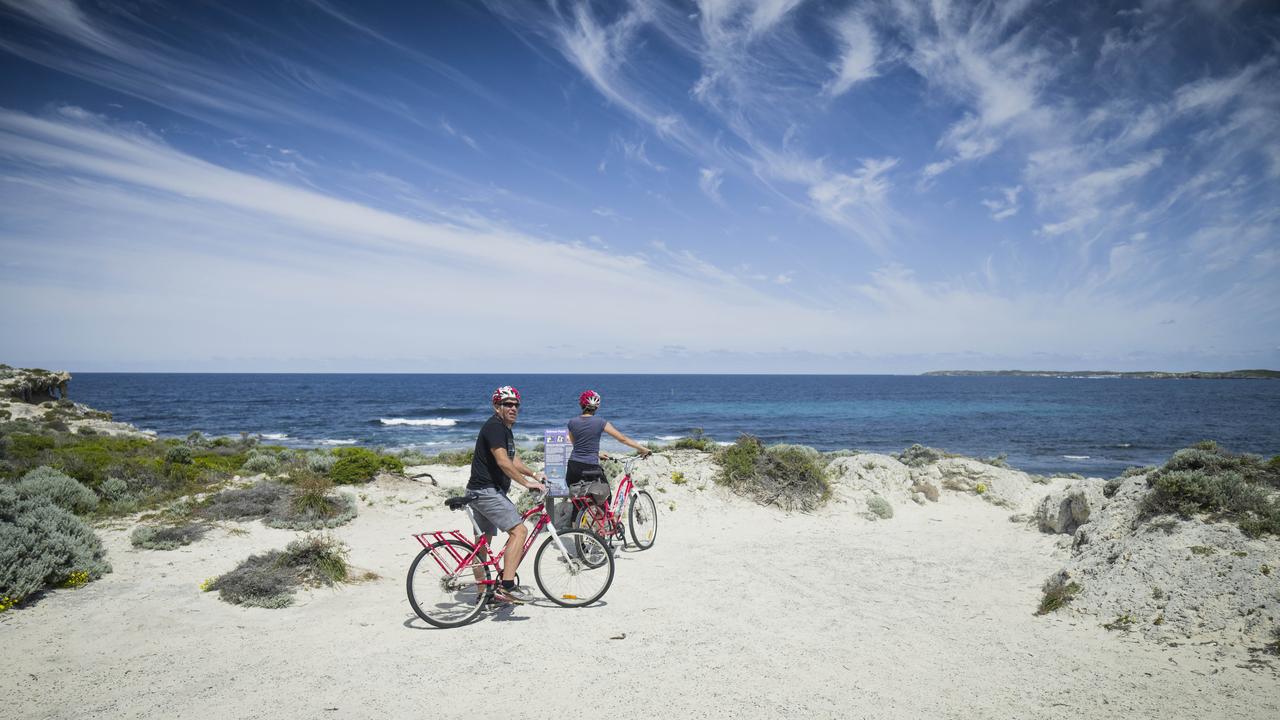
Measuring 11km long by 4.5km wide, the island is lined with white-sand beaches, shipwrecks and secluded bays where holiday makers sunbake and snorkel.
But it also has a dark history.
WA state records indicate 3700 Aboriginal men and boys were imprisoned there between 1838 and 1931, according to the Rottnest Island Authority.
Many were leaders, lore men and warriors, and the removal from their communities had lasting effects.
Living conditions were brutal on the island.
Overcrowding and a lack of sanitation and nutrition, extreme weather, and physical and psychological abuse contributed to hundreds of deaths.
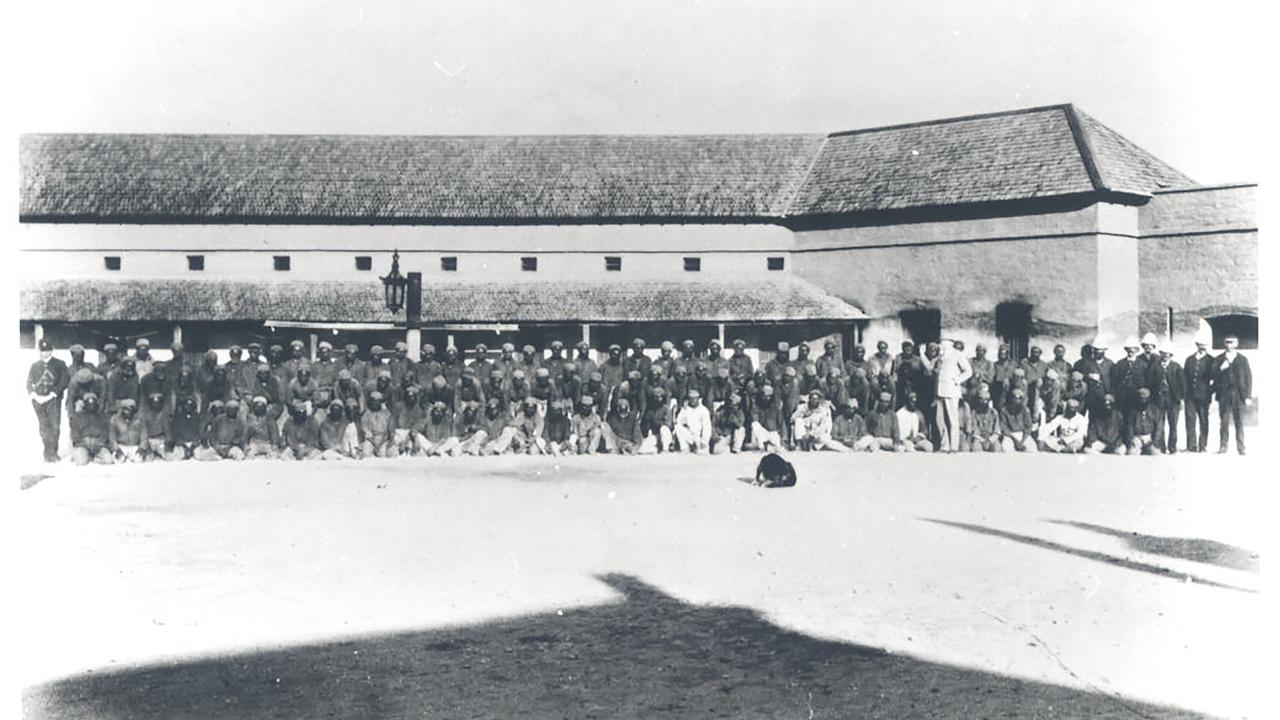
Most were buried in unmarked graves on the island.
After the prison closed, one of Australia's largest Aboriginal burial grounds was largely forgotten about, the island authority said.
The island became a holiday resort and the area where the Aboriginal burial ground lay became a budget camping ground known as Tentland.
The Whadjuk Aboriginal Corporation and the Rottnest Island Authority are assuming ongoing management of the matter.