The prominent Indigenous leader Patrick Dodson and the tax lawyer Mark Leibler will oversee efforts to secure a successful referendum to recognise Aboriginal and Torres Strait Islander people in Australia’s constitution.
The co-chairs of the Referendum Council will be joined by 14 members in providing advice to the country’s political leaders on how to build momentum for a proposal to secure adequate support in a national vote, provisionally earmarked for 2017.
The prime minister, Malcolm Turnbull, and the opposition leader, Bill Shorten, were due to jointly announce the full membership of the council on Monday.
Dodson and Leibler have previously served together as co-chairs on the expert panel on constitutional recognition established by the former Labor government.
The other members of the Referendum Council will include the health advocate Pat Anderson; the law professor Megan Davis; the former AFL chief Andrew Demetriou; the former high court justice Murray Gleeson; the Aboriginal and Torres Strait Islander Social Justice Commissioner Mick Gooda; the Recognise joint campaign director Tanya Hosch; the former BHP executive Jane McAloon; the lawyer Michael Rose; the Cape York leader Noel Pearson; the former Torres Shire Council chief executive officer Dalassa Yorkston; and the former Australian of the Year Galarrwuy Yunupingu.
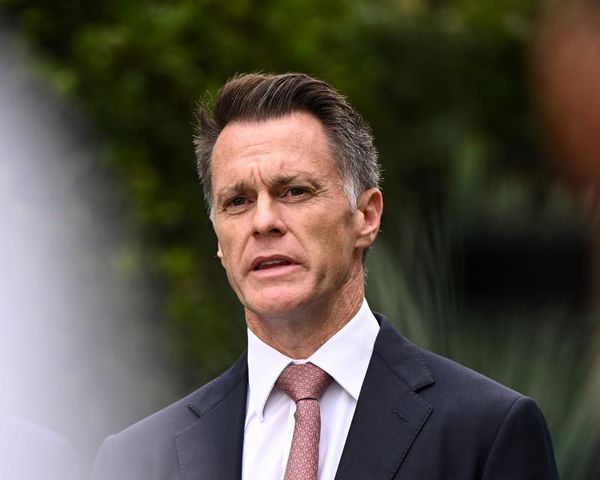
The remaining appointees are the former New South Wales Labor premier Kristina Keneally; the former Liberal minister Amanda Vanstone; and Australia’s ambassador for women and girls and the former leader of the Democrats, Natasha Stott Despoja.
They been asked to advise Turnbull and Shorten “on progress and next steps towards a successful referendum to recognise Aboriginal and Torres Strait Islander peoples in the constitution”.
Shorten said constitutional recognition was “an overdue act of justice” and he would do everything he could to make it a reality.
“We need change that goes beyond symbolism or poetry. Recognition can’t just be a nod to good intentions, it needs to be meaningful,” he said.
“Above all, it must be shaped by the empowered voices of the First Australians.”
In 2012, the previous expert panel recommended the removal of a section of the constitution that allowed states to disqualify someone from voting on racial grounds; the insertion of a section recognising Australia was first occupied by Aboriginal and Torres Strait Islander peoples; and the creation of a prohibition of racial discrimination.
Earlier this year, the then prime minister Tony Abbott set a 2017 target for the referendum to occur, but said the challenge was to find a form of wording that was worth pursuing and also achievable.
The treatment of racial discrimination within the constitution appeared to be the main sticking point at a summit in Sydney in July.
The Indigenous Liberal MP Ken Wyatt, who headed a parliamentary committee into constitutional recognition, has previously said the insertion of such clauses could be seen as acting as a de facto bill of rights.
“Australia’s not ready for that,” Wyatt told Guardian Australia in late September.
The Recognise campaign, which has been seeking to build momentum on constitutional change, last month called on Turnbull and Shorten to quickly agree on the Referendum Council’s membership because the “surge of awareness and support can’t be taken for granted”.