Almost half of the children in 'last resort' alternative care arrangements in NSW are Indigenous, including a 12-year-old boy who's spent more than 300 days in a serviced apartment.
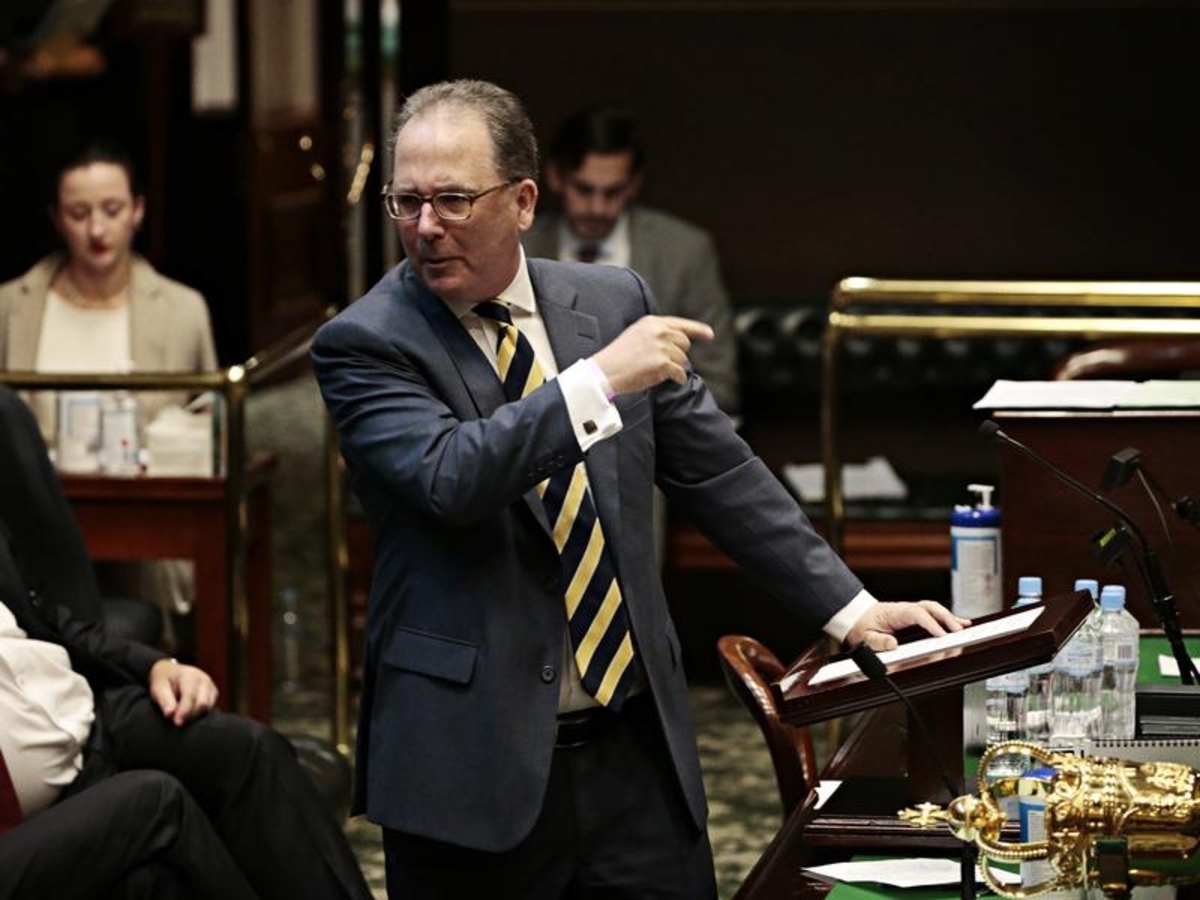
The boy's situation was revealed at a state parliamentary hearing on Friday, drawing criticism from committee member and Greens MP David Shoebridge.
Mr Shoebridge said he "can't understand" how the child - who's still in the flat - has spent close to a year living like that without a permanent carer or parental figure.
The Families, Communities and Disability Services Minister Alister Henskens was in breach of the duty of care he had "over that young person's welfare", he said during the budget estimates hearing on Friday.
Mr Henskens said he shared those concerns and it was an issue he had prioritised during his "relatively short" time in the job that he began in May.
He said he had weekly meetings with the department executives, receiving briefings on "strategies to exit the longer-term children out of alternative care arrangements".
Department Deputy Secretary of Child Protection and Permanency Simone Czech said it was "clearly unacceptable" that the child had spent more than 300 days in alternative care arrangements.
She said "one day is too long" and alternative care arrangements were only used "in emergency circumstances and absolutely as a last option".
The child "has some quite complex needs" and plans for him to return home had recently changed and delayed his exit, Ms Czech said.
As of earlier this month, there were 91 children in alternative care arrangements in NSW and 47 per cent were Indigenous.
Mr Shoebridge asked for a cost breakdown of how much of the government's budget was spent on early intervention and on removing children from their families.
Mr Henskens said he would take the question on notice.
"Pretty much everybody in this space wants to know how much has been spent on removing kids and how much has been spent on supporting families ... and we're at budget estimates and we don't seem to have that most basic data," Mr Shoebridge said.
He said the "grossly disproportionate" rate of Indigenous children being placed in out-of-home care was a "damning indictment on the system".
The rate of Indigenous children being removed from their families was "too high" and "unacceptable" Mr Henskens agreed.
The government is in the process of implementing 94 of 125 recommendations from a 2019 independent review of Aboriginal children and young people in out-of-home care.
Mr Henskens hopes this will start to deliver "positive impacts" and be reflected in the data.
But it was "certainly going to be a huge challenge" to meet a commitment to transition all Aboriginal children in out-of-home care to Aboriginal community-controlled organisations by next year.