For decades, India's telecom wars have been fought over spectrum auctions, mobile towers and data tariffs.
The next one could be fought on highways. Buried within a 263-page consultation paper titled the Regulatory Framework for Vehicle-to-Everything (V2X) Communication released by the Telecom Regulatory Authority of India (TRAI) is a question that extends far beyond connected cars and road safety: who will control the digital infrastructure of India's future mobility ecosystem?
Also Read: Telcos, businesses spar over calls, SMS consent regime
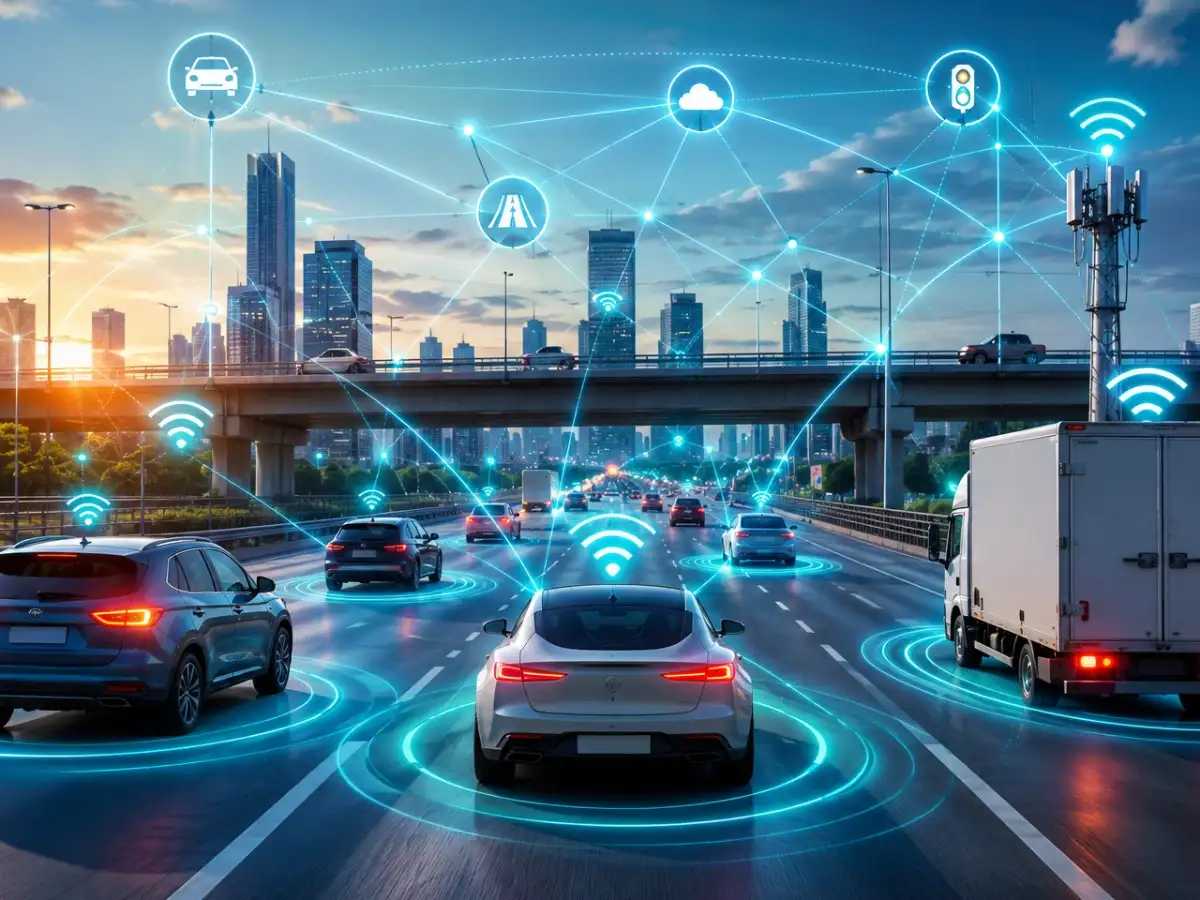
At the heart of the debate is Vehicle-to-Everything (V2X) technology, which allows vehicles to communicate with one another, roadside infrastructure, pedestrians, emergency services and communication networks in real time.
While the immediate goal is safer and more efficient transportation, the long-term implications are much broader.
The government's preferred approach, Cellular Vehicle-to-Everything (C-V2X), relies on the same cellular technologies that underpin modern telecom networks. As vehicles become connected endpoints and highways increasingly incorporate communication infrastructure, mobility itself begins to resemble a digital network.
While currently only a consultation proposal, the measure could ultimately redefine traditional industry boundaries.