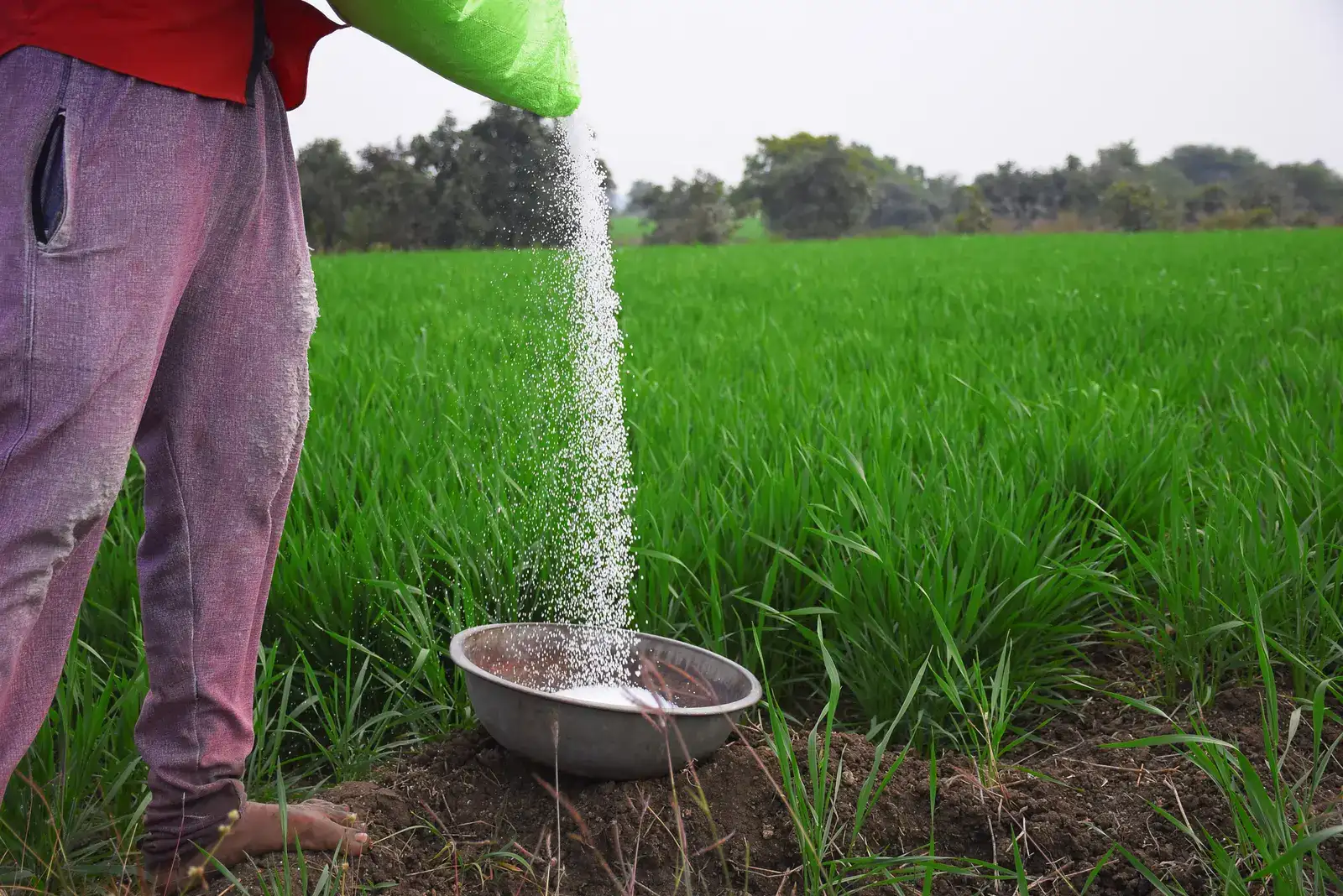
India’s agriculture sector is heading into a challenging season. Concerns over a potentially weak monsoon, the possible impact of El Niño, geopolitical tensions in West Asia, and rising input costs have reignited a longstanding debate over the sustainability of India’s fertiliser subsidy regime. against this backdrop, agricultural economist Ashok Gulati argues that the current system has become fiscally burdensome, heavily dependent on imports, and environmentally damaging, making comprehensive reform increasingly unavoidable.
India budgeted around Rs 1.71 lakh crore for fertiliser subsidies, but escalating global fertiliser and energy prices could push the bill far higher. Gulati tells The Economic Times Digital in a wide-ranging interview that the subsidy burden could potentially approach over Rs 3 lakh crore if international prices remain elevated.
India imports significant quantities of urea. It also depends heavily on imported natural gas for domestic production. While imported urea has recently been quoted at prices exceeding $900 per tonne, farmers still receive it at highly subsidised rates that have remained virtually unchanged for over 15 years.
Watch full podcast with Ashok Gulati here




.png?w=600)