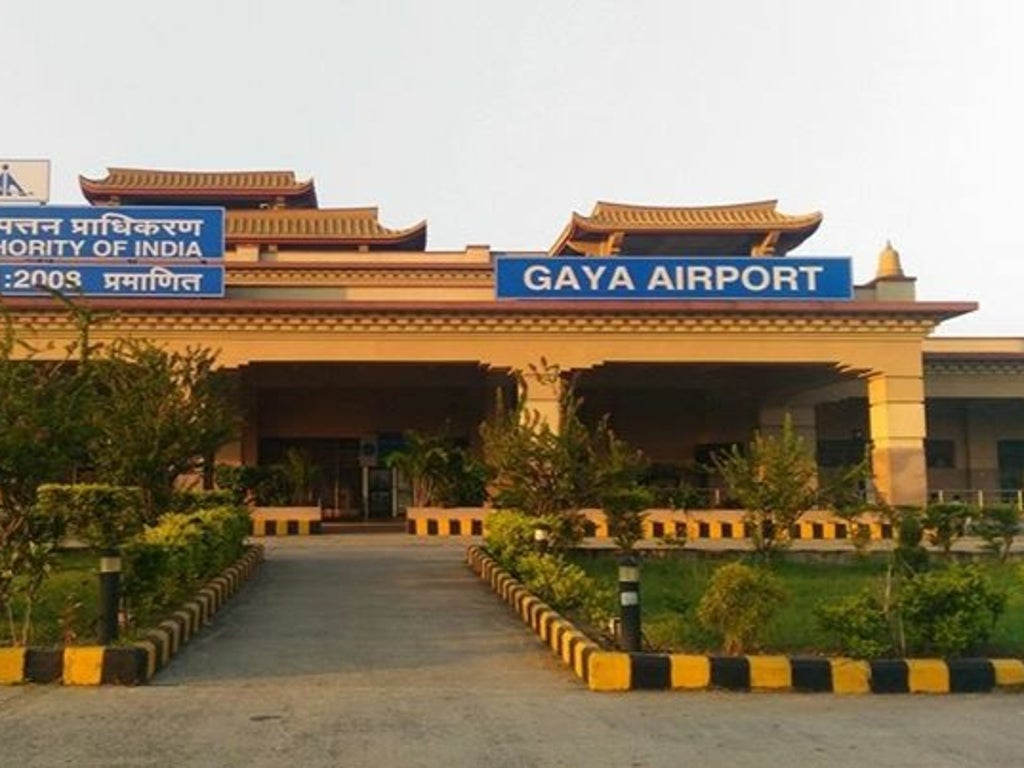
The code name “GAY”, assigned to an airport in India, has been branded “offensive, embarrassing and inappropriate” in a new Parliamentary panel report.
India’s Committee on Public Undertakings recommended that the government make every effort to get the code for Gaya airport, located in the northeast state of Bihar, changed, suggesting the code “YAG” would be more “appropriate”.
The panel cited Gaya’s status as a “holy” city as the primary reason the airport code should be altered.
“The Committee have their apprehension that Gaya being a holy city, locals might be finding it offensive or embarrassing on their city being recognised in the international community with the code name ‘GAY'’” said the panel, reports The Hindu.
“The Committee too finds it inappropriate and unsuitable.”
The panel requested that the government and flag carrier Air India look into getting the name changed “in a time-bound manner”.
However, any amendment to the code is at the discretion of the International Air Transport Association (Iata), which assigns two-character codes for airlines and three-character ones for airports worldwide.
Each must be unique to ensure easy identification.
Codes might be assigned based on the name of the airport, name of the city or another distinguishing characteristic.
“Iata codes are an integral part of the travel industry, and essential for the identification of an airline, its destinations, and its traffic documents. They are also fundamental to the smooth running of hundreds of electronic applications which have been built around these coding systems for passenger and cargo traffic purposes,” an Iata spokesperson previously told Condé Nast Traveler.
Codes are generally set in stone; India’s Ministry of Civil Aviation said after consulting the association: “Iata stated that location codes are considered permanent and cannot be changed without strong justification primarily concerning air safety.”
It is therefore unlikely that the code will be amended in this case, although that hasn’t stopped the panel urging the government to pursue the matter further.