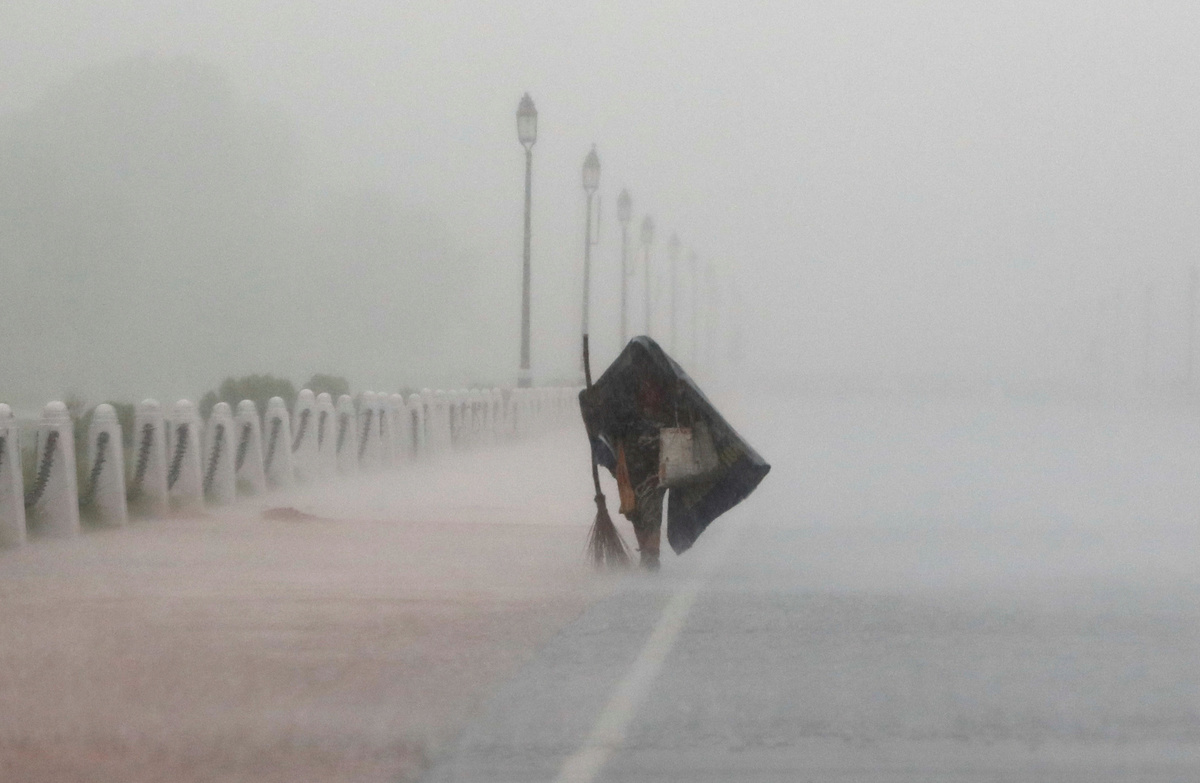
India's monsoon rains in 2020 were above average for the second year in a row, the first time that has happened in more than six decades, weather department officials said on Wednesday.
The 9% above-average rainfall replenished reservoirs and built up ground water, helping assuage water shortages in pockets of the country of 1.3 billion people.

Heavy downpours damaged some summer-sown crops that are close to being harvested such as cotton, pulses, rice, soybeans though the rains will also help farmers plant more winter-sown crops like chickpeas, rapeseed, rice and wheat.
"Rarely we get above average rainfall for two straight years. It happened earlier in 1958 and 1959," said a senior official with the India Meteorological Department (IMD), who declined to be named.
Analysts said bumper winter-sown crops should improve earnings for farmers down the line and help revive rural demand hit badly by the coronavirus pandemic.
Farming accounts for about 15% of India's $2.9 trillion economy but employs more than half of its population.
The monsoon delivers about 70% of India's annual rainfall and determines the yield of crops such as rice, wheat, sugarcane and oilseeds.
Farmers are likely to expand areas planted with winter-sown crops due to the ample soil moisture and an increase in the price the government pays for some crops, said Subhranil Dey, senior research analyst at commodity brokerage SMC Comtrade Ltd in New Delhi.
"We can expect bumper production of winter crops and the government could be forced to buy more than normal," Dey said.
India's monsoon generally begins in June and starts to retreat from northwestern parts of the country by Sept. 17, but this year it only began to withdraw on Sept. 28, the IMD said earlier this week.
Water levels in India's main reservoirs were at 93% of their storage capacity as of Sept. 24 above the 10-year average of 79%, government data shows.
(Reporting by Rajendra Jadhav; Editing by David Clarke)


.png?w=600)