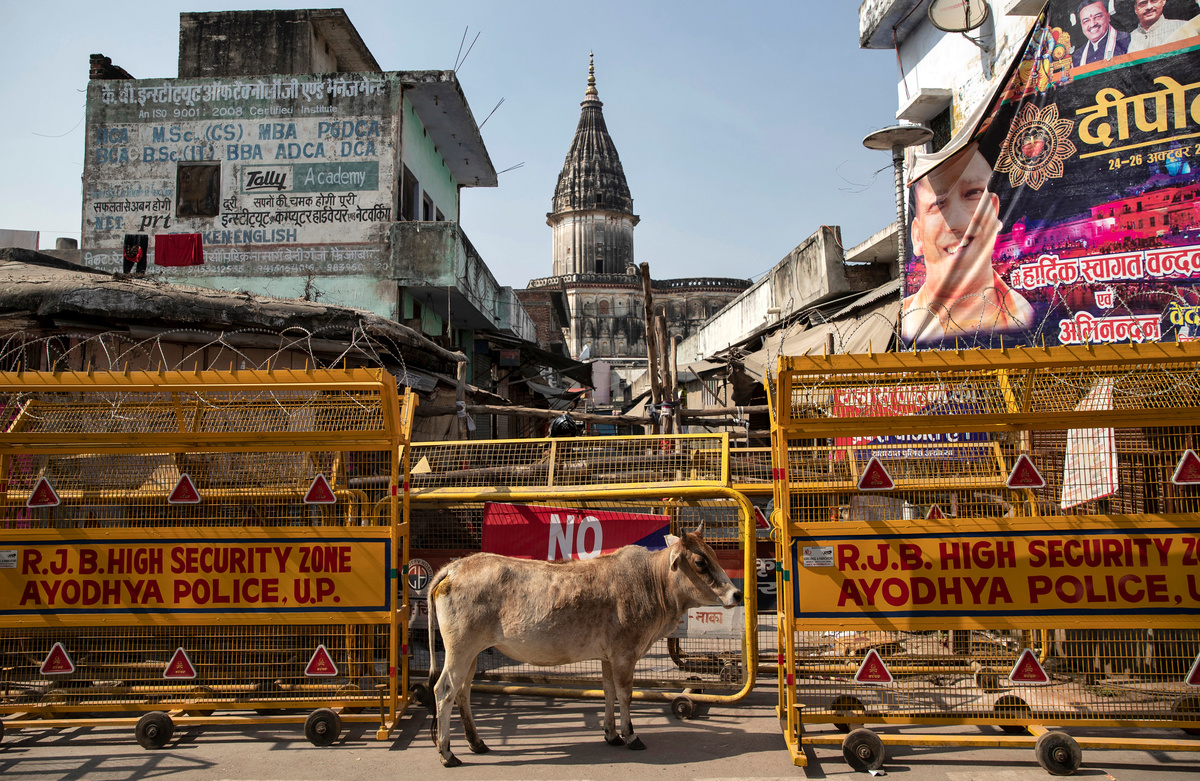
NEW DELHI/AYODHYA, India (Reuters) - India's Supreme Court on Saturday awarded a bitterly contested religious site to Hindus, dealing a defeat to Muslims who also claim the land that has sparked some of the country's bloodiest riots since independence.
The ruling in the dispute between Hindu and Muslim groups paves the way for the construction of a Hindu temple on the site in the northern town of Ayodhya, a proposal long supported by Prime Minister Narendra Modi's ruling Hindu-nationalist party.
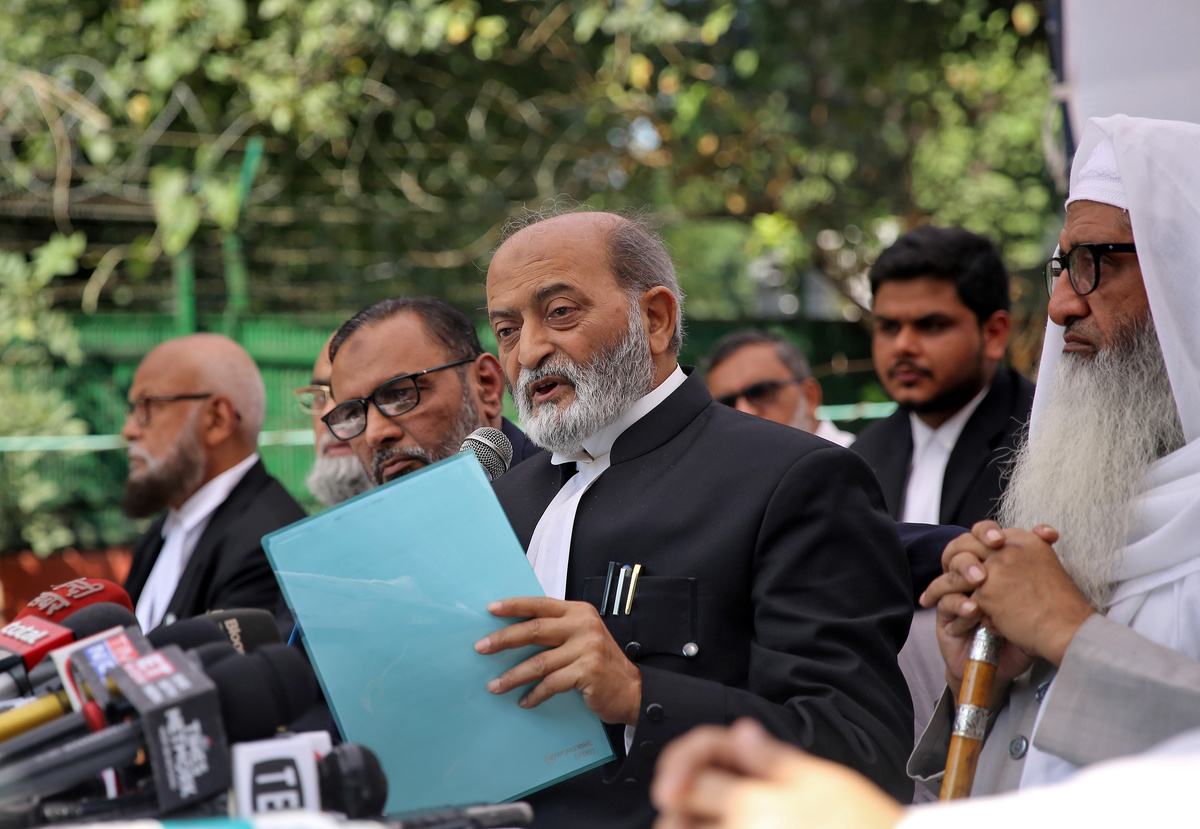
Saturday's judgment, which is likely to be viewed as a win for Modi's Bharatiya Janata Party (BJP) and its backers, was criticised as unfair by a lawyer for the Muslim group involved in the case.
However, the group's leader said ultimately it would accept the verdict and called for peace between India's majority Hindus and Muslims, who constitute 14% of its 1.3 billion people.
In 1992, a Hindu mob destroyed the 16th-century Babri Mosque on the site, triggering riots in which about 2,000 people, most of them Muslims, were killed across the country.

Court battles over the ownership of the site followed.
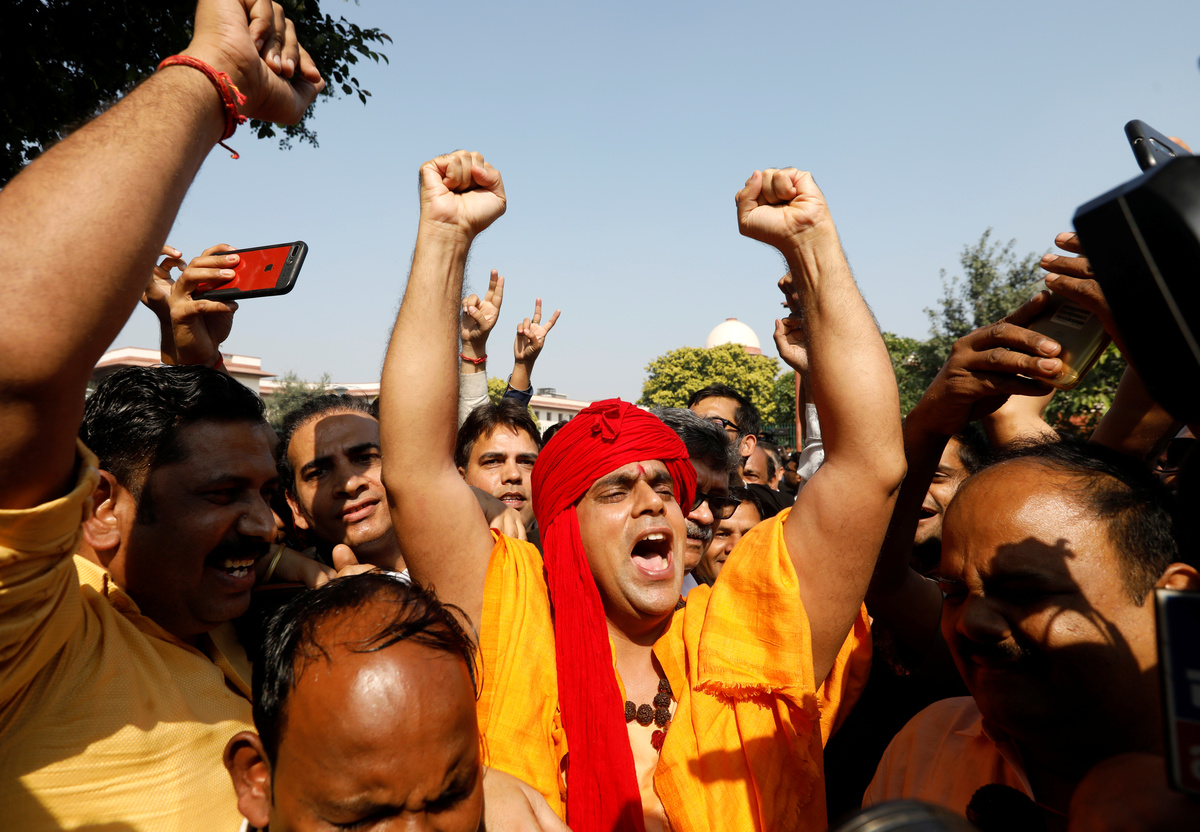
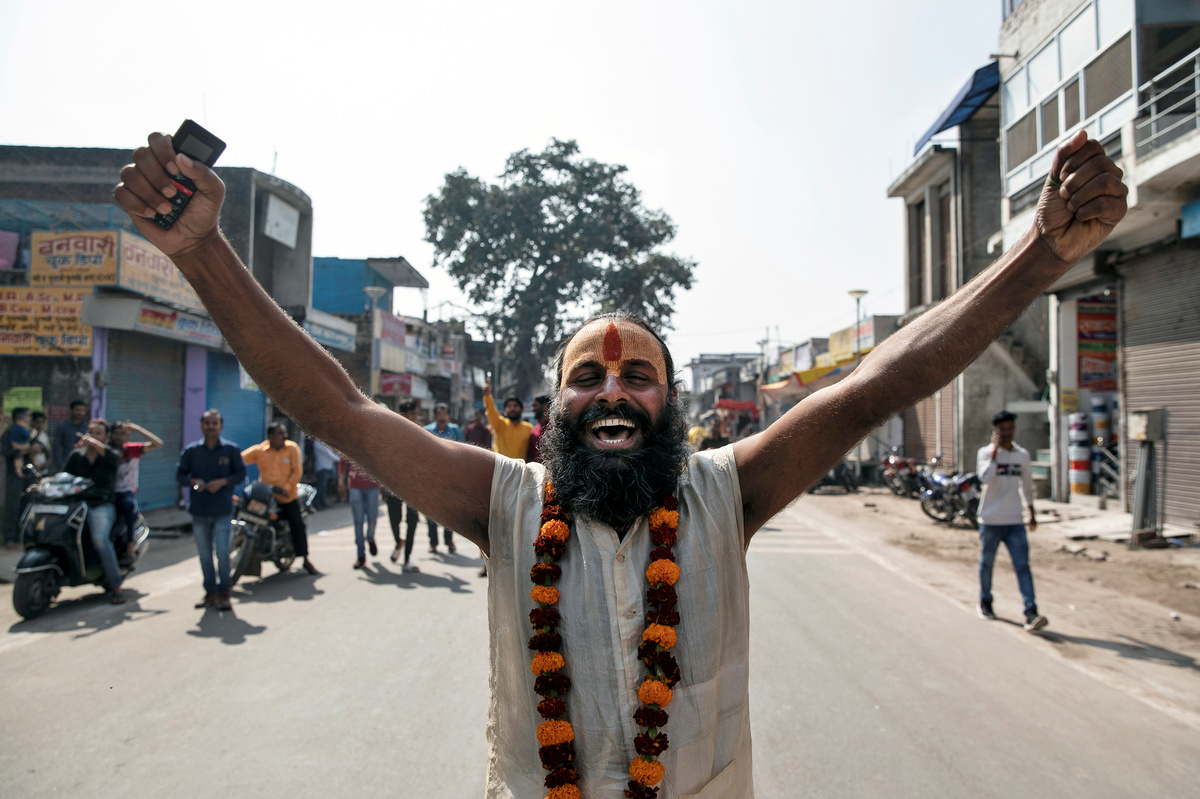
JUBILANT HINDUS CELEBRATE
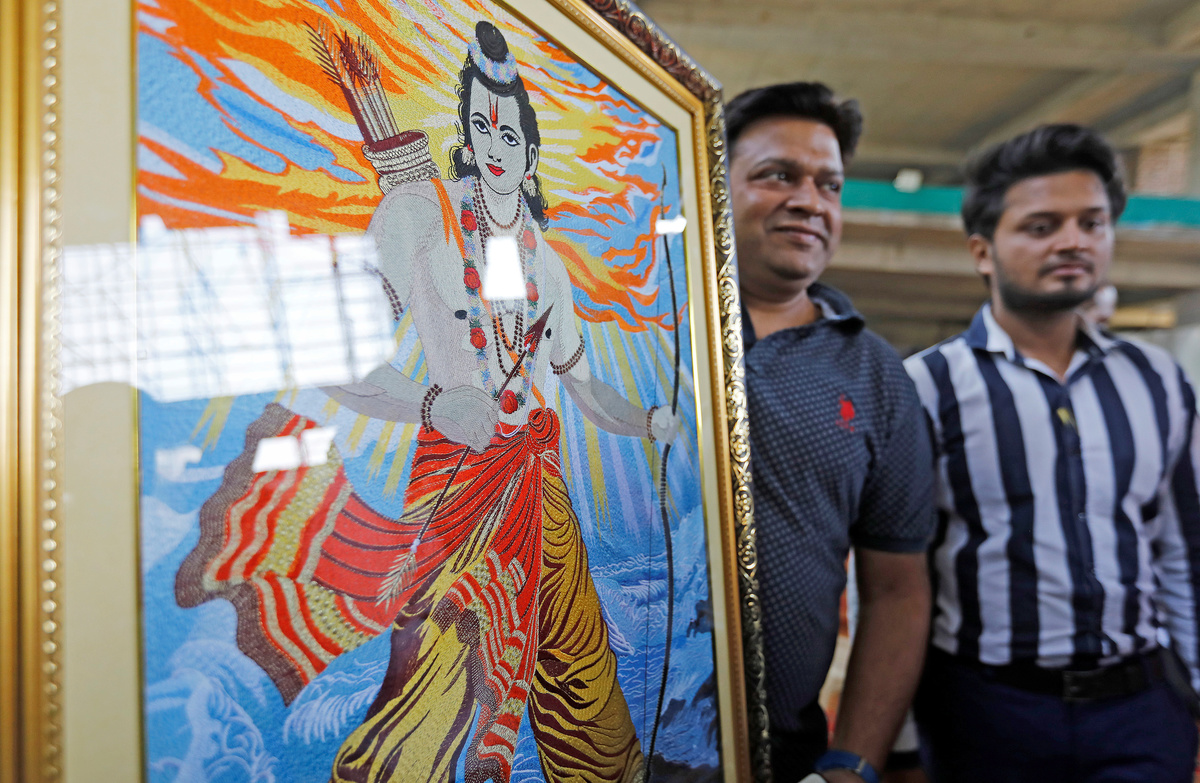
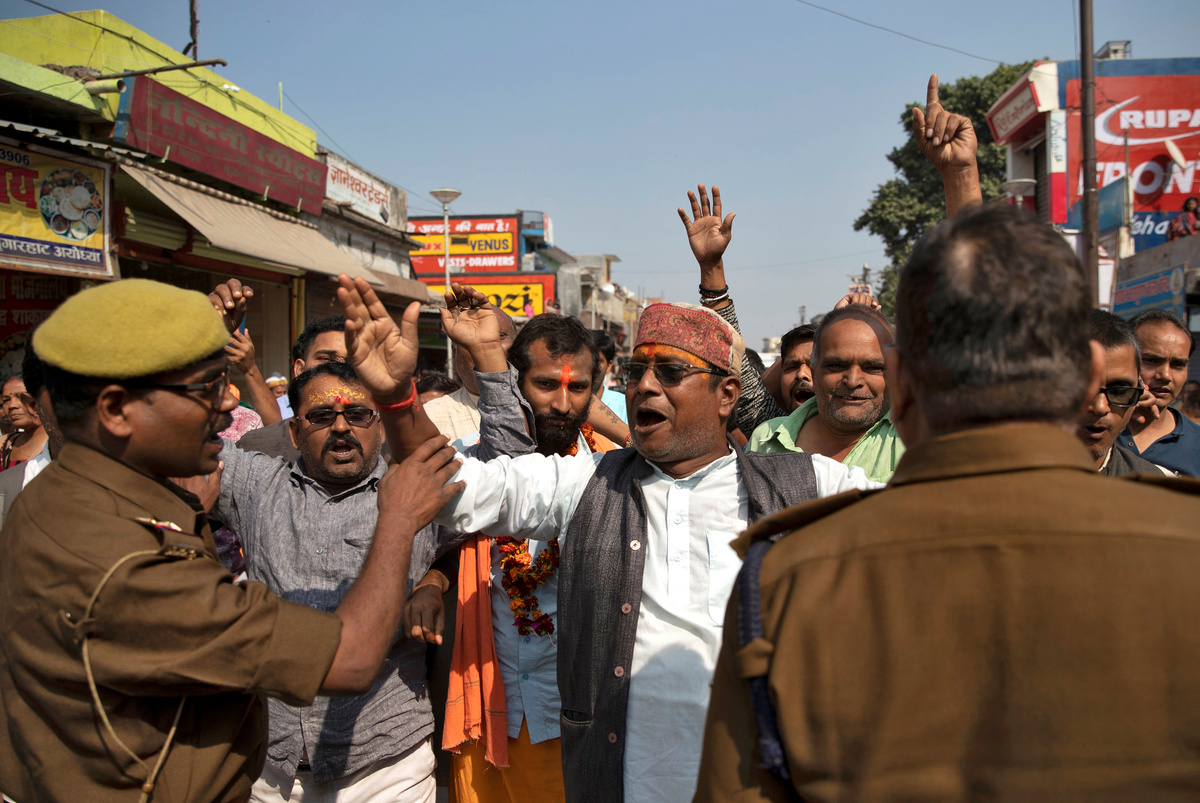
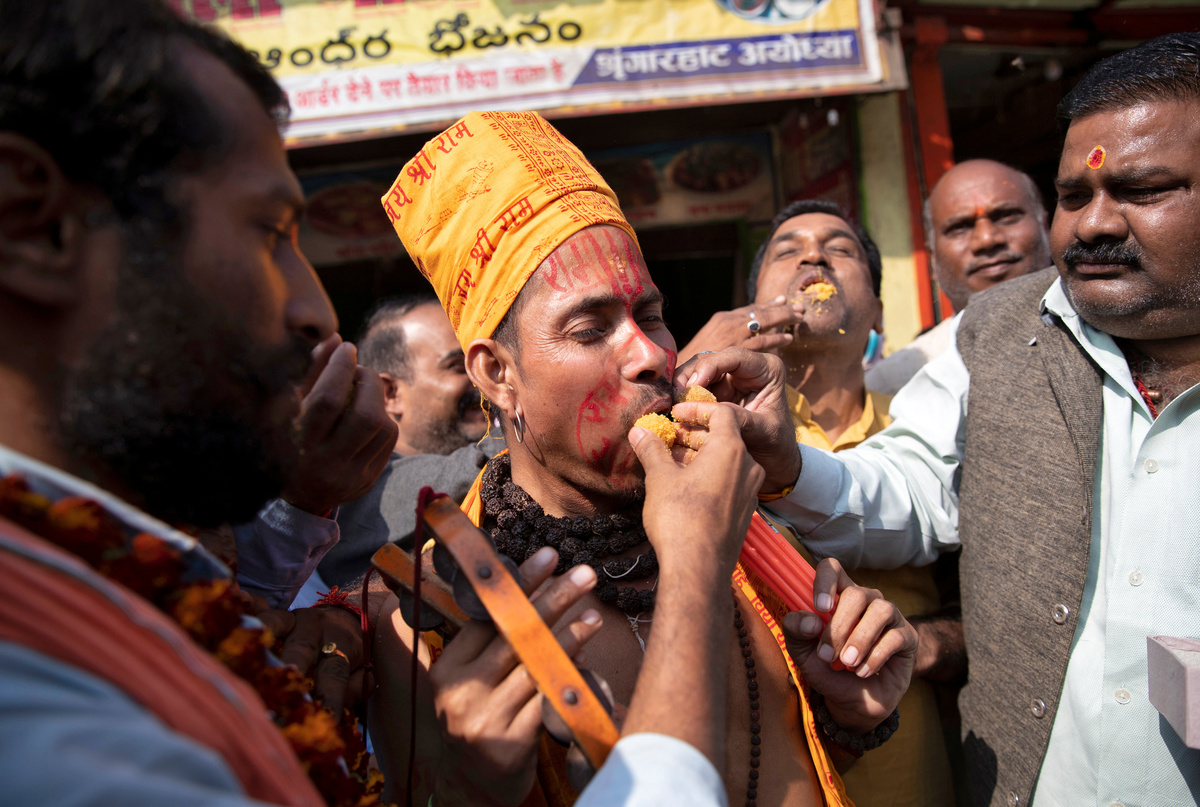
Jubilant Hindus, who have long campaigned for a temple to be built on the mosque's ruins, cheered and set off fire crackers in Ayodhya after the court decision was announced.
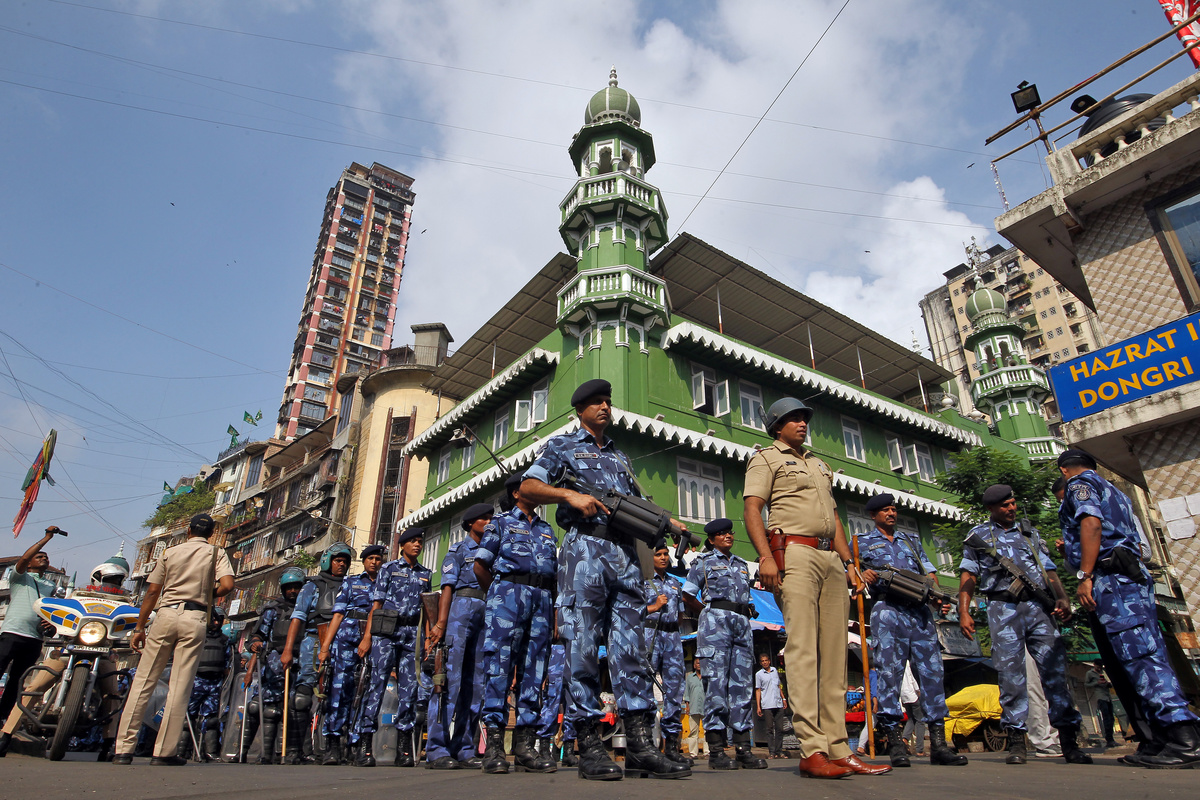
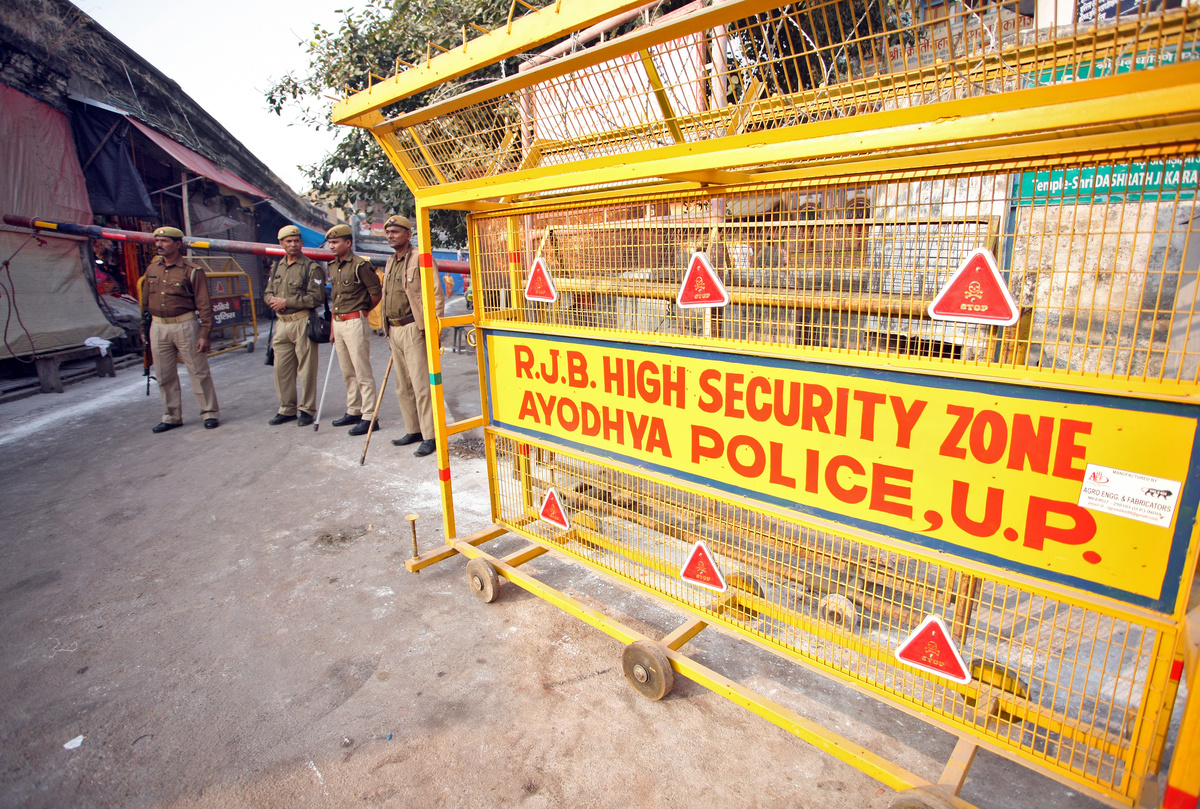
Thousands of paramilitary force members and police were deployed in Ayodhya and other sensitive areas across India, but there were no immediate reports of unrest.
"Today's Supreme Court decision has given the nation the message that even the most difficult of all problems falls within the ambit of the constitution and within the boundaries of the judicial system," Modi said in a televised address on Saturday evening, calling for "a new India" free of hatred.
He had earlier tweeted that the verdict should not be seen as "a win or loss for anybody."
The ruling comes months after his government stripped the Muslim-majority Jammu and Kashmir region of its special status as a state, delivering on an election promise to its largely Hindu support base.
Neelanjan Sircar, an assistant professor at Ashoka University near New Delhi, said the verdict would benefit the BJP, which won re-election in May, but a slowing economy would ultimately take centre stage for voters.
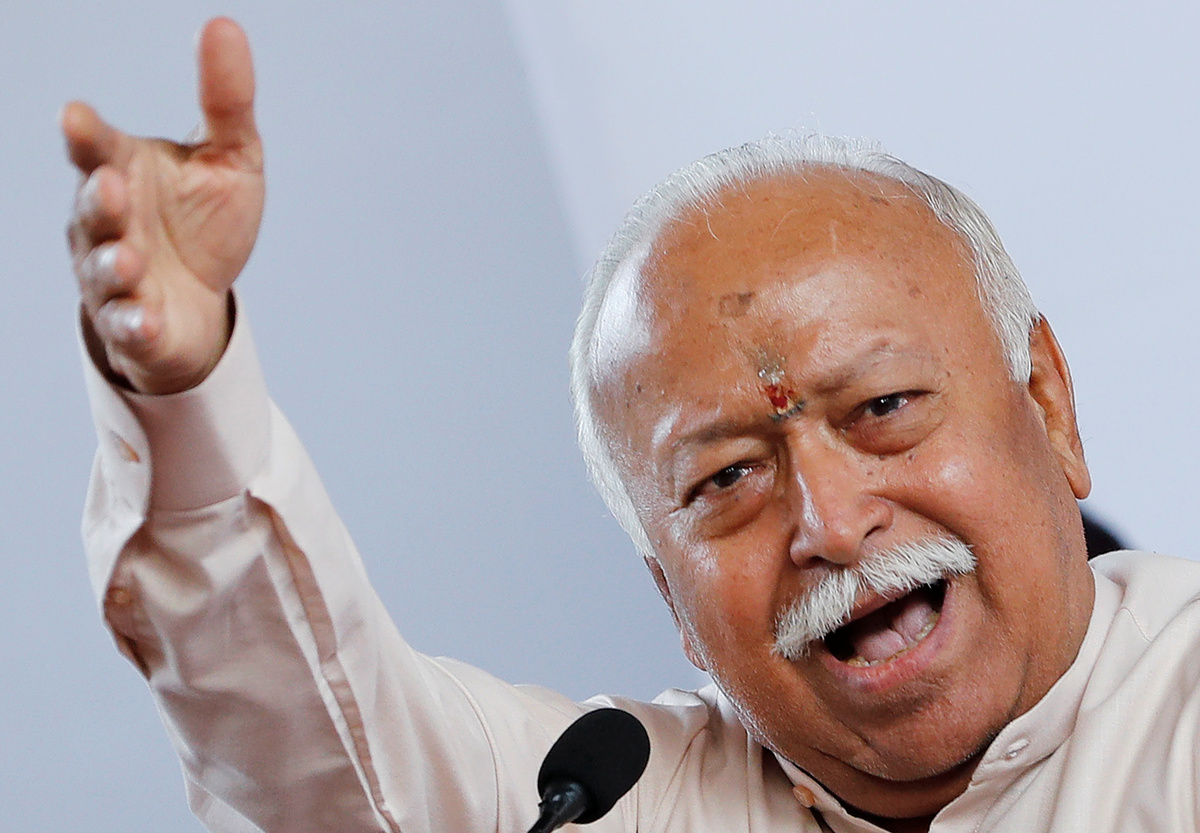
"These things don't work forever ... Ram Temple isn't going to put food on the table," Sircar said.
Hindus believe the site is the birthplace of Lord Ram, a physical incarnation of the Hindu god Vishnu, and say the site was holy for Hindus long before the Muslim Mughals, India's most prominent Islamic rulers, built the Babri mosque there in 1528.
MUSLIM GROUPS URGE CALM
The five-judge bench, headed by Chief Justice Ranjan Gogoi, reached a unanimous decision to hand the plot of 2.77 acres (1.1 hectares), about the size of a soccer field, to the Hindu group.
The court also directed that another plot of five acres (two hectares) in Ayodhya be provided to the Muslim group that contested the case. That was not enough to mollify some critics.
"The country is now moving towards becoming a Hindu nation," Asaduddin Owaisi, an influential Muslim opposition politician, told reporters.
A lawyer for the Sunni Muslim group involved in the case initially said it would likely file a review petition, which could have triggered another protracted legal battle, but its chairman Zafar Farooqui said later on Saturday the verdict had been accepted "with humility."
Muslim organisations appealed for calm.

The Hindu group Rashtriya Swayamsevak Sangh -- the parent organisation of Modi's party -- had already decided against any celebrations to avoid provoking sectarian violence.
Restrictions were placed on gatherings in some places and internet services were suspended. Elsewhere, police monitored social media to curb rumours.
Across the border in arch-rival Pakistan, the foreign ministry said the decision "shredded the veneer of so-called secularism" in India and showed minorities were no longer safe.
A spokesman for India's external affairs ministry responded by saying Pakistan had a "pathological compulsion" to involve itself in internal Indian matters.
In Ayodhya, the streets were largely deserted and security personnel patrolled the main road to Lucknow, the capital of the northern state of Uttar Pradesh.
Residents were glued to their televisions and phones for news of the ruling, which delighted Hindus when it came.
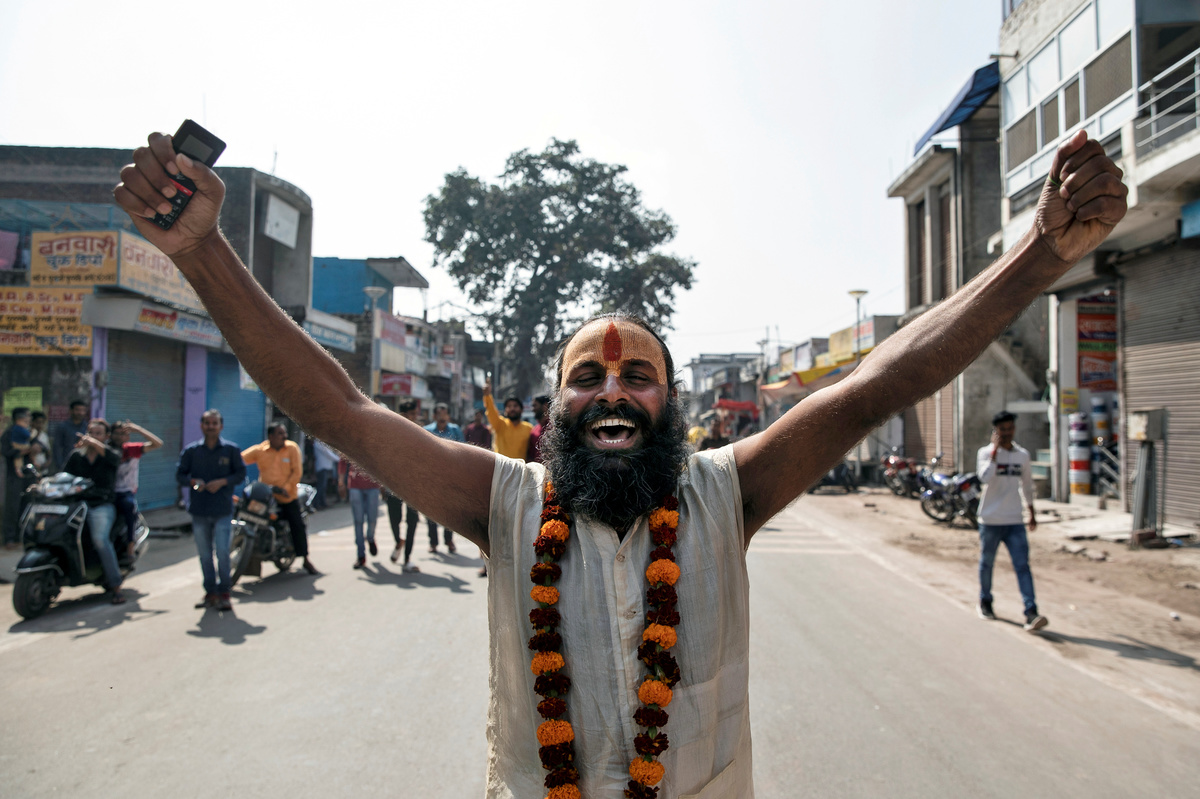
"Everyone should come together to ensure that the construction work begins at the site without any delay," roadside vendor Jitan Singh said over the chants of "Jai Shri Ram" (hail Lord Ram) from fellow shop-keepers.
(Additional reporting Devjyot Ghoshal, Manoj Kumar, Sanjeev Miglani and Sankalp Phartiyal in New Delhi; Saurabh Sharma in Ayodhya; Kanishka Singh in Lucknow; Swati Bhat, Shilpa Jamkhandikar, Sudipto Ganguly and Rajendra Jadhav in Mumbai; Alasdair Pal in Kartarpur, Pakistan; Writing by Rupam Jain and Alexandra Ulmer; Editing by Euan Rocha, Robert Birsel and Helen Popper)