India's chemicals minister on Monday outlined plans to boost local manufacturing in the bulk drugs and medical device industries to reduce India's reliance on imports, particularly from China.
The plans, which include setting up research and manufacturing sites across the country to develop drugs and medical devices, follow weeks of heightened tensions between India and China.
India has banned dozens of Chinese apps, and tightened its foreign investment and public procurement rules in recent weeks, in moves aimed at countering Chinese influence in India after a deadly border clash between Indian and Chinese troops in June.
Beijing has dubbed the moves discriminatory.
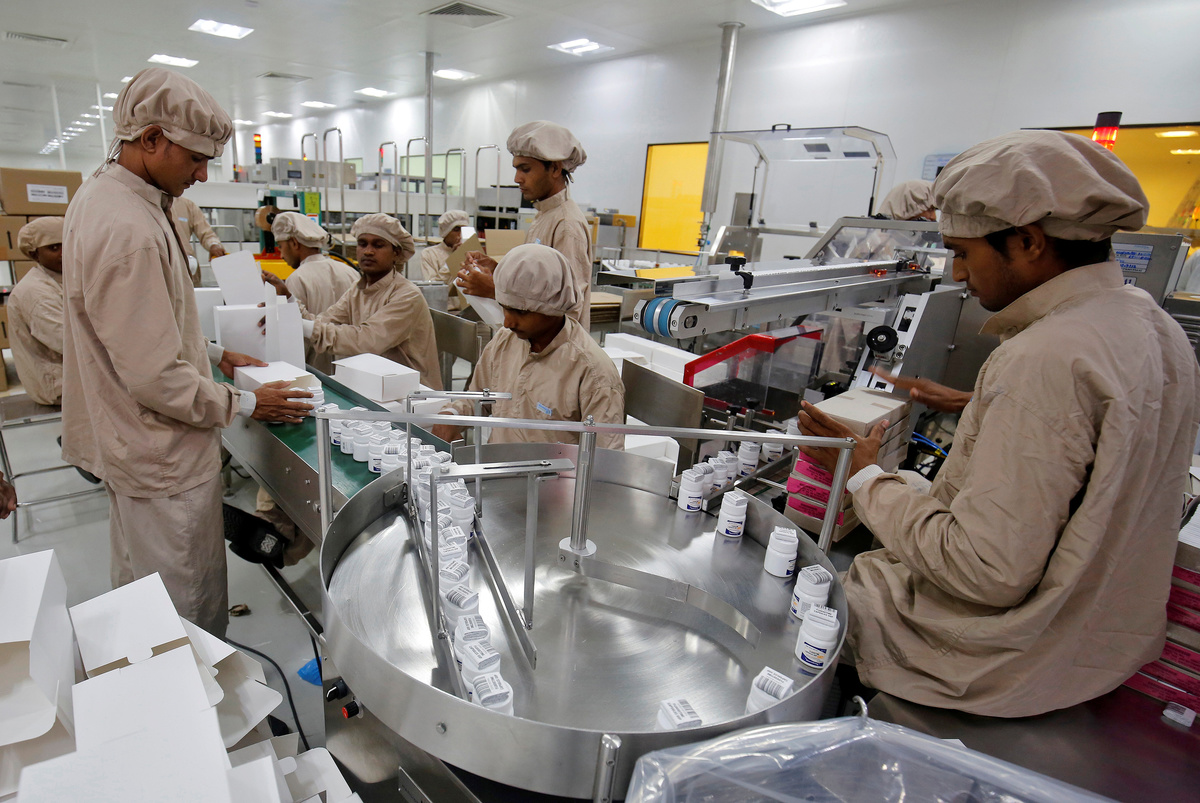
India, often called 'pharmacy of the world', has a robust $40 billion pharmaceutical sector that is seen as a reliable supplier of generic drugs. But it is reliant on China for around 70% of active pharmaceutical ingredients, or raw materials, which are often cheaper to import than make.
"Some of them are very critical as they are used in production of essential medicines," Sadananda Gowda, the federal minister for chemicals and fertilisers, tweeted on Monday. Around 86% of materials used to make medical devices are imported, he added.
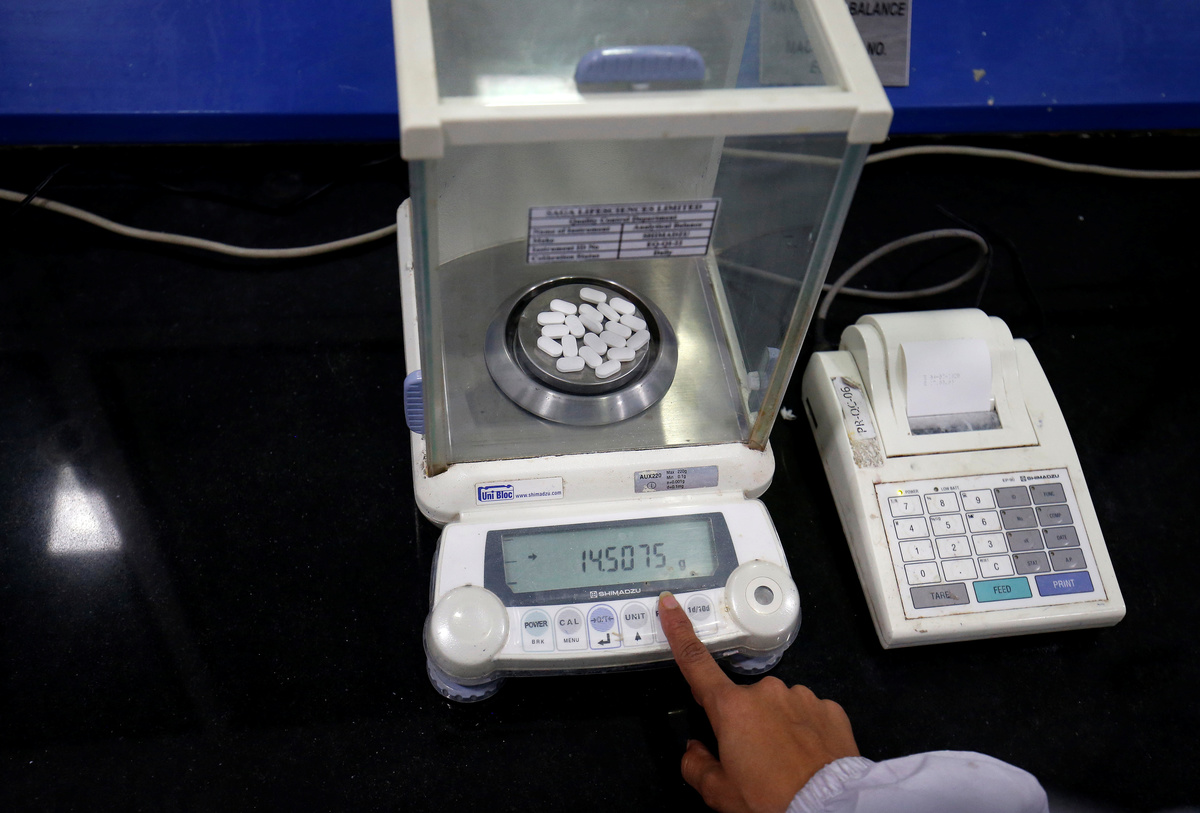
Industry executives in India have long called on the government to provide subsidies to boost local manufacturing.
The pandemic has exposed weaknesses in global supply chains and posed a "threat to the health security of the country," the minister tweeted.
"These parks will be based on plug and play model with prior regulatory approvals, state of art infrastructure, excellent connectivity, affordable land, competitive utility charges, and (a) strong R&D ecosystem," he said, adding these would begin operating in "about two or three years".
(Reporting by Zeba Siddiqui and Anuron Kumar Mitra; Editing by Louise Heavens)