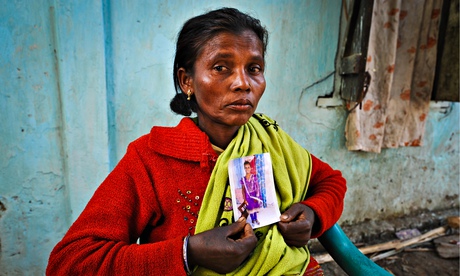
In a special Observer/Guardian investigation, Gethin Chamberlain examines how the pittance earned by thousands of people working on tea estates in Assam, India, is fuelling the trafficking of girls and young women into domestic servitude hundreds of miles from home.
Meanwhile, Rebecca Falconer reports from Doha on the Filipino domestic workers who are subjected to slave-like conditions.
Elsewhere on the site
Uganda donors cut aid after president passes anti-gay law
Central American women put their lives on the line for human rights
Uganda's truant teachers targeted by pupil text-messaging scheme
Ethiopia seed bank's novel approach to preserving diversity under threat
Niger fails to reach uranium mining deal with French nuclear firm Areva
On the blog
Hannah Wright: Gender equality and peace are linked – the post-2015 agenda should reflect it
Azfar Khan: Why it's time to end kafala
David Miliband: It's time to reassess the goals of humanitarian aid
Deborah Doane: Social enterprise: can it succeed where traditional development has failed?
John Hilary: Western Sahara activists feel full force of Moroccan intimidation
Multimedia
• Video: Mali pupils return to school in Timbuktu
• Podcast: Are women's movements a force for change?
Coming up
We publish two extracts from James Copnall's new book – A Poisonous Thorn in Our Hearts: Sudan and South Sudan's Bitter and Incomplete Divorce.
Next week, UN member states will meet in New York for the commission on the status of women. We'll report on discussions.
Elissa Jobson speaks to Bineta Diop, the African Union's special envoy for women, peace and security, about her new mandate.
Do we need an International Women's Day? We'll debate the issue.
Do you work in the humanitarian sector?
We would like to invite you join Guardian humanitarian contacts, a global network of individuals with specific and expert knowledge in humanitarian response. From breaking news situations when natural disasters strike or conflict breaks out, participating in Q&As or sharing photos and videos from the latest refugee crises, your experiences can make a valuable contribution to our reporting. By joining this network we will keep you updated with opportunities to participate in our journalism. Fill in your details and get started.
What you said: this week's top reader comment
On our video about Assam's modern slaves, AhBrightWings writes:
"The Tea Company says it cannot afford to pay these girls one rupee more …"
With all due respect, (which is none) when is the world going to tell companies like this that [they have] a moral, ethical, legal obligation to pay a living wage? The revolution that has to happen worldwide is the cessation of this obscene abuse so that a few post profits.
This was a remarkable documentary, the most powerful and moving I've seen at the Guardian. The men rescuing these girls and women are heroes in a world that has precious few of them.
Highlight from the blogosphere
Think Africa Press: DRC: The Amani festival shows off Goma's fun side
And finally …
Poverty matters will return in two weeks with another roundup of the latest news and comment. In the meantime, keep up to date on the Global development website. Follow @gdndevelopment and the team – @MaeveShearlaw, @ClaireProvost, @LizFordGuardian and @MarkTran – on Twitter, and join Guardian Global development on Facebook.