India's seed saviour goes against the corporate grain – in pictures
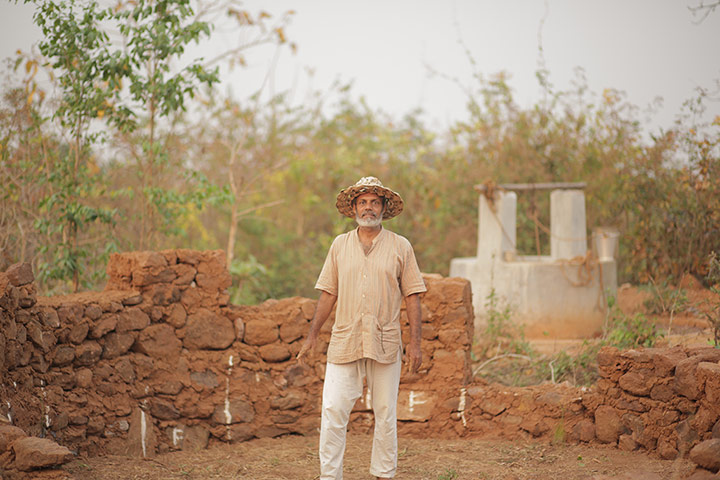
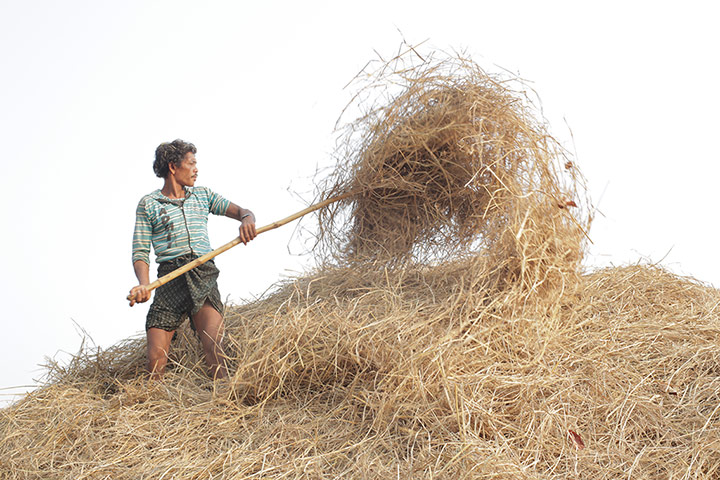
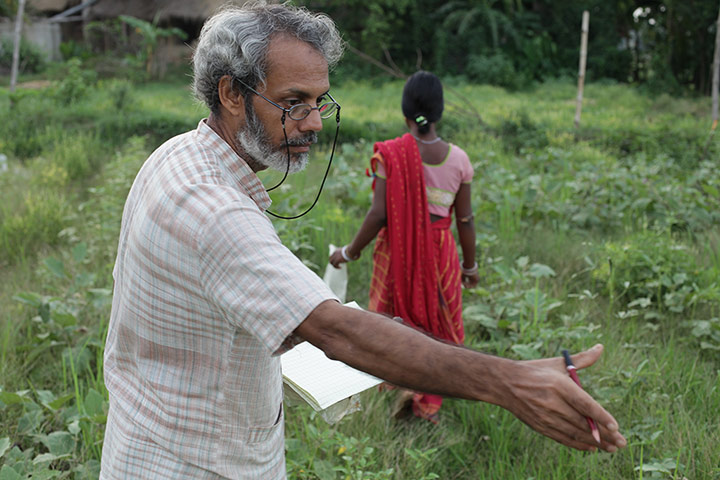
Dr Debal Deb stands in the middle of his partly built seed bank in Odisha. He is using local, sustainable materials and local labour. Deb plans to use the seed bank to educate people about the importance of adopting a holistic, sustainable approach to farmingPhotograph: Jason Taylor/The Gaia FoundationA local farmer prepares hay for drying in one of the more remote areas of Odisha. This valuable crop will be used to feed his cattle throughout the monsoon seasonPhotograph: Jason Taylor/The Gaia FoundationDeb works in a field at his first farm in West Bengal state. Apart from his work with rice, he is a key proponent of the 'food web theory’, which aims to establish scientific proof of an overwhelmingly positive relationship between all plant and animal lifePhotograph: Jason Taylor/The Gaia Foundation
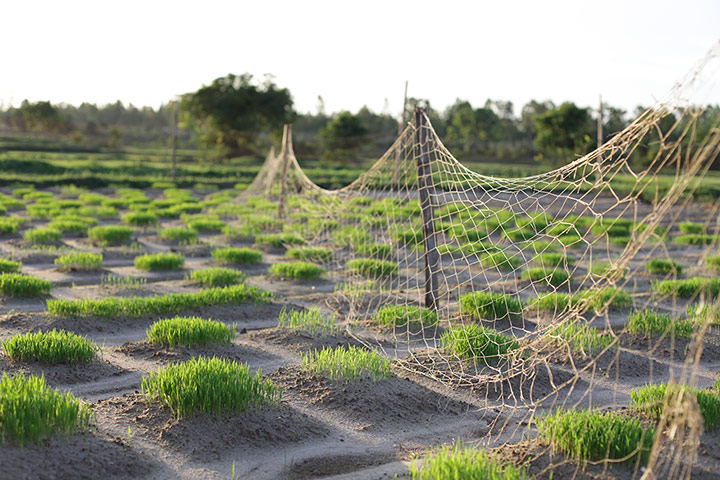
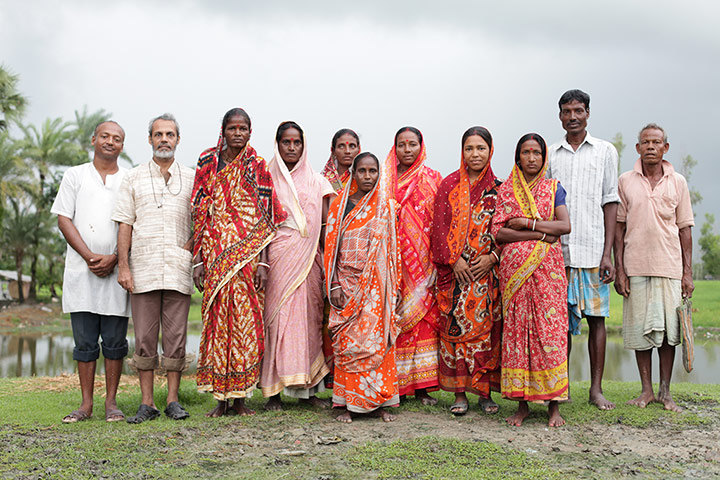
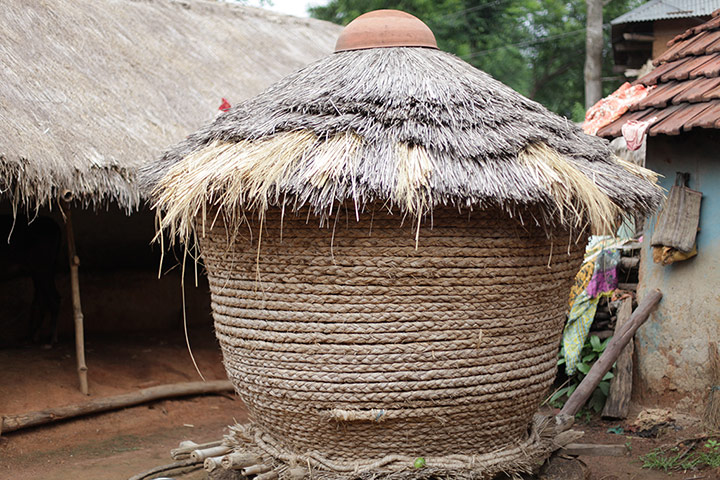
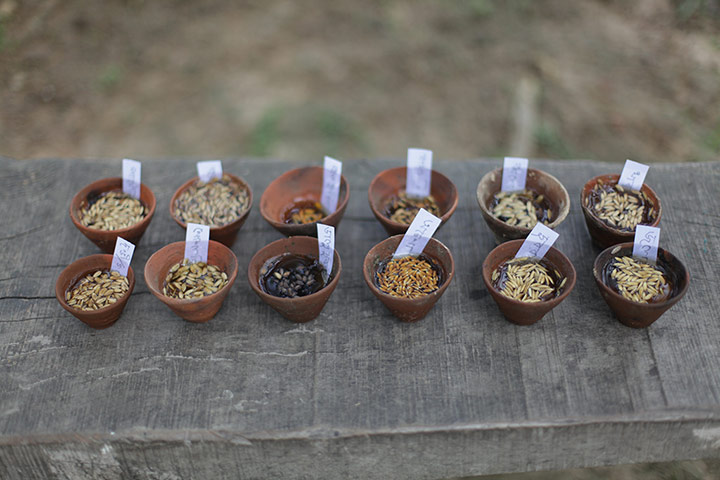
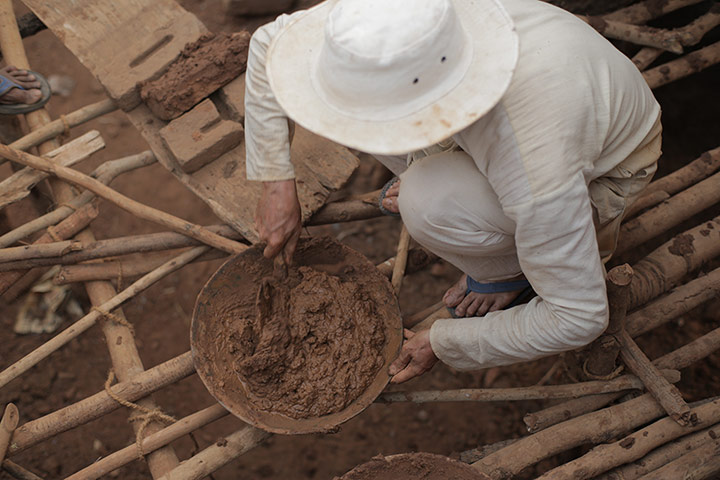
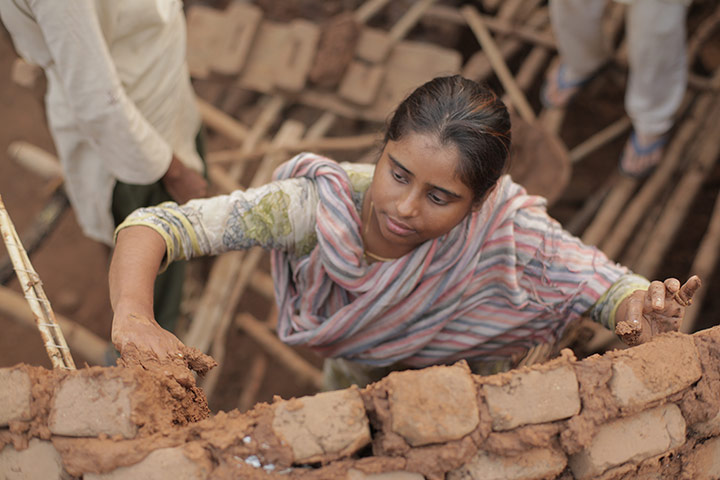
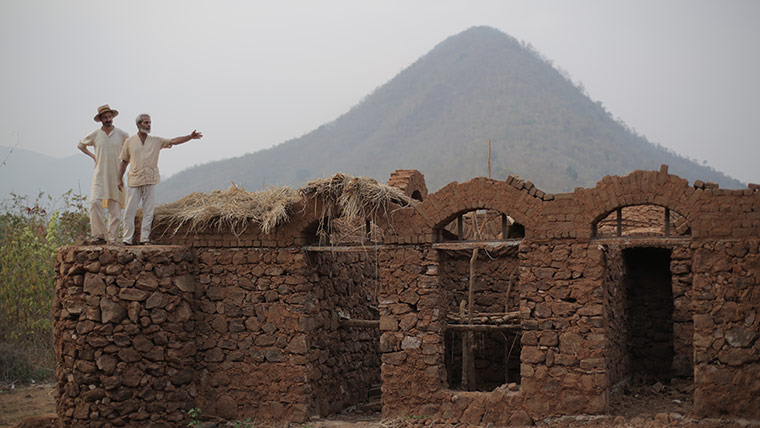
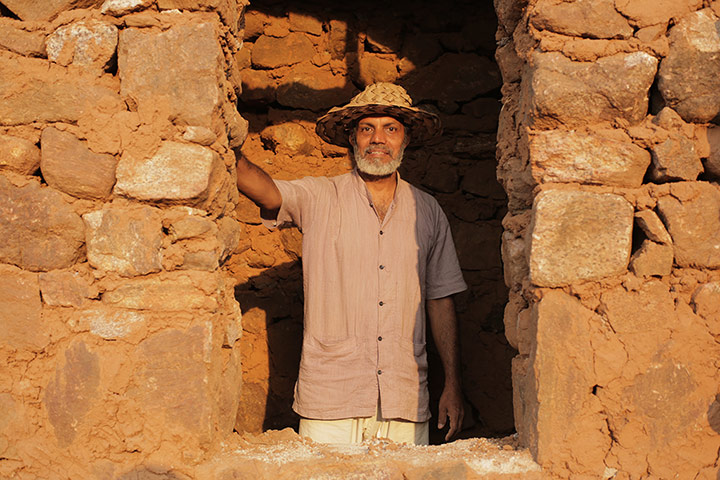
A field where Deb grows some of the 920 varieties of indigenous rice he has helped to save from extinction. Industrial agriculture and GM farming, which favour seed monocultures, have been partly responsible for the loss of more than 90% of India’s indigenous rice seedPhotograph: Jason Taylor/The Gaia FoundationDeb is committed to working with local communities – as here in Sunderbans, West Bengal – arguing that a lack of collaboration is a serious problem in modern, industrial agricultural practice. 'Land grabbing' and biopiracy have increased worldwide, undermining local control over food production with devastating effectsPhotograph: Jason Taylor/The Gaia FoundationA traditional seed safe in a remote area of the Sunderbans. These safes ensure that farmers and the community are protected from shortages of seeds and food. Some agricultural biotech companies try to control the supply of seeds, and farmers can become dependent on buying GMPhotograph: Jason Taylor/The Gaia FoundationAll 920 varieties of seed collected by Deb are individually germinated in a traditional way, using clay pots and cow urinePhotograph: Jason Taylor/The Gaia FoundationArchitect Laurent Fournier mixes local cement made from river clay, sand and soil. Everything about the seed bank is organic, even the methods of construction. To avoid using felled timber to support the roof, Fournier has taken inspiration from an Egyptian architect, Hassan Fathy, who rediscovered the technique of building ancient Nubian vaults and domes using adobe bricksPhotograph: Jason Taylor/The Gaia FoundationKalyani, one of Fournier’s students from Kolkata, helps build the adobe vaulted roof. Women from the local village volunteer to help in the construction, in the hope that the building and its future contents will benefit their communityPhotograph: Jason Taylor/The Gaia FoundationDeb and Fournier stand on one of the support pillars of the unfinished seed bank. Fournier says he took inspiration for the construction from the mountains that surround the farm, which London-listed company Vedanta wants to mine for bauxitePhotograph: Jason Taylor/The Gaia FoundationDeb stands behind a window of the newly constructed seed bank in Odisha. He plans to bequeath the building to the local communityPhotograph: Jason Taylor/The Gaia Foundation
Sign up to read this article
Read news from 100’s of titles, curated specifically for you.