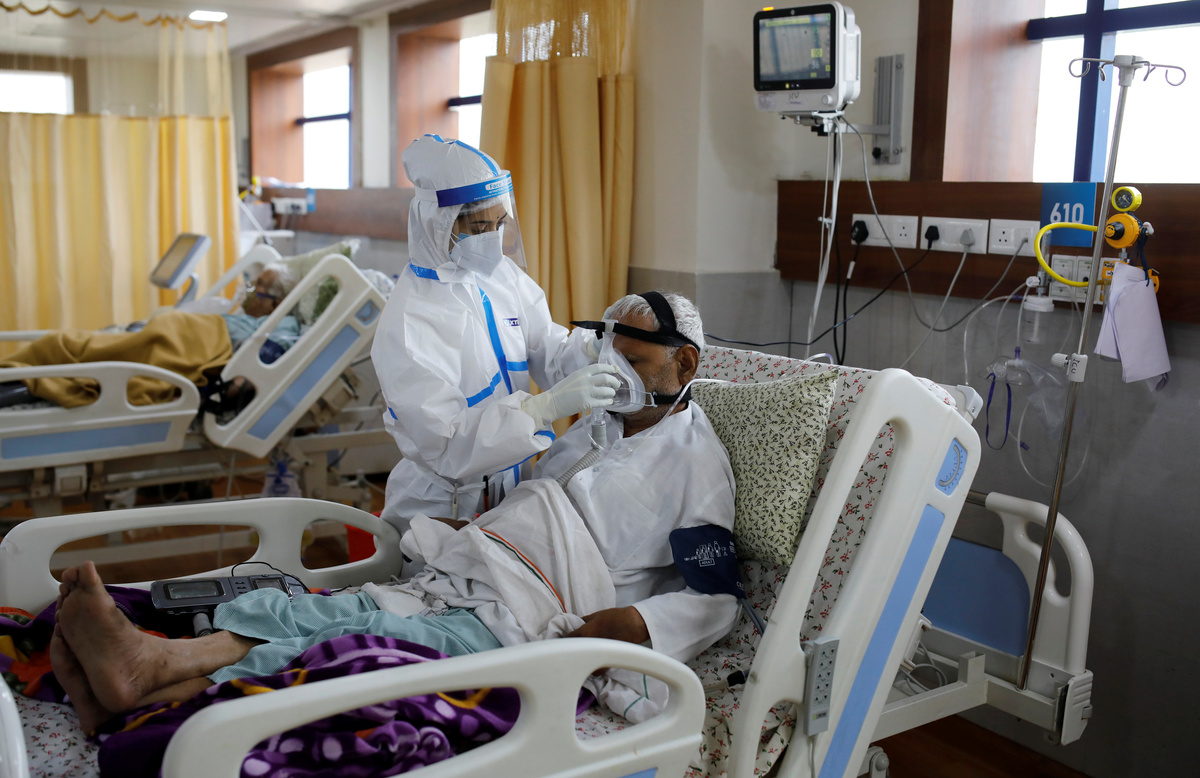
Coronavirus infections in India surged past 5 million on Wednesday, piling pressure on hospitals grappling with unreliable supplies of oxygen that they need to treat tens of thousands of critical patients.
In the big states of Maharashtra, Gujarat and Uttar Pradesh, some of the areas worst-affected by the virus, demand for oxygen has more than tripled, doctors and government officials said, prompting urgent calls for help.
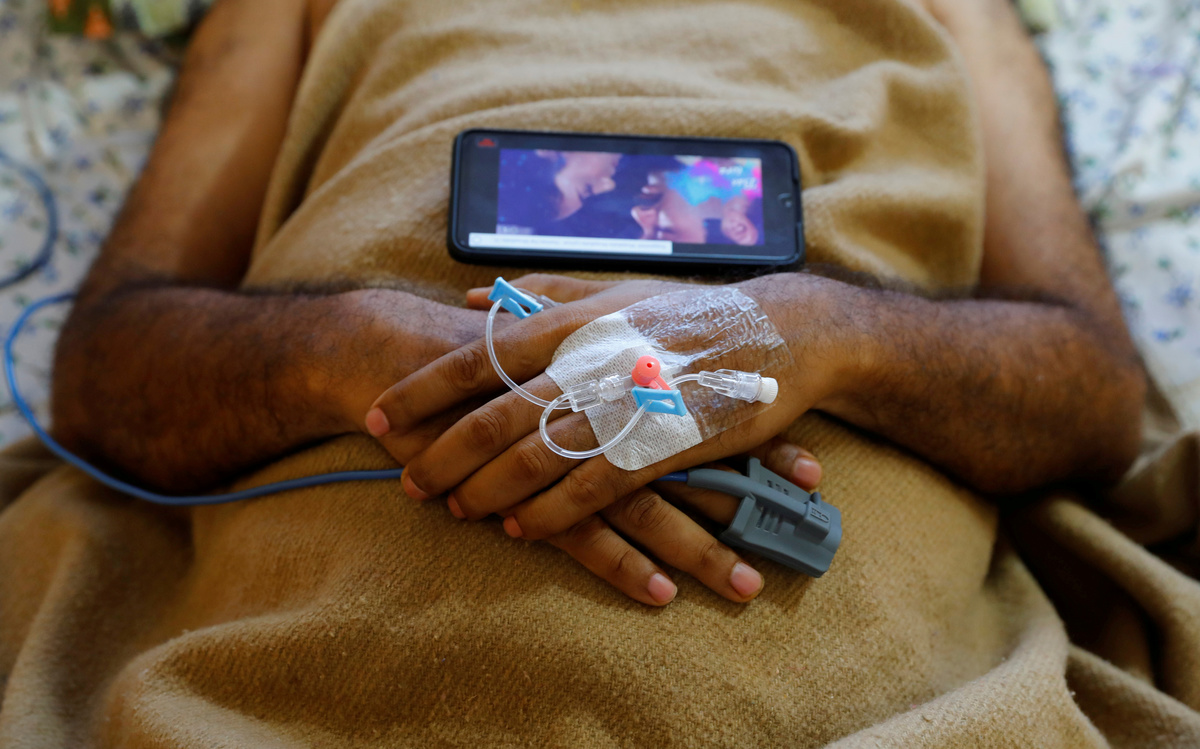
"Desperate patients have been calling me through the night but I don't know when I will get stock," Rishikhesh Patil, an oxygen supplier in the western city of Nashik, told Reuters.
Meanwhile, a senior minister in Prime Minister Narendra Modi's cabinet, Nitin Gadkari, also tested positive for the coronavirus infection, he said in a tweet.
"I request everyone who has come in my contact to be careful and follow the protocol," Gadkari said.
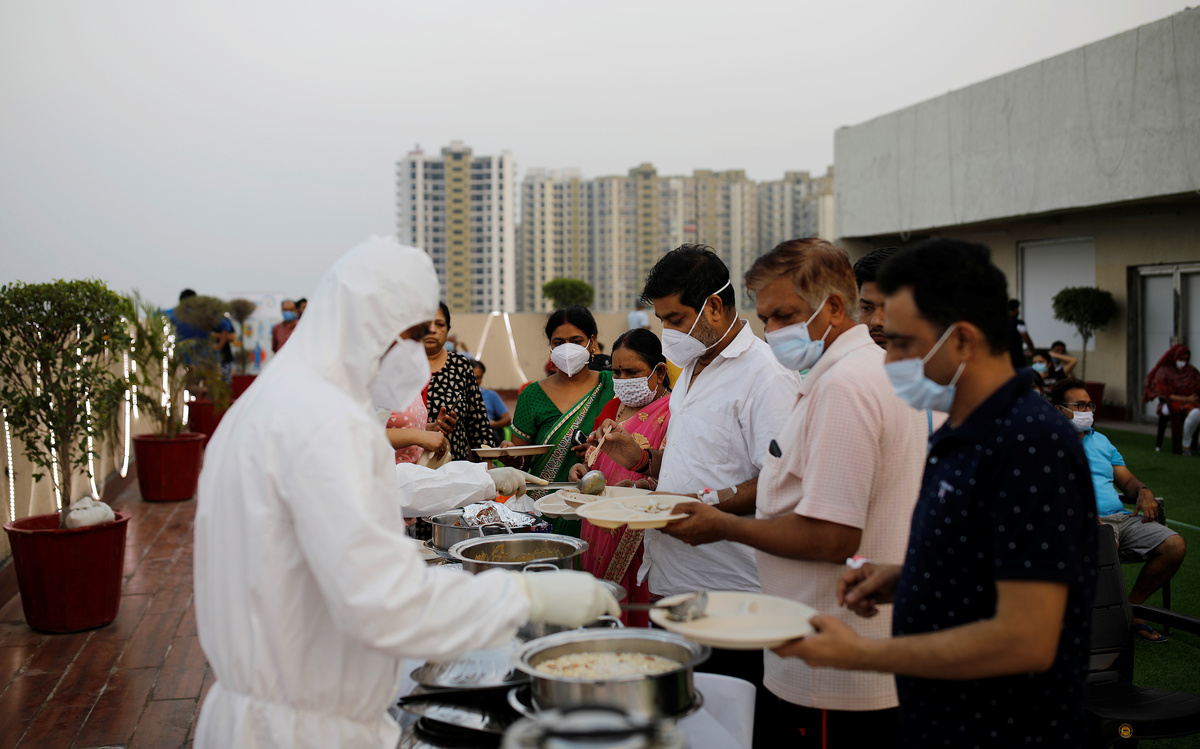
The Indian parliament has re-opened after six months on Monday, with at least 17 members testing positive.
Gadkari is part of the 245-strong upper house of parliament, known as the Rajya Sabha, where it was not yet clear how many members were also infected.
Home Monister Amit Shah spent most of August in hospital after being detected with COVID-19.
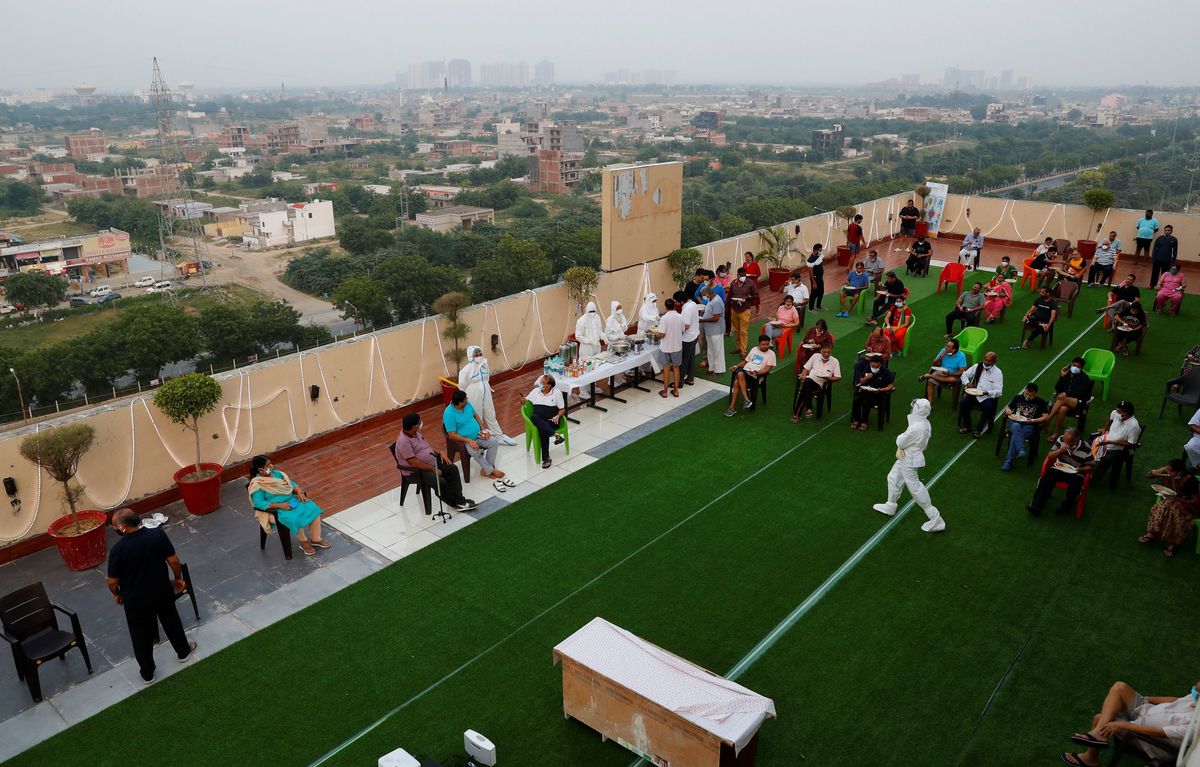
The health ministry reported 90,123 new infections on Wednesday, taking the total caseload to 5.02 million.
The death toll from COVID-19 is now at 82,066, the ministry said, with 1,290 fatalities recorded in the previous 24 hours.
India has the world's fastest growing novel coronavirus epidemic and added its last million infections in just 12 days. It is only the second country in the world to have more than 5 million cases, after the United States.
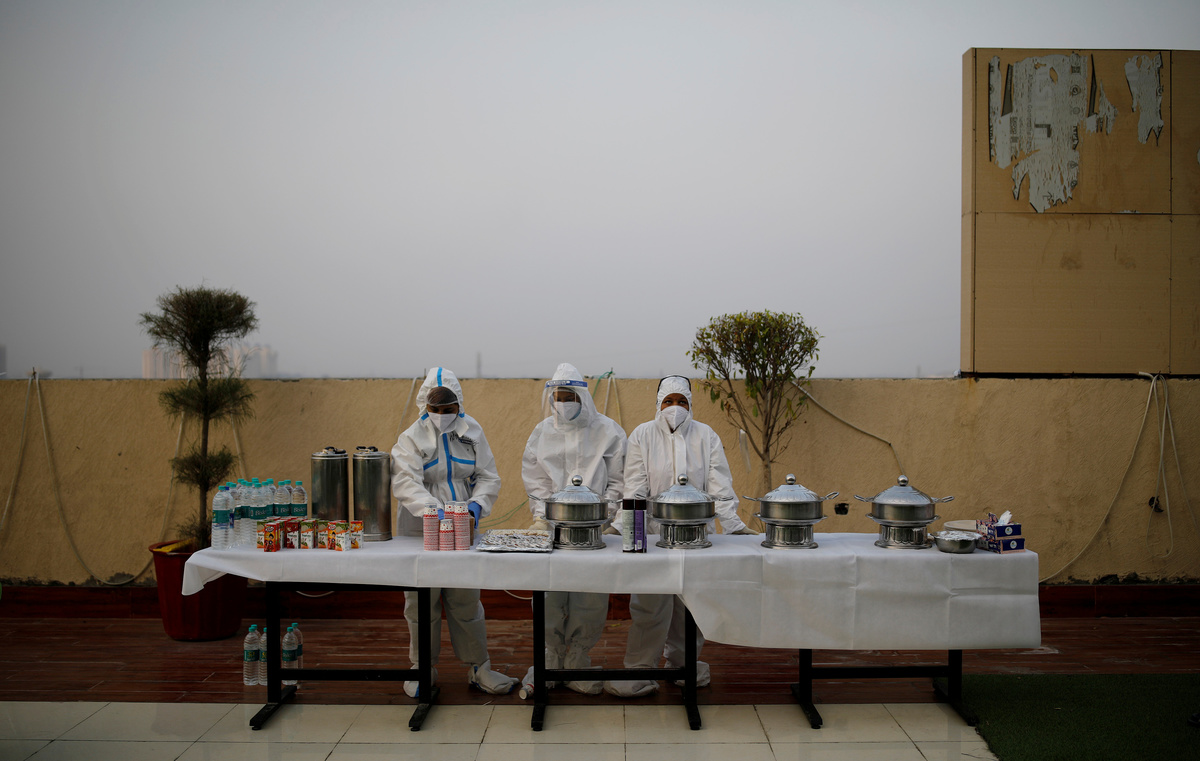
At least 6% of India's nearly 1 million active cases need oxygen support, health ministry official Rajesh Bhushan told reporters. Supplies were adequate but state governments should monitor usage and flag shortages, he said.
In the capital of India's most populous state of Uttar Pradesh, the total requirement of oxygen cylinders stood at 5,000 cylinders compared with 1,000 cylinders in normal times, a government official said.
Ravindra Khade Patil, a doctor who manages two private hospitals on the outskirts of Mumbai in Maharashtra state, spoke of the stress he faces trying to ensure he can supply his patients with oxygen.
Two days ago, the supplier of oxygen to his hospitals did not turn up at his usual time.
Patil made frantic calls to the supplier and then to nearby hospitals and lawmakers, knowing that if the oxygen did not arrive on time, it would be too late for some of his most critical patients.
Finally, past midnight, thanks to pressure from a government official, the oxygen tanks arrived.
"If they had arrived even a couple of hours late, we could have lost five or six patients. Every day, we are worried if we will be able to meet our requirements, if the oxygen will arrive or not," Patil told Reuters.
(Additional reporting by Sachin Ravikumar in Bengaluru, Neha Arora in New Delhi; Editing by Sanjeev Miglani, Robert Birsel and Angus MacSwan)