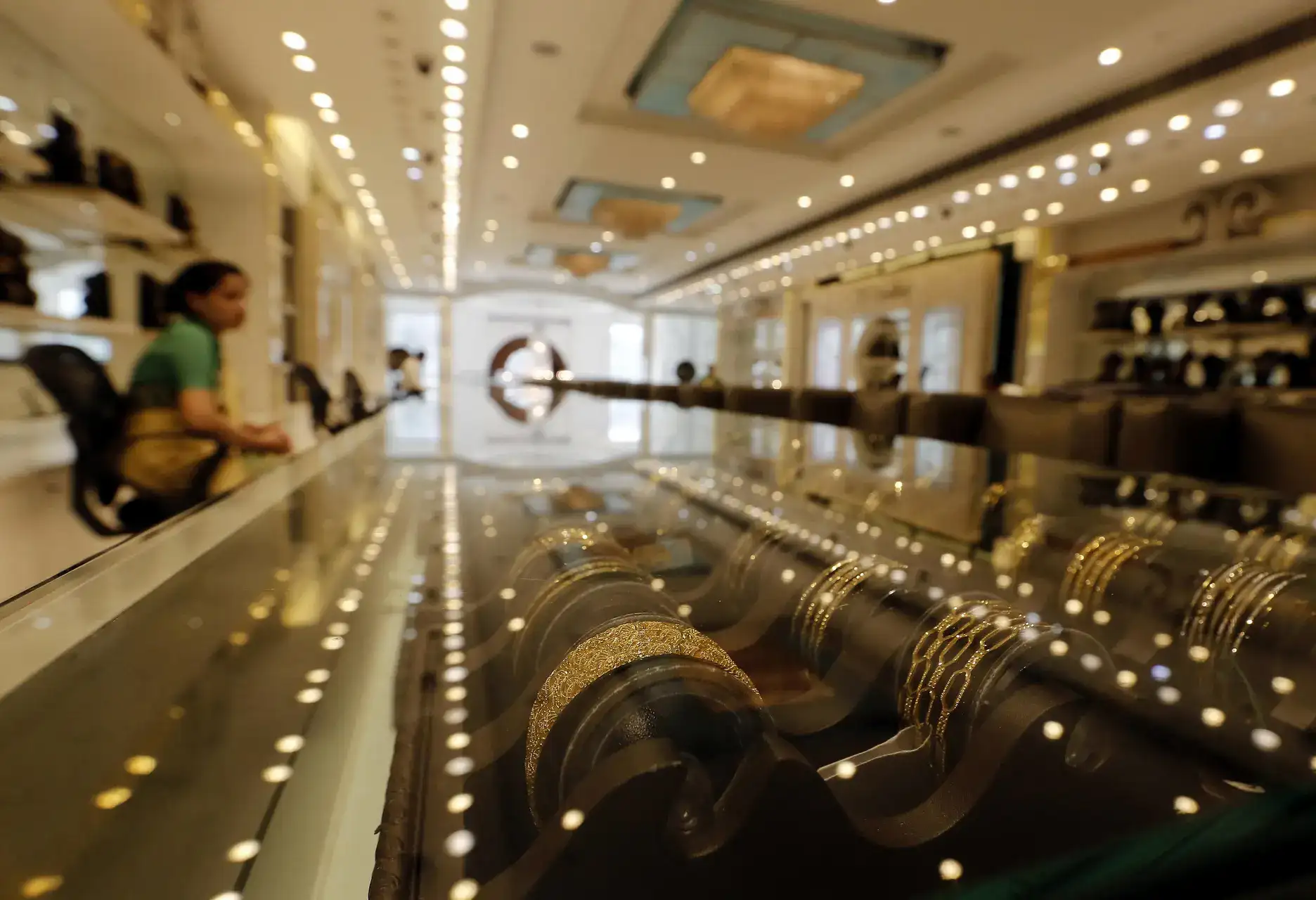
In a bold bid to shield the rupee from the scorching heat of the Middle East conflict, India has decided to make its most sought-after precious metals significantly more expensive. The government hiked import tariffs on gold and silver from a modest 6% to a hefty 15%, effectively putting a premium on the nation's "safe haven" assets to help shore up foreign-exchange reserves.
The new math is simple but stinging: a 10% basic customs duty coupled with a 5% Agriculture Infrastructure and Development Cess (AIDC).
The hikes, which aim to cut demand in the world’s second-largest bullion market, follow a rare weekend appeal from Prime Minister Narendra Modi. He urged citizens to forgo gold purchases as well as unnecessary foreign travel in order to help hold up the currency.
ALSO READ | India raises gold, silver import duty to 15% to curb imports, support rupee amid West Asia crisis
The markets, predictably, didn't find today’s news quite so glittering. Following the early morning announcement, jewellery giants Kalyan Jewellers and Titan saw their stock prices lose their luster, tumbling as investors braced for a cooling effect on domestic demand.
Titan, the country’s largest jewellery retailer, fell as much as 1.5%, after falling more than 10% in the previous two sessions. Kalyan Jewellers India dropped as much as 5.9%.
ALSO READ | Jewellery stocks take Rs 60,000 crore hit in 3 days on govt's double-blow. Is the worst behind?
India’s consumption to take a hit
India’s total demand of gold may go down by 10%, Surendra Mehta, National Secretary, IBJA, told ET Online after the announcement.
He said, more people will take gold loans against jewellery to offset inflation.
Now the import duty that includes Customs Duty, GST and Agricultural Cess will make gold costlier by around Rs 27,000 per 10 grams from the earlier Rs 13,500/10 gm.
The precious metal is deeply ingrained in Indian culture and plays a vital role in savings, weddings and religious festivals. India meets almost all its demand through imports, with 710 tonnes of gold coming in last year. The precious metal has more than doubled in value over the past couple of years, although had dipped since the outbreak of the Iran war on inflation fears.
Domestic premiums could remain elevated in the near term due to higher import costs, as per Jateen Trivedi, VP Research Analyst - Commodity and Currency, LKP Securities.
“The increase in import duties is a one-time effect on gold and silver is likely to have a short-term impact on physical demand, as higher prices and recent government messaging around reducing bullion imports may make buyers cautious, especially in the jewellery segment.”
In the near term, physical demand may stay softer because of elevated prices and government efforts to discourage excessive bullion buying for the next one year, but globally the underlying bullish factors for precious metals still remain intact, he added.
Jewellery business to go down
Costlier jewellery may lead buyers to postpone purchases, particularly in price-sensitive segments. However, organised players could still fare better than smaller unorganised jewellers due to stronger brands, better inventory management and higher customer trust.
The jewellery business is bracing for a lean year, with IBJA’s Mehta forecasting a 5%–7% dip in overall business for retailers. This slump is likely here to stay, as Senco Gold and Diamonds MD and CEO Suvankar Sen warns that the higher duty structure will probably remain entrenched for at least a year or at least until the Middle East crisis cools and global energy markets finally stabilise.
While the tax hike is a heavy blow, its impact will be felt differently across the balance sheet.
Sen predicts that while sales volumes might shrink by 10%–15%, the actual "value" of sales will stay high because the gold itself is so expensive.
“The volumes might get impacted by 10-15 percent but value wise it will remain at a higher level. Consumers will buy lighter weight jewellery,” he said.
According to M.P. Ahammad, Chairman, Malabar Group, the duty revision may lift retail jewellery prices in the near term, and customers, particularly first-time and investment-led buyers, will take a moment to recalibrate
"What we expect over the coming quarters is not a contraction in demand so much as a shift in how that demand is met. Exchange of old gold for new jewellery, already a meaningful share of transactions at organized retailers, will become the dominant mode of purchase," he told ET Online.
From an industry perspective, he said that there may be near-term moderation in discretionary purchases or a shift towards lighter, more exchange-driven purchases. "However, the long-term outlook for the jewellery sector remains positive, supported by India’s strong cultural demand, rising incomes, and continued trust in gold as an important store of value."
Relief for the rupee
The higher duties may help narrow India's trade deficit and support the rupee, one of Asia's worst-performing currencies.
Rupee is likely to get controlled to some extent, said Mehta, adding that forex reserves will also improve.
The RBI has been steadily intervening to bolster the currency, with foreign-exchange reserves dropping to $690.7 billion as of May 1, the lowest level in more than a month. The reserves are enough to cover 10 to 11 months of imports. The rupee was steady in onshore trading on Wednesday.
The measures “might help on the margins, but are unlikely to alter the depreciation pressure for now,” Wee Khoon Chong, Asia-Pacific macro strategist at BNY in Hong Kong told Bloomberg. Elevated oil prices, a rising dollar and foreign-capital outflows will weigh on the rupee in the short term, he said.
The central bank has also taken several other measures to support the currency, including curbing speculation in the forex market by limiting banks’ daily open positions to $100 million. New Delhi is still weighing other emergency steps, including raising fuel prices and curbing non-essential imports like electronic goods.
Smuggling risk returns
Meanwhile, industry officials warned that higher import taxes could revive smuggling—a shadow trade that had largely subsided after India slashed tariffs in mid-2024. The government originally lowered these duties during the 2024-25 Union Budget, back when external pressures were light and foreign exchange reserves remained stable.
Concerns over a revival of informal channels and smuggling add a layer of uncertainty to the government’s move. The durability of these measures will ultimately depend on global oil trends, capital flows and how long external pressures on the currency persist.