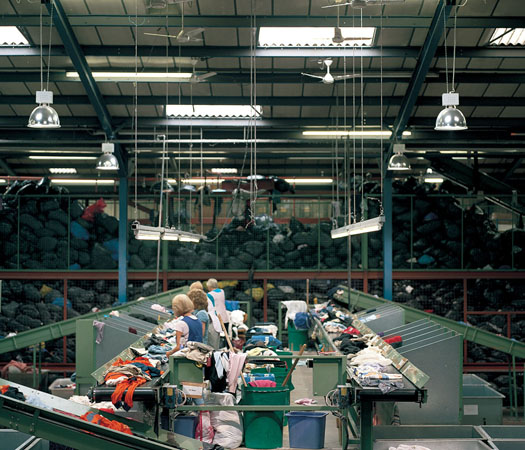
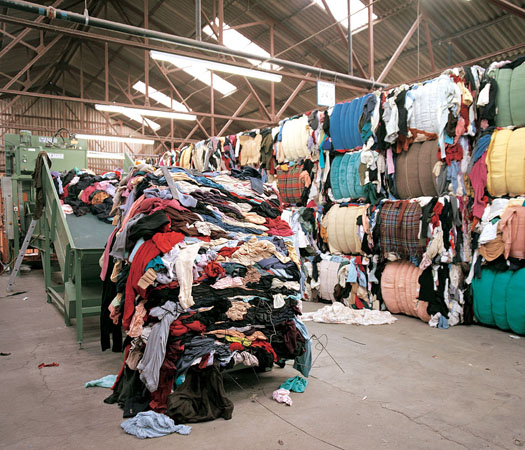
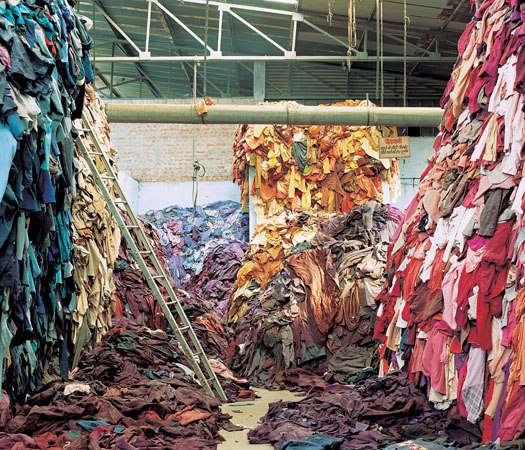
Here at Oxfam’s Wastesavers depot in Yorkshire, donations are sorted into groups: for resale in their own charity shops; or restyling by fashion designers; for sale to commercial textile recyclers for export; or to be pulped for mattress filling, carpet underlay and upholstery.Photograph: Tim Mitchell/PRAt a commercial textile recycling company, clothing is sorted for the international market. Some countries ban the import of secondhand clothing, but do permit slashed garments to enter as a source of raw material. Here garments are fed into a mutilating machine which prevents them from being illegally sold as clothing in the destination countries.Photograph: Tim Mitchell/PRIndia permits the import of woollen clothing as a source of fibre for the local shoddy recycling industry. Cast-off jumpers, suits and coats are sorted by colour in large warehouses in Panipat, north India before being recycled. Labels are removed, clothing is then shredded, pulped and respun into shoddy yarn.Photograph: Tim Mitchell/PR
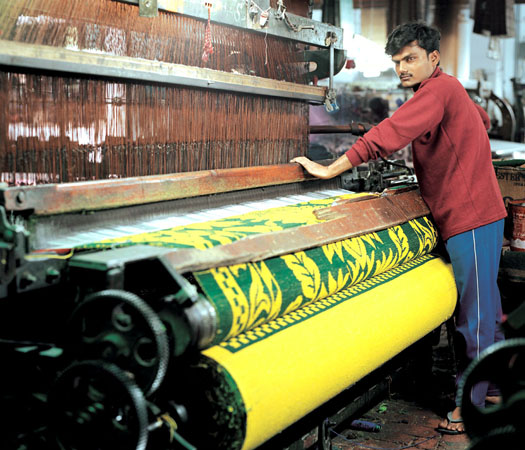
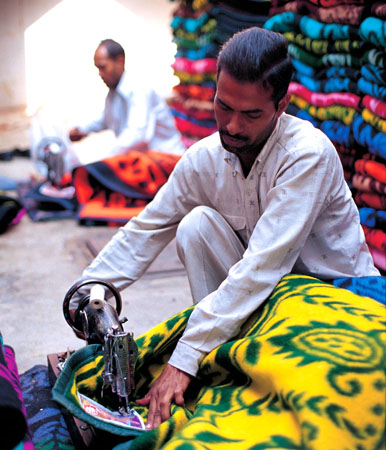
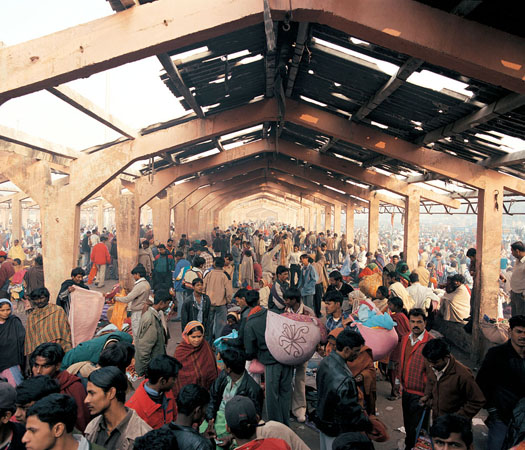
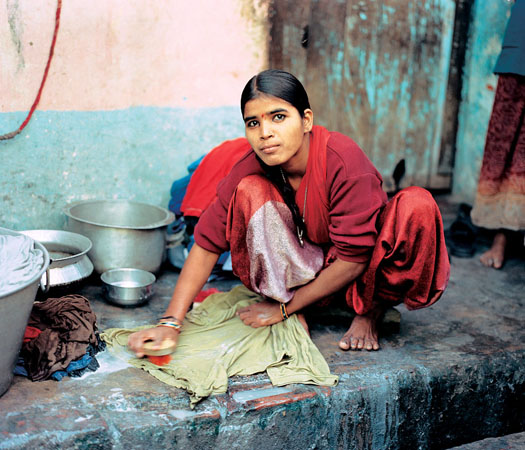
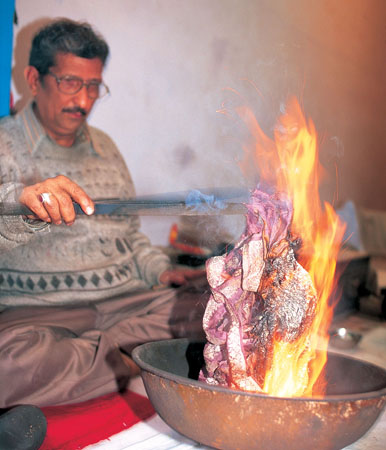
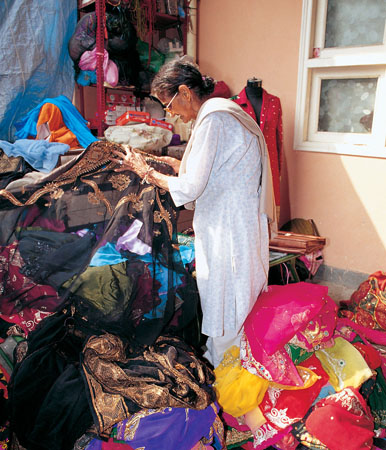
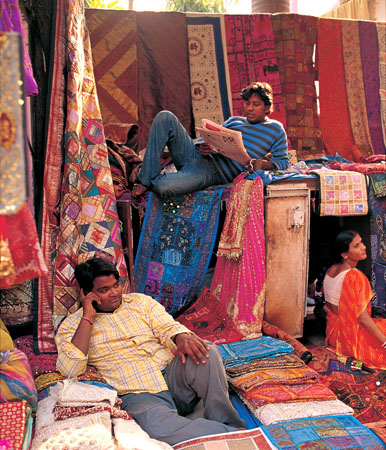
Shoddy yarn can be woven or knitted into new products such as blankets, shawls and jumpers. The more colourful blankets feature either checks or flower designs. The “vase of flowers” motif has been used for at least two thousand years in south Asia. Photograph: Tim Mitchell/PRNew labels are attached. The discarded brand names of once-coveted Western clothing are replaced by those of Indian gods such as Neelkanth (Siva).Photograph: Tim Mitchell/PRIn a suburb of Delhi, up to 2,000 secondhand clothes traders deal at the local wholesale market, which is crowded by dawn.Photograph: Tim Mitchell/PRSecond-hand clothing is usually mended, washed and ironed in the housing colony before being resold at weekly markets.Photograph: Tim Mitchell/PRThere are many options for recycling clothing in India, including giving to relatives and servants or recycling at home. However, torn or stained old silk saris with pure gold and silver thread may still be worth something when burnt. Saris are bought by the weight, and the metal is extracted by dealers in Kinari Bazaar, Old Delhi.Photograph: Tim Mitchell/PRSome garment manufacturers working for the export trade reuse cheap secondhand saris for Western fashion items. Mrs Sharma inspects an old sari for reuse at her Delhi workshop. Skirts, blouses, dresses and jackets are all individually cut to leave out the stains and tears in the original clothing.Photograph: Tim Mitchell/PRIn a tourist market in central Delhi, saris, shawls and blouses are remade into bedspreads, cushion covers and bags. Such items have become popular in the West and can be found in boutiques, markets and festivals across the UK.Photograph: Tim Mitchell/PR
Sign up to read this article
Read news from 100’s of titles, curated specifically for you.