NEW DELHI: India has initiated a detailed probe into the Boeing 737 Max emergency landing at Mumbai on Thursday following an inflight engine shutdown. The Directorate General of Civil Aviation (DGCA) has asked the original equipment manufacturers Boeing and engine maker CFM to provide information for this engine snag. The Max that suffered the issue will not fly till it receives a clearance.
“We are doing a detailed investigation and OEM and the other concerned are being involved. The aircraft shall remain grounded until cleared by us,” DGCA chief Arun Kumar told TOI. SpiceJet Max (VT-MXE) was winging its way from Mumbai to Kolkata as SG-467 when one engine developed a snag. The pilots switched off this engine, declared PAN PAN (communicated the emergency situation to ATC), and returned safely to Mumbai.
“This Max was involved in air turnback as number 2 engine oil filter bypass light got illuminated in cruise. Non-normal checklist actions were carried out and the crew carried out engine 2 inflight shutdowns. PAN PAN was declared. Aircraft turned back to Mumbai and landed safely,” said an official.
A SpiceJet spokesperson said, “Flight SG- 467 operating Mumbai-Kolkata returned to Mumbai after takeoff due to a technical issue. The aircraft landed safely in Mumbai.”
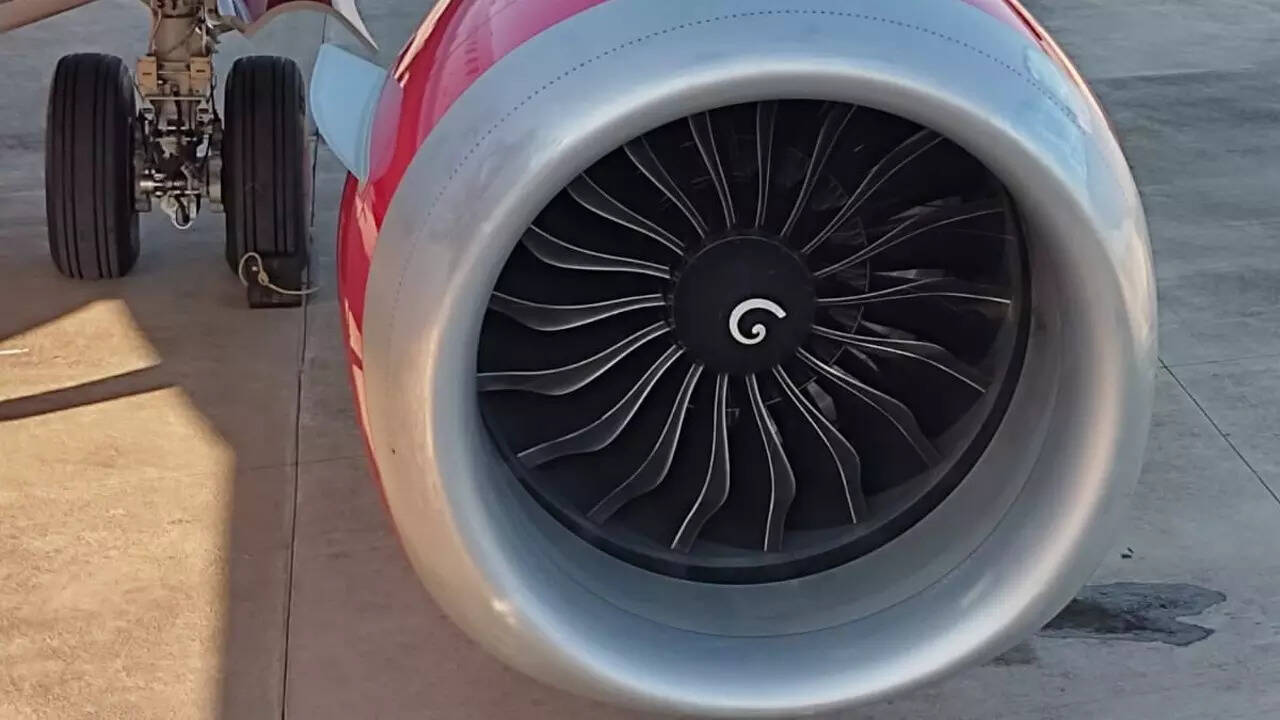
The MAX uses CFM LEAP-1B engines.
In a statement, engine-maker CFM International said it “is aware of a technical issue that resulted in SpiceJet Flight SG467, a Boeing 737 MAX airplane powered by LEAP-1B engines, to return to Mumbai shortly after takeoff on December 9. The company is coordinating with SpiceJet, Boeing, and India’s DGCA to gather data to determine the root cause of this event.”
The Boeing 737 Max resumed commercial flights last month in India after being grounded globally in March 2019. As of now, SpiceJet is the only Indian carrier that uses this aircraft. About eight of the low-cost carrier’s 13 Max are flying since resumption, a number that has gone down by one due to the grounding of VT-MXE. Billionaire investor Rakesh Jhunjhunwala’s Akasa has also ordered 72 of the Max and the airline is looking at launch by next summer.
According to Boeing, as of now, over 175 out of 195 global regulators have opened their airspace to the 737 Max. “Over 30 airlines have returned their fleets to service and those airlines have safely flown over 2.3 lakh commercial flights, totalling more than 5.7 lakh flight hours. The fleet has a schedule reliability rate of more than 99%,” Boeing had said in a statement recently. Regulators allowed the B737 Max to fly again after carrying out required modifications for safety. Its ungrounding started on December 9 last year.
CFM says “there are currently more than 1,460 LEAP-1B engines in service with nearly 60 operators worldwide. Through November 2021, the fleet had logged approximately 30 lakh engine flight hours and more than 11 lakh engine flight cycles.” The first LEAP-1B-powered Boeing 737 MAX entered service in May 2017.