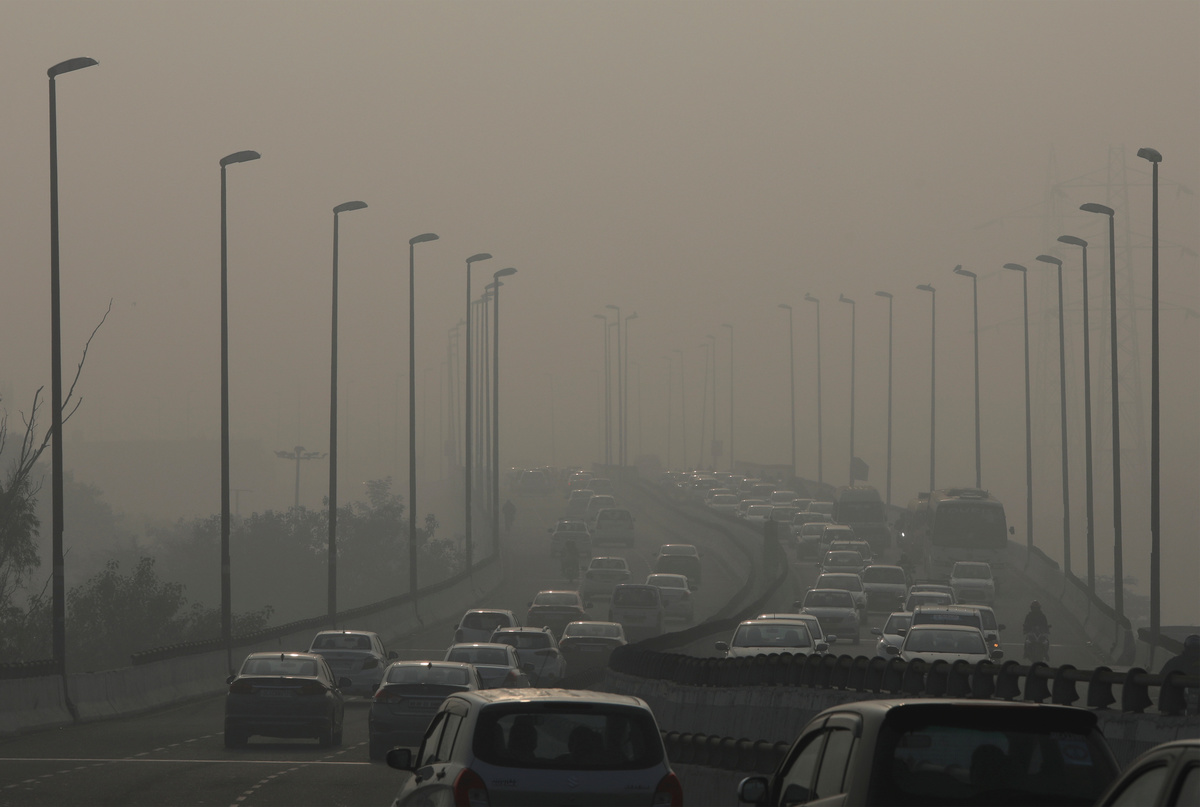
NEW DELHI (Reuters) - India on Thursday launched a program to rein in dangerous pollution levels in more than a hundred cities that the government said it expected to improve air quality significantly.
But the plan drew immediate criticism from environmentalists, who said it lacked a clear framework to tackle toxicity levels that have led to millions of deaths.
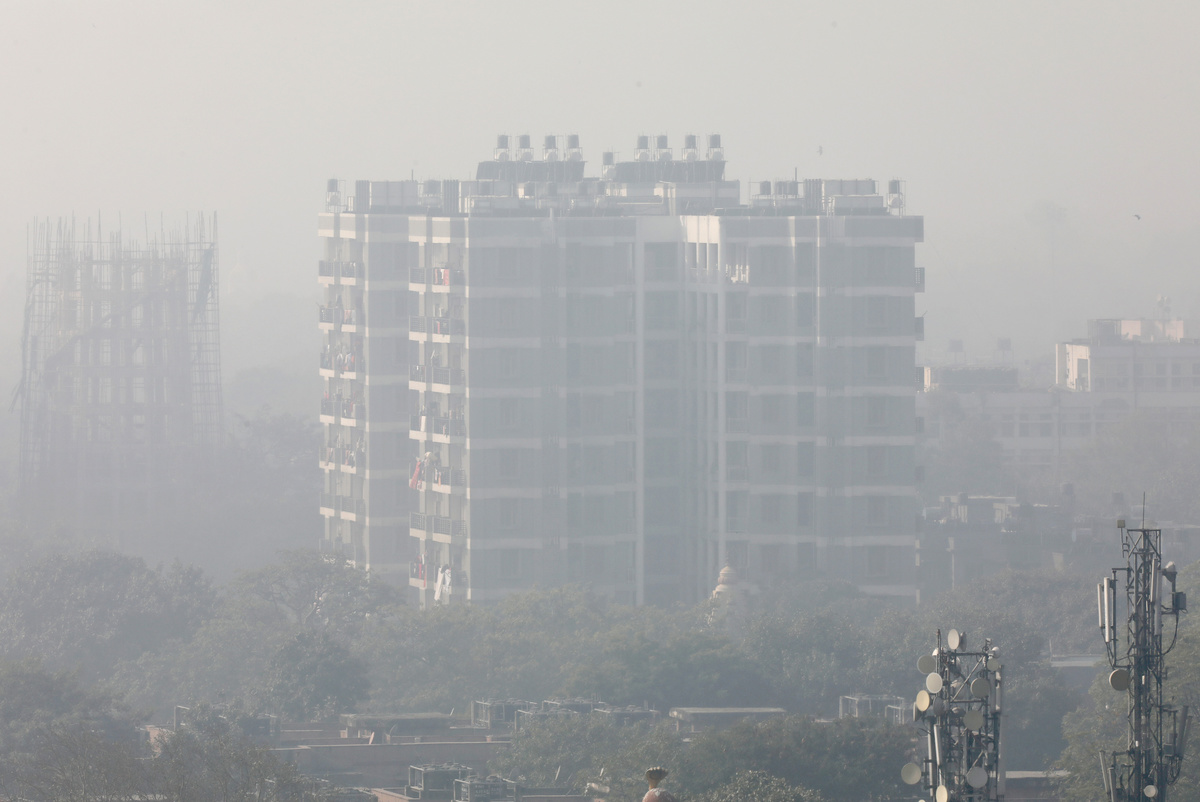
India is home to the world's 14 most polluted cities, according to the World Health Organization. Toxic air claimed 1.24 million lives there in 2017, a study in Lancet Planetary Health showed last month.
The National Clean Air Program (NCAP) aims to cut pollution in the 102 worst affected cities by 20-30 percent by 2024.
Launching it, Environment Minister Harsh Vardhan said he believed it would substantially improve air quality. "We need to ensure that we give clean air to our children and the generations to come," he told a news conference.
The plan aims to push through cuts in industrial emissions and vehicular exhaust fumes, introduce stringent rules for transport fuels and biomass burning and reduce dust pollution. It will also upgrade and increase monitoring systems.
Its launch, put back from last year due to bureaucratic delays, coincides with the annual peak of pollution levels in northern India, including New Delhi.
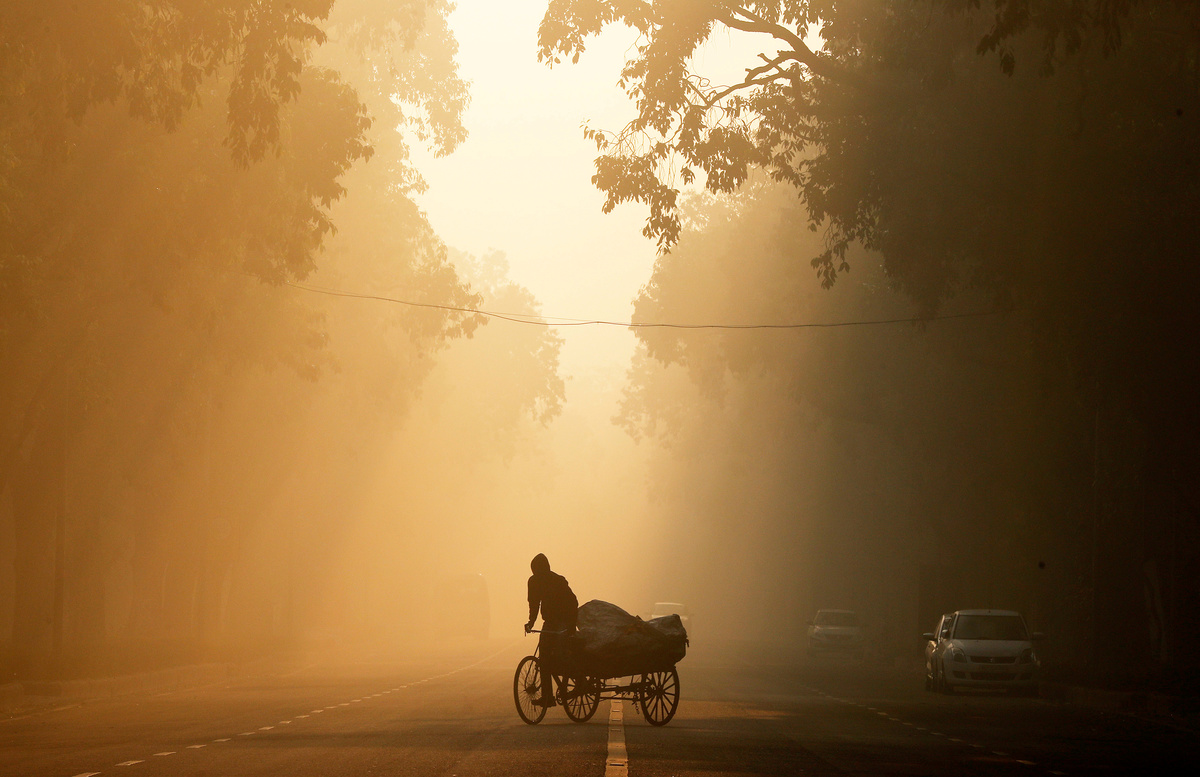
Since October residents of the capital, home to more than 20 million people, have struggled to breathe under a thick smog.
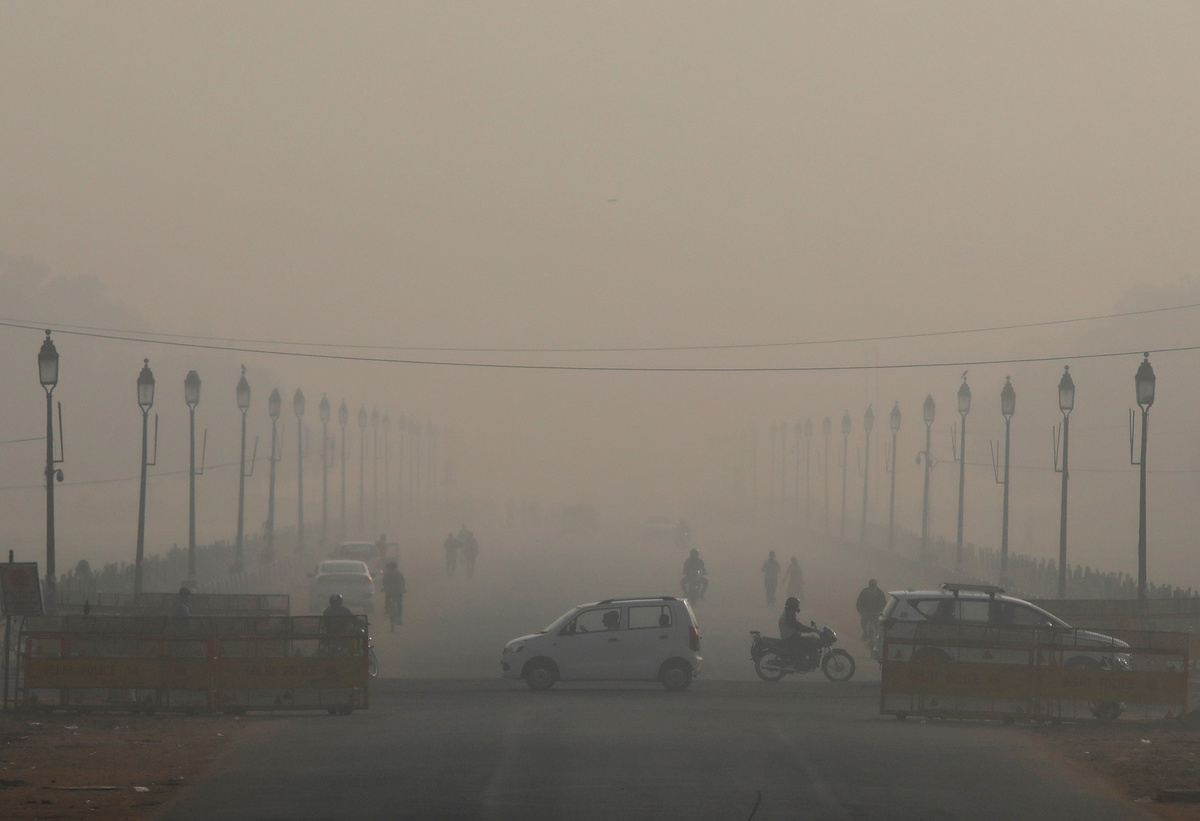
Last week pollution surged to "emergency" levels, as the Central Pollution Control Board's air quality index of poisonous particulate matter hit 440, more than 12 times the U.S. government's recommended limit.
Sunil Dahiya, senior campaigner with environmental group Greenpeace, welcomed the launch of the program but said it lacked focus and ambition.
"We hoped that the NCAL would be much stronger, would provide sector-wise targets, specific targets for the cities and mention a strong legal backing to take action against non- implementation," he said.
"We hope that the environment ministry shows more seriousness in implementing and strengthening the plan."
As pollution spiked in New Delhi in October and November, the government adopted measures ranging from a temporary ban on construction activities and garbage burning to a clampdown on coal-fired power stations.
But the measures were inadequate and poorly implemented, largely because of a lack of resources and political will.
(editing by John Stonestreet)