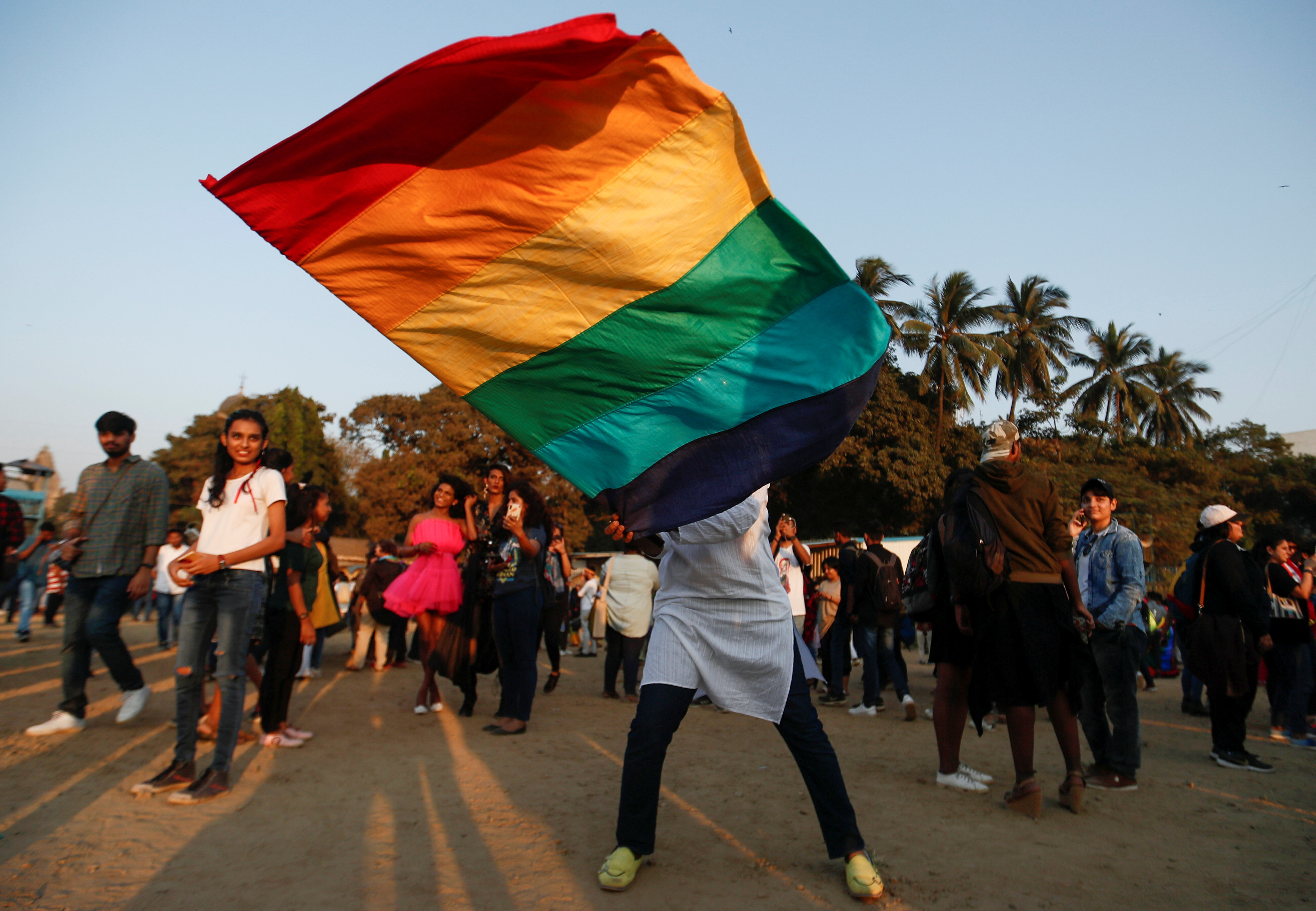
Court appeals in India to legalise same-sex marriage are "urban elitist views", the government has said in a new court document that seeks the dismissal of the challenge and says that parliament is the right platform to debate the matter.
Prime Minister Narendra Modi's government has already opposed the appeals, including some by gay couples, on the grounds that same-sex marriages are not "comparable with the Indian family unit concept of a husband, a wife and children".
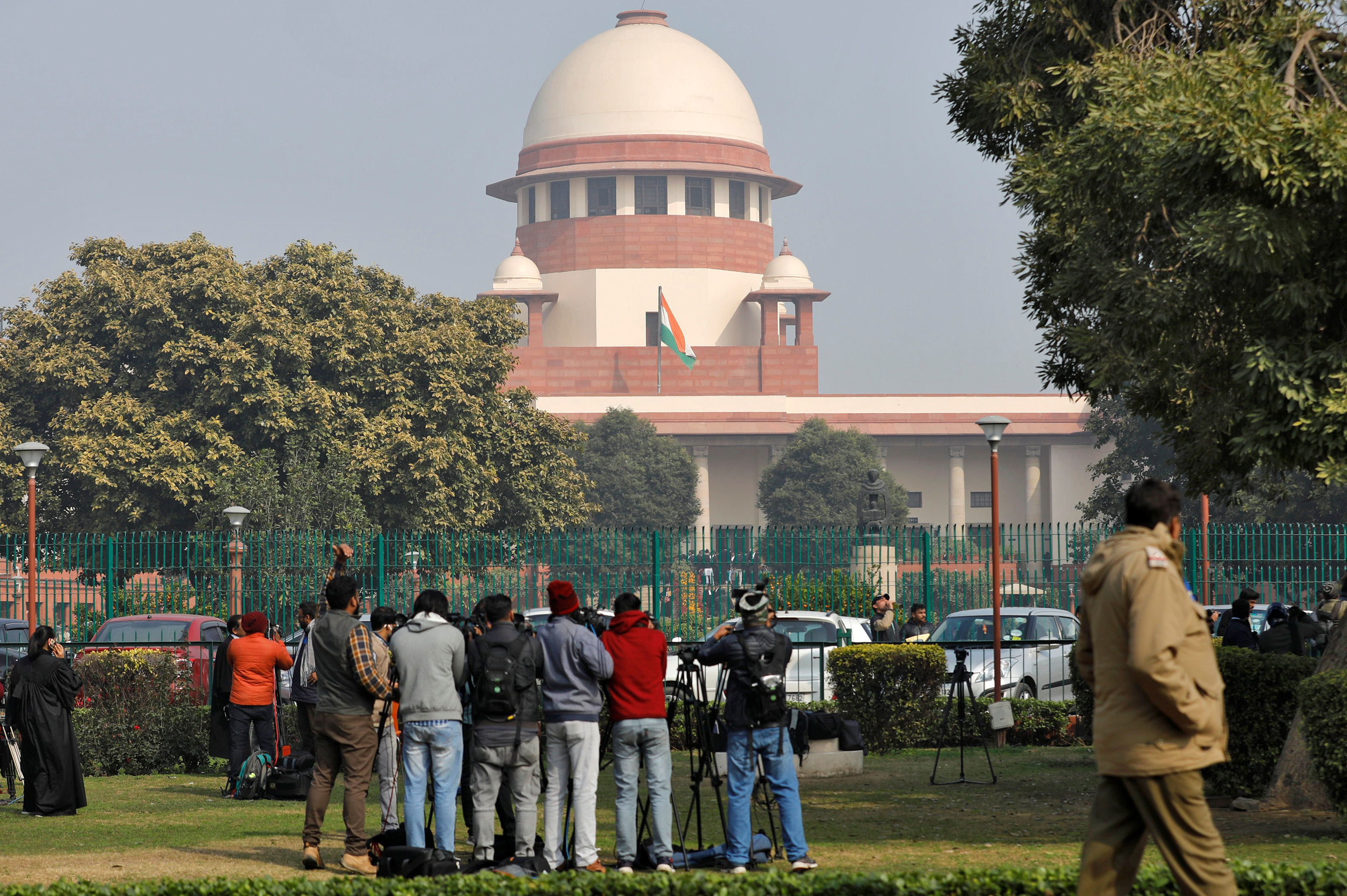
"The petitions, which merely reflect urban elitist views, cannot be compared with the appropriate legislature which reflects the views and voices of far wider spectrum and expands across the country," the government said in a filing to the Supreme Court on Sunday and seen by Reuters.
"Dismiss the present batch of petitions on grounds of maintainability," said the 102-page filing, which added that any court decision to recognise same-sex marriage would mean a "virtual judicial rewriting of an entire branch of law".
A five-judge bench headed by Chief Justice Dhananjaya Yashwant Chandrachud will be hearing the case from Tuesday and it will be live-streamed on the court website and on YouTube. The country's highest court decriminalised homosexuality in 2018 by scrapping a colonial-era ban on gay sex.
The government said it had to "take into account broader views and voice of all rural, semi-rural and urban population, views of religious denominations".
At least 15 appeals have been filed with the court in recent months stating that without legal recognition, many same-sex couples could not exercise rights such as those linked to medical consent, pensions, adoption or even club memberships.
Same-sex marriages are not as widely accepted in Asia as in the West.
Taiwan was the first in the region to recognise such unions, while same-sex acts are illegal in some countries such as Malaysia. Last year Singapore ended a ban on gay sex but took steps to bar same-sex marriages.
Japan is the only country among the Group of Seven rich nations that does not legally recognise same-sex unions, although the public broadly favours recognition.
(Reporting by Arpan Chaturvedi; Editing by Gareth Jones)