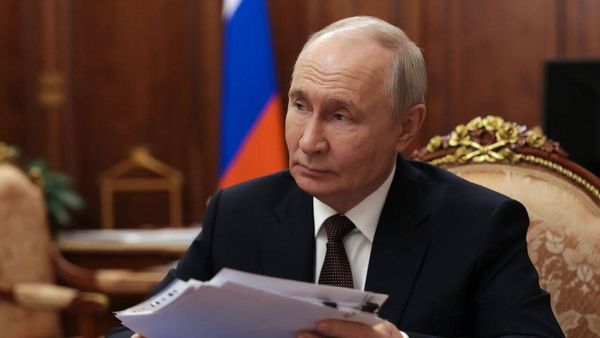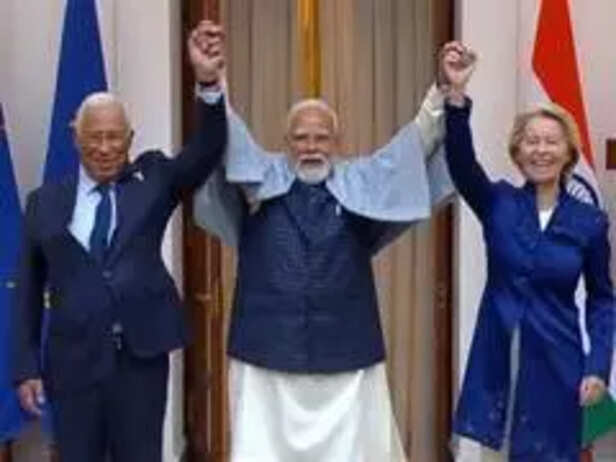
After nearly two decades of talks, India and the European Union (EU) have finalized a landmark Free Trade Agreement (FTA) that promises to transform trade, industry, and business in India. The deal covers goods, services, investment, and market access on an unprecedented scale, creating one of the largest trade partnerships globally. With India’s population exceeding 1.4 billion making it one of the world’s largest consumer markets opening doors to the EU’s 27-nation economic bloc represents opportunities and changes at every level of the economy :-
1. Lower Tariffs Could Make European Products Cheaper in India
One of the biggest changes expected is reduction in import duties on EU goods.
Possible impact:
• Cars, luxury items, electronics may become cheaper
• More options for Indian consumers
• Tougher competition for Indian brands
This could directly affect pricing in Indian markets.
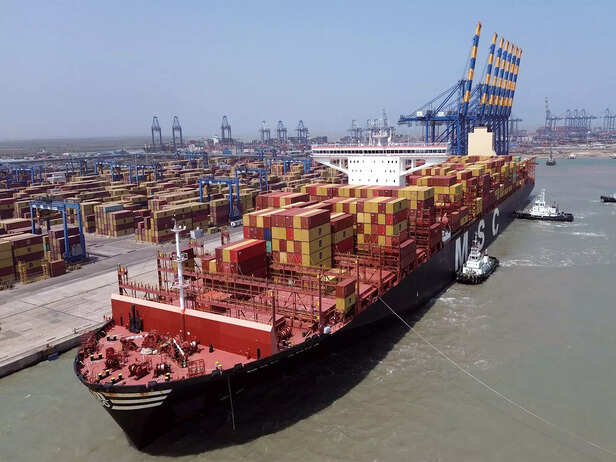
2. Indian Exports May Get a Big Boost in Europe
India wants better access for its products in the EU market.
Major winners could be:
• Textiles & garments
• Pharmaceuticals
• Engineering goods
• Chemicals
• IT services
If tariffs reduce, Indian exporters could gain a major advantage.
3. Jobs May Increase But Some Sectors Could Face Pressure
Trade deals can create jobs in export-focused industries.
Job growth may happen in:
• manufacturing
- logistics
• IT and services
• export supply chains
But at the same time, local industries that can’t compete with EU imports may struggle.
4. EU May Push Stronger Rules on Environment and Carbon Emissions
The EU is strict about climate policies.
This could mean:
• Indian industries may need greener processes
• higher compliance costs for factories
• shift towards clean manufacturing
But in the long run, it could modernize Indian industry.
5. Digital Trade & Data Rules Could Become a New Battleground
Modern trade deals are not only about goods they include technology and data.
Possible changes:
• stricter data protection expectations
• new rules for cross-border data flow
• impact on Indian tech companies and startups
This is one of the most sensitive areas.
6. European Investment Could Increase in India
A strong deal improves investor confidence.
Expected results:
• more FDI in manufacturing
• joint ventures
• stronger supply chain partnerships
• EU companies expanding operations in India
This could help India become a bigger global production hub.
7. Agriculture and Food Standards Could Become Stricter
The EU has strict standards for food and agriculture imports.
Possible impact:
• Indian farmers/exporters may need better testing and quality control
• higher focus on packaging, labeling, and hygiene
• improved global credibility for Indian food exports
It’s a challenge, but also a chance to upgrade.
8. Intellectual Property (IP) Rules Could Affect Medicines & Innovation
The EU often demands strong IP protections.
Concerns include:
• effect on generic medicines
• patent rules becoming stricter
• impact on pharma pricing
India’s pharma sector is powerful globally, so this part of the deal will be watched closely.
9. New Opportunities for Small and Medium Businesses (SMEs)
The deal includes specific provisions to support SMEs, reducing trade barriers and simplifying customs procedures so that smaller exporters and service providers can enter EU markets more easily than before.
-
What is the India–EU Trade Deal?
It’s a proposed Free Trade Agreement (FTA) aimed at improving trade, investment, and economic cooperation between India and the EU.
-
Will this deal make products cheaper in India?
It may reduce prices of some European goods if tariffs are lowered.It may reduce prices of some European goods if tariffs are lowered.
-
When will the India–EU trade deal be finalized?
Negotiations are ongoing. Finalization depends on mutual agreement on sensitive issues like tariffs, IP rights, and data rules.