America’s renters are finally getting some relief.
A combination of higher income and easing rent increases has freed up an extra $193 per month for renters, a new report from Zillow released Tuesday revealed. Rent rose 1.8 percent year-on-year in March to an average of $1,910, the slowest increase since 2020, the report said. At the same time, income increased 3.9 percent in March, according to the Federal Reserve Bank of Atlanta.
Regional trends reveal even bigger gaps between yearly income and rent. At March’s averages, the following five cities offer the biggest yearly savings for renters compared to March 2025: Austin ($3,182), Tampa ($3,110), Denver ($3,002), San Antonio ($2,990) and Phoenix ($2,906).
Texas was a relocation hotspot during the pandemic, and cities like Austin and San Antonio built apartment complexes and homes trying to meet demand. Both metros have an abundance of housing now, which has lowered demand and rent prices, an April 2026 rent study from rental site Apartment List found.
“The Austin metro is also significant for permitting new homes at the fastest pace of any large metro in the country, indicating the impact of new supply on softening rents,” Apartment List wrote.
The Zillow study also identified Austin as the most affordable metro in the country for rent, followed by Salt Lake City, Utah,; Raleigh, North Carolina; Minneapolis and Denver.
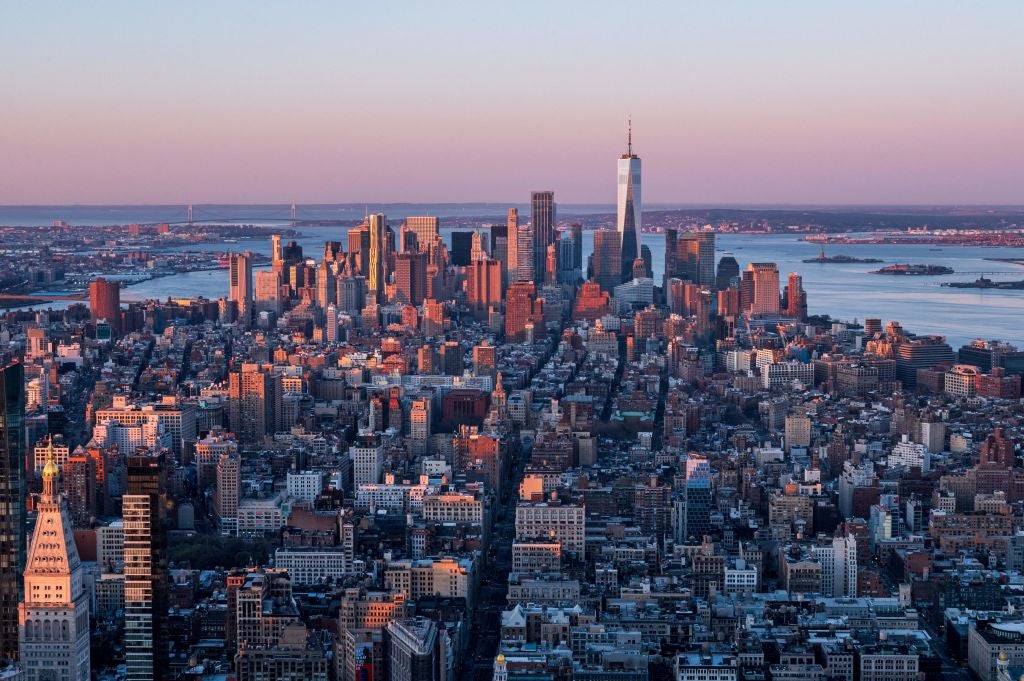
If renters in Austin are enjoying the best affordability in the nation, New Yorkers are living the opposite. Zillow found that the Big Apple was the least affordable metro area in the country, followed by Miami; Los Angeles; Riverside, California and Boston.
Among the 50 cities in the study, San Francisco had the smallest gap between income and rent at $38, followed by San Jose ($67), New York ($92), Chicago ($112) and Virginia Beach, Virginia ($125).
While there were many positive signs in Zillow’s study, there were other not-so-friendly trends reminding renters that cost-of-living still hasn’t returned to pre-pandemic levels.
The income that the average American would need to afford rent went up 1.7 year on year to $76,417 in March. That figure is 35.4 percent higher than before the pandemic.
So, while rent’s climb has slowed, renters are paying far more, on average, than they were in 2019.
"This moment of relief doesn't erase the affordability challenges that built up over time, but it does give renters more flexibility than they've had in years,” Zillow Senior Economist Kara Ng said.
Is more rent easing ahead for renters? It’s possible. The nation’s available rentals have increased steadily since the figure hit a 40-year low of 5.6 percent in the final three months of 2024. Some 7.2 percent of rentals were vacant by the end of 2025, the Federal Reserve Bank of St. Louis data shows.
Top value meals you can purchase for $5 - $10 at fast food chains
Lululemon sees largest market dip in years after announcing former Nike exec as CEO
McDonald’s new value menu debuts across US - but ends other deal program
Here’s how to get your money from the $425M Capital One settlement
Party City returns to U.S. after closing 700 stores
Americans quit streaming services as cost of living continues to climb, report finds