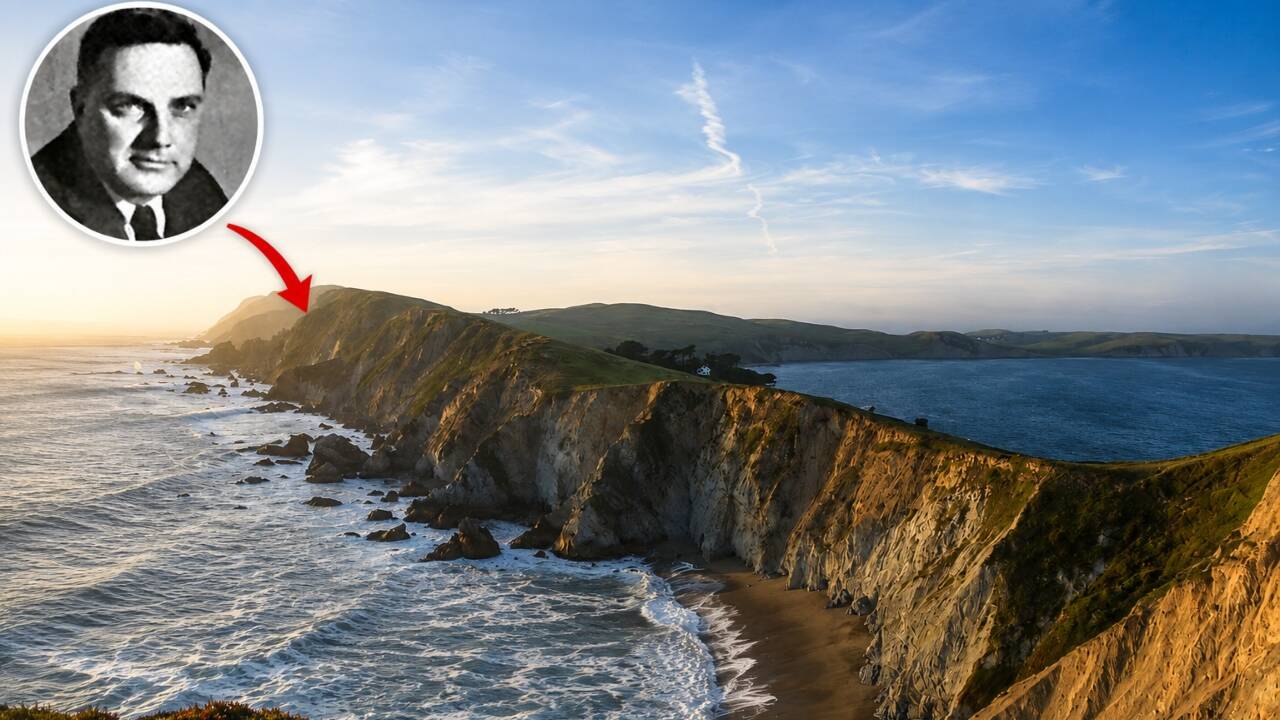
In the late 1950s, environmentalist Clement Woodnutt “Clem” Miller envisioned a different future for the windswept Point Reyes Peninsula, carrying that vision with him when he was elected to Congress in 1958. The Marin County Democrat became the political force behind a campaign to preserve the region as a national seashore during a time when development proposals threatened to transform parts of the landscape. Although the most well-known history of Point Reyes centres on its working ranches, Miller’s connection to the region was strictly political. nstead of owning land, Miller maintained close political ties with the owners of the privately owned Bear Valley Ranch, envisioning the property as the future gateway and anchor for his conservation campaign. Follwoing his efforts, the National Park Service later acquired the ranch from owners Bruce and Grace Kelham, and it now forms the administrative heart of Point Reyes National Seashore.
Get breaking news anytime, anywhere. Download the TOI app now!
A coastline facing threat of development
The push to protect Point Reyes had begun before Miller even entered Congress. According to the NPS, officials had recommended protecting roughly 53,000 acres of the peninsula as early as 1935, underscoring its exceptional landscape and proximity to the densely populated San Francisco Bay Area. However, the proposal languished as California’s coast developed. Notably, by the 1950s, roads, tourism facilities and residential developments were already expanding, while surveyors were laying out lots on the peninsula. A proposed Drakes Bay Estates development in 1956 envisioned more than 400 homes near Limantour Beach, adding urgency to efforts to secure federal protection.
Elected to Congress in 1958, Miller turned the conservation campaign into a legislative effort. The NPS noted that he worked with California Senator Clair Engle and conservationists to introduce legislation for a Point Reyes park. In a joint statement while introducing their 1961 proposal, Miller and Engle explained that the peninsula offered one of the remaining opportunities to protect an undeveloped shoreline near a major population centre. It is worth noting that the Congressman’s approach went beyond simply preserving the scenery; he sought to keep the coast accessible to the public while preventing the type of intensive development that was already transforming the country’s shorelines
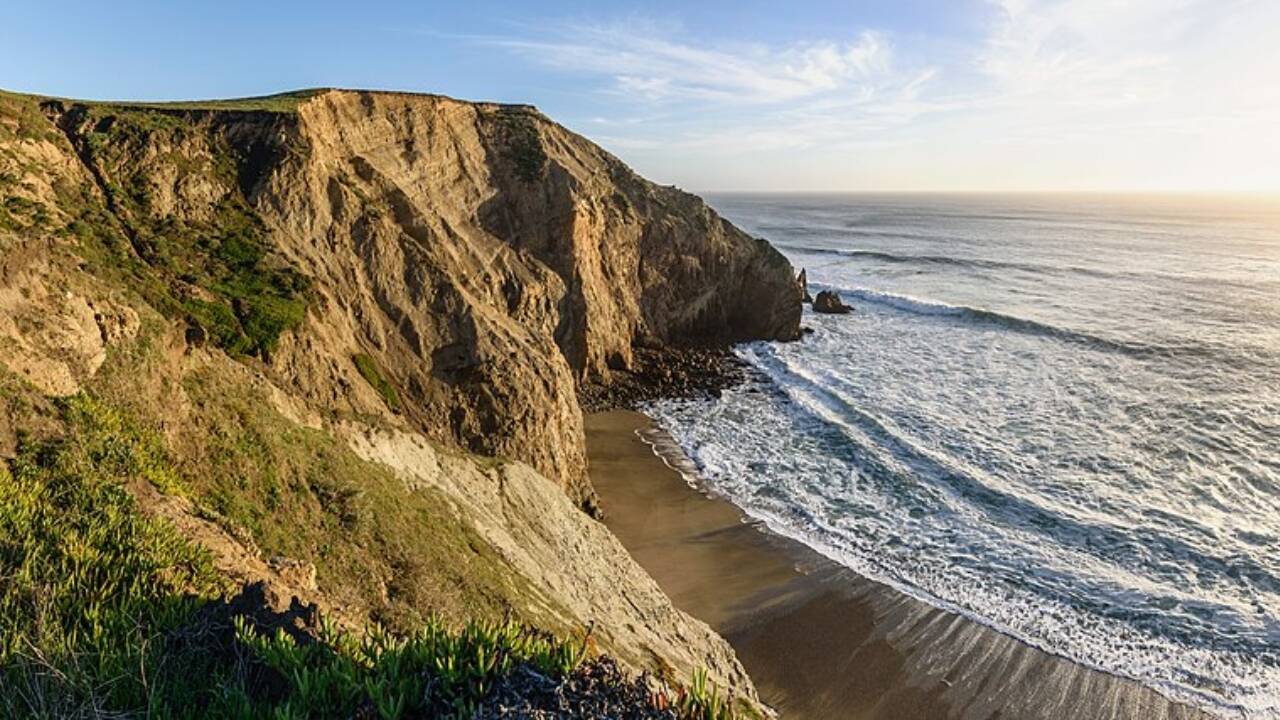
Bear Valley became a crucial part of the conservation story
One of the key locations in the emerging campaign was Bear Valley Ranch, owned by Bruce and Grace Kelham. The couple had bought the ranch in 1949, converting it from a long-running dairy operation into a large beef-cattle enterprise. By the late 1950s, conservationists identified Bear Valley as the logical anchor for the proposed park boundaries, and following the Bill’s passage, the NPS rented a building on the ranch from the couple in 1963 to serve as a local land acquisition office.
Although the conservation effort faced powerful development pressure, Miller helped navigate the legislation through Congress. The NPS records state that President John F. Kennedy signed the Point Reyes National Seashore Act on 13 September 1962, with the law authorising the landscape as a national seashore. Over the following decade, the federal government acquired additional ranches and properties, while allowing some existing agricultural operations to continue under long-term arrangements. Today, the seashore encompasses roughly 71,000 acres of federal and non-federal land. Miller, however, did not live to see the national seashore fully take shape. Less than a month after Kennedy signed the legislation, the 45-year-old congressman lost his life in an aeroplane accident near Eureka on 7 October 1962.
The NPS purchased the Bear Valley Ranch in 1963, and it became a part of the national seashore , with the property now being used as the park’s headquarters, primary visitor centre, picnic area and a major trailhead. Furthermore, a small parcel of the property took on a symbolic role as the first piece of land deeded to the new park, serving as Miller’s final resting place. Therefore, the landscape that once served as a working ranch became an administrative centre and a major memorial to the legislator whose campaign helped make federal protection possible.