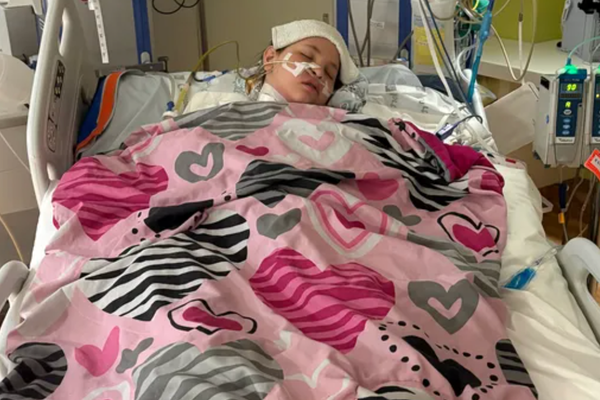
A 17-year-old Kurdish-Iranian asylum seeker is bludgeoned unconscious in a south London street: one of those assaults with a political dimension that seem to bestow a special joint status marked “hate” and “national introspection”. It stands out instantly from events just as vile but also more mundane. Say a 50% leap in London kids carrying knives. The BBC leads bulletins on the bloodshed from Croydon. The Daily Mail – by no means alone in the press – clears its front page, shouting “Savages”. There’s a common assumption that something’s gone very wrong, and this one grisly incident encapsulates it.
But what happens when there is no such assumption, when events divide rather than unite? By chance a week or so back, two reporters from the New York Times were detailed to follow a full day and evening of Fox News coverage and compare it with other US news agendas. And what stood out wasn’t the endless pumping for Trump so much as a single tale – some 53 minutes of it in primetime overall – that rival outlets touched on sparingly, if at all.
A 14-year-old Maryland girl said she’d been raped by two of her high-school classmates, 17 and 18, one of them an undocumented immigrant from Guatemala. “In my mind, they’re telling our little girls that this little girl’s life doesn’t matter as much as these illegal immigrants’ lives matter because they don’t want to spread a negative story,” said the Fox and Friends anchor Ainsley Earhardt. Her co-host Steve Doocy introduced a segment on the case by saying: “Where’s the mainstream media’s outrage? Hmm, we couldn’t find it.”
One panellist, Greg Gutfeld, said the case wasn’t being covered because it didn’t fit the media’s “liberal feminist narrative”. A guest on America’s Newsroom, Ed Martin, bluntly stated that “they’re raping and killing our people, and that’s what Trump won on”.
In short, the coverage was as you’d expect, and probably cringe over a distressing rape used to vindicate the broad policy thrust of a new president and Fox hero. But don’t let that hide an equally awkward series of questions. Was it right for America’s major media to be quite so slow and vestigial off the coverage mark? Didn’t they sense the explosive force of this tale from the start? Did the fact that it threw up obvious policy issues play any part?
It’s commonplace – from Trump to Brexit – to claim that the mainstream media are out of touch, that they select the news to fit their particular prejudices and leave ordinary folk with ordinary anxieties fretting unheard. The Gordon Brown meets Gillian Duffy memorial lecture. And a lethal perception: one that no sensible news editor should ever allow to be true.
Maybe it’s inevitable that individual news items become instant theses for right or left. The ordeal of a battered teenager in a Croydon street soon became yet another second-phase exchange between the Guardian-reading social media classes and Mail battalions. Wasn’t it a bit rich for the Mail to cry “Savages” after all its asylum-seeker reporting, its “racial tropes”? Contrapuntally, (asked Richard Littlejohn) is there any news the liberal left couldn’t fit into its pattern of provocations?
In normal circumstances, I guess, I’d have bought the liberal ticket from habit, instinct and belief. But not here. We’re looking out over a country, and a planet, divided by perception and experience. And the problem isn’t just fake news. It’s failure to share the same world of information. Trump voters didn’t dive off into the wilder shores of Facebook on a whim. They did it because the news diet that big media fed them didn’t seem to reflect their lives. You can make some of the same immigration points in the UK, too.
And one certain way to make a bad situation worse is not to report – fair and square, context and all – the stories that light the flames.