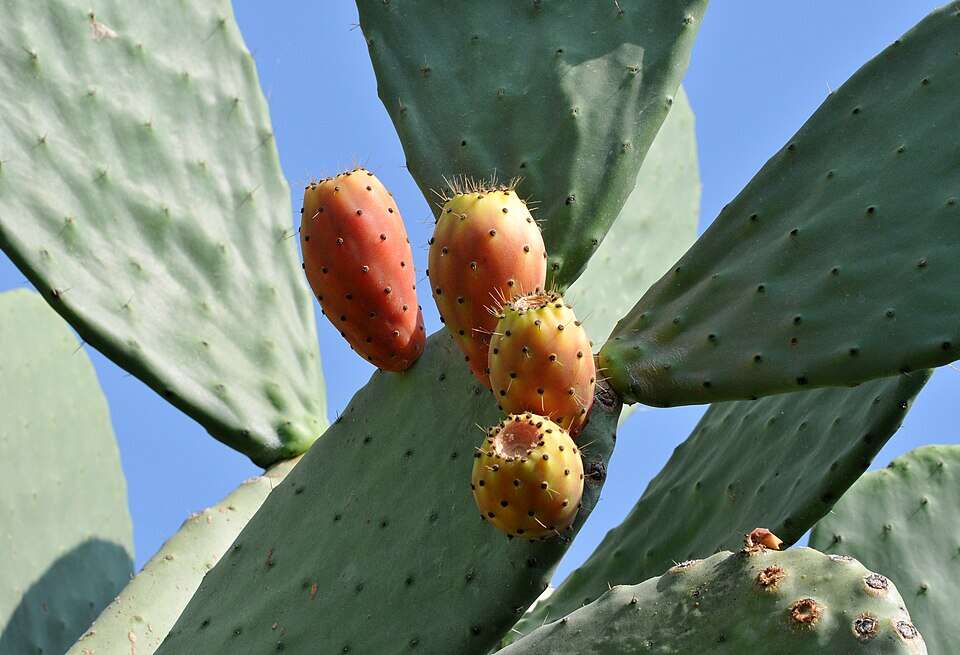
By the early 1900s, prickly pear had spread across more than 24 million hectares in Queensland and New South Wales, expanding by about 400,000 hectares a year, according to Queensland Government historical records. At its height, the invasion was expanding by about 1 million acres, or 400,000 hectares, a year, roughly 1,000 hectares a day, according to Queensland Government historical accounts. The problem persisted for years before scientists introduced a small moth from South America, now considered one of the world’s most successful biological controls.
Get breaking news anytime, anywhere. Download the TOI app now!
An introduced cactus became an environmental disaster
The Opuntia species is not native to Australia. According to the National Museum of Australia , prickly pear was introduced to Australia in 1788 after Sir Joseph Banks proposed establishing a cochineal dye industry in New South Wales.
While the cochineal insects failed to survive, the cactus flourished and spread across the landscape. The cochineal insect, which can be used to create a crimson dye, feeds on Opuntia cactus plants. The cochineal industry failed to become established, but the cactus thrived in Australia's climate. According to the Queensland State Archives , the Opuntia species spread rapidly, especially west of the Great Dividing Range, where conditions suited its growth and allowed it to outcompete native plants.
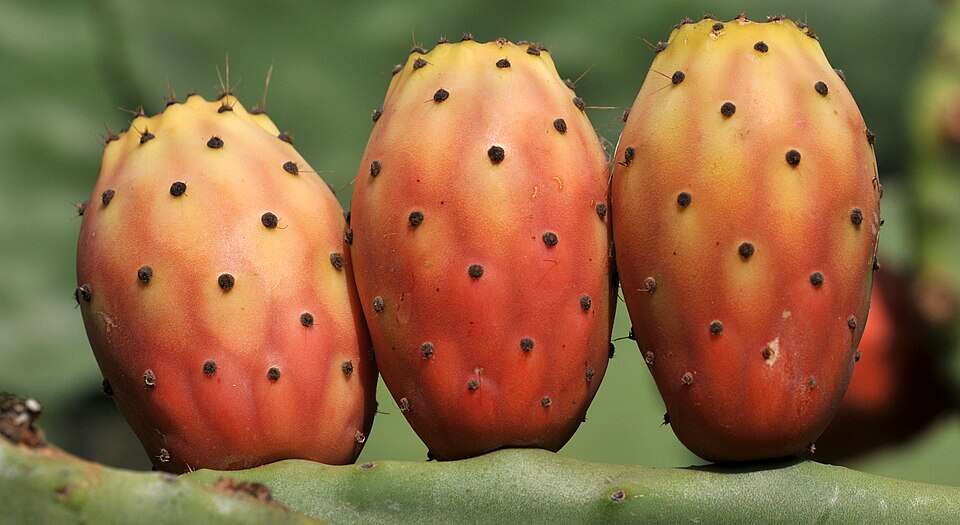
Governments tried a wide range of measures to stop the spread
As the cactus plants spread, governments began passing laws to slow them down. New South Wales introduced the Prickly-Pear Destruction Act in 1886, requiring landowners to remove the weed from their land. Inspectors were appointed to enforce the act, but the spread of the cactuses continued.
Archival records kept in the Queensland State Archives indicate that officials grew more and more worried as years went by. The correspondence of the late 1880s mentioned how birds were distributing the seeds, and floods brought parts of the weed to new areas, making elimination very challenging. Queensland announced a prize of £5,000 for whoever would come up with the means to kill prickly pears.
Suggestions for solving the problem came from around the world.
The Queensland State Archives says suggestions included salt, arsenic, cattle, steamrollers, electricity and mirrors to focus sunlight and burn the weeds. Nothing worked, and the reward was never collected. In 1910, Queensland officially classified prickly pear as a noxious weed under the Local Authorities Amendment Act.
Mechanical and chemical methods were costly and ineffective over such a vast area. Biological control became their focus instead. According to CSIRO , researchers surveyed prickly pear in its native range in the Americas to identify insects that naturally fed on the cactus. After extensive testing to ensure the insects would not threaten non-target plants, they introduced the cactus moth, Cactoblastis cactorum, which was first released in Queensland in 1926. The moth’s larvae burrow into prickly pear pads and feed from the inside, eventually killing the plant.
A small moth has changed millions of hectares of land
As reported by CSIRO and the Queensland State Archives, this project was highly successful. Within seven years, the moth had destroyed around 80 percent of Australia's prickly pear infestation, according to CSIRO and the Queensland State Archives. The project returned millions of hectares of grazing and farming land to use and became a landmark weed-control example. The project was so well known that Australia built Cactoblastis Memorial Hall in Boonarga, Queensland, to honour the insect’s place in agricultural history.
The legacy continues in weed management
Although the introduction of the cactoblastis moth solved Australia’s prickly pear problem, invasive cactus plants still persist in some areas. According to the Australian Government’s Department of Agriculture, Fisheries and Forestry, several cactus species remain weeds of national significance or are managed under control programs because of their impact on the environment and agriculture.
The prickly pear infestation influenced how Australia approaches invasive-species management, and modern weed control now relies on scientific risk assessment before biocontrol agents are introduced. Today, the prickly pear case is often cited as an example of successful biocontrol after legislation, chemicals, and other measures fell short.