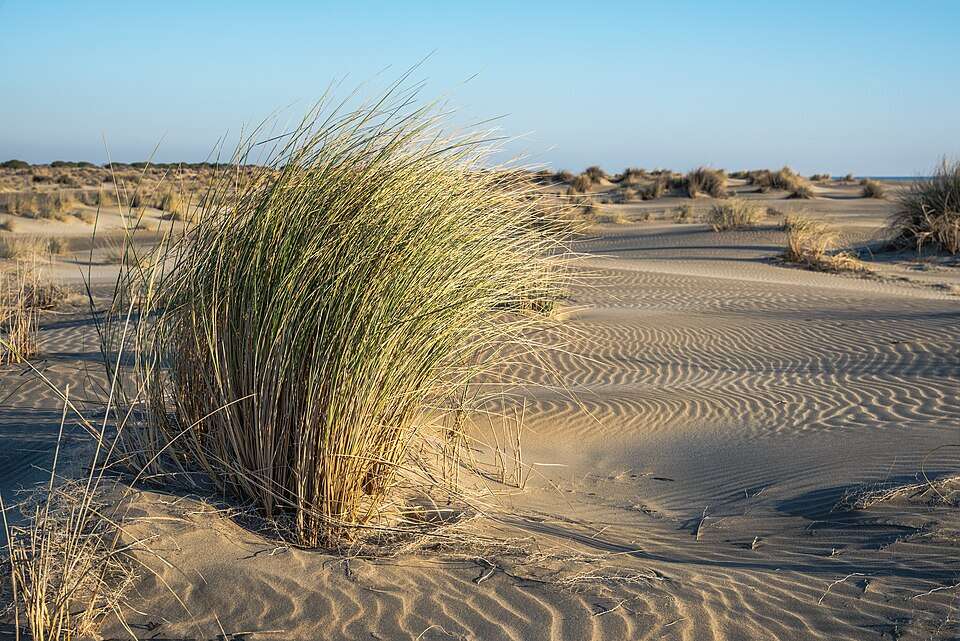
More than a century ago, a European grass was introduced to the western coast of North America because of its ability to stabilise shifting sand dunes and reduce erosion. Today, European beachgrass ( Ammophila arenaria ), also known as marram grass, is considered a highly destructive invasive species in coastal dune environments.
Get breaking news anytime, anywhere. Download the TOI app now!
The grass was introduced to the United States in the late 19th and early 20th centuries as researchers and land managers searched for ways to stabilise moving dunes. Its ability to immobilise sand reshaped coastal dunes, but the same feature later created ecological problems.
According to a review article published in the journal Diversity by Andrea J. Pickart of the US Fish and Wildlife Service, invasive Ammophila arenaria has significantly modified dune ecosystems along the western coast of North America. The paper traces the introduction of the species to California in 1896, including plantings in San Francisco’s Golden Gate Park, followed by its introduction to Oregon in 1910 for dune stabilisation.
The review notes that Ammophila arenaria spread across many beaches and dune systems along the west coast, where it came to dominate foredune vegetation in several areas. Its dense root and rhizome network not only stabilised dunes but also altered their shape and contributed to broader ecological changes.
Why was European beachgrass introduced to America?
European beachgrass is native to coastal regions of Europe, as well as parts of the Mediterranean and Black Sea regions. The plant is adapted to harsh coastal conditions, including strong winds, shifting sand and nutrient-poor soils.
Because of its natural ability to trap and hold sand, European beachgrass was used in coastal projects aimed at protecting shorelines from erosion. Its rhizomes spread through the sand and formed dense root networks that captured windblown sand, creating taller, narrower and more stable dunes.
The plant was effective in these projects, but coastal dunes are naturally dynamic landscapes shaped by wind and waves. By preventing dunes from shifting, European beachgrass disrupted some of the natural processes that shaped these ecosystems.
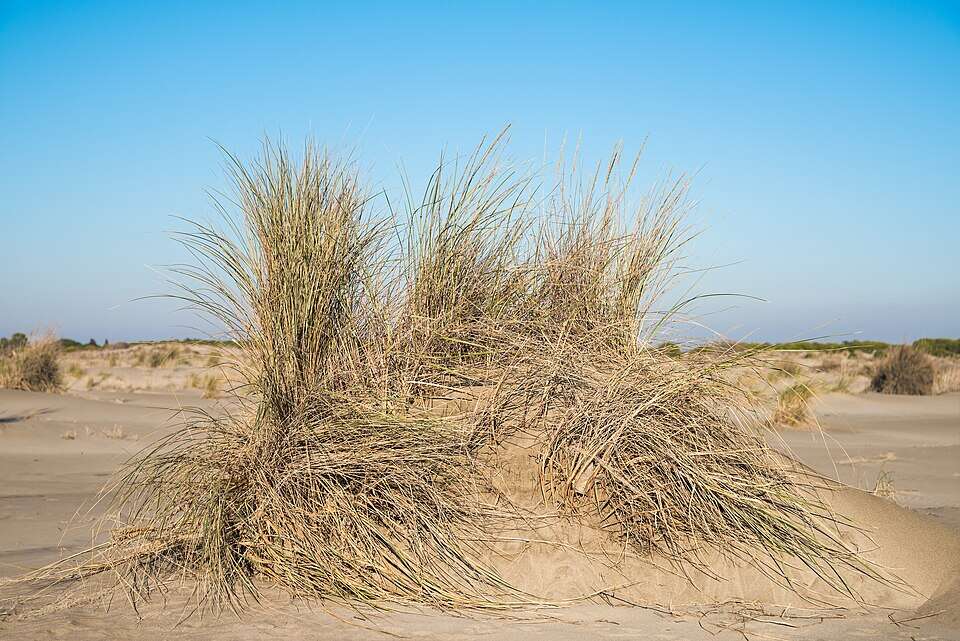
How invasive grasses changed America’s coastal dunes
Before invasive grasses spread, Pacific coastal dunes were shaped by native plants such as American dune grass ( Elymus mollis ). These native dune systems developed through natural cycles of sand movement and vegetation growth.
According to Pickart’s review in Diversity , dunes dominated by Ammophila arenaria tend to become taller, narrower and steeper compared with native dune systems. This change can restrict the natural movement of sediment between beaches, dunes and inland areas.
Fixed dunes became a problem because they could not move and adjust during storms. The movement of dynamic dunes helped these ecosystems recover after natural disturbances, while stabilised dunes became less flexible.
Native species began disappearing
The introduction of European beachgrass changed not only the appearance of coastal dunes but also the species that depend on them. The Diversity review summarised findings from earlier studies showing that invasive Ammophila species can reduce native plant diversity by forming dense communities that compete with local vegetation. As the grass expands, it can dominate dune landscapes and leave less space for native plants.
Researchers have also observed impacts on other organisms. A study cited in Pickart’s review found that dunes invaded by Ammophila had lower richness and abundance of terrestrial arthropods compared with restored dune systems and areas where natural dune processes remained intact.
Some animal species have also been negatively affected. Changes in vegetation structure and habitat conditions can reduce the availability of suitable environments for certain native species. However, not all species respond negatively. Research from the US Forest Service found that some rodents may benefit from dunes containing Ammophila because the grass provides moisture retention and protective cover.
Restoring natural dunes after more than a century
Since the 1990s, government agencies and conservation organisations have worked to remove European beachgrass and restore native dune ecosystems. According to research reviewed by the US Fish and Wildlife Service, restoration methods include manual removal, controlled burning, herbicide application and mechanical excavation. Each method has advantages and limitations.
Manual removal can be less damaging to surrounding ecosystems but is often expensive and labour-intensive. Herbicide treatment can reduce Ammophila arenaria populations but requires careful management. Controlled burning can be faster but may also disturb other parts of the ecosystem. Some restoration projects have shown success. At Lanphere Dunes in California, removing European beachgrass helped native vegetation return and supported the recovery of natural dune processes.
A century-old lesson in ecological management
European beachgrass was introduced as a way to control erosion and stabilise shifting sands, but its spread later created challenges for coastal ecosystems. Restoring dunes now involves bringing back the natural movement and biodiversity that existed before invasive grasses became dominant. As climate change puts more pressure on coastal regions, maintaining healthy and adaptable dune systems will become increasingly important.