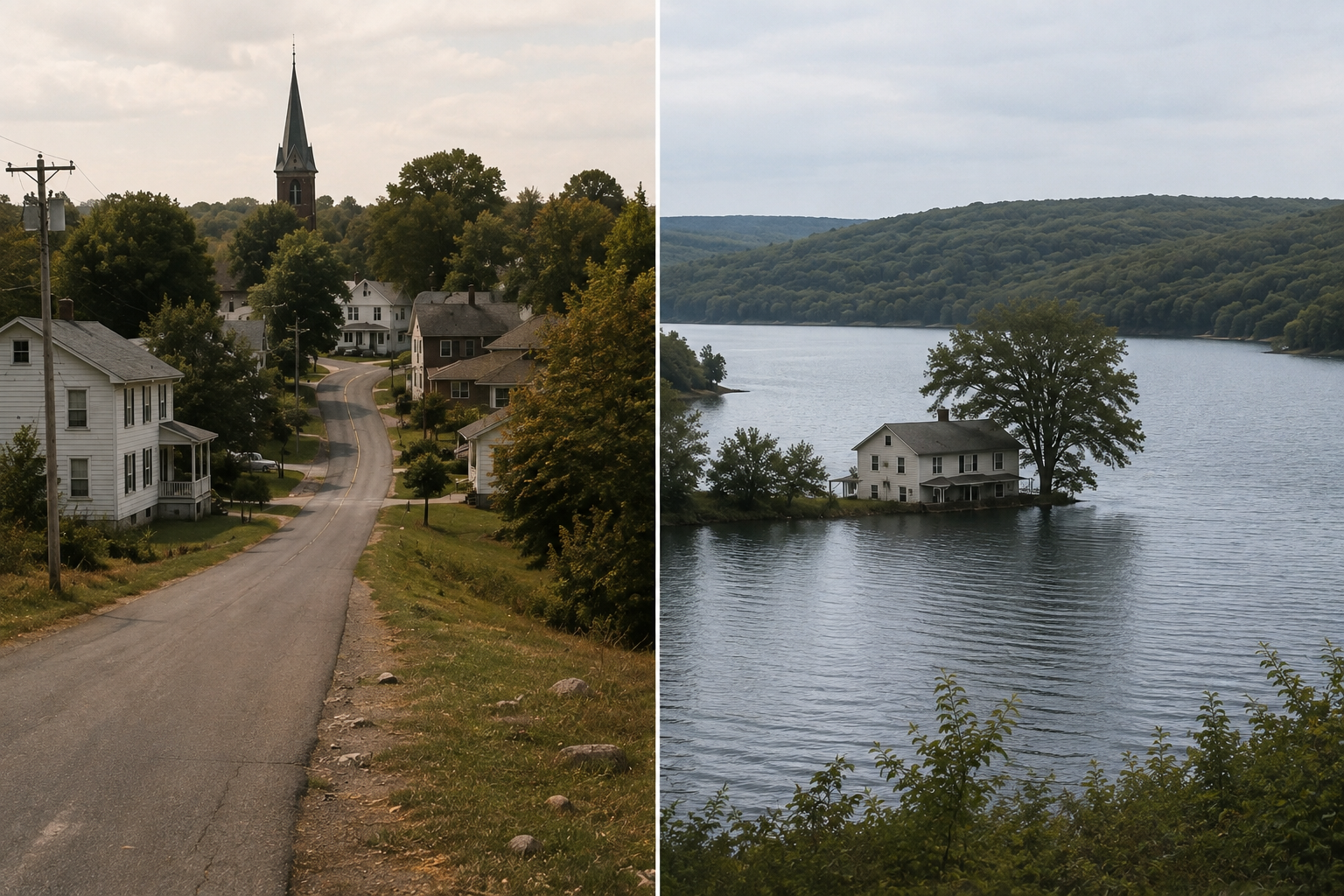
For decades, the quiet farming community of West Thompson in northeastern Connecticut lay beside the Quinebaug River, where spring snowmelt and heavy rain periodically caused damaging floods. In the 1960s, however, the village faced a very different future. To reduce flood damage across the wider Quinebaug River basin, the U.S. Army Corps of Engineers began acquiring homes, farms and businesses for the West Thompson Reservoir. This project would permanently transform the landscape.
Get breaking news anytime, anywhere. Download the TOI app now!
According to the U.S. Army Corps of Engineers , the federal government acquired about 2,033 acres in both Thompson and Dudley, Massachusetts, for the West Thompson Dam and Reservoir project, purchasing nearly the entire village of West Thompson. Most residents accepted compensation and relocated before the buildings were demolished to create the flood-storage area. One homeowner, however, chose to stay.
Building a reservoir instead of another town
The West Thompson project was part of a broader effort by the U.S. Army Corps of Engineers to reduce flooding across New England after a series of destructive floods during the 1930s, 1950s and 1960s. Unlike reservoirs built primarily to supply drinking water or generate electricity, West Thompson was designed mainly for flood control. During periods of heavy rainfall or rapid snowmelt, however, the dam temporarily stores excess water, reducing downstream flood peaks before gradually releasing the water once river levels fall.
The U.S. Army Corps of Engineers also notes that construction of the earthfill dam began in 1963 and was completed in October 1965, and that the dam is about 70 feet high and 2,550 feet long. The reservoir can temporarily store billions of gallons of floodwater during major storms, helping protect communities downstream in both Connecticut and Massachusetts.
One woman who stayed behind
While almost every resident eventually moved away, Alice Ramsdell remained determined to stay on the land where she had spent most of her life. Rather than requiring her to leave immediately, the U.S. Army Corps of Engineers reached an unusual compromise. She transferred ownership of her farmhouse to the federal government but retained the legal right to live there for the rest of her life under a life-tenancy agreement. As other homes and buildings were removed for the flood-control project, she became the only remaining resident within the government-owned reservoir area. Even after the West Thompson Dam was completed in October 1965, she continued living in the farmhouse under that agreement until she died in 1995, after which the property passed fully to federal ownership.
From abandoned village to protected landscape
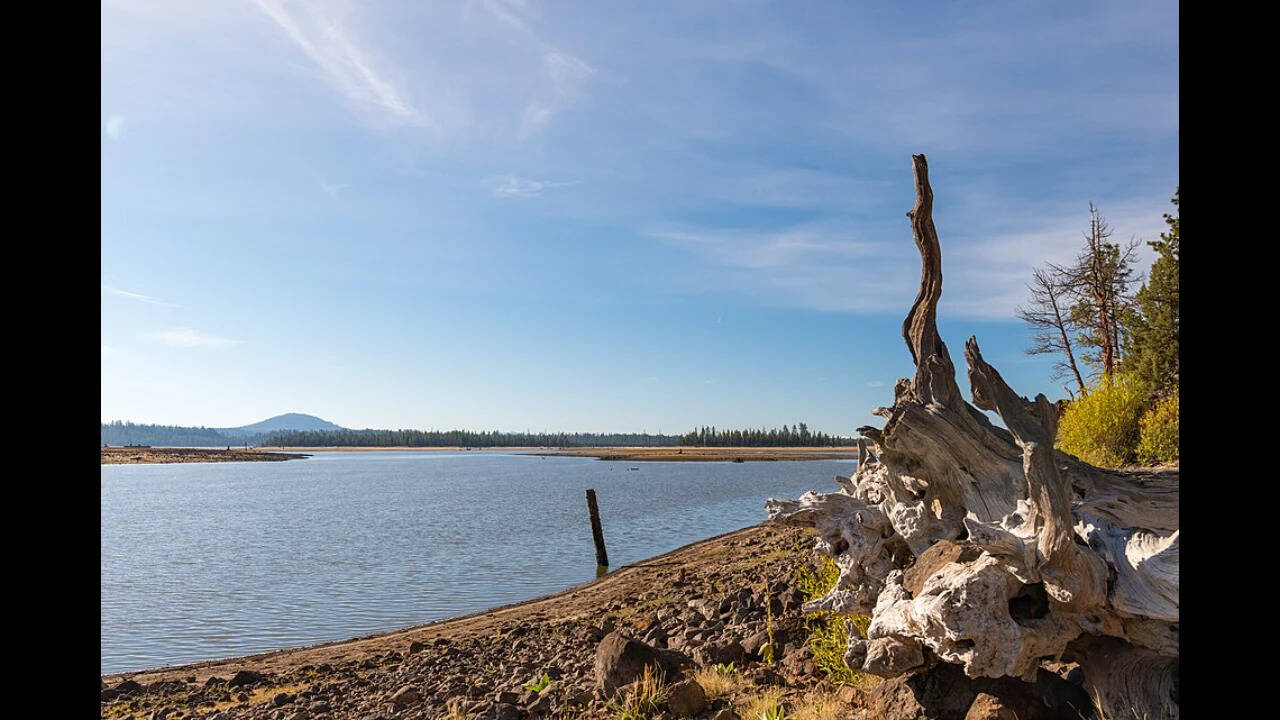
The former village is now part of the West Thompson Lake recreation area, where forests, wetlands and meadows cover land that once held homes, farms and local businesses. The reservoir continues to reduce flood risks while also providing habitat for wildlife and opportunities for hiking, fishing, birdwatching and environmental education.
According to Nature Water , restoring floodplains and giving rivers more room to spread naturally can deliver benefits beyond flood protection, including improved habitat connectivity, greater biodiversity and enhanced natural water storage. These approaches demonstrate how combining flood management with ecosystem restoration can create more resilient landscapes over the long term.
More than fifty years after the West Thompson Reservoir was built by the U.S. government, it continues to protect downstream communities during heavy rains. At the same time, the reservoir preserves the memory of a community that disappeared during its construction, reflecting the lasting human impact of large infrastructure projects.