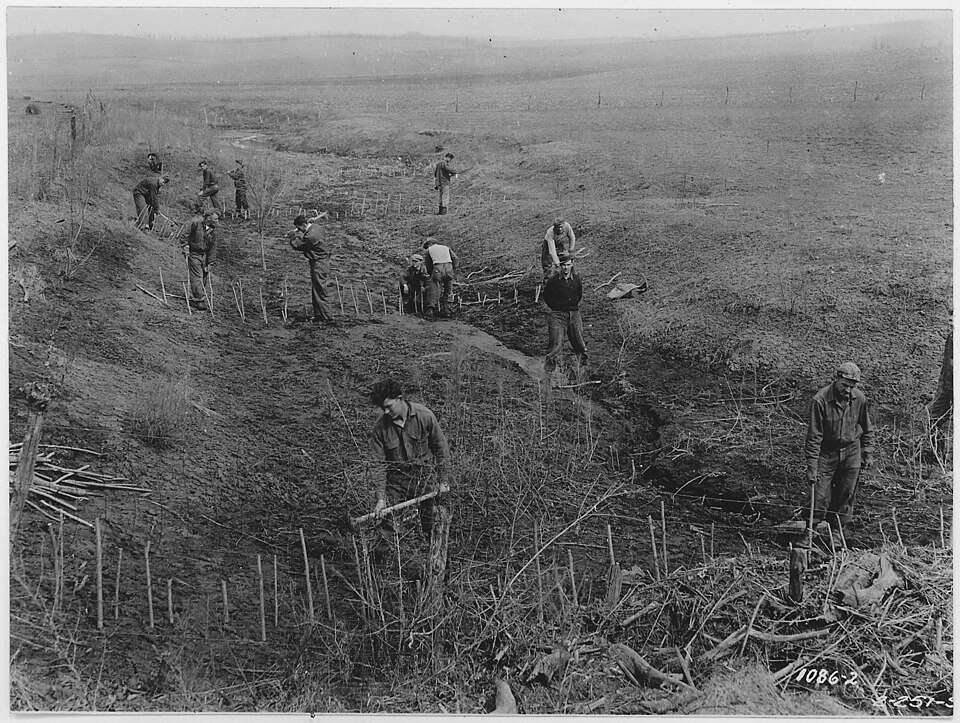
In the 1930s, the Dust Bowl hit America’s Great Plains and was caused by more than drought alone. Years of intensive ploughing, drought and strong winds blew away fertile topsoil and damaged farms across the central United States. To combat this, the government launched a tree-planting programme across the Plains.
Get breaking news anytime, anywhere. Download the TOI app now!
More than eight decades later, some of these shelterbelts still remain. According to a US Forest Service study, these shelterbelts remain important features of the Great Plains.
How the Dust Bowl prompted large-scale tree planting
The Dust Bowl era was one of the worst environmental disasters in US history. The US National Drought Mitigation Center points out that the event resulted from droughts and mismanagement of the Great Plains' land. Wind erosion left huge tracts of farmland damaged, and many people migrated in pursuit of employment opportunities.
Soil conservation was a priority for President Franklin D. Roosevelt. In 1935, under the New Deal, the government launched the Prairie States Forestry Project (PSFP) to plant rows of trees stretching from the Texas Panhandle to Canada, reducing wind speed and stabilising vulnerable farmland.
As noted in research carried out by the US Forest Service and the University of Nebraska , the project helped plant about 220 million tree seedlings and created an estimated 18,600 miles (29,900 km) of shelterbelts on 240,000 acres across about 30,000 farms. The project is widely regarded as one of the largest afforestation projects in the United States.
Why Roosevelt's "tree wall" was not really wall
Although the name of the project was "Great Wall of Trees", the project did not create forest cover like a wall from Canada to Texas; instead, thousands of strips of private farms were established across six states. There was a political controversy over federal money being used for conservation work on private farms. Some forestry experts were doubtful whether mass tree planting would yield any positive results in the dry plains. The government provided guidance and all the support needed for plantation efforts, but the land owners were long-term custodians of the trees.
The shelterbelts worked through aerodynamics as a semi-permeable barrier that allows some air through while slowing and redirecting the rest. This avoided damaging turbulence, which a solid wall can create. The protected zone expands as trees grow: US Forest Service guidance says crop benefits are generally strongest between three and ten times a windbreak’s height downwind, with some effects measurable at 15 times its height. As per the modern USDA estimates, well-designed windbreaks can lead to gains in net crop yield by up to 20%.
How shelterbelts protect farmland
Unlike commercial forests, shelterbelts were designed specifically to protect farms. Rows of trees were planted to minimise wind speed. According to the USDA National Agroforestry Center, reducing wind speed with shelterbelts helps minimise topsoil erosion, reduce soil moisture loss, protect crops from wind damage and lessen snow drifting in winter.
According to the USDA National Agroforestry Center, well-designed windbreaks can reduce wind speed over long distances and improve crop growth. The trees also provide shade for animals and serve as habitat for birds, bees and other wildlife species. Although many shelterbelts are about 90 years old, they remain ecologically important.
According to a US Forest Service study, these shelterbelts, which have lasted for multiple generations, remain important infrastructure in the Great Plains. In addition to preventing soil erosion, they support biodiversity, sequester carbon and make landscapes more resilient, benefits that are becoming more important as climate change brings more frequent droughts and extreme weather.
Researchers also warn that many original shelterbelts have been removed or degraded. The study says the condition of many existing tree belts is unknown because there is no unified nationwide monitoring programme to track them. To address this, researchers are digitising historical records, photos, maps and planting documents stored at the USDA National Agroforestry Center.
Why the project still matters today
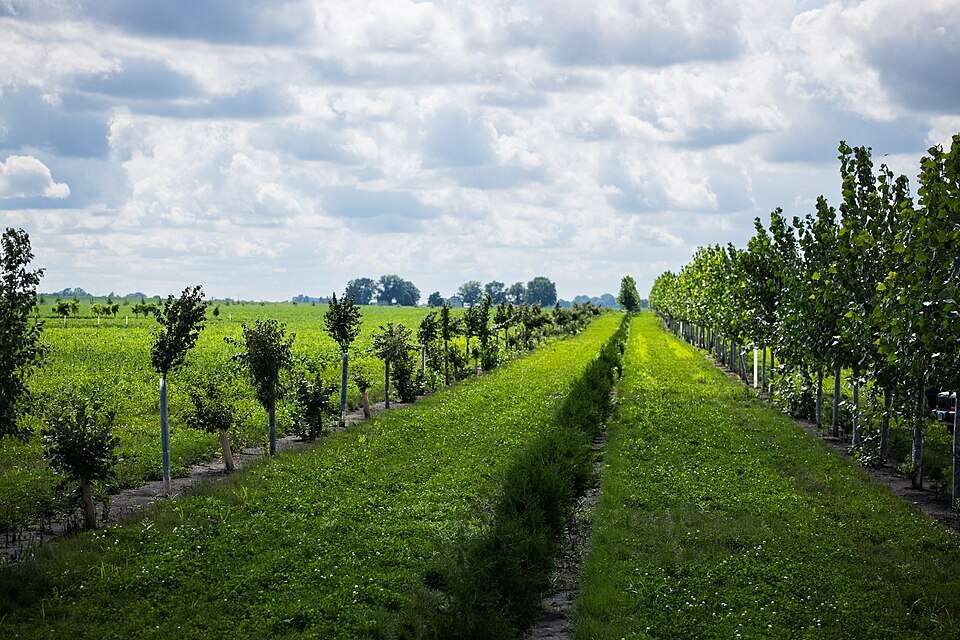
However, scientists say success depends on more than planting trees; choosing the right species and managing them over decades is essential. Nearly a century after the first seedlings were planted, hundreds of kilometres of tree belts still shield farmland and provide wildlife habitat.