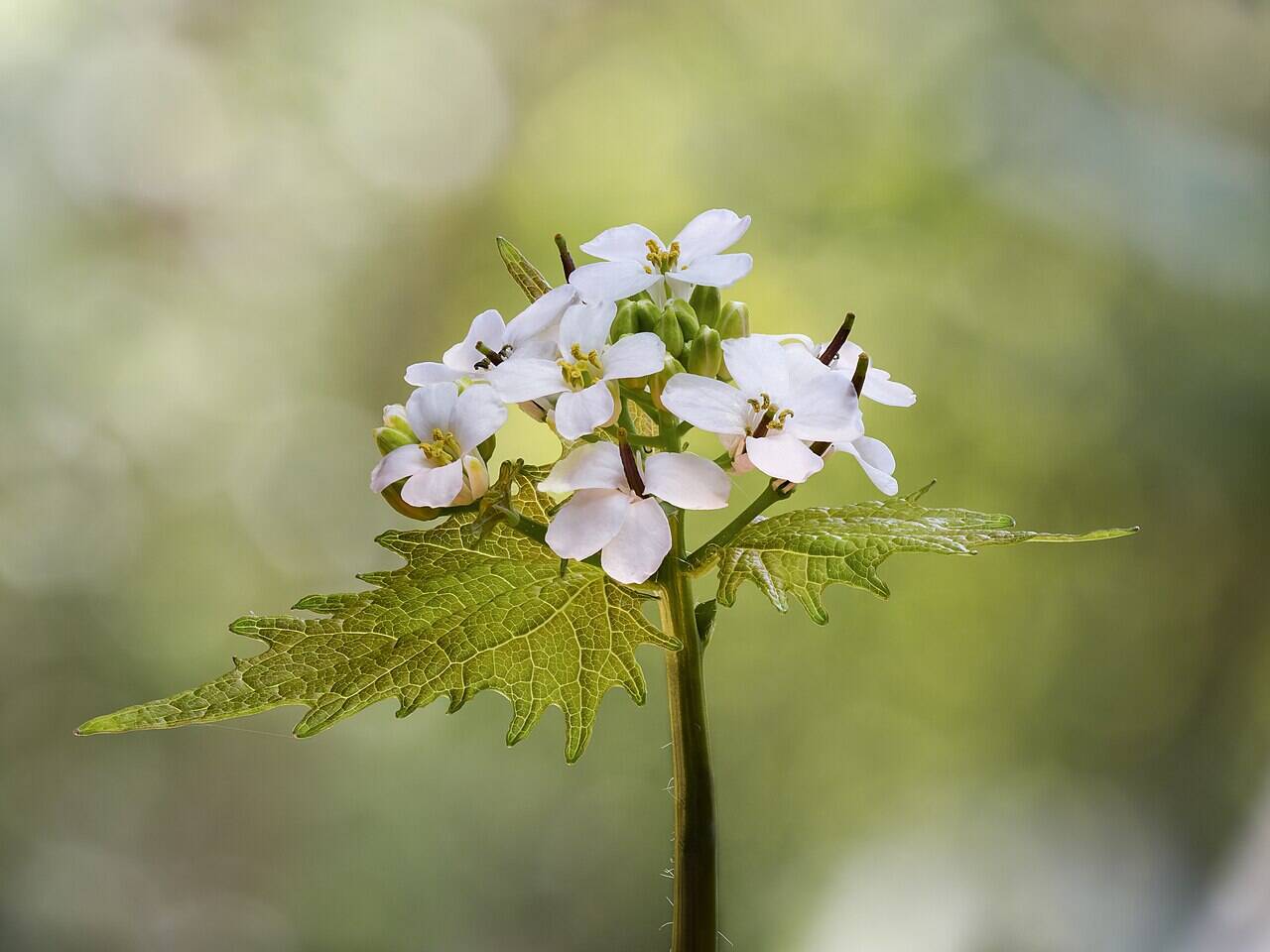
A plant once valued for its culinary and medicinal uses is now linked to changes in soil communities in some North American forests. Garlic mustard (Alliaria petiolata), a leafy herb native to Europe, was introduced to North America by European settlers in the mid-1800s. Over time, it escaped cultivated gardens and became established in forests and other natural areas.
Get breaking news anytime, anywhere. Download the TOI app now!
While invasive plants are often noticed because of the way they change landscapes above ground, some of their effects can take place beneath the surface. Soil contains complex communities of microorganisms that support nutrient cycling and plant growth. When these communities shift, it can affect how ecosystems function.
A study by Alexander B. Faulkner and colleagues, published in the Proceedings of the 19th Central Hardwood Forest Conference, examined the effects of garlic mustard on soil microbial communities in a pine plantation on sandy soils at Sand Ridge State Forest in central Illinois.
The researchers found that garlic mustard invasion had the potential to shift soil microbial communities, with invaded soils showing greater numbers of some bacterial colonies and lower fungal activity relative to bacterial activity in the study sites. This is important because many native plants, including trees, depend on beneficial fungal relationships around their roots to support nutrient uptake and growth.
A plant introduced for gardens that spread into wild spaces
As garlic mustard spread beyond cultivated gardens, it became established in woodlands and other natural habitats, prompting researchers to investigate how it interacts with the environments it invades. Much of that attention has focused on what happens below the surface, where soil microorganisms play a key role in supporting plant growth and nutrient cycling.
Unlike many native forest plants, garlic mustard does not form the same type of mycorrhizal associations with soil fungi. The study notes that the plant can release compounds that may affect these beneficial fungal relationships, which many native plants depend on for nutrient uptake. Changes to these below-ground interactions are considered one of the ways garlic mustard may influence forest ecosystems.
Researchers have been studying why garlic mustard is successful in new environments. One factor is its interaction with soil. Many plants form partnerships with fungi called mycorrhizae. These relationships help plants access nutrients and water, while the fungi receive energy from the plants. These shifts can alter the underground conditions that support native plants.
In a study published in The American Midland Naturalist , Karl J. Roberts and Roger C. Anderson examined the effects of garlic mustard extracts on plants and arbuscular mycorrhizal (AM) fungi. Their findings suggested that compounds produced by garlic mustard could affect these below-ground fungal associations that many plants rely on.
These findings suggest that garlic mustard affects more than just sunlight and space. It can also interact with the soil environment in ways that influence the relationships between plants and microorganisms.
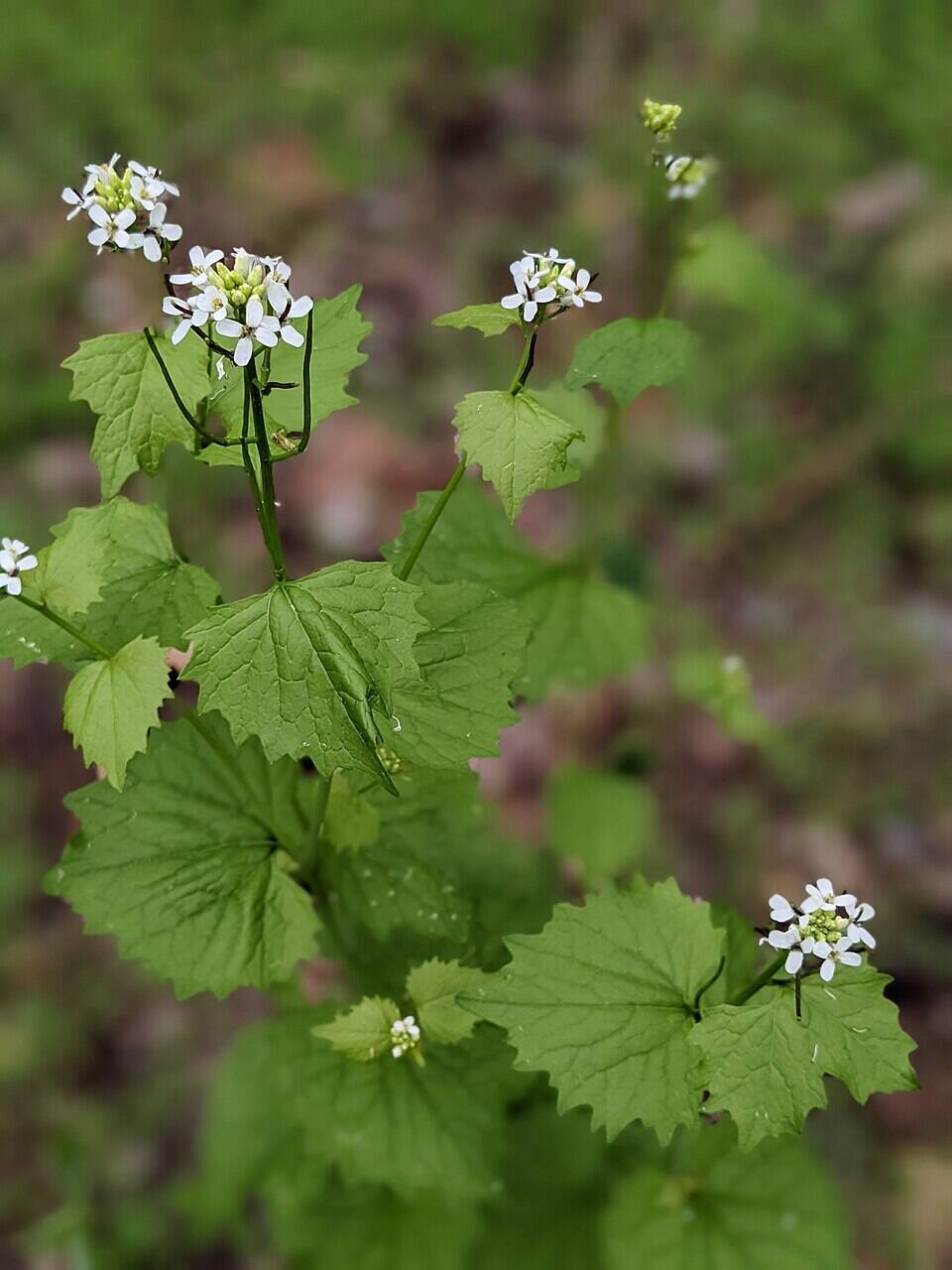
What happens beneath the soil when garlic mustard moves in
To understand these below-ground changes, Faulkner and his team compared soil from pine forest areas with garlic mustard and areas without the invasive plant. They measured soil respiration, microbial activity and bacterial populations to examine whether garlic mustard was associated with changes in soil processes.
At Sand Ridge State Forest in central Illinois, Faulkner and colleagues found that soil carbon dioxide efflux increased as garlic mustard density increased across the three study sites. Since soil respiration can come from both plant roots and microorganisms, the researchers also examined soil samples under laboratory conditions to better understand microbial responses.
Their experiments showed differences between soils from invaded and non-invaded areas. When nutrients were added, soils from garlic mustard sites showed higher respiration rates during parts of the incubation period. The researchers suggested that these differences indicated changes in microbial communities and nutrient availability.
The study also found evidence of a shift in the balance between fungi and bacteria. Soil from areas without garlic mustard had a higher ratio of fungal to bacterial activity, while invaded soils showed lower fungal activity relative to bacterial activity. Because fungi and bacteria perform different roles in breaking down organic material and cycling nutrients, changes in their balance may influence soil processes.
The researchers also observed that areas with higher garlic mustard density had more bacteria capable of growing on nitrogen-free media. This suggests that garlic mustard may be associated with changes in nitrogen cycling and increases in certain bacterial groups.
However, the study does not suggest that garlic mustard alone determines the health of a forest. Instead, it highlights one way invasive plants can influence ecosystems by changing relationships between plants and soil organisms.
Managing garlic mustard may therefore require more than simply removing visible plants. The researchers noted that removing the invasive species may not immediately restore soil microbial communities or ecosystem functions because changes below ground may continue after the plant has been removed.
A species brought into gardens for practical uses can eventually become part of a much larger ecological conversation, involving not just plants, but also the fungi and bacteria that help forests function.