Imagine Alabama in the 1840s. Summers were brutal. Droughts were severe, and the pastures dried out quickly. Farmers needed a tough, leafy grass that livestock could eat when nothing else was available. So when Colonel William Johnson planted a hardy grass from the Mediterranean on his farm along the Alabama River, it seemed like the perfect fix.
Get breaking news anytime, anywhere. Download the TOI app now!
Johnson introduced the grass to his river-bottom farm in the 1840s, and it quickly took his name: Johnsongrass, according to a fact sheet from Oklahoma State University Extension . Nearly two centuries later, that same plant is one of the most despised weeds in American agriculture.
From backyard fix to nationwide headache
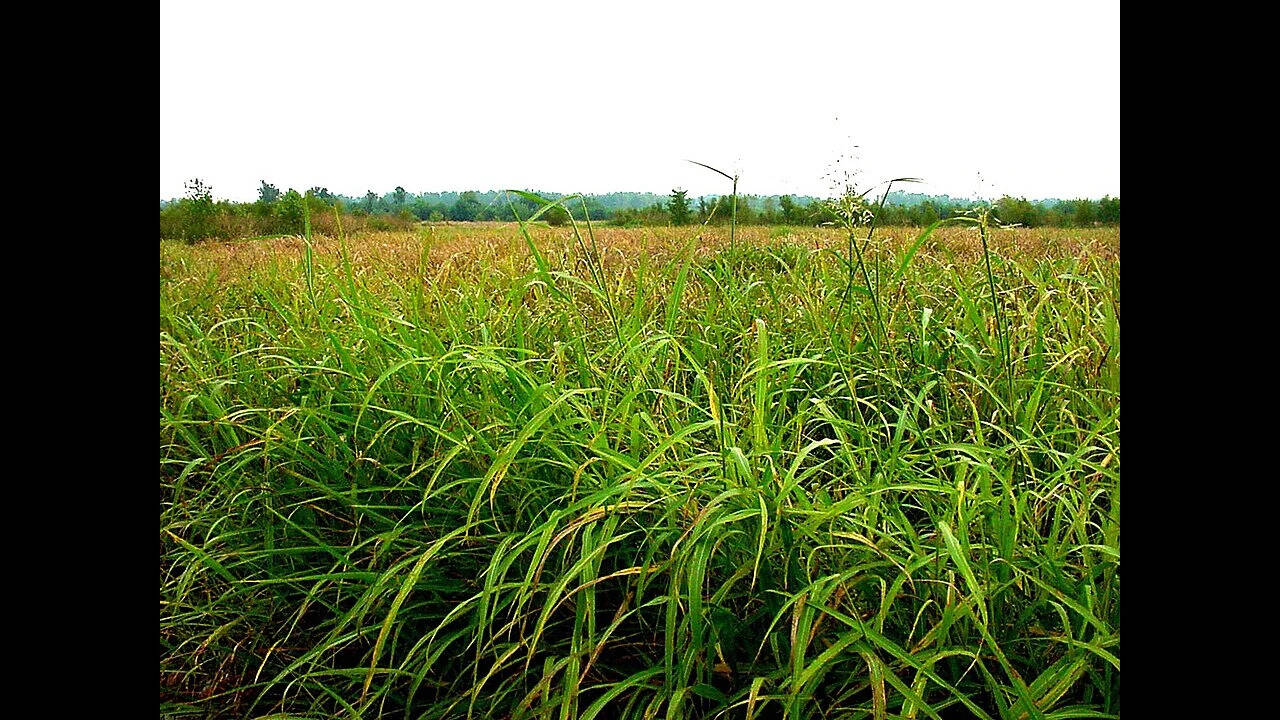
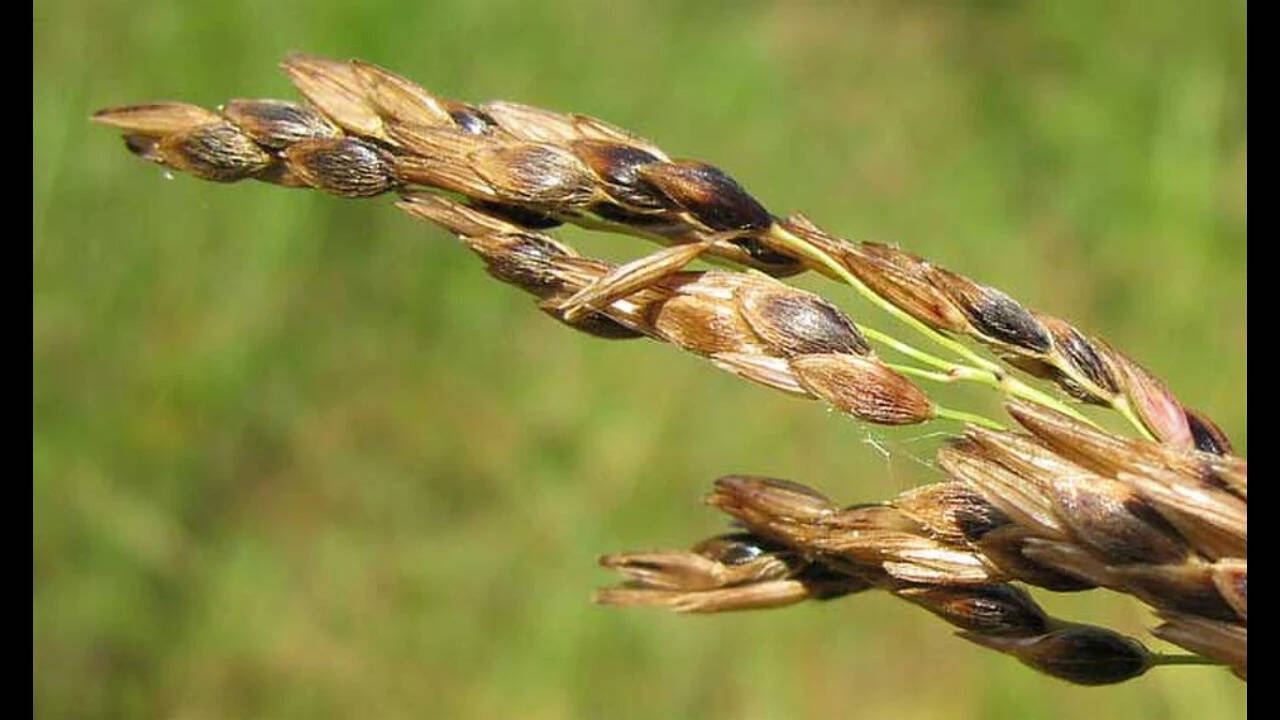
At first, johnsongrass did exactly what farmers wanted. It grew fast, tolerated heat, and kept the cattle fed in dry spells. But it would not stay put. The plant spreads in two ways: through seeds and through thick underground stems called rhizomes that creep along the ground and produce new plants far away from the original one. One plant can also produce tens of thousands of seeds in one growing season, giving it an enormous head start on spreading.
Today, Johnsongrass grows in nearly every US state, and the US Forest Service's Fire Effects Information System notes it is largely absent only from Alaska and Minnesota. Separately, the Oklahoma State Extension fact sheet lists it as a noxious weed in 19 states. It has become one of the most common weeds in fields growing corn, soybeans, cotton, and sorghum, quietly syphoning water, sunlight, and nutrients from the crops farmers actually want. Studies of johnsongrass competition have reported yield losses ranging from modest reductions to more than half a harvest in heavily infested, uncontrolled fields, depending on when the weed becomes established and how long it is allowed to grow unchecked.
The plant can turn toxic almost overnight
Most people are surprised to learn this part: Johnsongrass isn’t always dangerous. It only turns risky under stress. Every part of the plant contains a natural compound called dhurrin. Under calm, steady growing conditions, dhurrin is largely inactive. But when the plant is under stress during drought, frost, or even light trampling from grazing, it can break down and release hydrogen cyanide, a fast-acting poison.
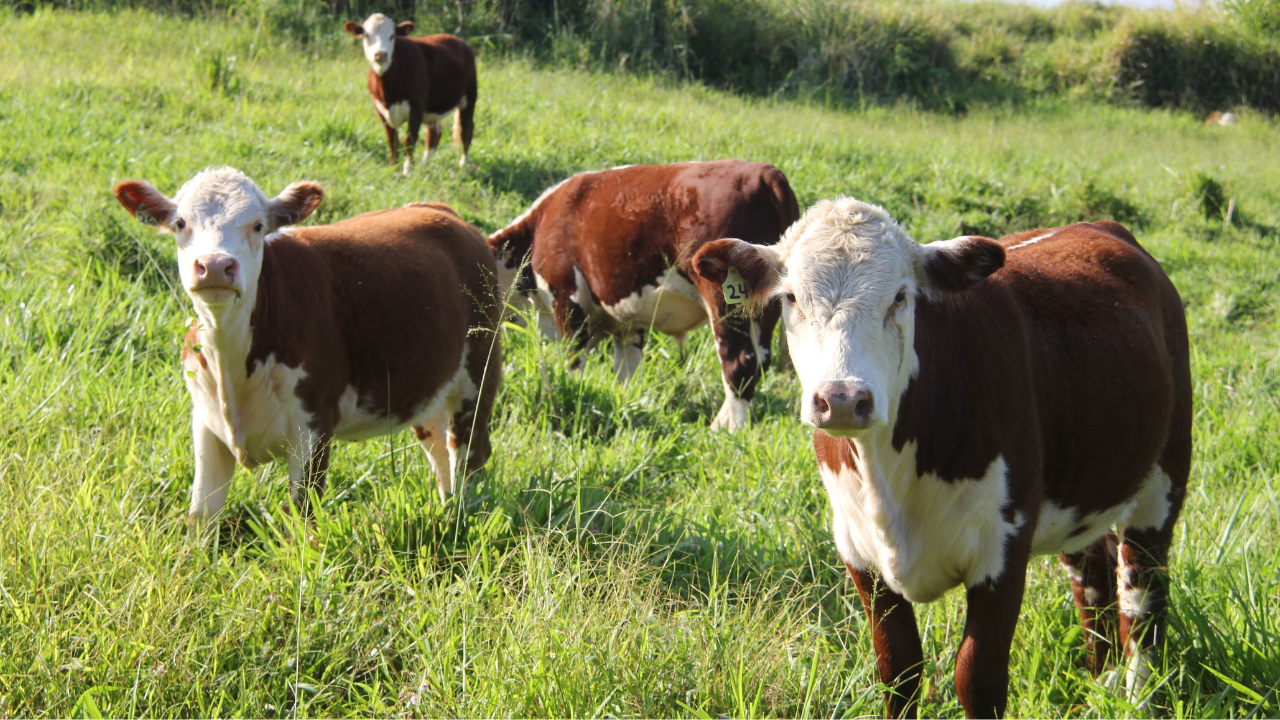
The US Forest Service's Fire Effects Information System explains that Johnsongrass is most toxic immediately after drought, extreme heat or frost, and when the leaves are wet with dew or light rain. Young, fast-growing shoots and regrowth after mowing or heavy grazing carry the highest risk. So the very qualities that make this grass so valuable, its ability to push through dry, harsh weather, are also the qualities that can make it deadly for cattle grazing on it, though horses and other non-ruminants are considerably less susceptible to the cyanide risk.
The study, ‘Cyanogenesis in the Sorghum Genus: From Genotype to Phenotype,’ published in the peer-reviewed journal Genes , led by researcher Max Cowan and colleagues, examined how sorghum species, including Johnsongrass, produce and regulate these cyanide-releasing compounds. The study supports the idea that this defense mechanism is part of the plant’s biology.
Why this old story still matters today
This story also raises broader questions about quick fixes in agriculture. Johnsongrass was introduced to solve an immediate problem, with no thought as to what might happen decades later. The story echoes a broader concern about solutions that can create long-term trade-offs. The costs of quick fixes may not appear until years or generations later.
There’s also a genuine economic angle. American farmers lose money each growing season to weed competition from Johnsongrass in the form of lower yields and the ongoing cost of herbicides and tillage needed to control it. That can affect farm incomes and, in some cases, consumer prices across the South and Midwest.
The takeaway
Johnsongrass is a reminder that nature doesn't always play by our rules. A plant brought in to help drought-stricken farms in the 1840s turned into one of the costliest weeds in US agriculture, one that can quietly poison the very animals it was meant to feed. It's a slow-motion cautionary tale, stretched across nearly 200 years, about the risks of moving fast without looking far enough ahead.
Next time you spot a tall, leafy patch of grass along a highway or field edge in the South or Midwest, you may be looking at Johnsongrass, one of American agriculture’s most notorious weeds.