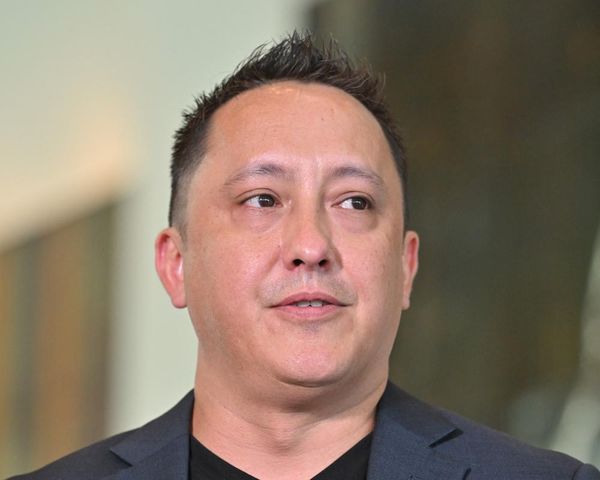
CHICAGO _ In a surprise move for a high-profile public corruption case, federal prosecutors in Chicago have agreed to drop all charges against former U.S. Rep. Aaron Schock if he pays back money he owes to the Internal Revenue Service and his campaign fund.
The stunning deal, known as a deferred prosecution agreement, was announced Wednesday during what was supposed to be a routine status hearing for Schock before U.S. District Judge Matthew Kennelly.
According to the agreement, Schock, 37, must pay $42,000 to the IRS and $68,000 to his congressional campaign fund. If he does so _ and stays out of any new trouble _ prosecutors would drop all felony counts against Schock, leaving him with a clean record.
Schock, once considered a rising star in the Republican Party, resigned in 2015 amid the federal investigation into his use of his campaign funds and House allowance to pay personal expenses ranging from an extravagant remodeling of his Washington office inspired by the British television series "Downton Abby" to flying on a private plane to attend a Chicago Bears game.
Schock was charged in a 24-count indictment in November 2016 with wire fraud, mail fraud, theft of government funds, making false statements,filing false reports with federal election officials and filing false tax returns. A judge later dismissed two of those counts.
The former congressman had been scheduled to go to trial on June 10 in federal court in Chicago. The case had been reassigned to Kennelly last August from the U.S. District Court in Urbana after the judge there was accused of improper conduct in an unrelated case.
The deferred prosecution could mean that Schock's once-promising political career isn't over. He first entered public life at 19 when he won a write-in campaign to be elected to the Peoria school board. He was elected to Congress in 2009 at age 27 and was hailed as the first House member born in the 1980s. He was seen as a darling of the Republican Party and had taken on crucial political fundraising roles at the time of his resignation.
The bombshell development in Schock's case comes weeks after the U.S. Supreme Court declined to take up his appeal. His lawyers had unsuccessfully tried to get the indictment thrown out, saying the charges were based on ambiguous House rules in violation of separation-of-power clauses in the U.S. Constitution.