In rural Belarus, villagers prefer hard work to city smoke
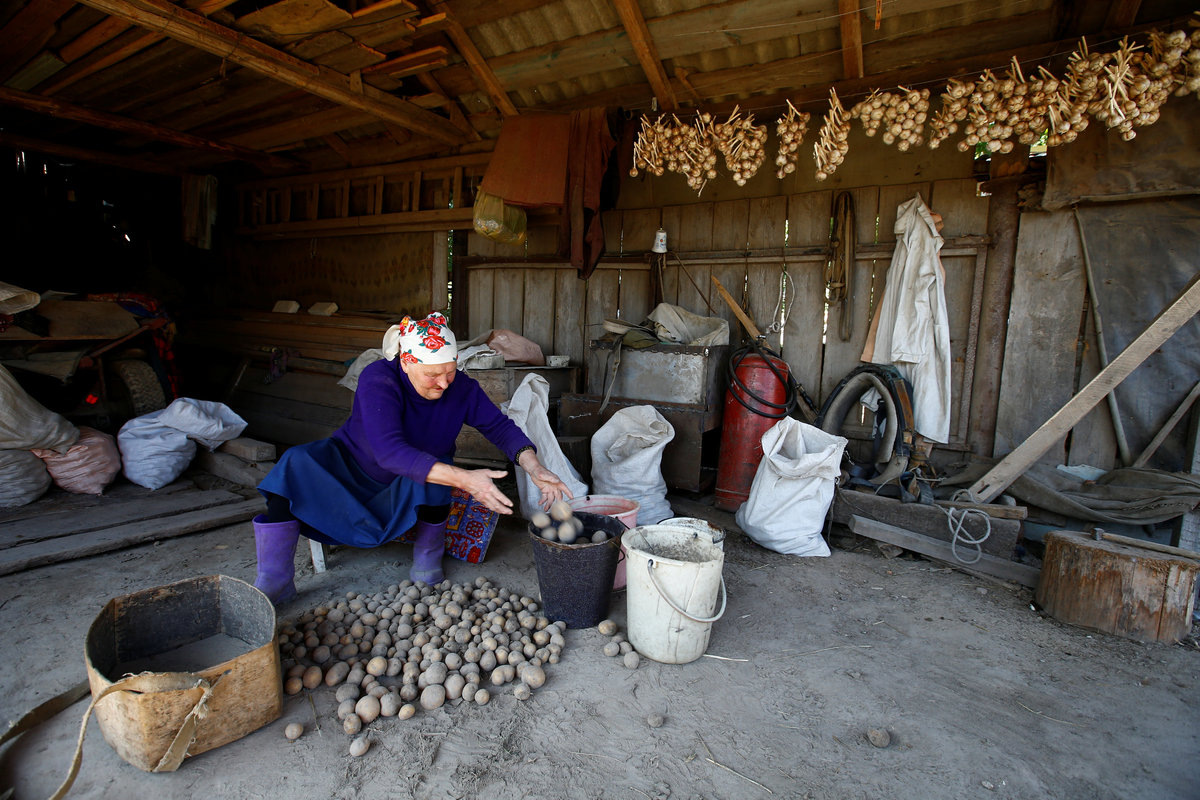
Anna Krivenchik, 71, sorts out potatoes before planting in the village of Kharkovo, Belarus, September 1, 2017. REUTERS/Vasily Fedosenko
KHRAPKOVO, Belarus (Reuters) - Just a few hours drive from the Belarussian capital of Minsk, many villagers still live off the land - planting, harvesting and pickling crops according to the season and ancient folk traditions.
Nearly 80 percent of the former Soviet nation's 9.5 million citizens live in towns and cities, but for the remainder, being close to nature can outweigh the hardships of country life.
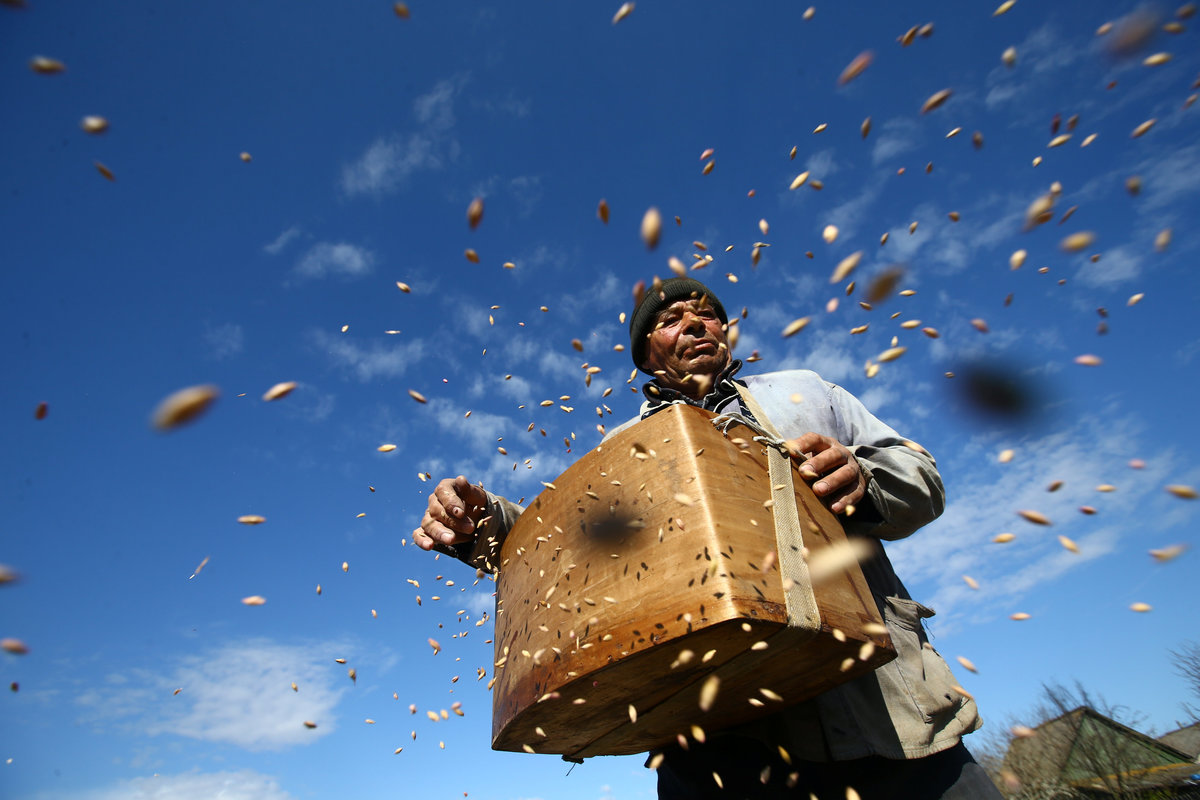
Vladimir Krivenchik, 65, sows barley on a field in the village of Khrapkovo, Belarus, April 24, 2017. Krivenchik is one of the few villagers who retained the skill of sowing by hand, when each stroke of the hand is coordinated with a certain step size. REUTERS/Vasily Fedosenko
"We're far from civilization - and that's a good thing. I feel comfortable here," said 41-year-old Vladimir Krivenchik, who is raising a young family in his native village of Khrapkovo, close to Belarus's southern border with Ukraine.
For a Reuters Wider Image picture essay click on: http://reut.rs/2zSwuWS
"We survive thanks to this scrap of land," Krivenchik said. "You go to Minsk for half a day and your head starts to hurt and you want to go home."
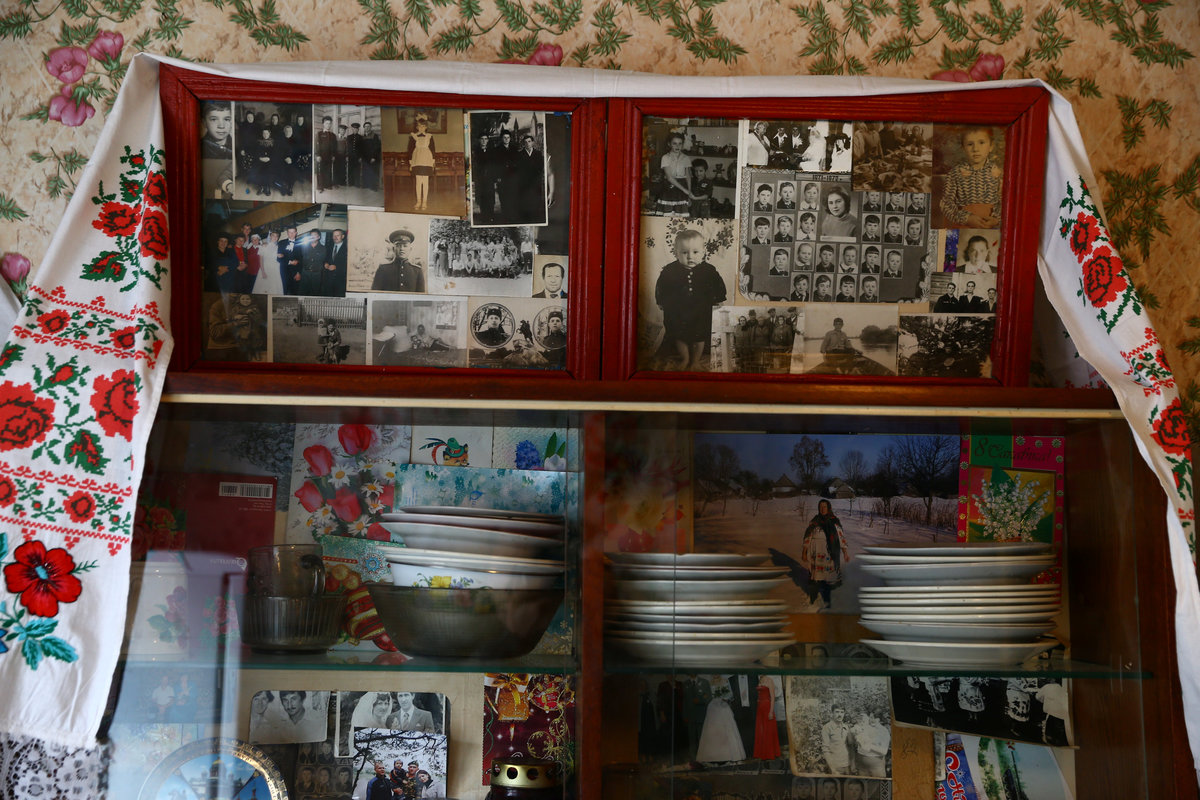
Family photos in wooden frames are seen at a house of 82-year-old Yulia Panchenya in the village of Pogost, Belarus, April 15, 2017. REUTERS/Vasily Fedosenko
Krivenchik supplements his income as a watchman at a granary by raising pigs for slaughter and hunting.
Most villagers also grow crops close to their one-story homes - on vegetable patches and fields that are often ploughed by horse and sown laboriously by hand.
For 75-year old Ekaterina Panchenya, the biggest change in daily life is that young people have become more lazy.
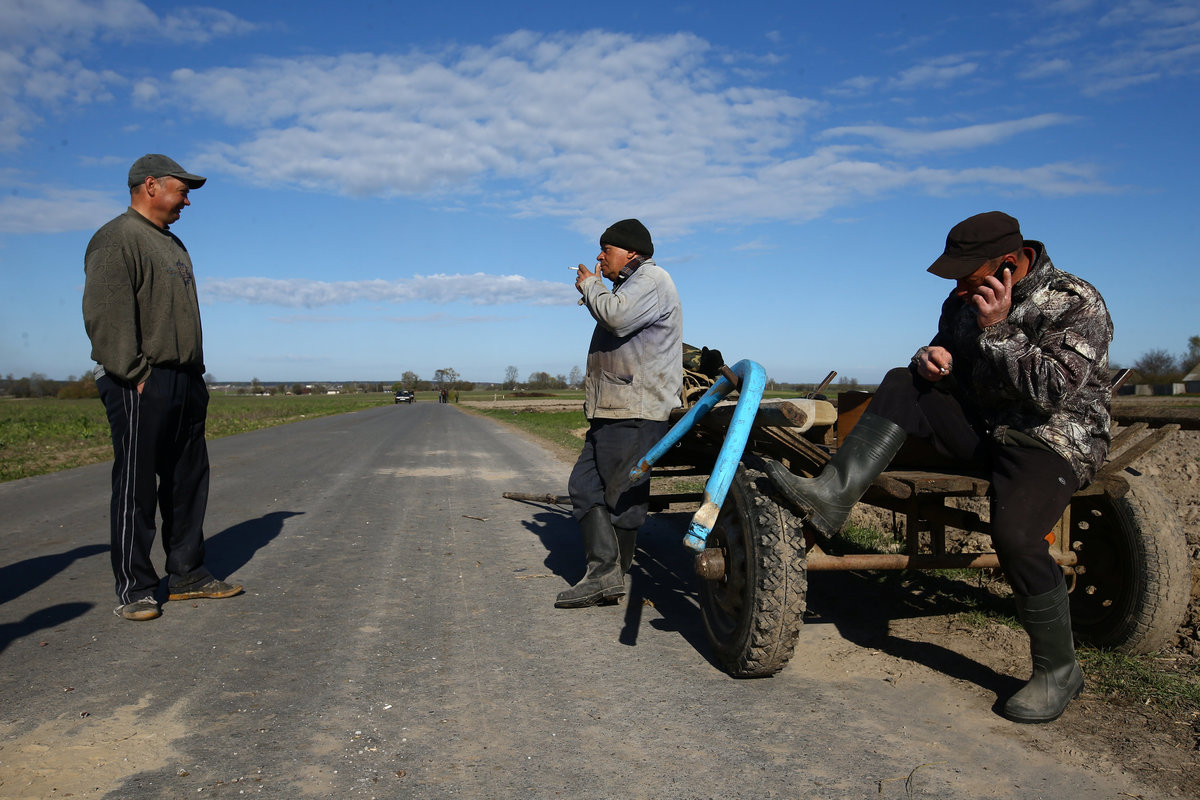
Vladimir Krivenchik (C), 65, smokes a cigarette as he takes a break with other villagers at a field in the village of Khrapkovo, Belarus, April 24, 2017. REUTERS/Vasily Fedosenko
"In the past, children didn't go out partying. They worked in the field or carried sheaves to the threshing mill," she said.
But it was "cars, noise and dirt" and the sight of city-dwellers standing in line to buy groceries that dissuaded Panchenya from leaving her smallholding in the village of Pogost.
"I do everything myself: feed the animals in the barn, the chickens in the yard, and I pickle and preserve all the vegetables. The river is nearby, the forest, mushrooms and berries in the summer. No, I'll never in my life move to town," she said.
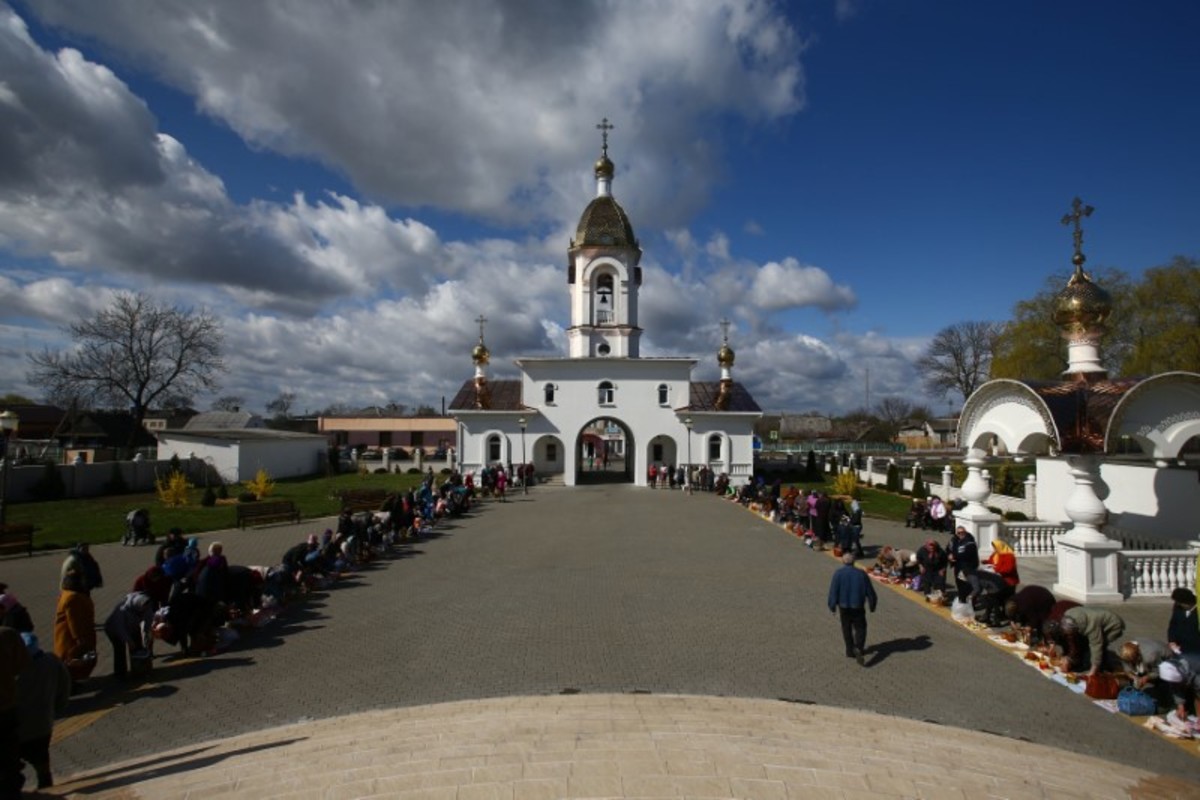
People with their Easter cakes and other food gather at an Orthodox church yard on the eve of Orthodox Easter in the village of Turov, Belarus, April 15, 2017. REUTERS/Vasily Fedosenko
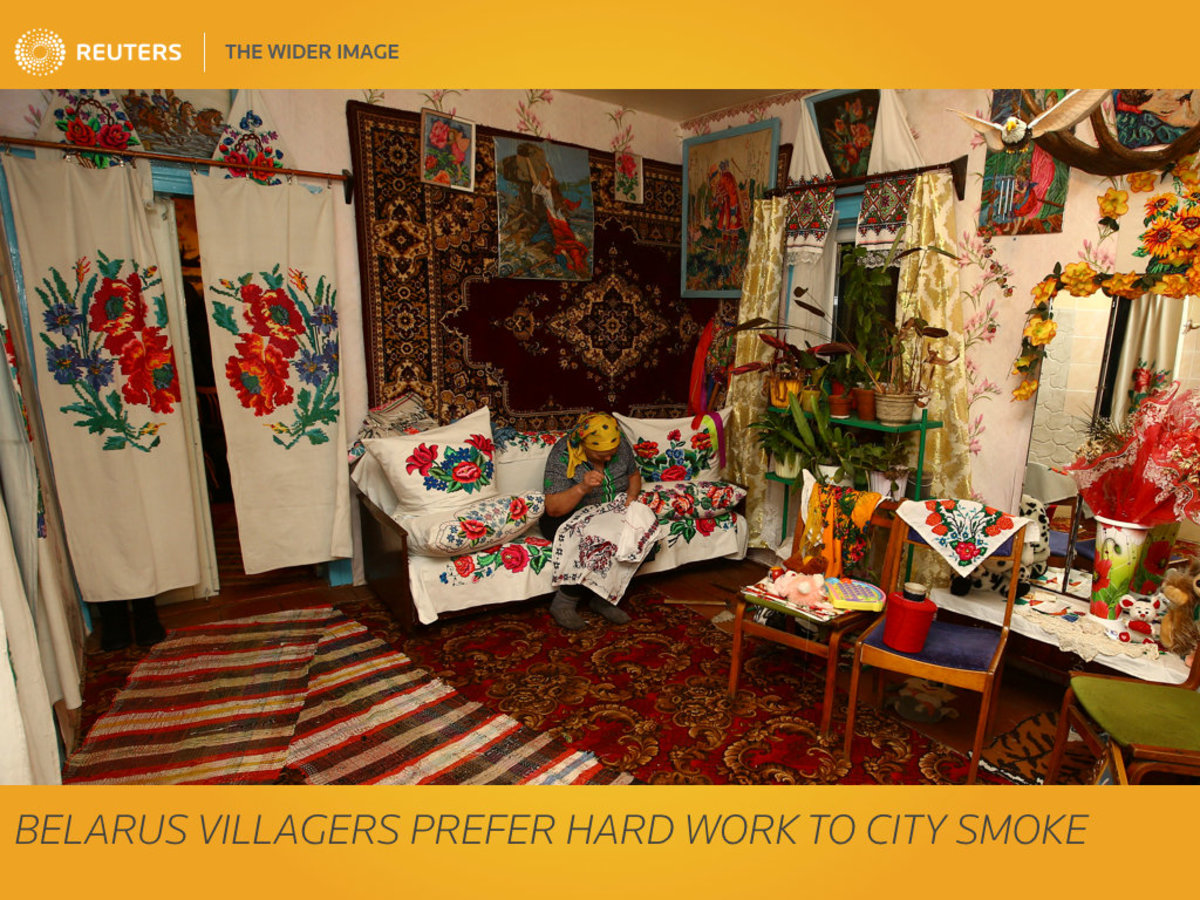
Panchenya is also skilled in local folk traditions such as floral embroidery, a cappella choral singing and ancient pagan ceremonies, which survived the ideological white-washing of the Soviet era.
These include a May-time ritual in honor of the pagan god Yurya, when villagers don national dress and make offerings out of colorful ribbons and paper in the hope of plentiful harvests in the future.
"I give all my strength to preserve these ceremonies and songs that make everyone cry, to give them to the young," Panchenya said.
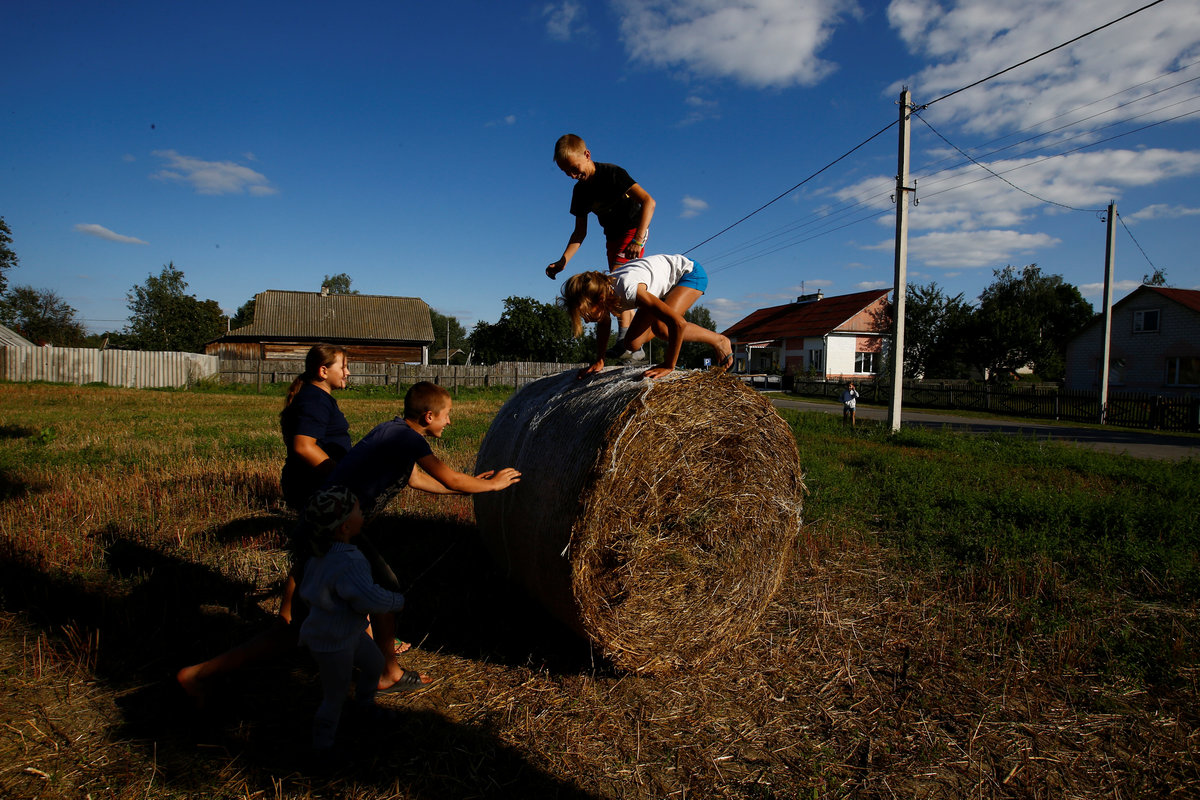
Children play in the village of Khrapkovo, Belarus, August 31, 2017. REUTERS/Vasily Fedosenko
(Writing by Alessandra Prentice; Editing by Richard Balmforth)
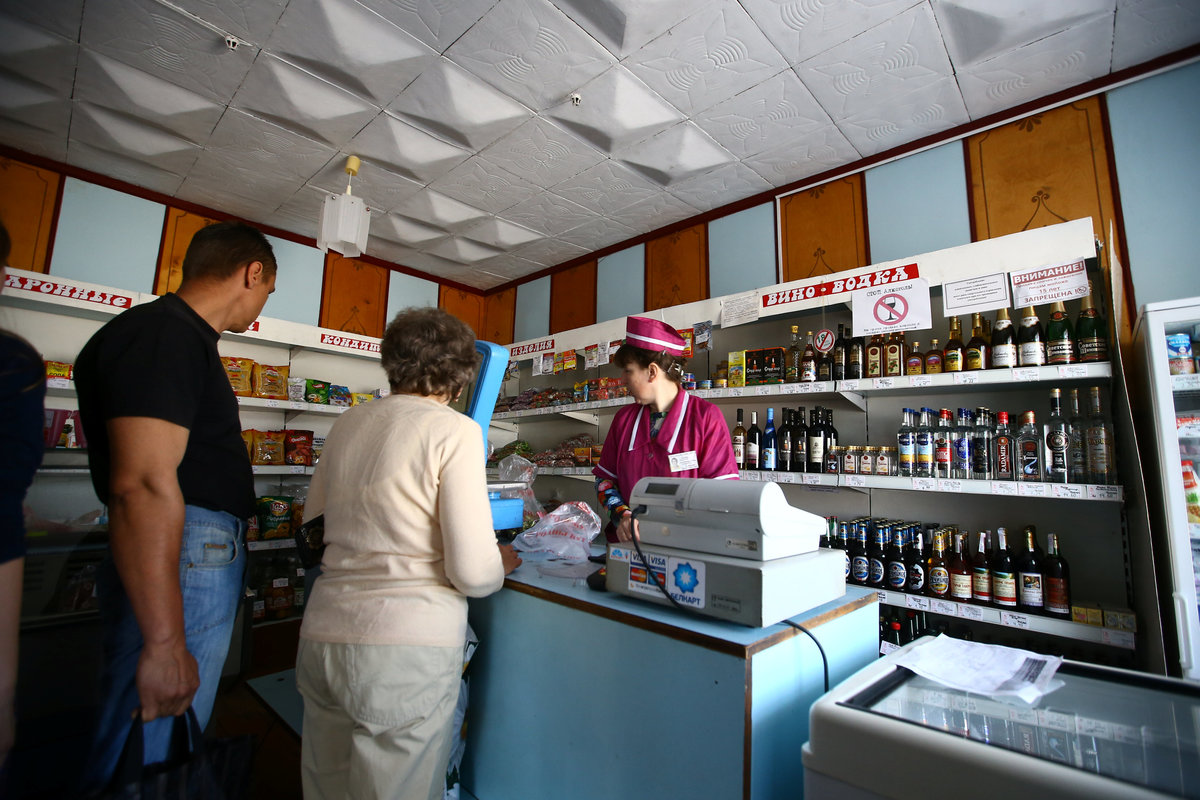
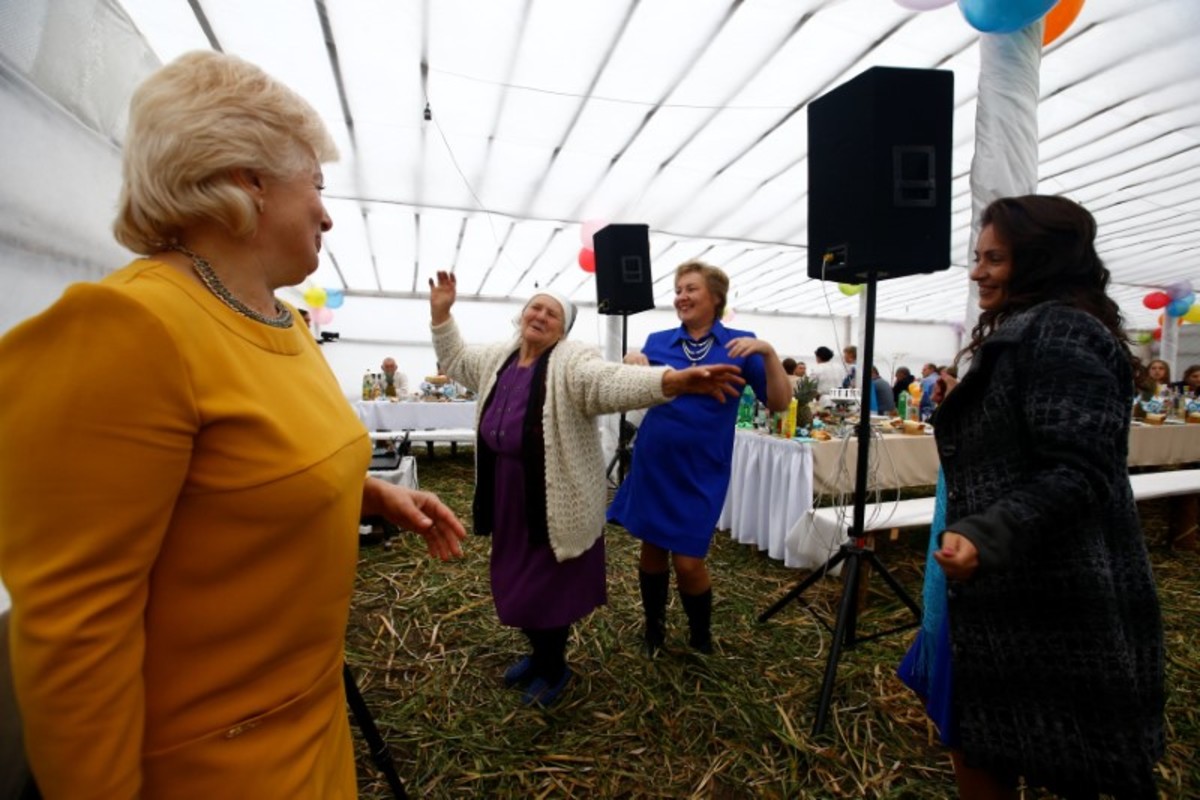
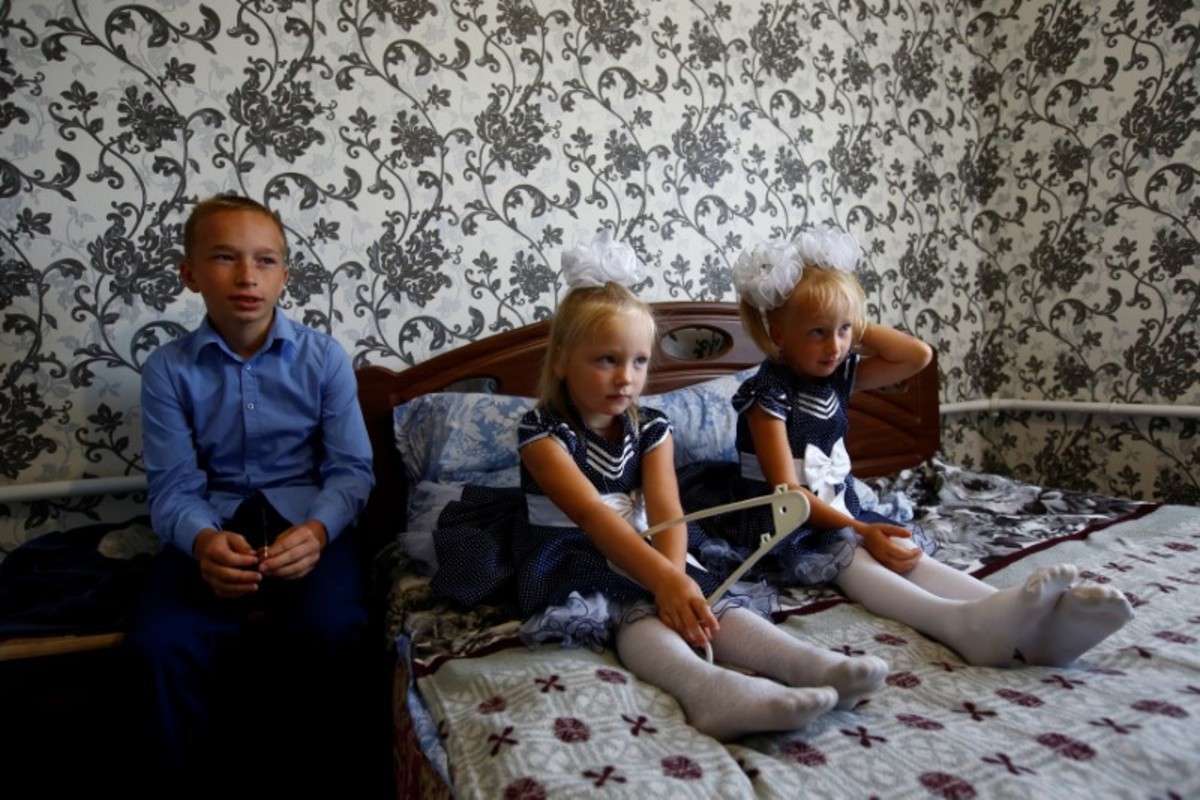
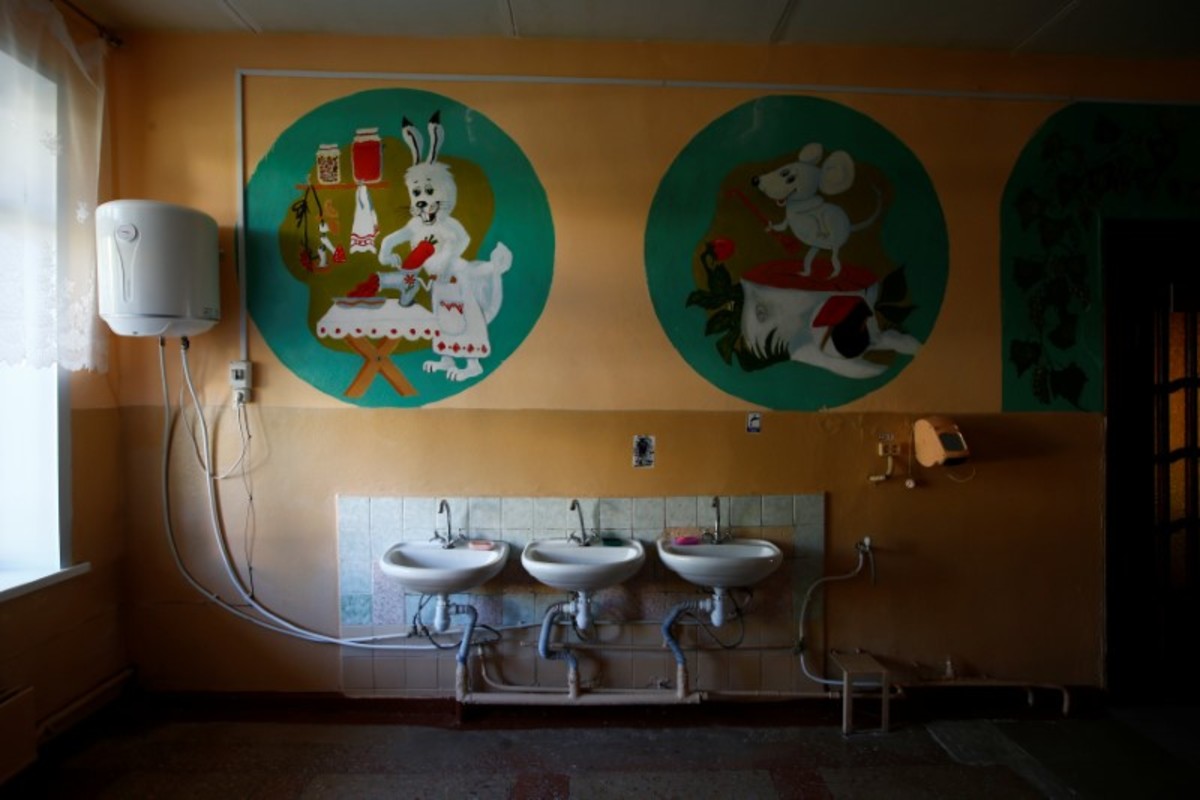
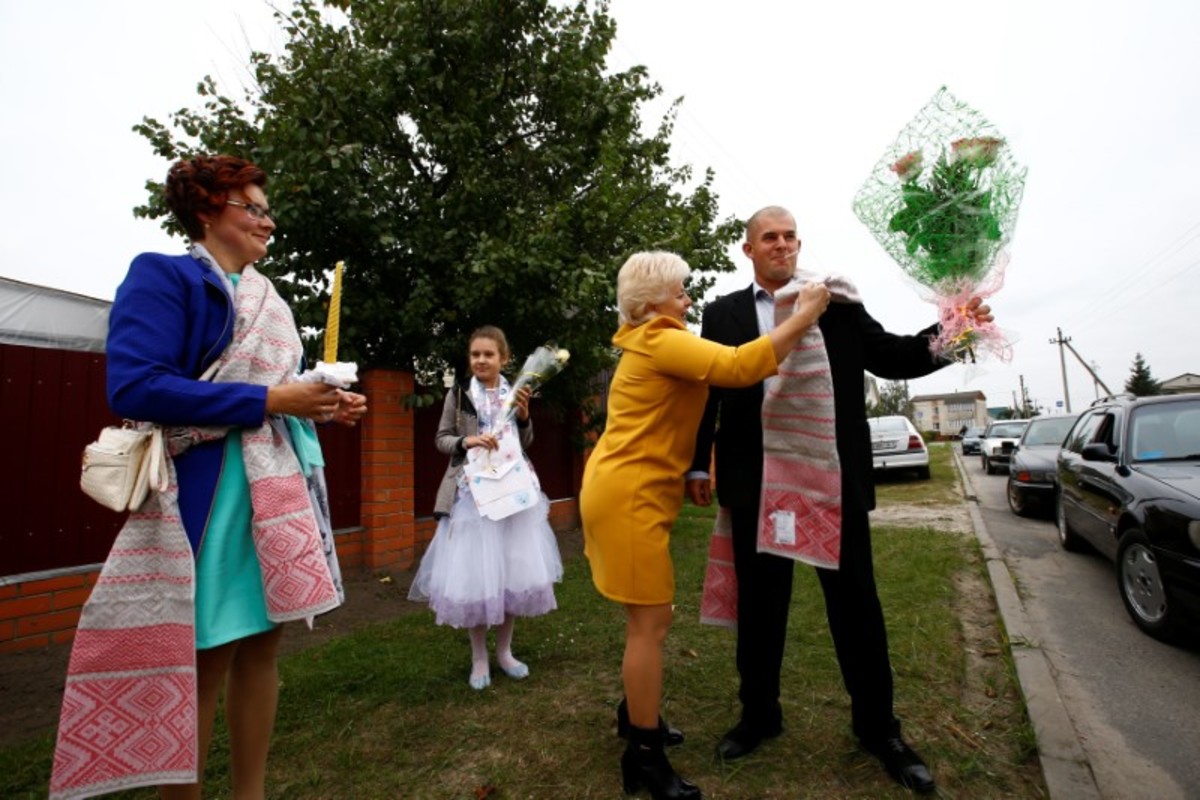
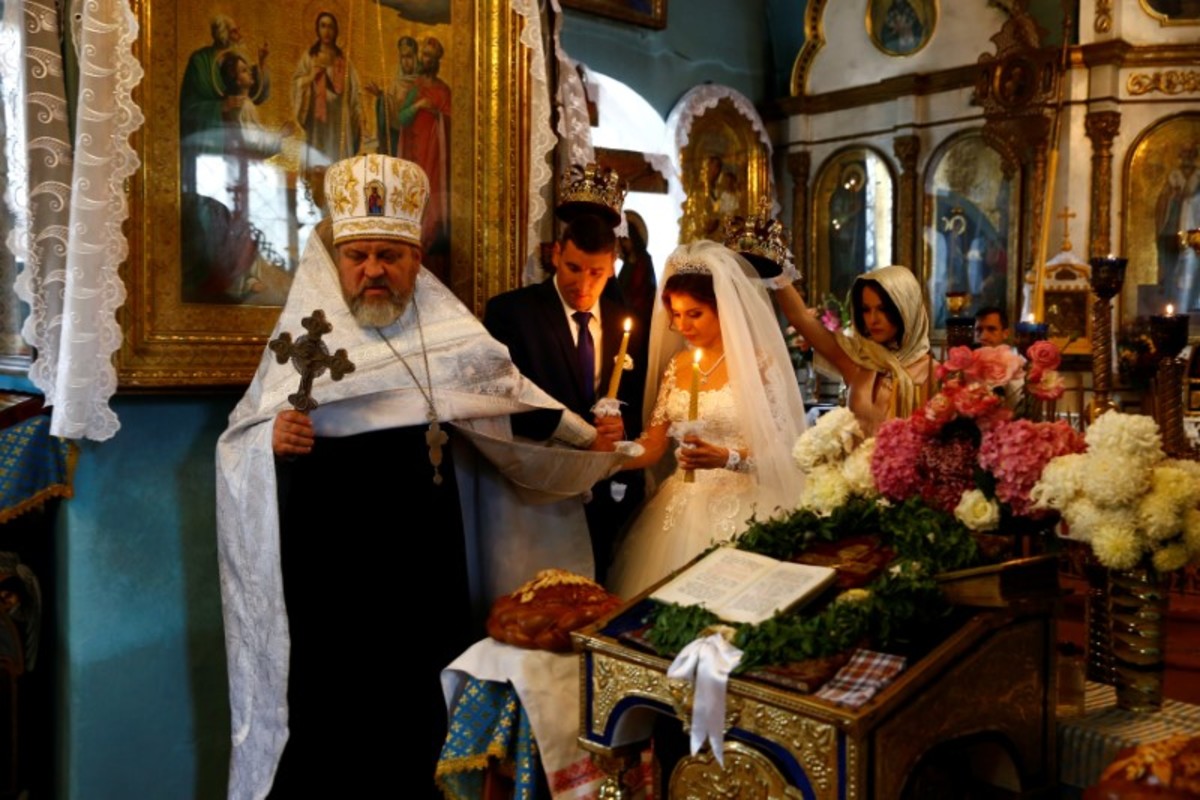
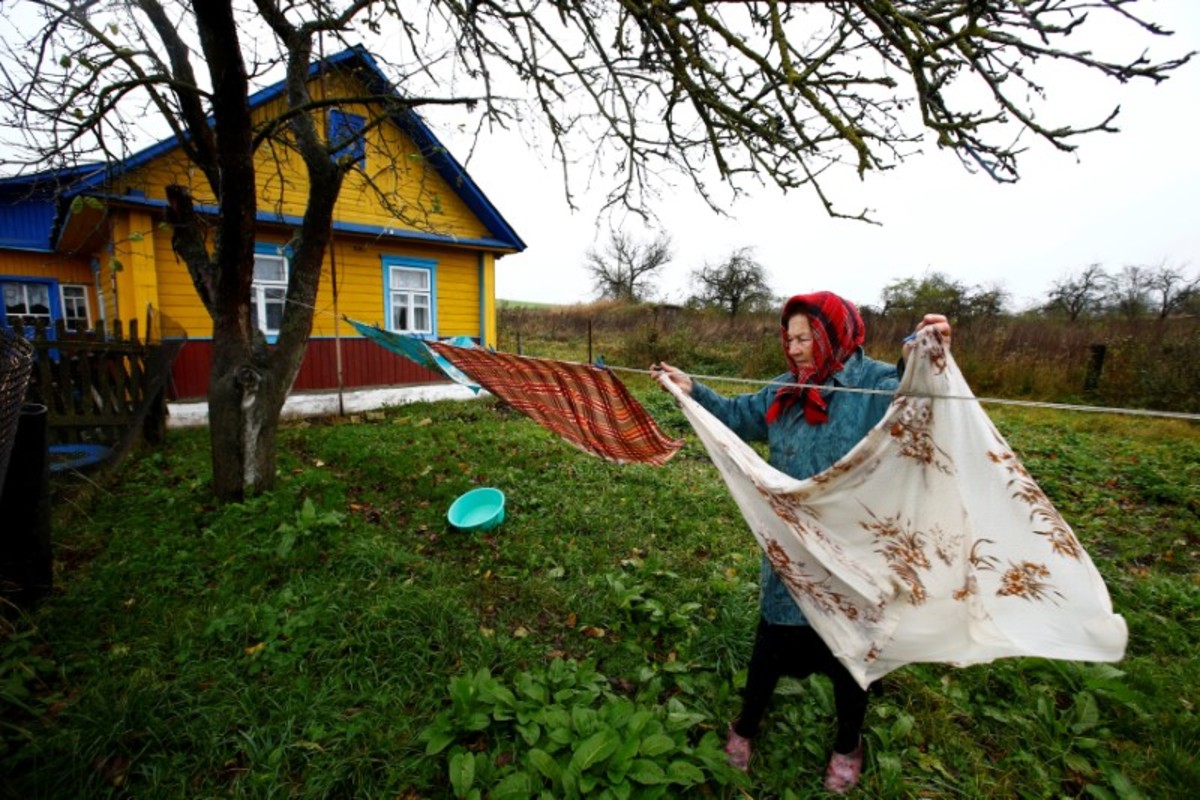
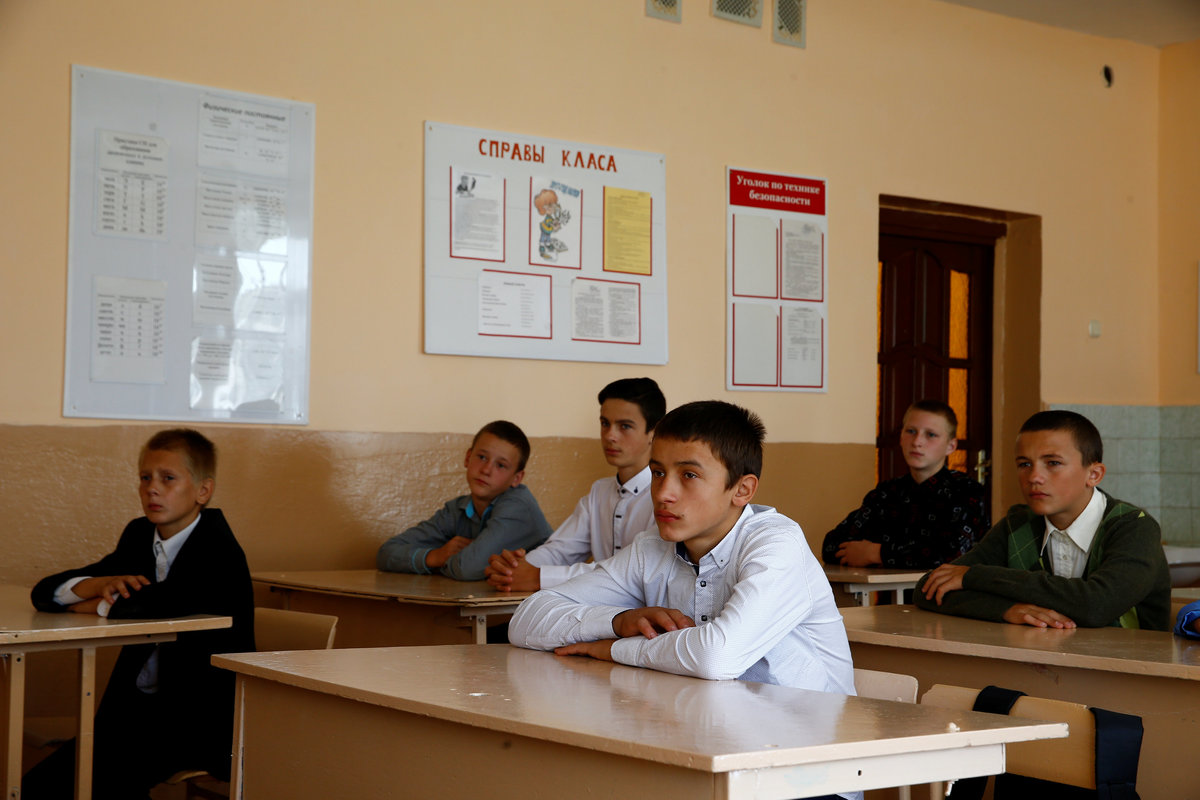
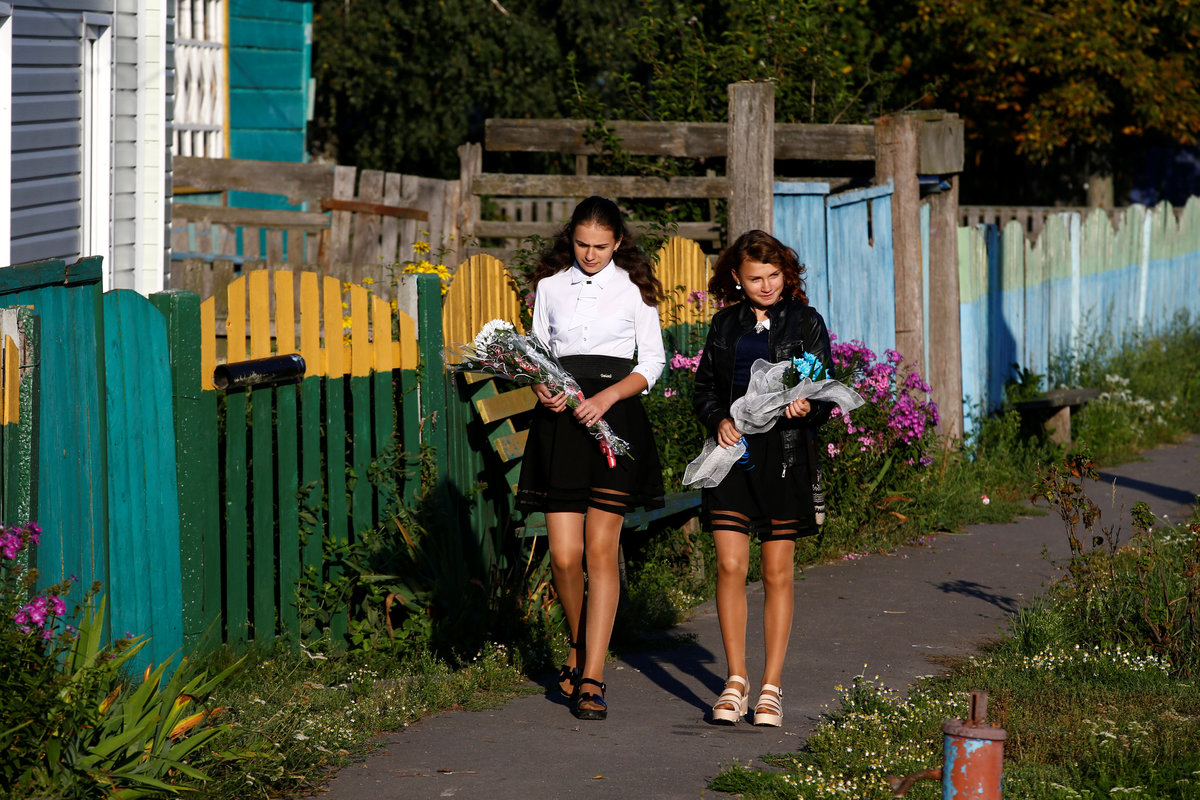
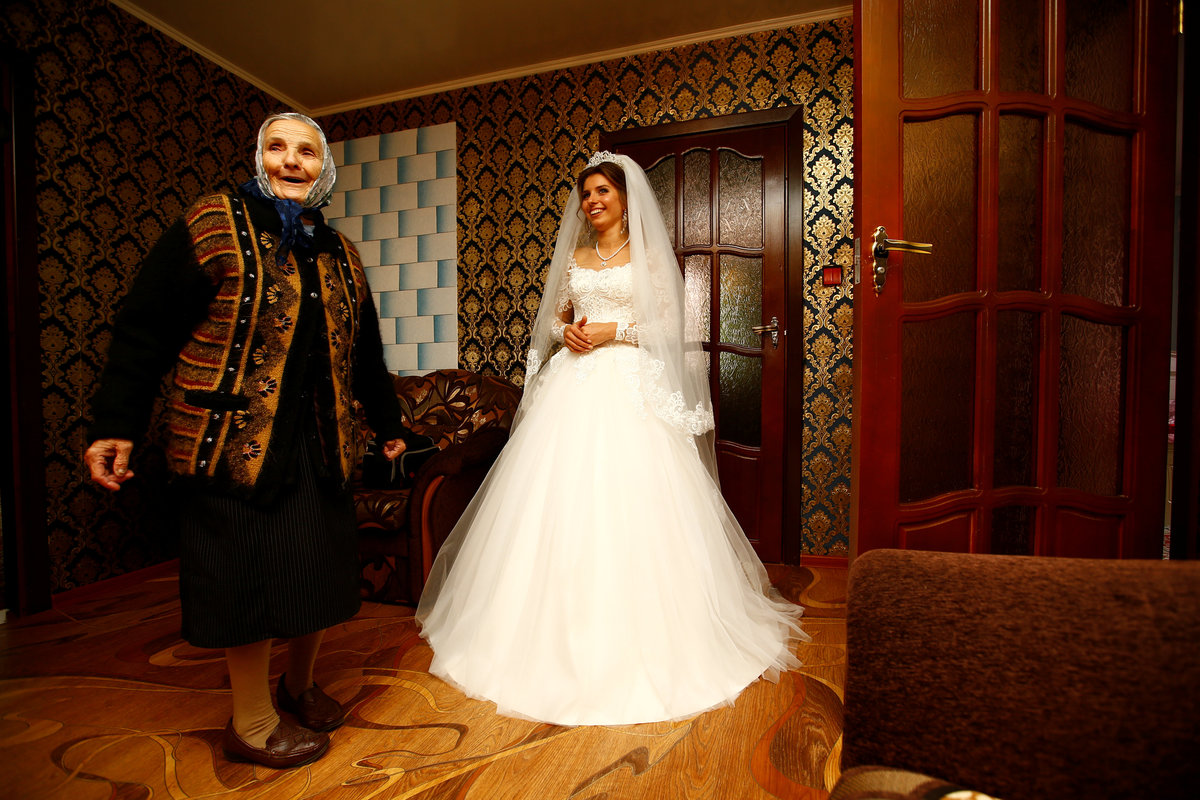
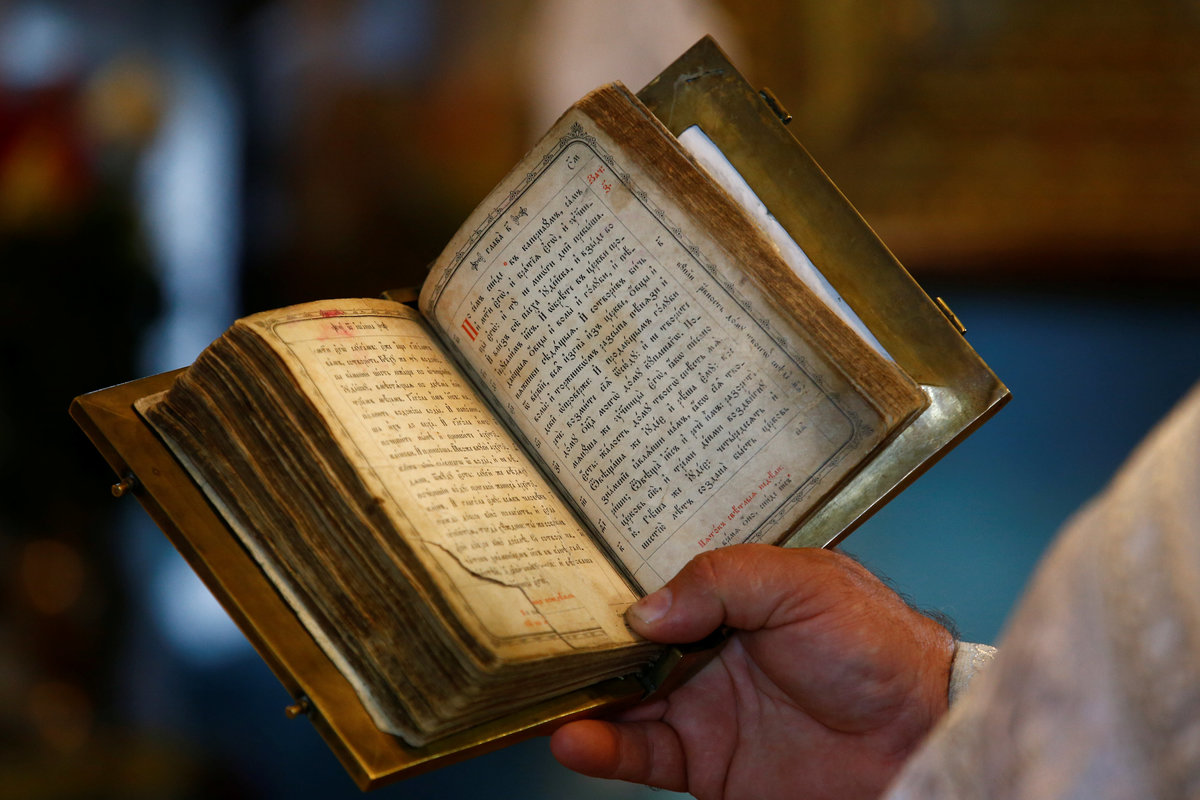
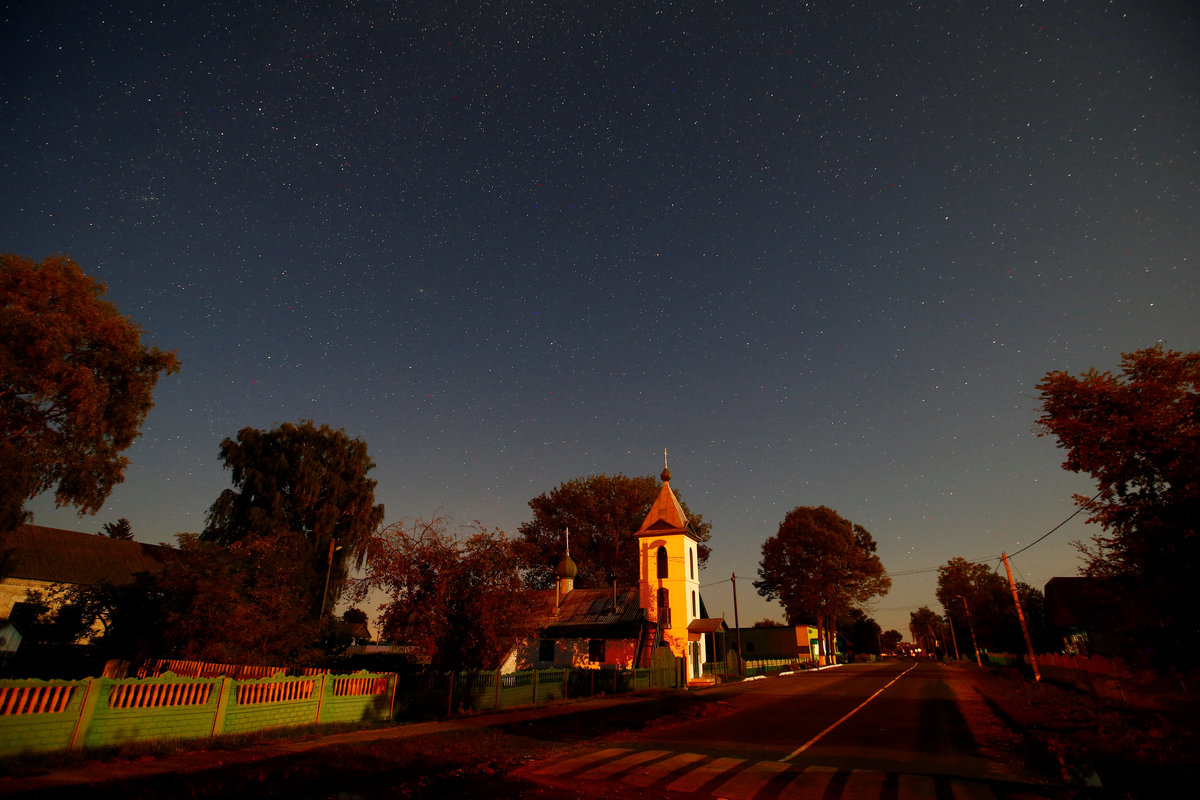
Villagers buy food at a local grocery store in the village of Pogost, Belarus, May 6, 2017. REUTERS/Vasily Fedosenko Women dance during a wedding party in the village of David-Gorodok, Belarus, October 1, 2017. REUTERS/Vasily Fedosenko Oleg (L), Lada and Ulyana Skidan sit at their home before Oleg goes to classes on the first day of school in the village of Khrapkovo, Belarus, September 1, 2017. REUTERS/Vasily Fedosenko Painting are seen over washbasins outside school cafeteria in the village of Sudkovo, Belarus, September 1, 2017. REUTERS/Vasily Fedosenko People gather before a wedding ceremony in the village of David-Gorodok, Belarus, October 1, 2017. REUTERS/Vasily Fedosenko An Orthodox priest conducts a wedding ceremony in the village of David-Gorodok, Belarus, October 1, 2017. REUTERS/Vasily Fedosenko Valentina Zhih, 77, hangs linen on the washing line at her house in the village of Danilovichi, Belarus, October 29, 2017. REUTERS/Vasily Fedosenko Pupils sit in class on the first day of school in the village of Sudkovo, Belarus, September 1, 2017. REUTERS/Vasily Fedosenko Just a few hours drive from the Belarussian capital of Minsk, many villagers still live off the land - planting, harvesting and pickling crops according to the season and ancient folk traditions. Nearly 80 percent of the former Soviet nation's 9.5 million citizens live in towns and cities, but for the remainder, being close to nature can outweigh the hardships of country life. "We're far from civilisation - and that's a good thing. I feel comfortable here," said 41-year-old Vladimir Krivenchik, who is raising a young family in his native village of Khrapkovo, close to Belarus's southern border with Ukraine. REUTERS/Vasily Fedosenko Pupils holding flowers walk to school on the first day of school in the village of Khrapkovo, Belarus, September 1, 2017. REUTERS/Vasily Fedosenko Bride Tatyana Pashkovets stands at her home before her wedding ceremony in the village of David-Gorodok, Belarus, October 1, 2017. REUTERS/Vasily Fedosenko An Orthodox priest conducts a wedding ceremony in the village of David-Gorodok, Belarus, October 1, 2017. REUTERS/Vasily Fedosenko An Orthodox church is seen at night in the village of Khrapkovo, Belarus, August 31, 2017. REUTERS/Vasily Fedosenko
Sign up to read this article
Read news from 100’s of titles, curated specifically for you.