Libya must reunify its fragmented economy and public finances if it stands any hope of ending a decade of violent division, but moves towards that goal are making slow progress.
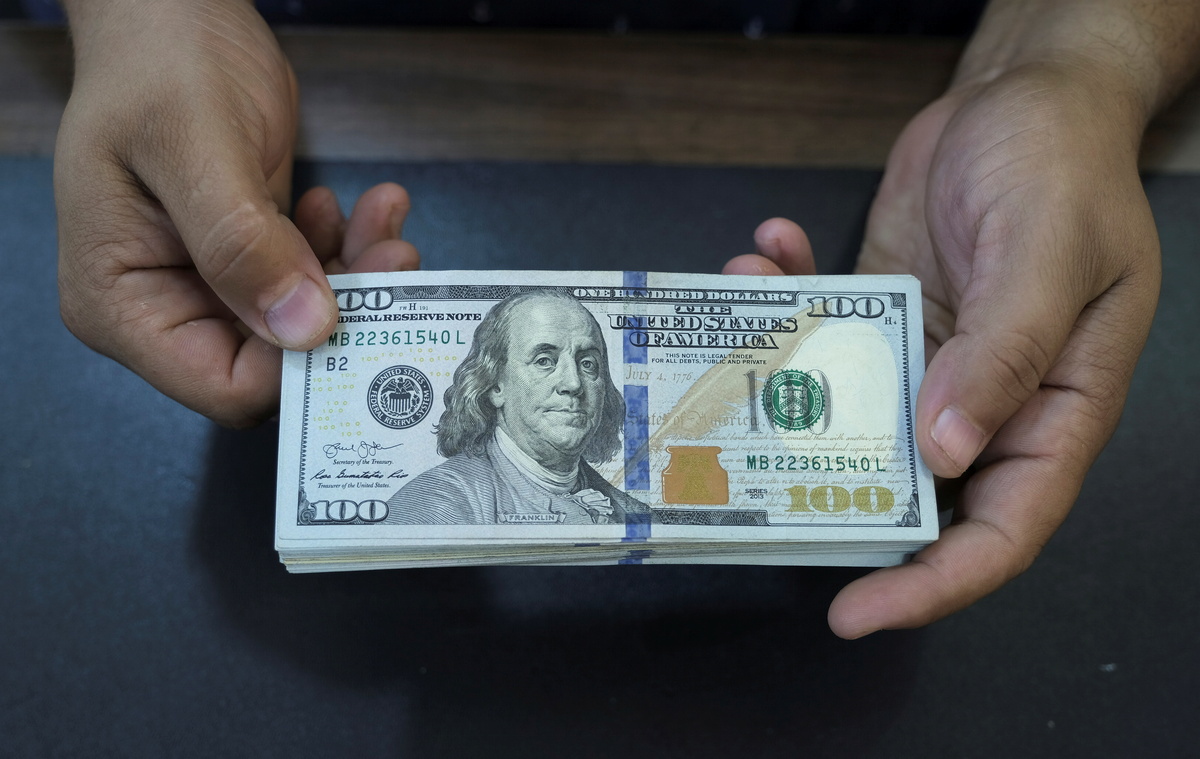
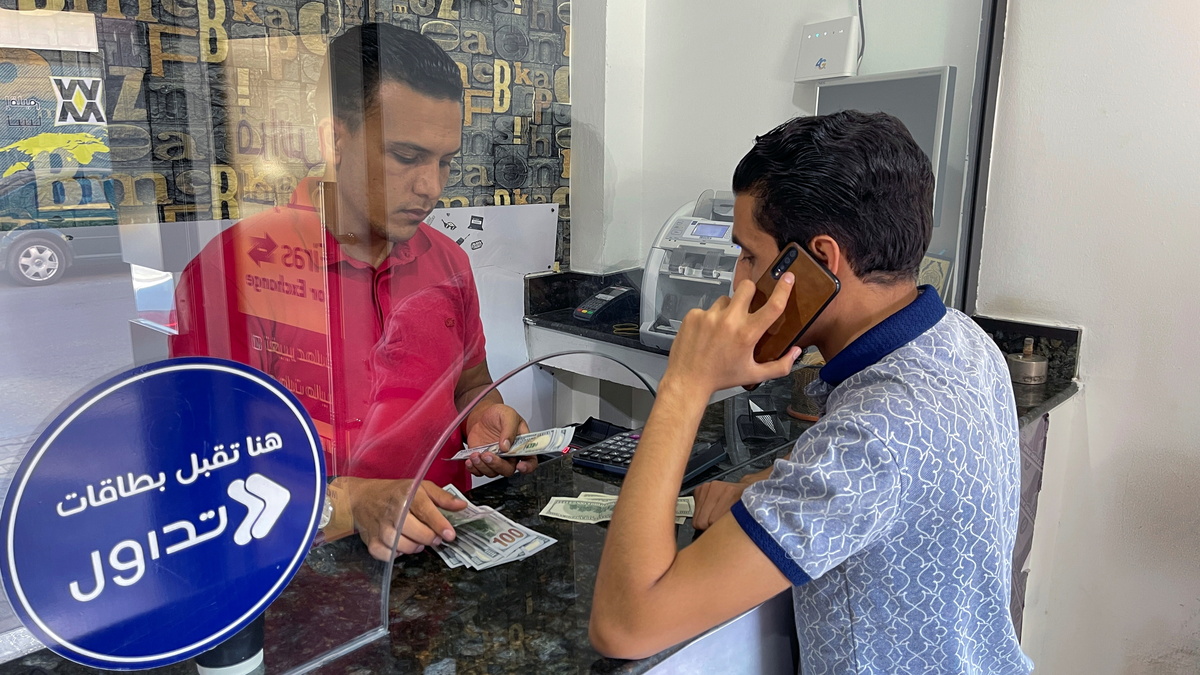
Businesses and ordinary people struggle to carry out basic financial transactions, underscoring the continued dysfunction while also showing that peace moves have failed to stop rival factions competing to control economic levers.
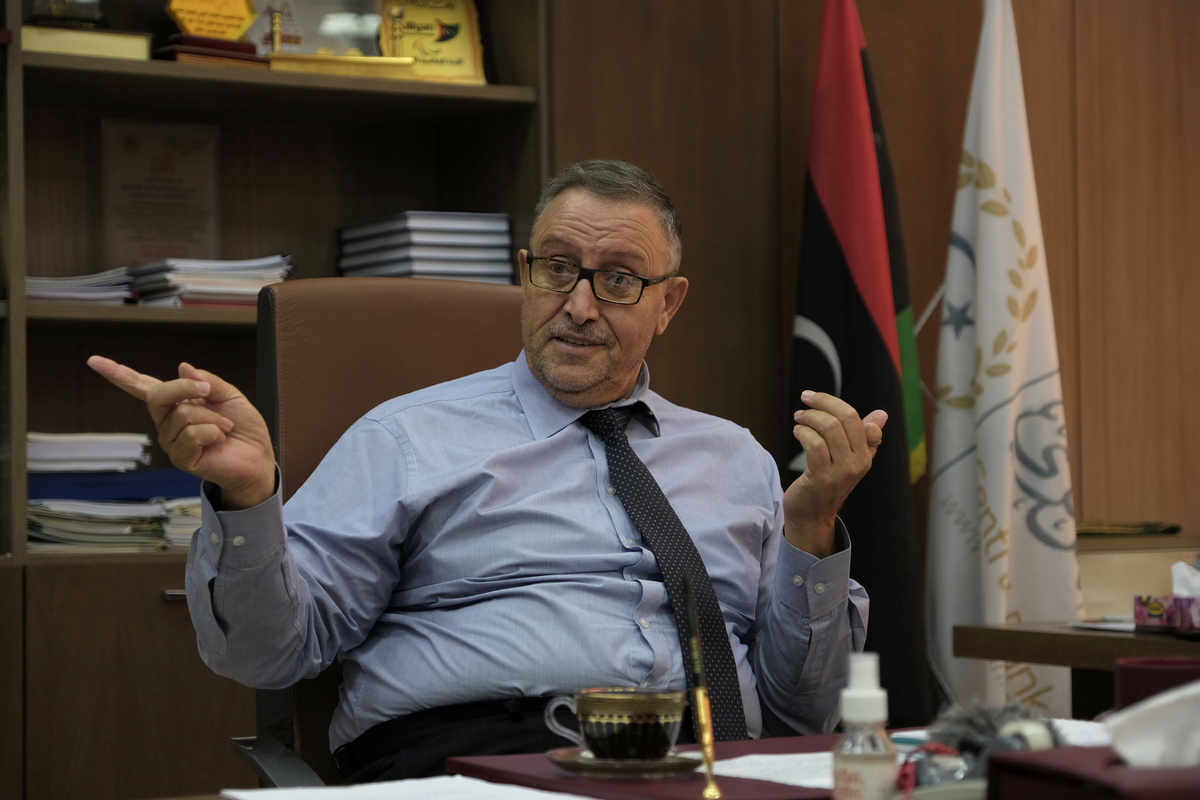
"The harm has reached everyone. Today, money cannot be transferred from two accounts in two different banks within 100 metres in Tripoli on one street. There is no justification for us to be like this," said Husni Bey, a prominent businessman.
Central Bank of Libya (CBL) Governor Sadiq al-Kabir on Thursday joined U.N.-backed online talks with the head of its rival eastern-based branch to discuss reunifying the bodies, though any such moves remain at an early stage.
The stumbles, visible in disputes over the budget and the lack of clearing operations between eastern and western banks, reflects political manoeuvring at a moment of potential change.
Libya has been in chaos since the 2011 NATO-backed uprising that ousted Muammar Gaddafi, with control over different parts of the state contested by both political and military means among an array of local forces.
In March an interim unity government was approved by the major eastern and western factions that have been fighting since 2014, with a goal of holding national elections in December - moves that were seen as the best hope for peace in years.
However, that progress is now widely seen as having stalled as powerful figures try to prevent any loss of leverage, or to reposition themselves to benefit from a new dispensation.
REUNIFYING THE CENTRAL BANKS
During the past seven years, a parallel administration emerged in the east with its own central bank, a rival oil company chief and other state institutions, claiming legitimacy from the Tobruk-based parliament that was elected in 2014.
That has raised critical questions over accountability for spending by each side and how debt taken by the eastern bank - and used to fund a war against Tripoli and pay salaries of eastern-based forces - would be absorbed into national accounts.
Interim Prime Minister Abdulhamid Dbeibeh had a mandate to prepare for elections, unify the divided state institutions and improve services - but has made scant progress.
Parliament has repeatedly rejected his budget proposals and different parts of the numerous political bodies created during the past years have squabbled over the leadership of major institutions including the oil company and central bank.
Meanwhile, Dbeibeh has continued to spend money, including on salaries, using existing emergency measures.
Reunifying the CBL would be the key goal of any effort to end the economic divisions. The Tripoli-based CBL branch is the one recognised internationally and it cut eastern banks off from most clearing operations in 2014.
Companies in east or west now avoid using banks based in the other side "so that their financial transactions can be done easily", said Alaref Algajiji, chief executive of a Libyan business council.
FINANCIAL REVIEW
Last December, as the peace process advanced, the CBL held a full meeting of its governors for the first time in years to agree on a new unified exchange rate that involved devaluing the currency.
That move helped ease a liquidity crisis and was seen as a precursor to reunifying the central banks and restoring clearing operations between Tripoli and eastern commercial banks.
A financial review commissioned from Deloitte as part of the U.N.-backed peace push was completed in July using data supplied by the rival central bank branches, but without conducting an independent audit of either.
It drew up a roadmap towards reunifying them, which the governor of each has said it is following.
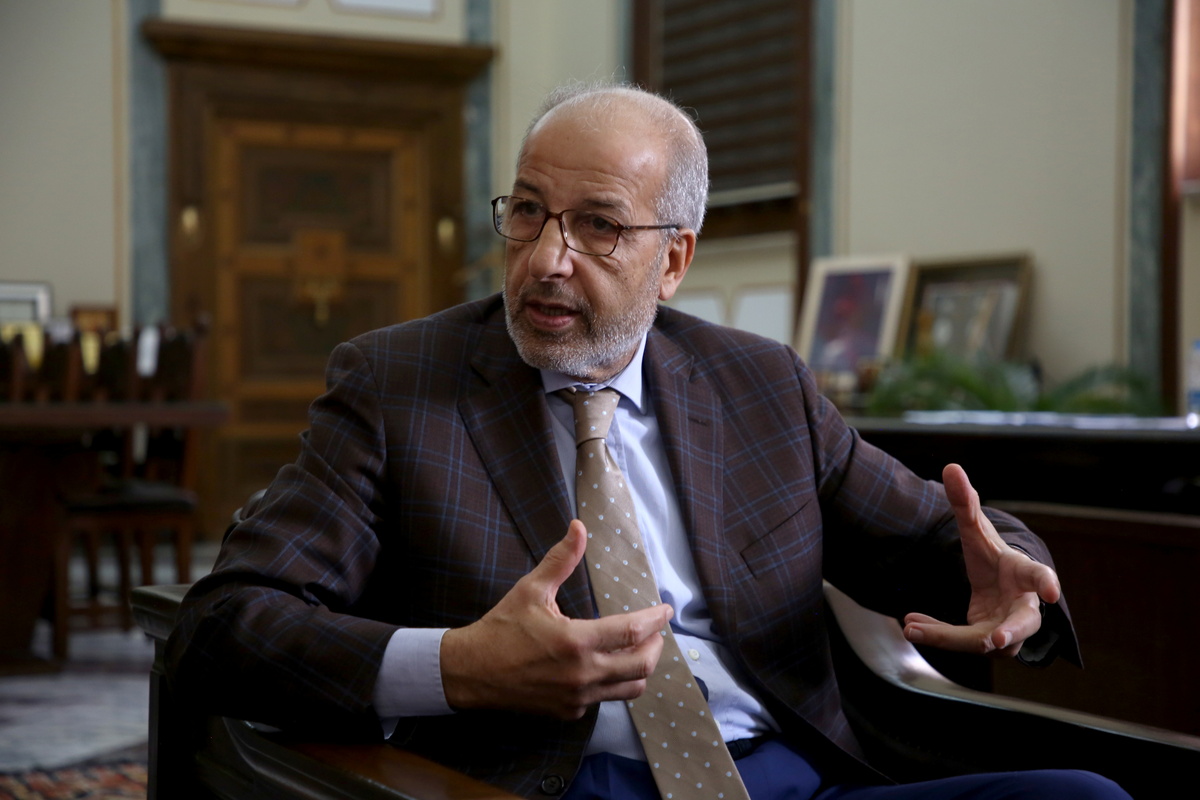
The Tripoli-based CBL Governor, Kabir, told Reuters in written answers to questions, that it was "starting to take practical measures" towards the reunification.
He said the CBL was working with the presidency council, the unity government, the U.N.'s Libya mission and the attorney general's office to agree on a roadmap.
Jalel Harchaoui of the Global Initiative Against Transnational Organised Crime said it was politically better for Kabir to move slowly, and that he may also worry about how eastern forces would use renewed access to national banking.
Eastern CBL Governor Ali al-Hibri said the lack of clearing for eastern banks was "an economic crime", but added that he, too, was preparing for reunification through the process outlined by Deloitte.
However, he challenged figures Kabir had given for public debt levels and accused him of using political arguments to sidestep the reunification process. He also said the unity government's budget proposals were too high, and went against agreements reached last year to unify the exchange rate.
"This is a major crime in the history of Libya," he said.
(Reporting by Ahmed Elumami in Tripoli and Ayman al-Warfali in Benghazi, writing by Angus McDowall, Editing by William Maclean)