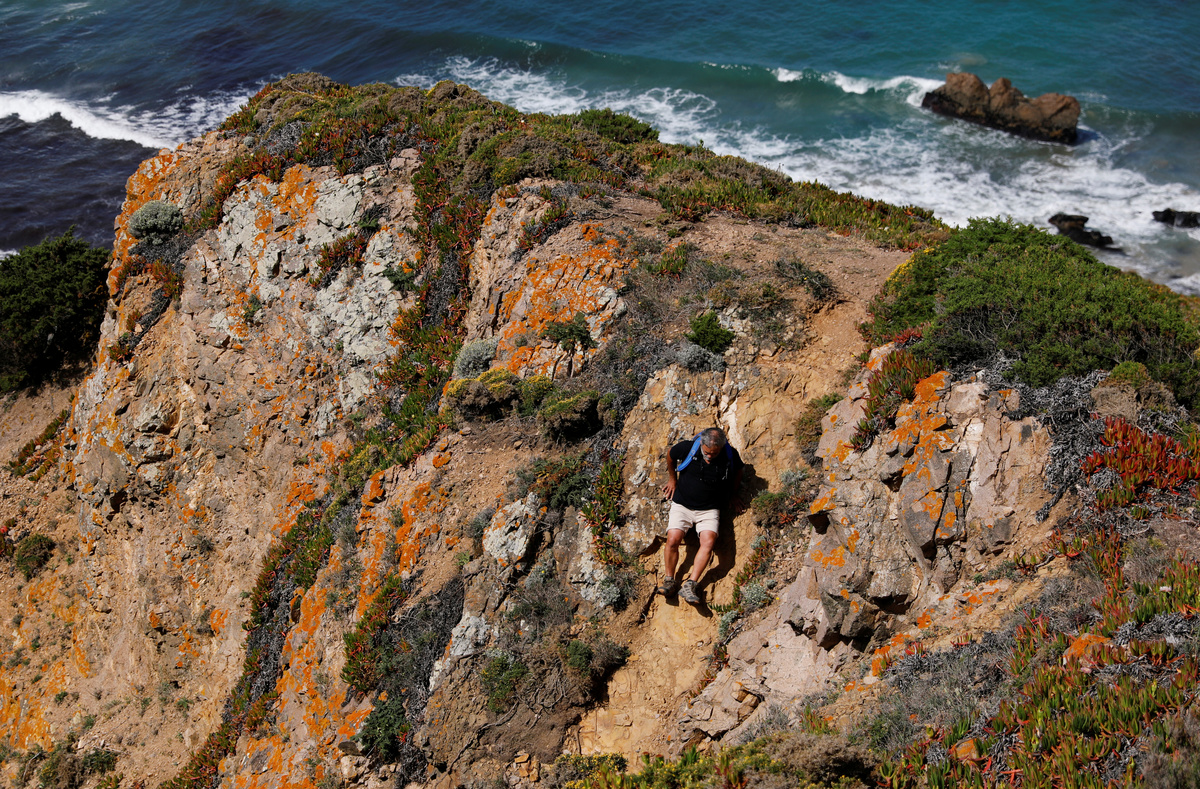
CASCAIS, Portugal (Reuters) - Every week, carrying a large bag to collect marine litter, sea-lover Miguel Lacerda climbs up and down dangerous 140-metre-high cliffs, dedicating himself to cleaning up Portugal's rocky coast.
Stories such as a whale with rubbish jammed in its stomach and a deep sea diver who found plastic waste in the Pacific Ocean's Mariana Trench, the deepest place on Earth, have shocked people around the world into tackling marine pollution.
Sixty-two-year-old Lacerda is no exception.
After spending much of his life at sea, from diving in the cold waters of Antarctica to sailing across the Atlantic, Lacerda now wants future generations to be able enjoy the oceans as much as he did.
"Every time I dive, anywhere in the world, I always find trash," Lacerda told Reuters, explaining how a trip to Antarctica in 2010 inspired him to start collecting rubbish washed up on the cliffs near Portugal's capital Lisbon.
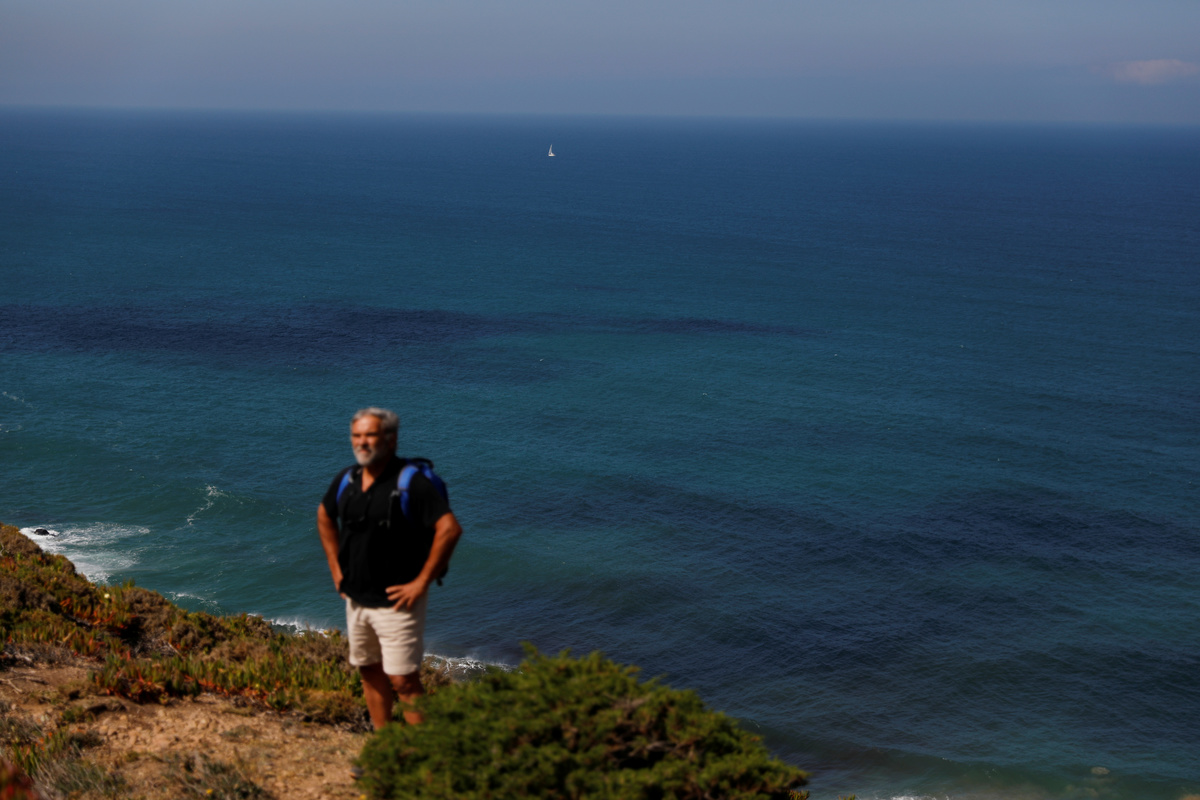
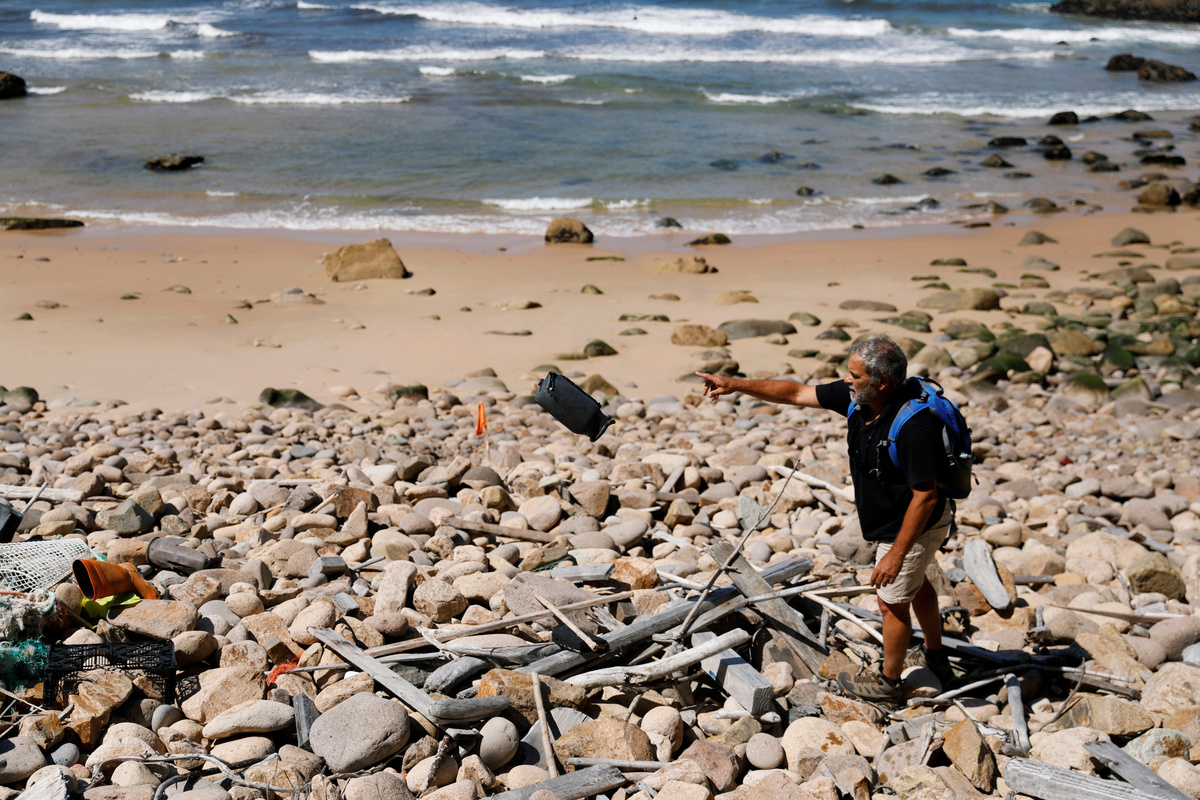
"Everybody goes on beach clean-ups but the cliffs are where no one wants to go," he said after a tiring morning searching for rubbish at the bottom of a cliff. It is only reachable by trekking along tough paths and carefully climbing down slippery rocks – sometimes using a rope.
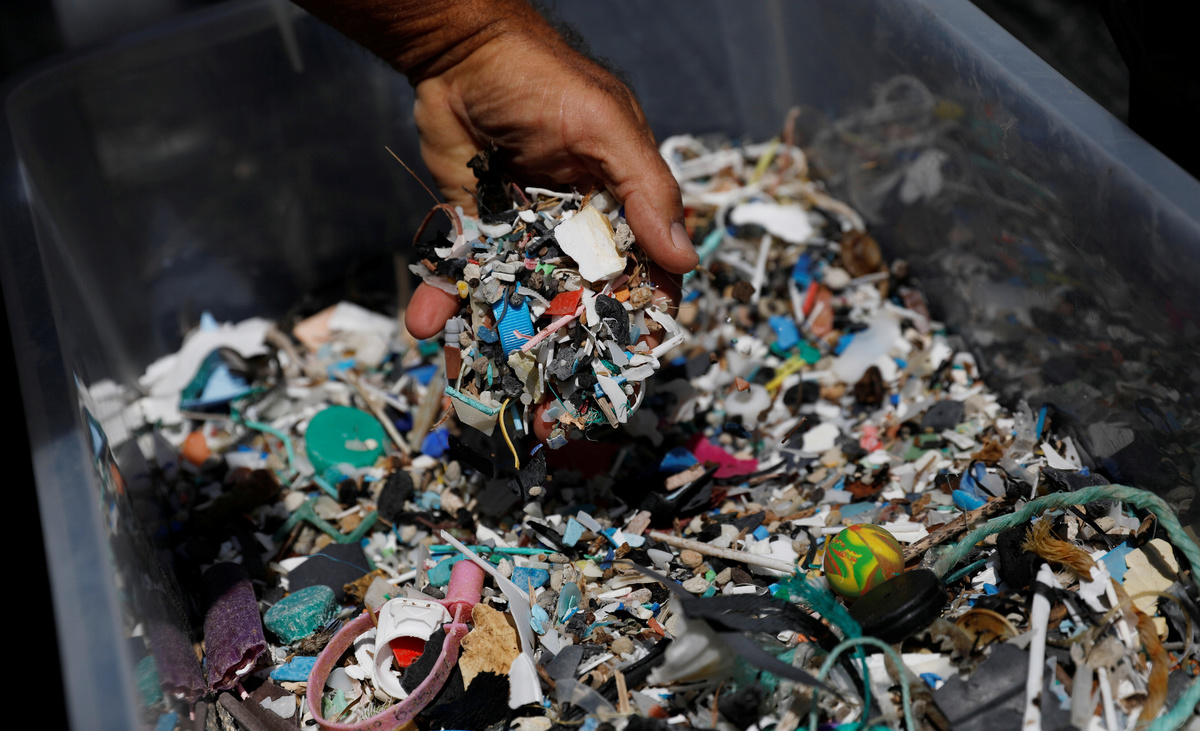
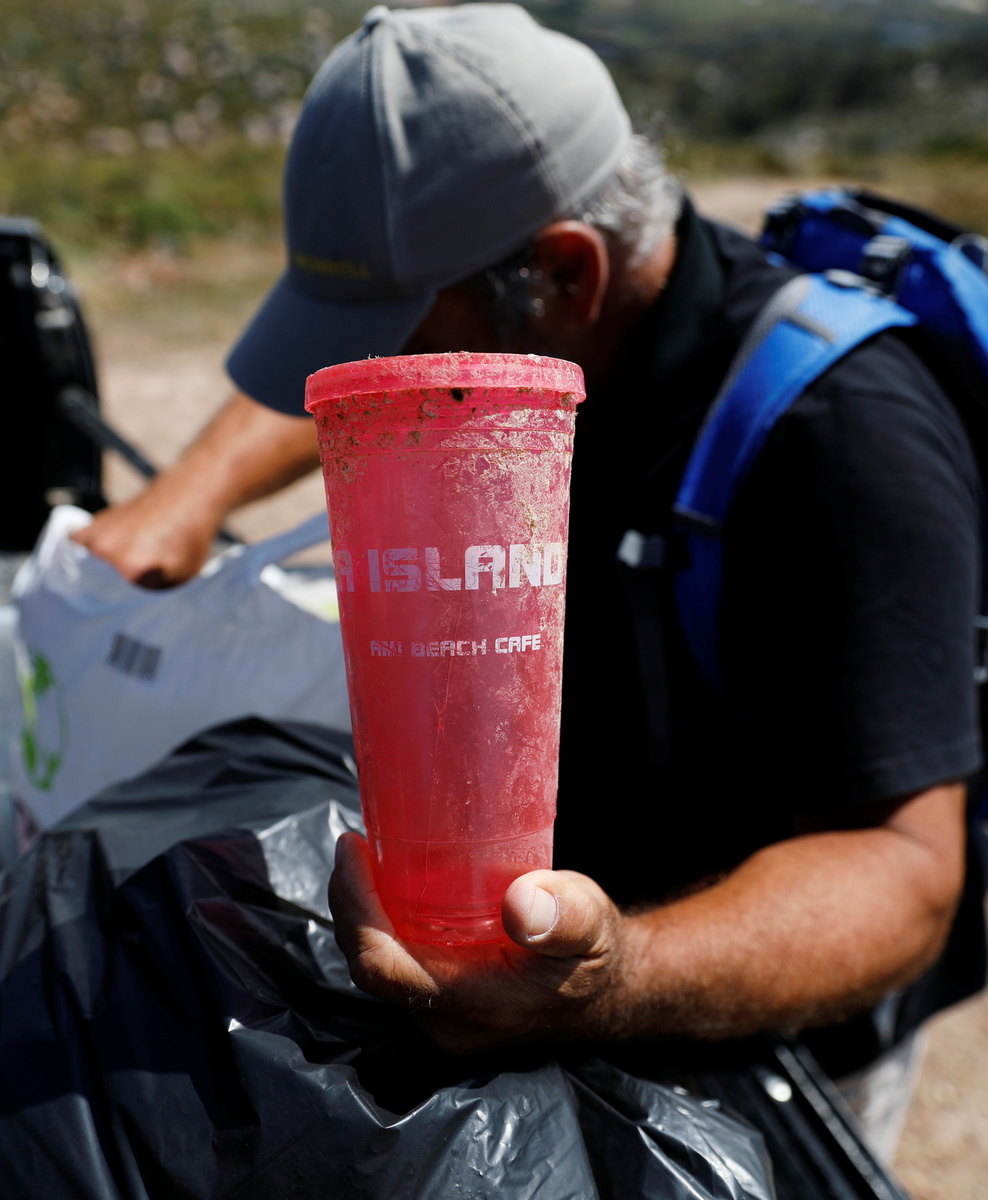
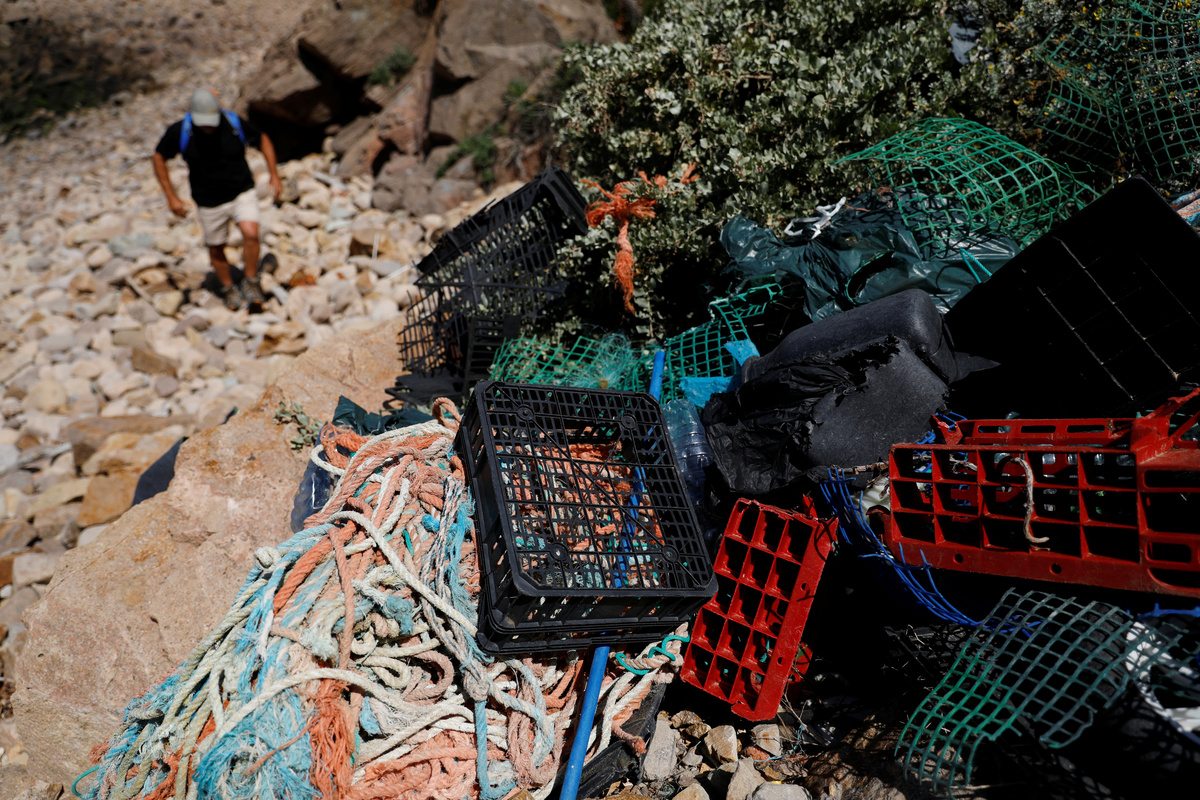
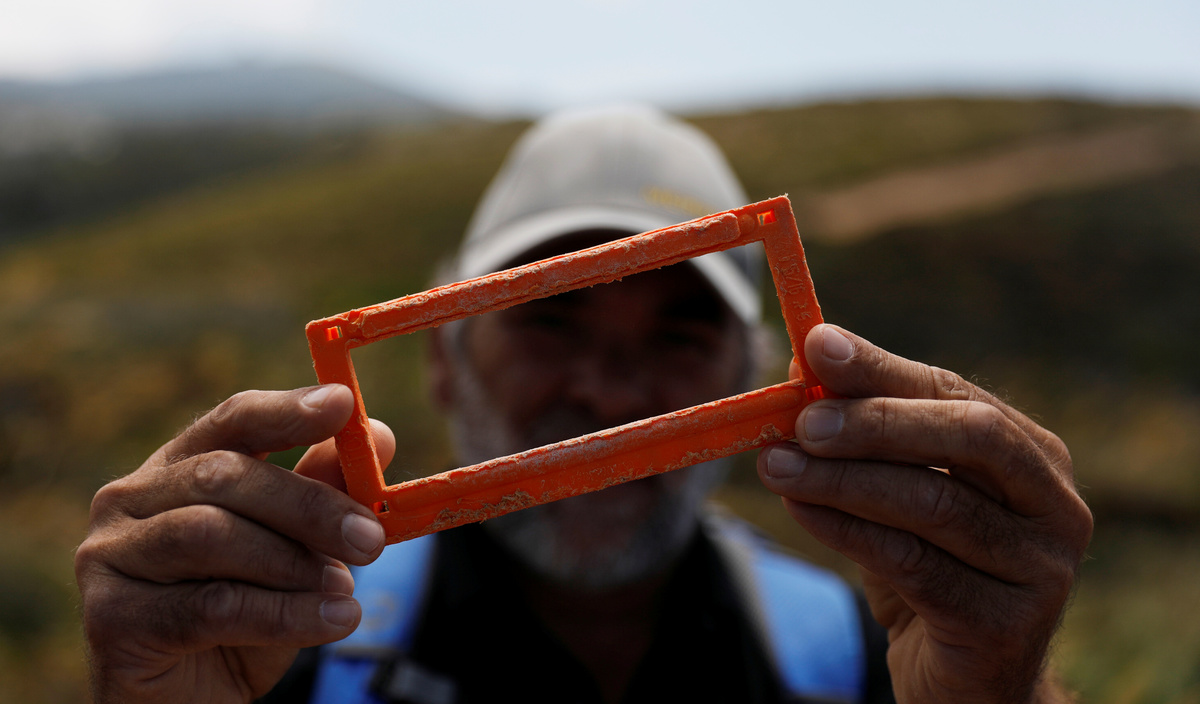
In recent years, searching an area of the Portuguese coast only 3 km (1.9 miles) long, Lacerda has collected 30,000 liters of rubbish, from refrigerators to a plastic cup that traveled all the way across the Atlantic from a beach bar in Florida.
But most of the rubbish Lacerda finds comes from the fishing and shipping industries, including equipment used in lobster fishing in the United States and Canada.
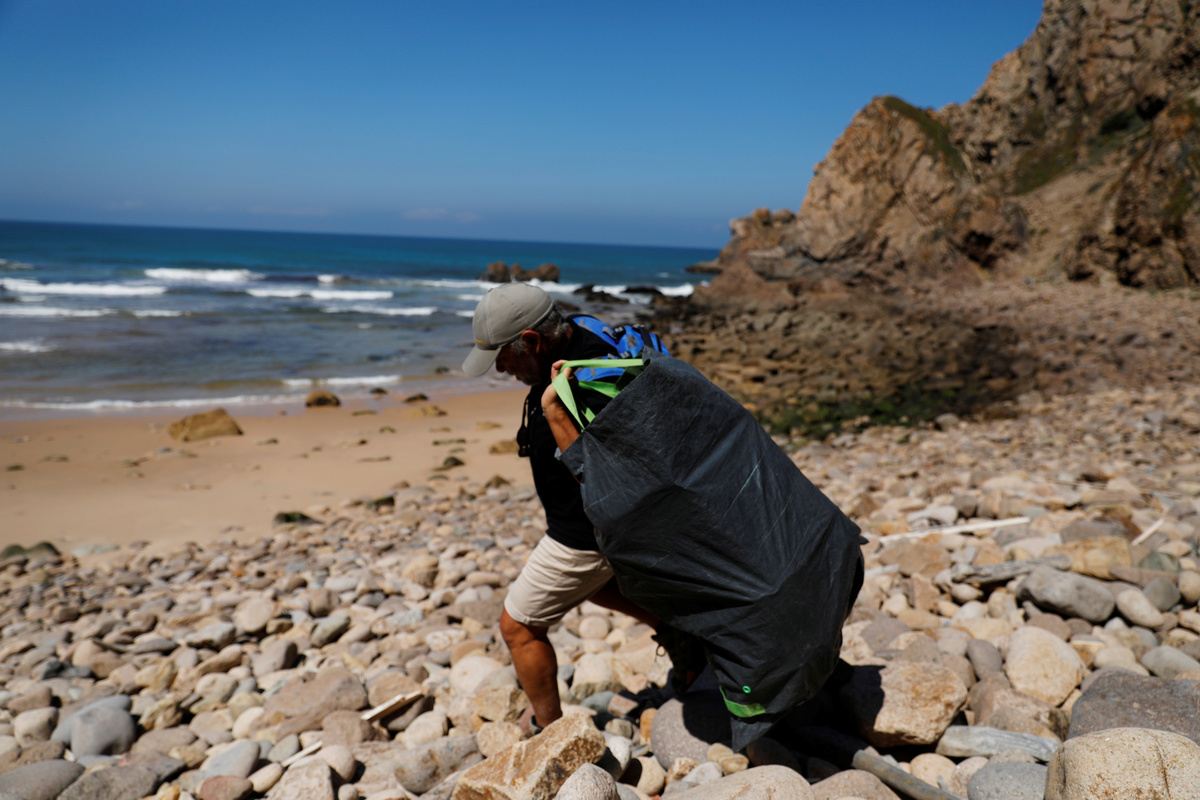
Approximately 80% of marine litter originates on land but in the northeast Atlantic shipping and fishing "are very important litter sources", said the European Commission. Most of the debris is made of plastic.
"We cannot stand still," Lacerda said. "People who enjoy the sea have the duty to respect it."
(Reporting by Catarina Demony; Editing by Axel Bugge and Toby Chopra)