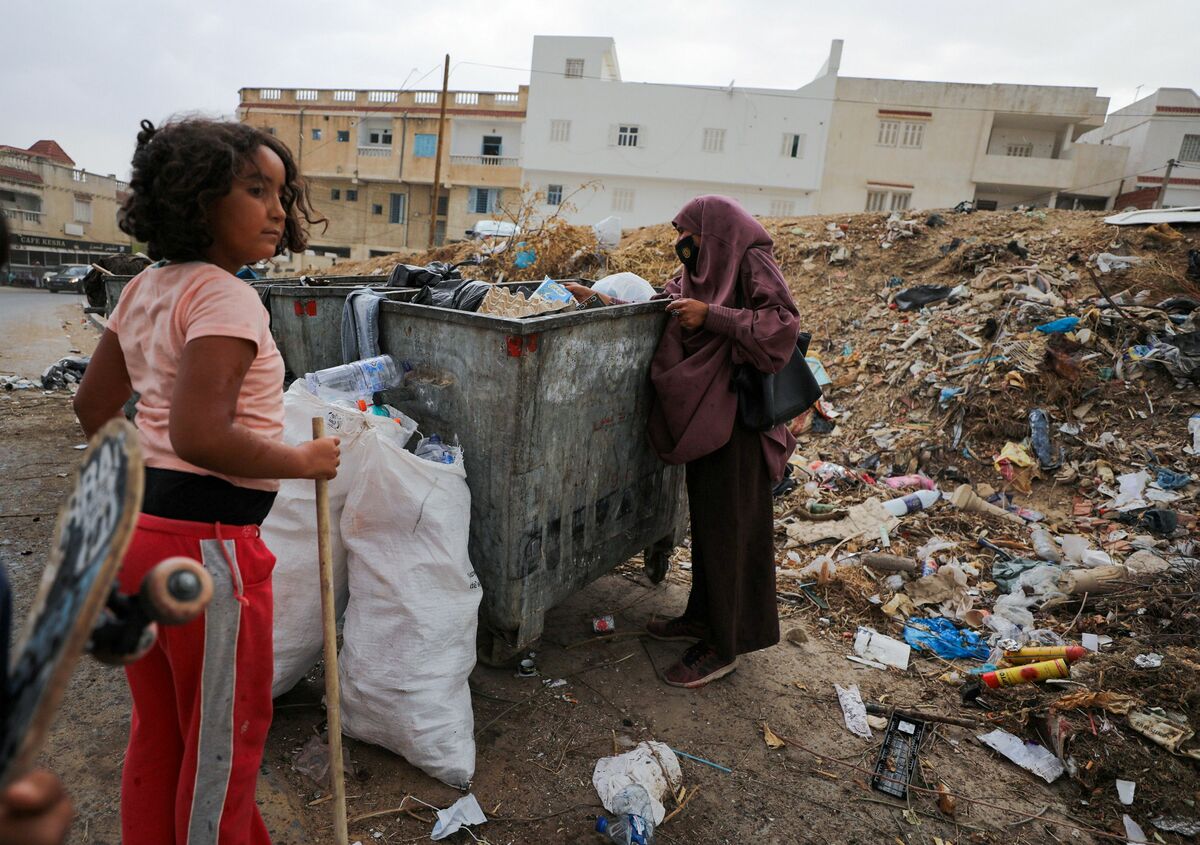
As day breaks over Tunis, Jamila Ghuili takes her two small children out into the streets to scavenge in waste bins for plastic bottles that she sells to buy food for her family.
Abandoned by her husband, the single mother lives in a poor part of Omrane Superieur, a neighborhood of the capital where Tunisia's economic malaise is acutely felt.
"Everything has become expensive," said Ghuili, as her children played next to her.
Exacerbated by the repercussions of the COVID-19 pandemic, economic grievances have fuelled discontent in Tunisia, leading to protests that encouraged President Kais Saied to remove the prime minister and assume governing authority last month.
Ghuili, 55, gathers a few kilograms of dirt-covered plastic each day, foraged from heaps of garbage dumped at the roadside.
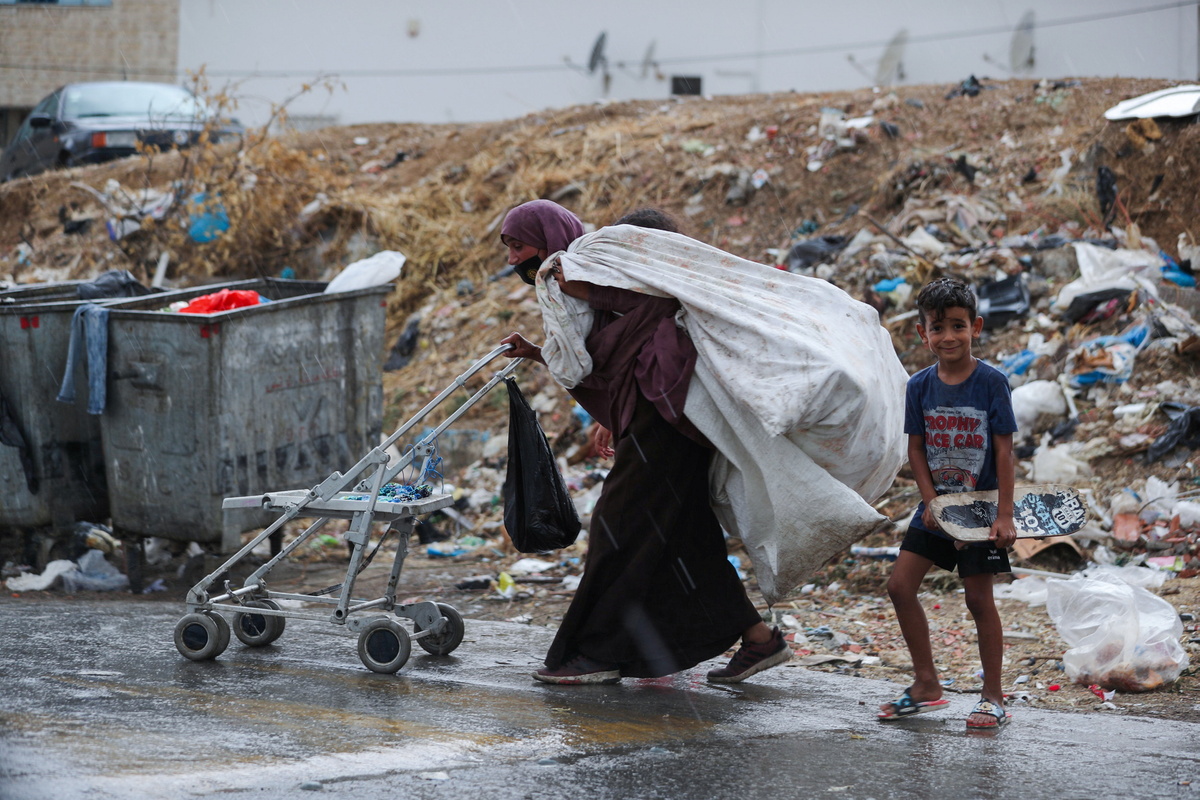
The proceeds from selling the plastic, combined with limited financial assistance from the government, amount to 190 Tunisian dinars ($69) a month, around half her monthly rent.
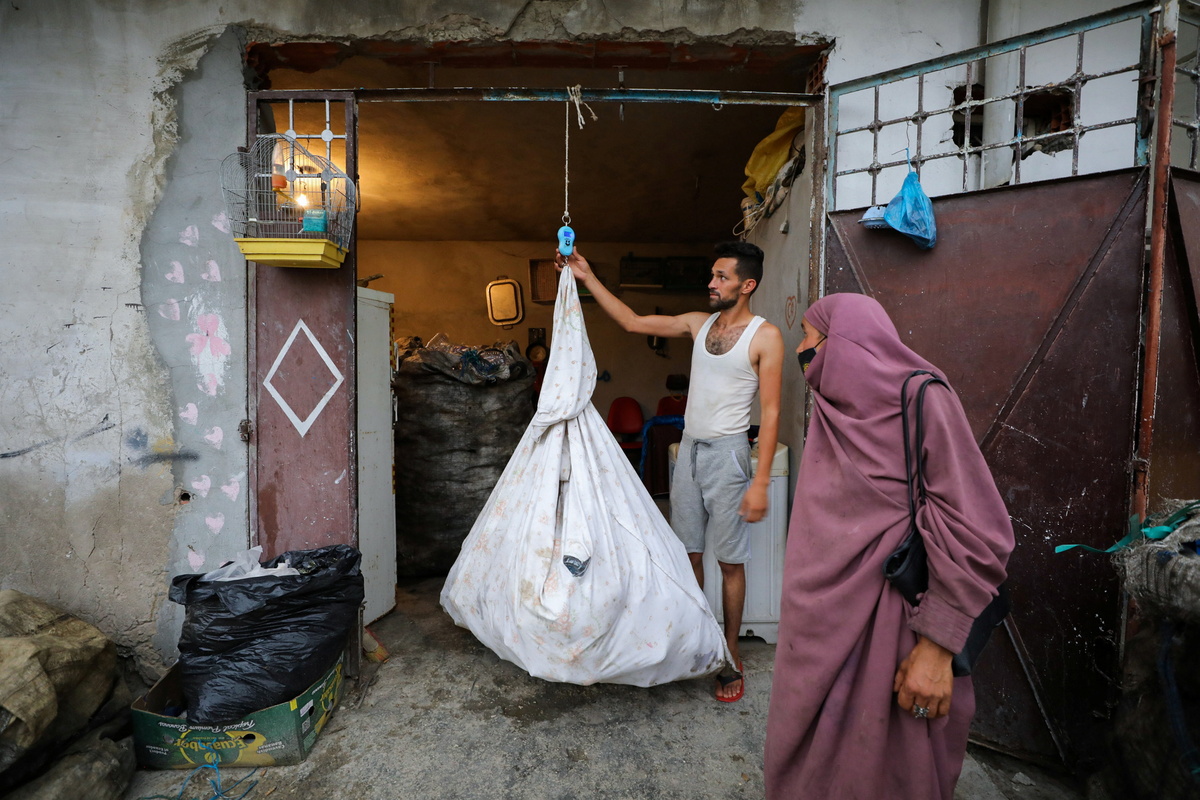
Hamza Ayari, who buys the bottles and re-sells them to factories, says many people are doing the same. "They don’t have any other job, they are poor people," he said.
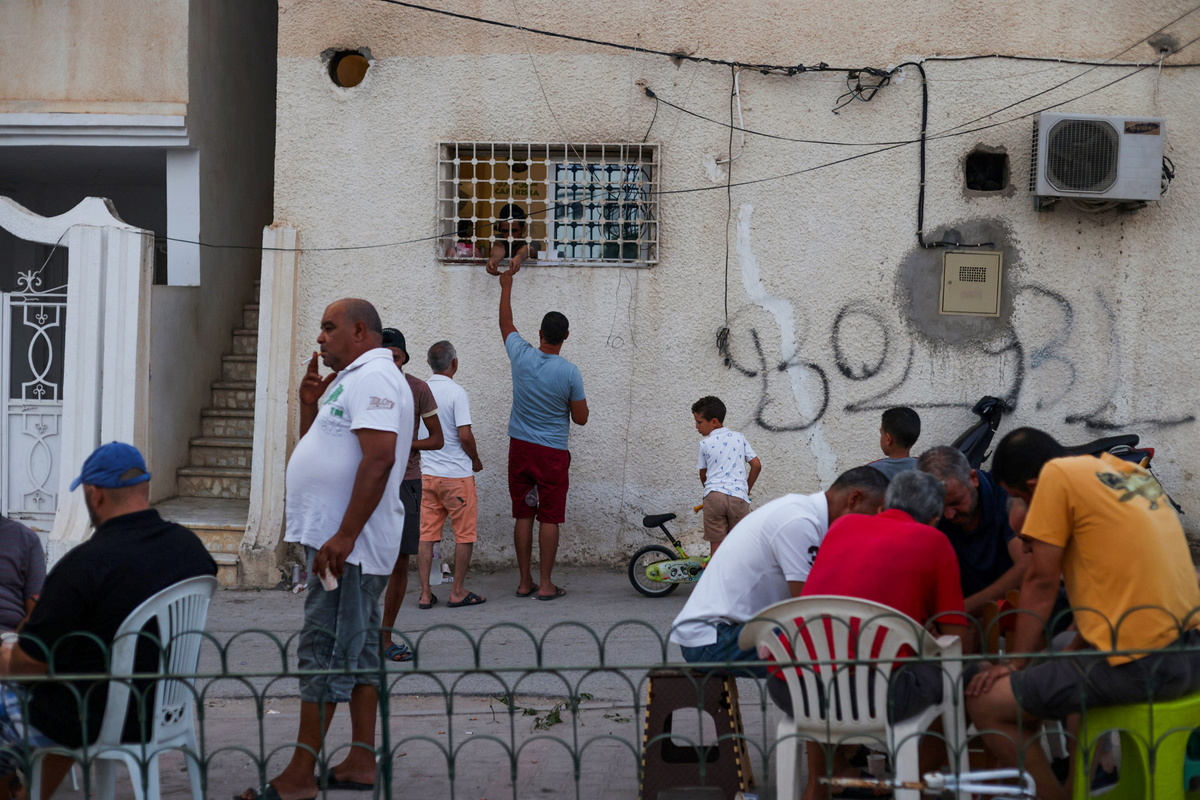
Desperate for better lives, some of Omrane Superieur's residents are hopeful about Saied's move, even though major parties in parliament have decried it as a coup and a threat to Tunisia's nascent democracy.
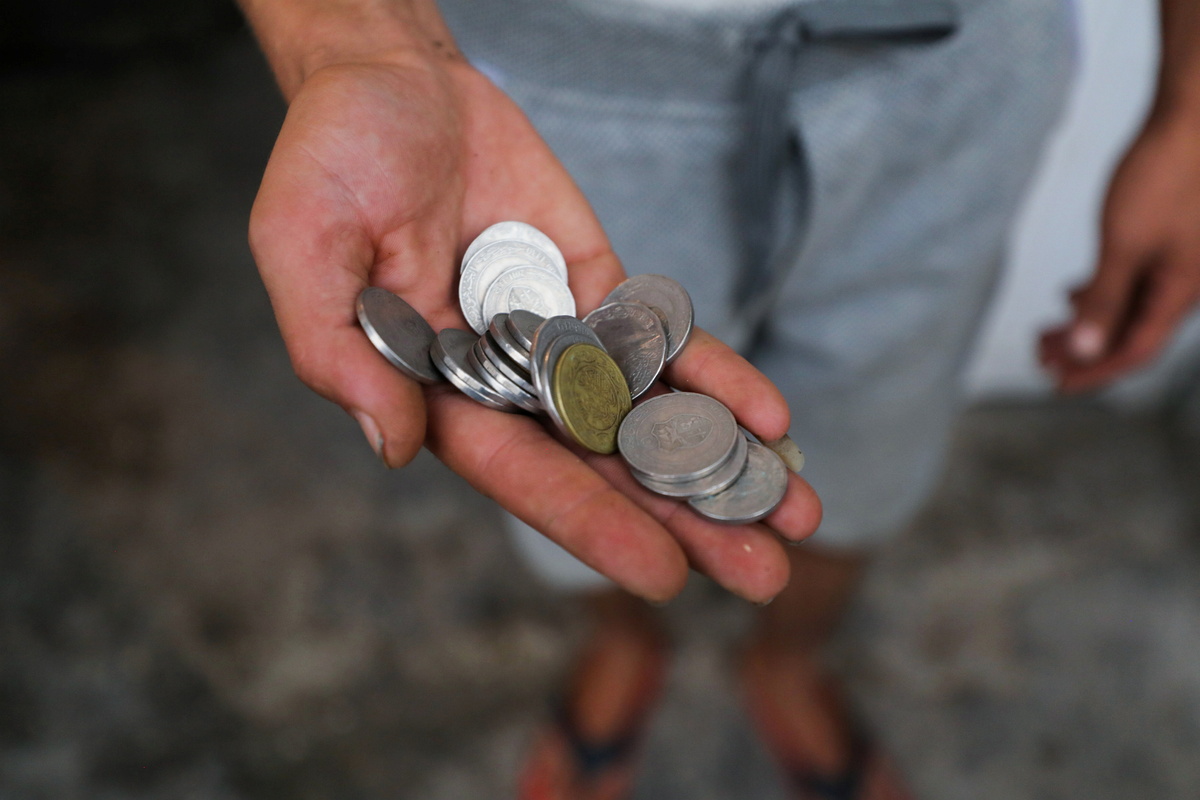
"I salute the people who voted for him, he is a good person," said Fakhreddine Wannas, 56, a resident. "I hope he can take us out of the dark and into the light."
It echoes sentiment expressed by other Tunisians who are fed up with political bickering and want to see an improvement in the economy - which shrank by 8.8% last year - and more effective action against COVID-19.
Saied's actions have caused concern in the United States and other Western governments that have praised Tunisia's transition from authoritarian rule since a popular uprising in 2011 removed President Zine El-Abidine Ben Ali.
Saied, who was elected in 2019, says he will not become a dictator and that the actions he took on July 25, including the 30-day suspension of parliament, were constitutional. He has yet to set out next steps.
Soumaya, who paints henna tattoos for a living, expressed relief about the situation, saying that for a long time Tunisians did not know where they were heading. "Now we are all happy," said Soumaya, as she painted a child's hand.
(Writing by Nadeen Ebrahim; Editing by Tom Perry and Janet Lawrence)