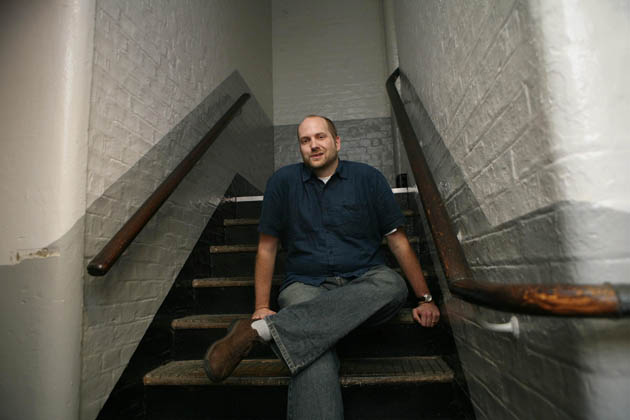
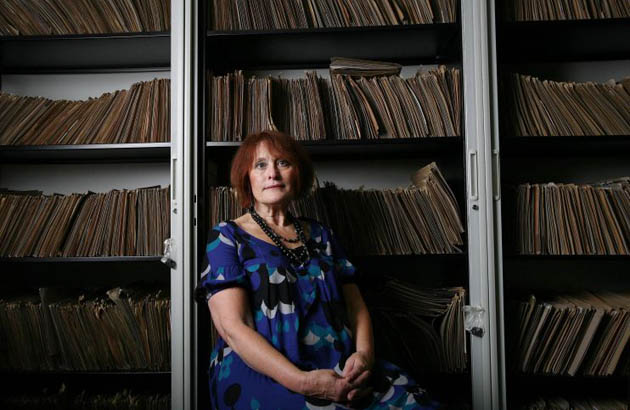
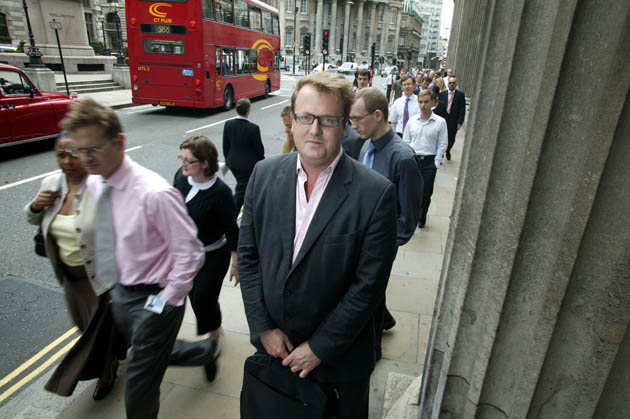
Left to right: Lynn Young, Fenella Lemonsky, Matt Cooper, Elizabeth Balgobin, Andy Berry, Jonathan Naess, Marjorie Thompson, Robert WestheadPhotograph: Composite image/guardian.co.ukAndy Berry, 33, moved from the United States to Britain in 1996 and works in marketing and communications. Following a number of mis-diagnoses he was eventually diagnosed with bipolar disorder. He believes employers could do much more to improve employment practices to reduce discrimination and stigma.Photograph: Anna Gordon/FreelanceLynn Young, 60, has had a long and successful career as a district nurse and then at the Royal College of Nursing. She argues that legal protection is only one part of the battle for reducing workplace discrimination against people with mental illness and says effective campaigns to change the attitudes of employers and the public are essential for progressPhotograph: Anna Gordon/Freelance
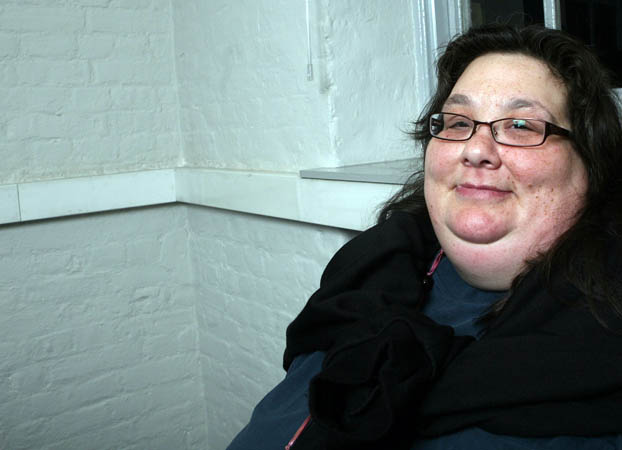
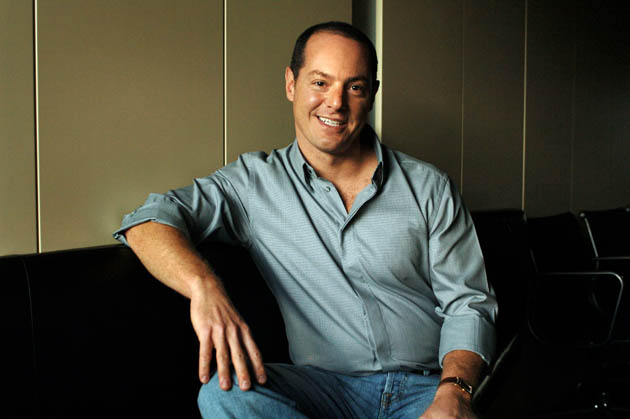
Fenella Lemonsky, 40, has a degree in health studies and works in the voluntary sector as a paid employee and volunteer. She was diagnosed with a personality disorder, and believes both health professionals and employers have a long way to go before life at work is made more acceptable for people with a mental illnessPhotograph: Anna Gordon/FreelanceMarjorie Thompson, 50, is a graduate of the London School of Economics and is a communications professional and author. She has worked in senior positions for a range of high profile organisations and when it comes to dealing with mental illness in a work environment and believes the best employers are not necessarily in sectors that people might expectPhotograph: Graham Turner/GuardianRobert Westhead, 34, is a former journalist and press officer, who currently works for a government anti-stigma initiative, Shift. Diagnosed with bipolar disorder at the age of 19, Robert has experienced first hand the problems surrounding finding effective treatment and the difficulties this brings with itPhotograph: Graham Turner/GuardianMatt Cooper, 40, graduated first in his class from Princeton University before going on to a successful career in management consultancy and banking. In 2004 he was diagnosed with a number of mental health conditions including acute anxiety. He experienced severe panic attacks and spent long periods in psychiatric units. He thinks people with first hand experience of mental health problems can do a lot to conquer the stigma attached to itPhotograph: Linda Nylind/FreelanceElizabeth Balgobin, 42, is chief executive of the London Voluntary Service Council. Her first experience of mental illness was as a teenager when a bout of depression led her to attempt suicide. She believes that an open-minded and flexible approach from employers can produce positive results both for individuals and organisationsPhotograph: Anna Gordon/FreelanceSince studying Politics, Philosophy and Economics at Oxford, Jonathan Naess has enjoyed a successful career in the City of London. He is currently on a year’s sabbatical in order to found the anti-stigma charity Stand to Reason. Jonathan believes that if successful professionals with a mental illness put their heads 'above the parapet' and prove that mental illness and a successful career are not mutually exclusive, employers will listen and learnPhotograph: Frank Baron/Guardian
Sign up to read this article
Read news from 100’s of titles, curated specifically for you.