MALINALCO, Mexico _ The home that American dollars built stands out among the dusty adobe farmhouses and crumbling concrete shacks on the edge of this rural Mexican town.
Visitors may wryly refer to it as a "hacienda" because of its grandiose touches _ the elaborate wooden entryway, the curved staircase leading up to the front door _ but with its red brick, pitched roof and garage sheltering a bright blue SUV, what it really looks like is a little bit of Texas.
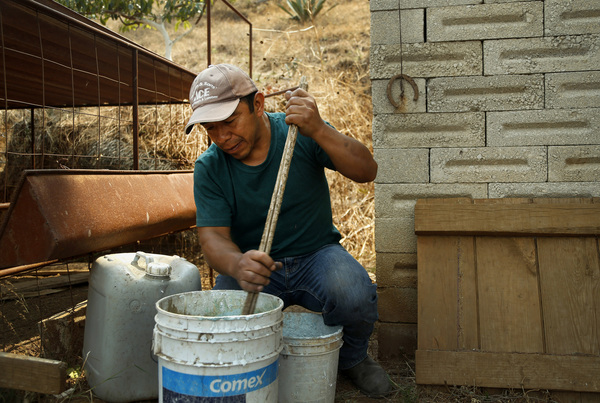
Athens, Texas. That's where German and Gloria Almanza spent two decades toiling in factories and building, cleaning and repairing other people's homes so that one day they could make a place of their own back in Mexico _ a place to finish raising their two kids.
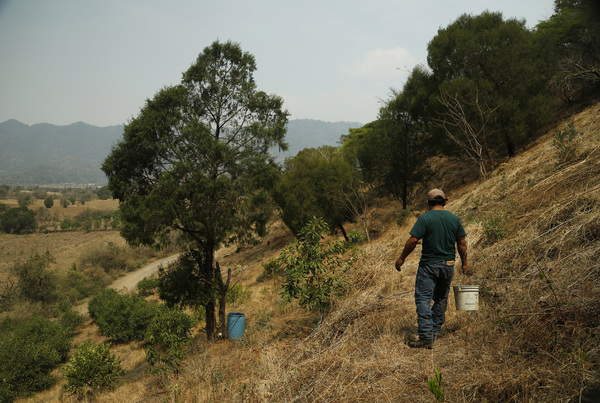
When in 2012 the couple brought their children back to their hometown of Malinalco, a picturesque pueblo two hours southwest of Mexico City, they were not alone.
Census data show more than 1 million Mexicans and their families left the U.S. for Mexico between 2009 and 2014, and fewer made their way north _ a major demographic shift that is reshaping the immigration equation and having profound effects on both countries.
Most have left the U.S. on their own accord, drawn home by new economic opportunities in Mexico, the impact of the Great Recession on the U.S. job market and in many cases the irresistible lure of family. Others have been forced out by an increase in deportations from communities in the interior of the U.S. Security along the Southwest border has also been beefed up significantly, making crossings so dangerous and expensive that many no longer try.
The result is that towns like Malinalco, whose economies once were infused with money sent home from fathers, sisters and husbands working in the U.S., are now making room for returnees, some of whom have lived like Americans for years.
Coming home can be a powerful emotional experience. Those returning with savings can use their capital and skills learned in the U.S. to open businesses and get ahead.
But it's not always easy. Schools are struggling to integrate an influx of new students, including a large number of youngsters born in the U.S. who often aren't fluent in Spanish and lack the necessary identity documents to enroll. Returnees must readjust to the culture and leaner paychecks of Mexico, where the average hourly wage is less than $2.50. And many families now have children in the U.S., parents in Mexico.
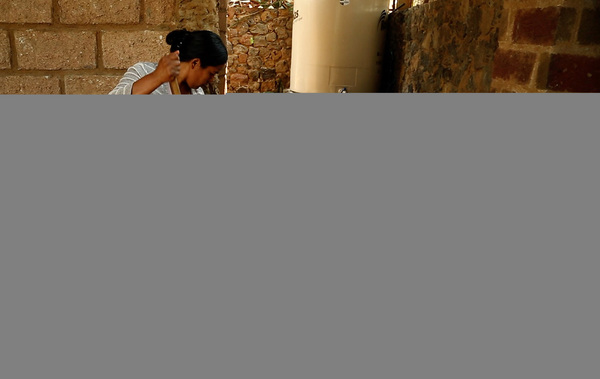
"Families are now mixed-nationality families, and that's not something policy tends to understand," said Ellen Calmus, who runs the Corner Institute, a migrant support organization in Malinalco. The children of returning migrants are especially vulnerable, she said, often without full access to services and education in either country. "This is going to have costs for all of us down the road," she said.
The Almanzas always knew they'd come home. It was only a matter of when.
The house they built on a hill across from a picturesque church has it all _ a gorgeous kitchen, two bathrooms and a big bedroom for each of the children. Strewn with clothes, team photos and old yearbooks, the rooms look like those of any busy teenager.
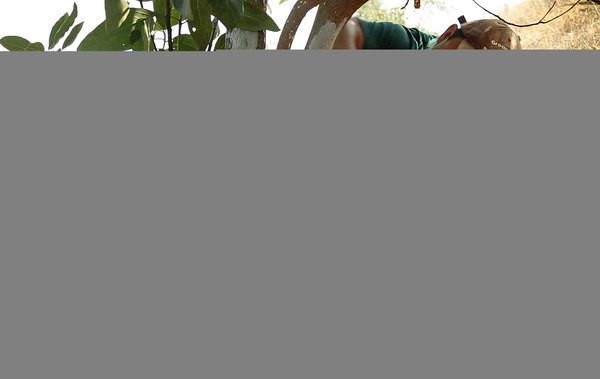
There is only one thing missing from the home that their American dollars built: the kids.