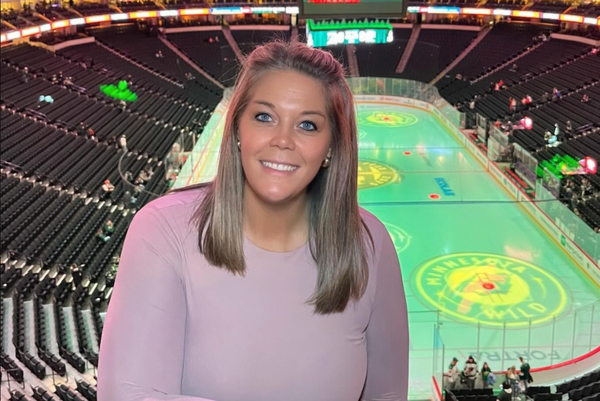
KANSAS CITY, Mo. _ Before the pandemic, Tiffany Glass felt like her life was starting up again.
The 28-year-old worked 10-hour shifts as a manager at a local thrift store. She regained custody of her 3-year-old son, and soon she and her fiance would welcome another baby boy into the world.
Time in prison, a halfway house and various sobriety groups taught Glass to fill her days with people and purpose, so she had reasons to leave her bed and push out any thoughts of relapse.
Then coronavirus stripped routine and socialization from Glass' schedule. Stores closed down not long after Glass put in her two-weeks notice. Stuck at home for weeks with her son during her pregnancy and no reason to leave the house, the isolation got to her. Even though her sobriety group continued hosting meetings, she lost motivation to attend.
A trip to the dentist was the tipping point. A dentist suggested Vicodin for a toothache, which led her to rationalize she could handle heroin again.
"Once the Covid happened, and I was stuck at home all day, I couldn't even find a reason to get in the shower," she said, "because I don't have to go to a (sobriety) meeting today."
For Glass and many others who struggle with addiction, the isolation required during a pandemic has created the perfect scenario for relapse and overdose. With treatment centers and support groups stopping operations or moving online, it has also been harder for people to access the accountability systems they relied on to stay sober.
Glass said her friends in recovery have dealt with the same issues. Without the routine of daily jobs, outings with friends and recovery group sessions, they fell back into old habits.
Along with a documented rise in alcohol sales across the country, Megan Keller said illegal drug use and overdose likely have increased as well. Keller works for First Call, a 24-hour hotline and service provider for people and families dealing with substance abuse disorders and mental illness.
At Midwest Recovery Centers, there's been an increase in calls in the last three months, said the center's director of operations, Kevin O'Grady. For some people who have abused alcohol and drugs for a long time without seeking help, O'Grady said the pandemic has been a wake-up call.
Without parties or other social outings as excuses for their drinking and drug use, he said more people are realizing they have a problem and are asking for help. With major events canceled, they also no longer have a reason to continue putting off treatment.
"The common excuses or barriers that may have been there in the past are less prevalent," O'Grady said.
Finding resources
Since the pandemic first shut down organizations and meetings, First Call has needed to continually update its list of treatment centers and resources to refer callers to, said Keller, the organization's Family Services lead.
Some of those centers are opening back up, but Keller said First Call has also sent clients to online 12-step support groups around the area. First Call has also continued online services for people struggling with addiction and their families.
The organization fully staffs its crisis call center to make sure people reach a person the first time they call, so that no one feels discouraged if they reach an answering machine after working up the courage to ask for help, Keller said. First Call will continue to update its list of accessible treatment centers and recovery groups during the pandemic, so that those seeking help don't hit a wall, she said.
Some treatment and recovery centers also needed to reduce services and adjust to keep clients safe from coronavirus.
O'Grady said Midwest Recovery has been able to continue live-in operations with new regulations. Volunteers have stepped up to hold socially distanced recovery meetings in parks, and other meetings have moved online, allowing some people who live outside the Kansas City area to continue receiving support from the center.
At Welcome House KC, an 80-bed recovery center where men struggling with addiction live for nine months as they practice sobriety, new client applications were halted during the stay-at-home order.
Welcome House is designed to create community _ residents are constantly around others in their dorms and during small and large group meetings, said the recovery center's CEO Jamie Boyle. The recovery center used to admit residents every day, but now new clients can only apply twice a month and must quarantine within the facility for two weeks before they can participate in regular activities and move into their room.
"That's a challenge for any alcoholic or addict, particularly in the early stages of recovery," Boyle said, "because isolation and distancing and everything that Covid has basically required us to do is exactly the opposite of what Welcome House is designed for."
Boyle, who is in long-term recovery like the rest of the Welcome House staff, knows the pandemic has hit those who struggle with addiction hard. In about two and a half weeks during stay-at-home orders, he said he lost six people within the local recovery community to overdose or suicide.
Creating accountability
In the three weeks he was on furlough from his job, Dave, who has been sober for almost a year since relapsing, worried the lack of routine and increased free time would lead him to use again. He asked not to be identified by his last name.
Instead, continuing support group and therapy appointments online and picking up hobbies like fishing and practicing music helped him keep busy.
During the pandemic, he said a recovering addict's self-accountability is tested. If they live alone, Dave said, it's easy to think about slipping a drink without anyone noticing.
Communicating with the recovery community through Facebook and Reddit and his local chapter of Refuge Recovery, a sobriety support group that has been holding online meetings, has helped keep him and others from relapsing.
Technology, he said, has allowed many people who struggle with addiction to immediately connect with others who can offer advice and experience even while they're isolated.
"You can chat with somebody who understands the struggle of the addict or the alcoholic," Dave said, "and you can just vent or talk about whatever is bothering you and there's someone who's there to say, 'Hey this is what I've been doing to help get through this.' "
Sober again
For weeks, Glass tried to hide her relapse from her fiance, who is also in recovery. Eventually, she said, the shame built up, he confronted her and she got clean two weeks before she gave birth to her second son in May.
Glass didn't want to lose custody of another child because of her addiction. That's what happened during her first pregnancy, and she lost crucial bonding time with her firstborn son, she said.
This time after she gave birth, her son came home with her.
To get through this isolated period, when it can be harder to stay sober, Glass hopes others who struggle with addiction can find a source of motivation and accountability like her fiance, sons and recovery group have been for her.
She looks for random tasks to do throughout the day to keep herself busy, attends as many recovery meetings as possible and is considering volunteering at her old job to get out of the house more.
"Now that I'm sober again I'm trying to fill my day and my time with things to do, even if it's (stuff) I don't want to do," she said. "At least I did something besides stick a needle in my arm or put something in my nose."