In Greenland, a glacier's collapse shows climate impact
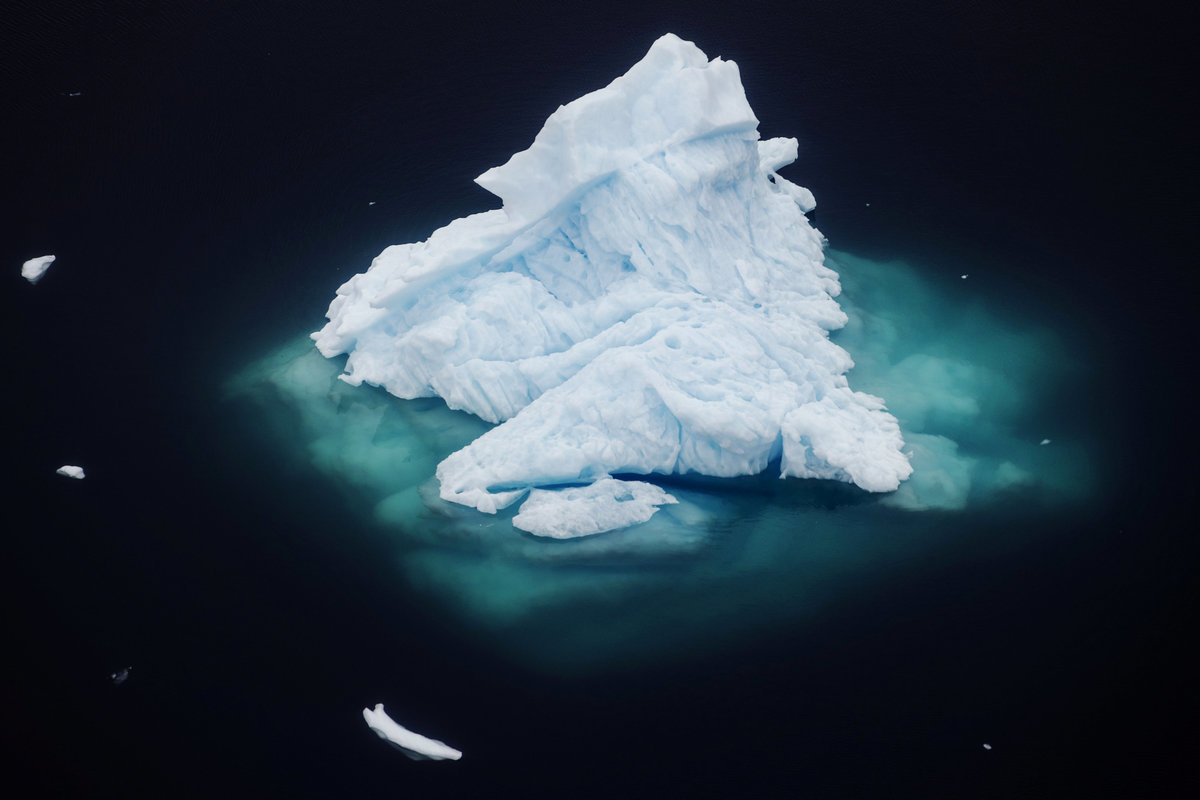
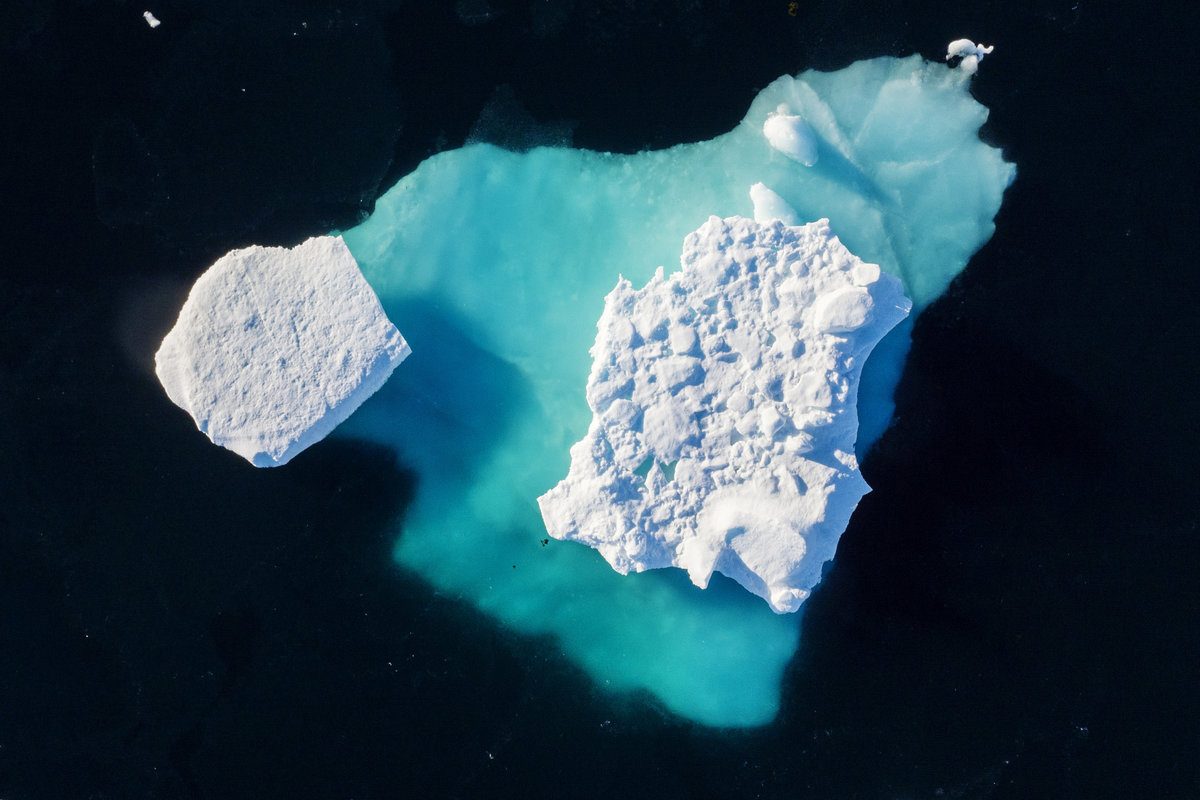
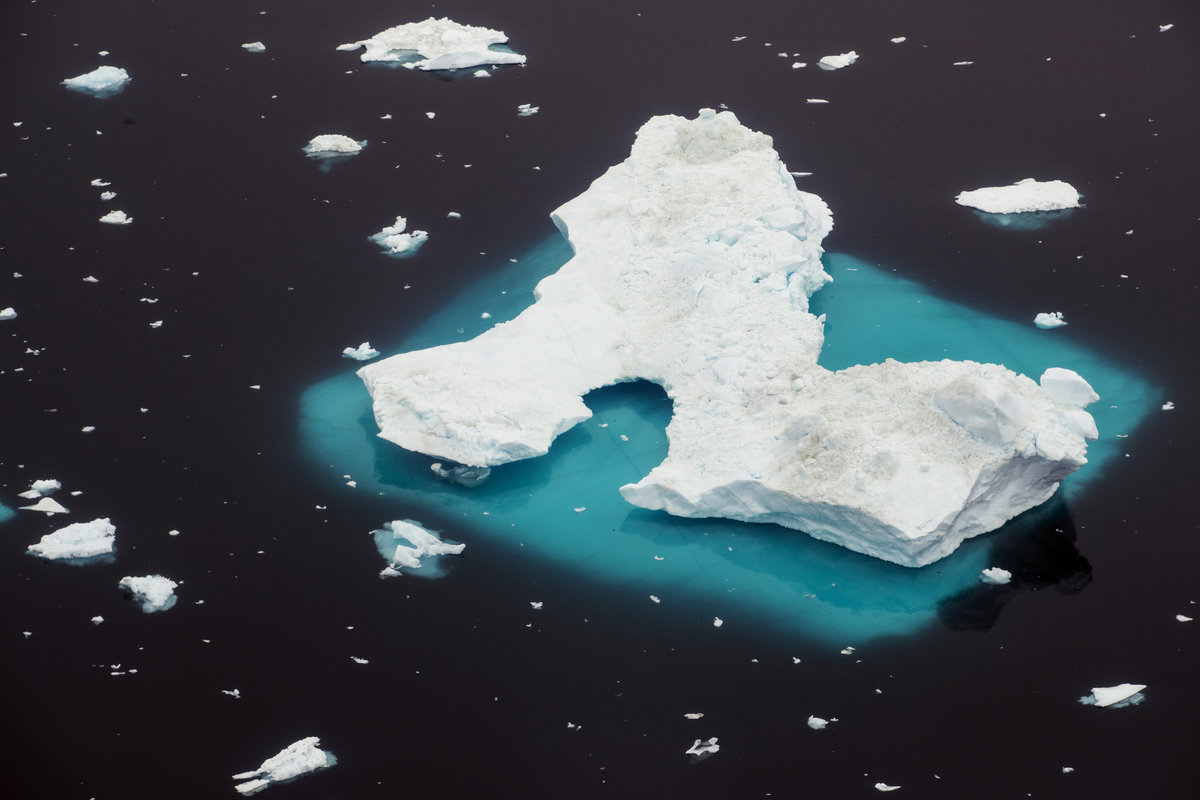
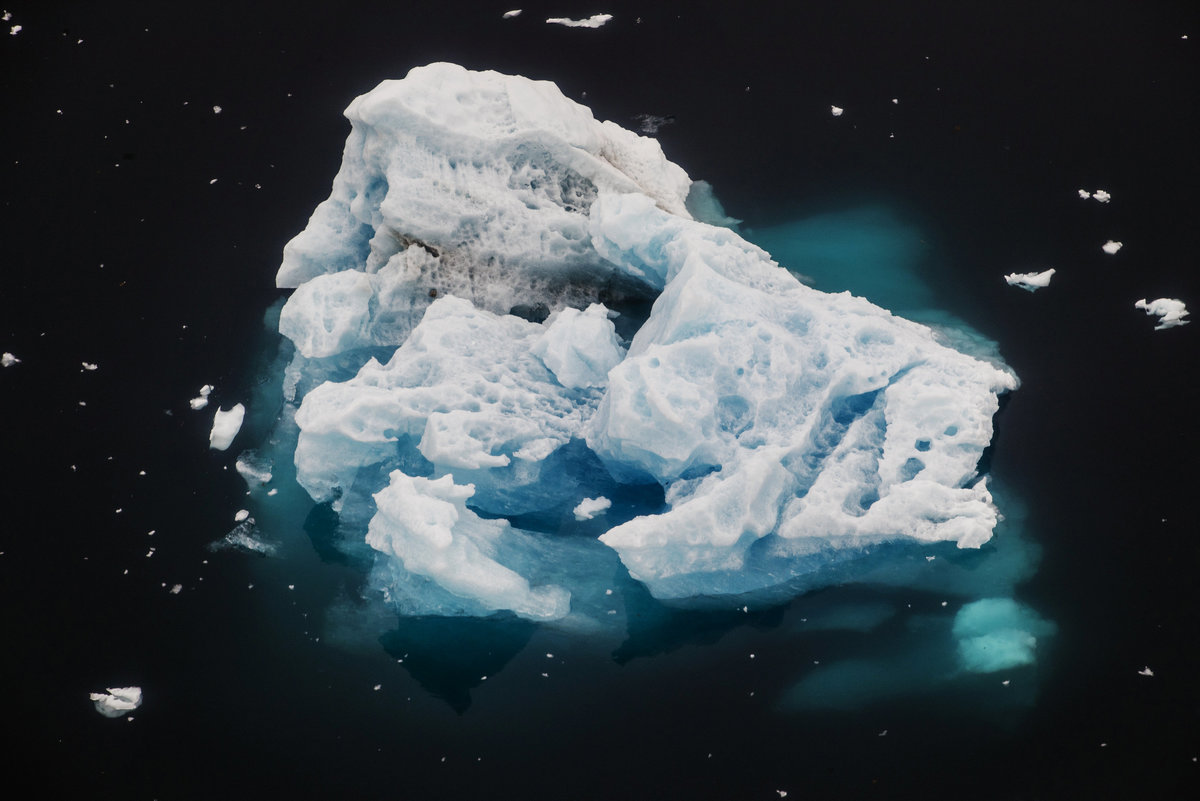
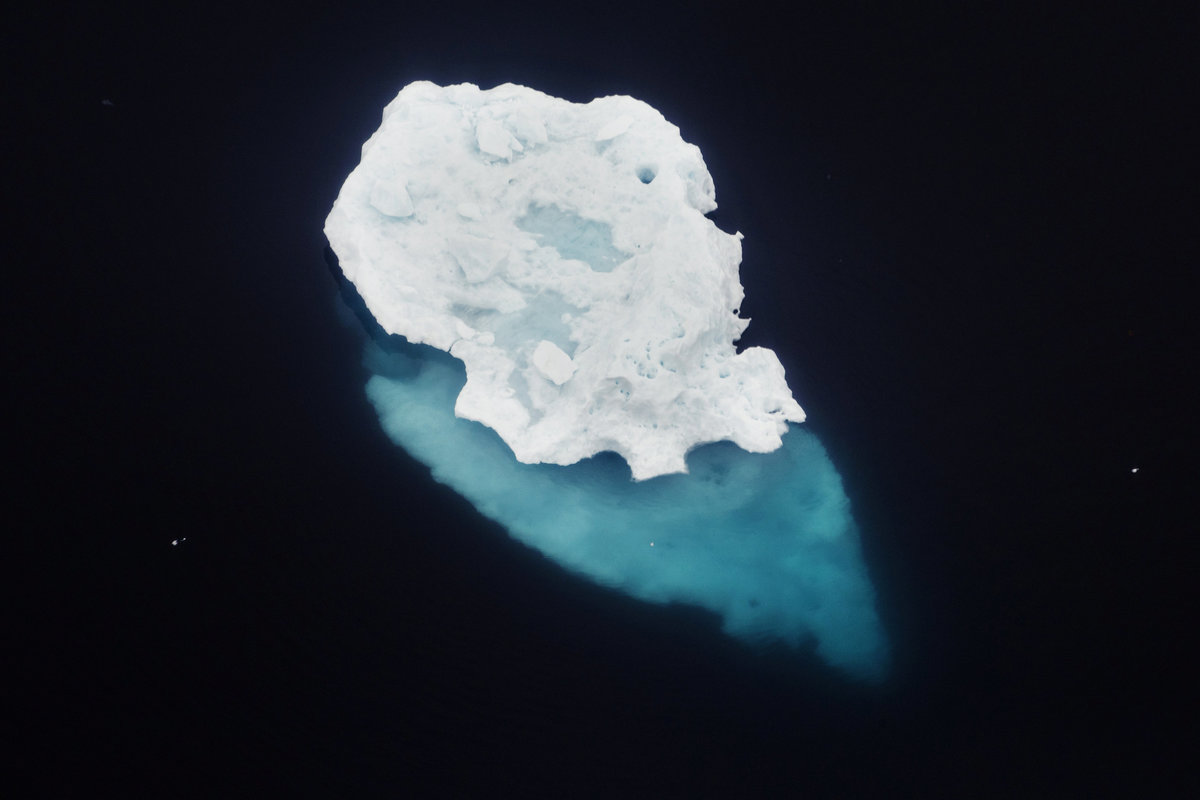
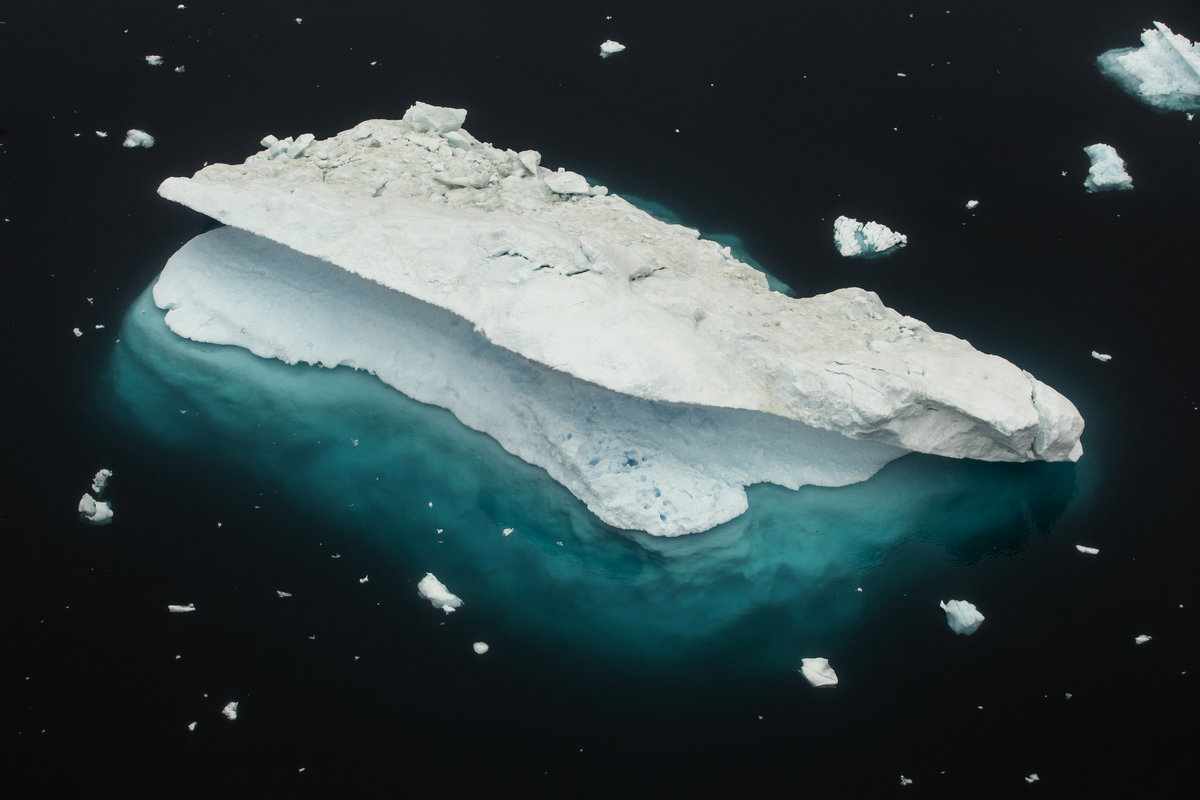
An iceberg floats in a fjord near the town of Tasiilaq, Greenland, June 24, 2018. REUTERS/Lucas Jackson
TASILLAQ, Greenland (Reuters) - Perched on a cliff above Greenland’s Helheim glacier, I tried calling my wife in New York on a satellite phone. Before I could leave a message, an explosion broke the arctic silence.
More explosions followed.
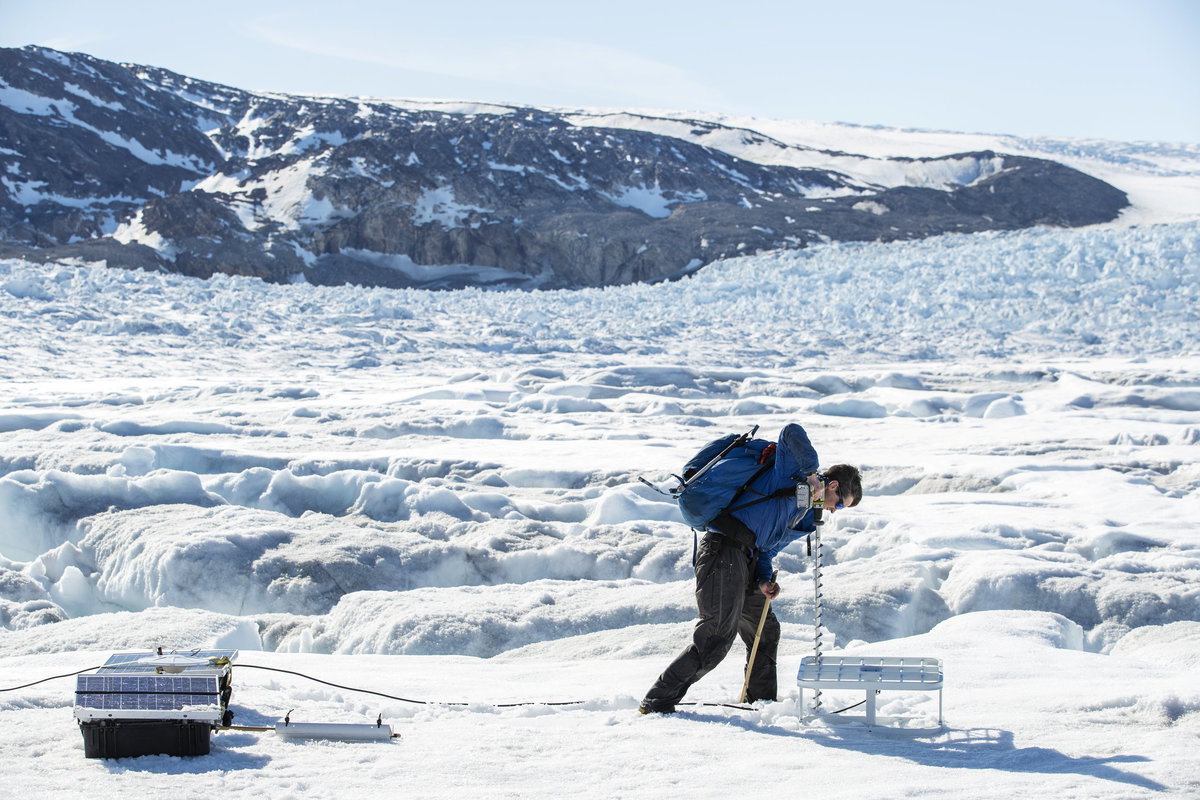
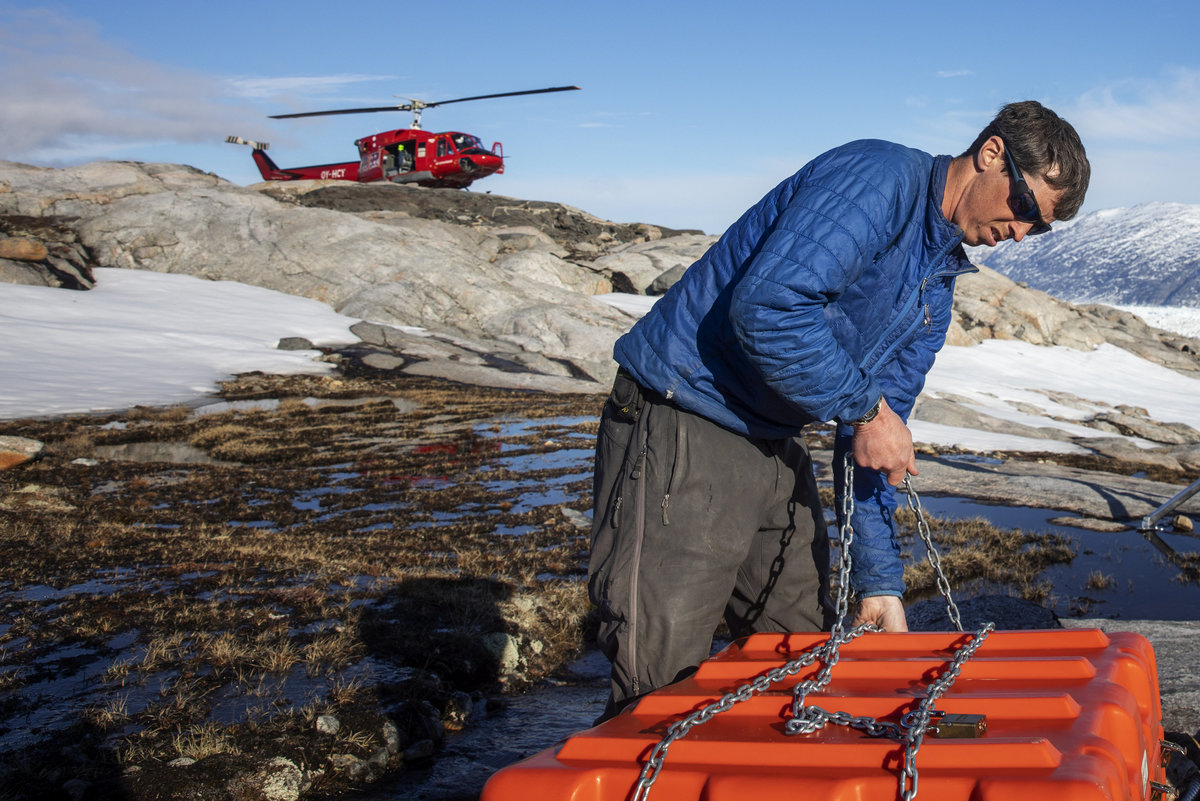
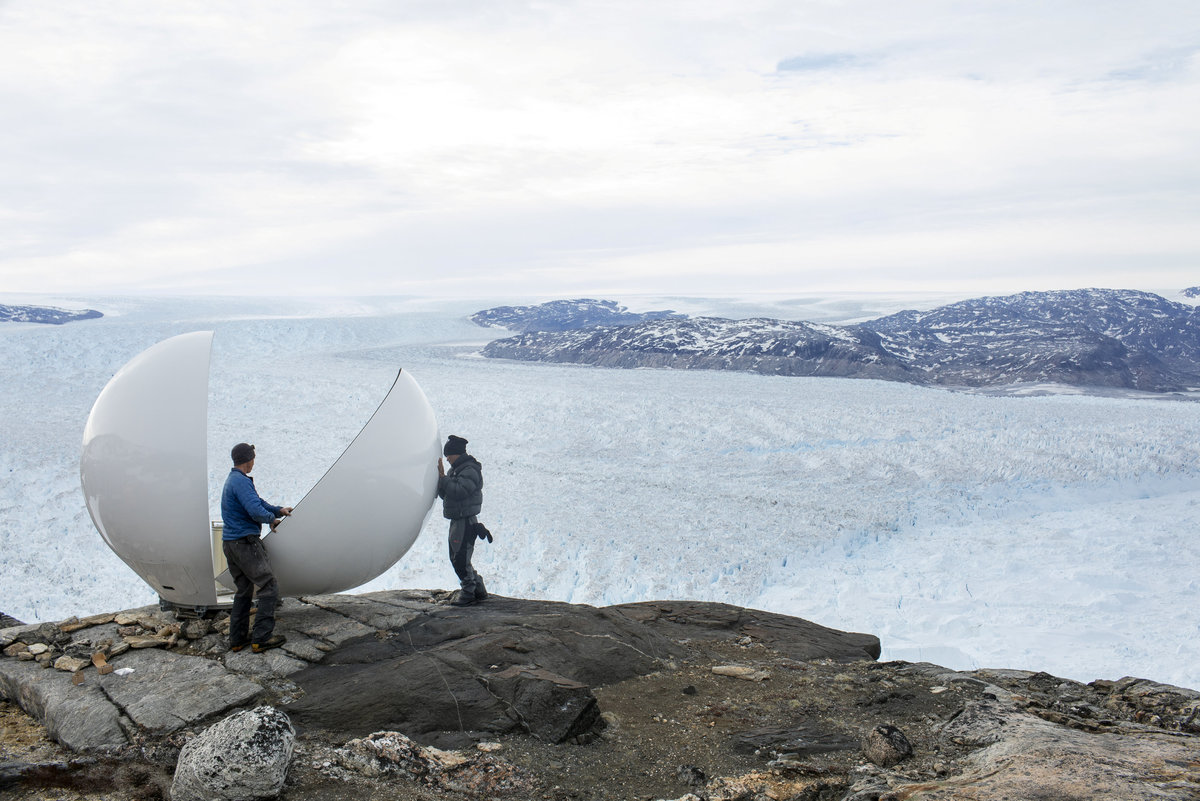
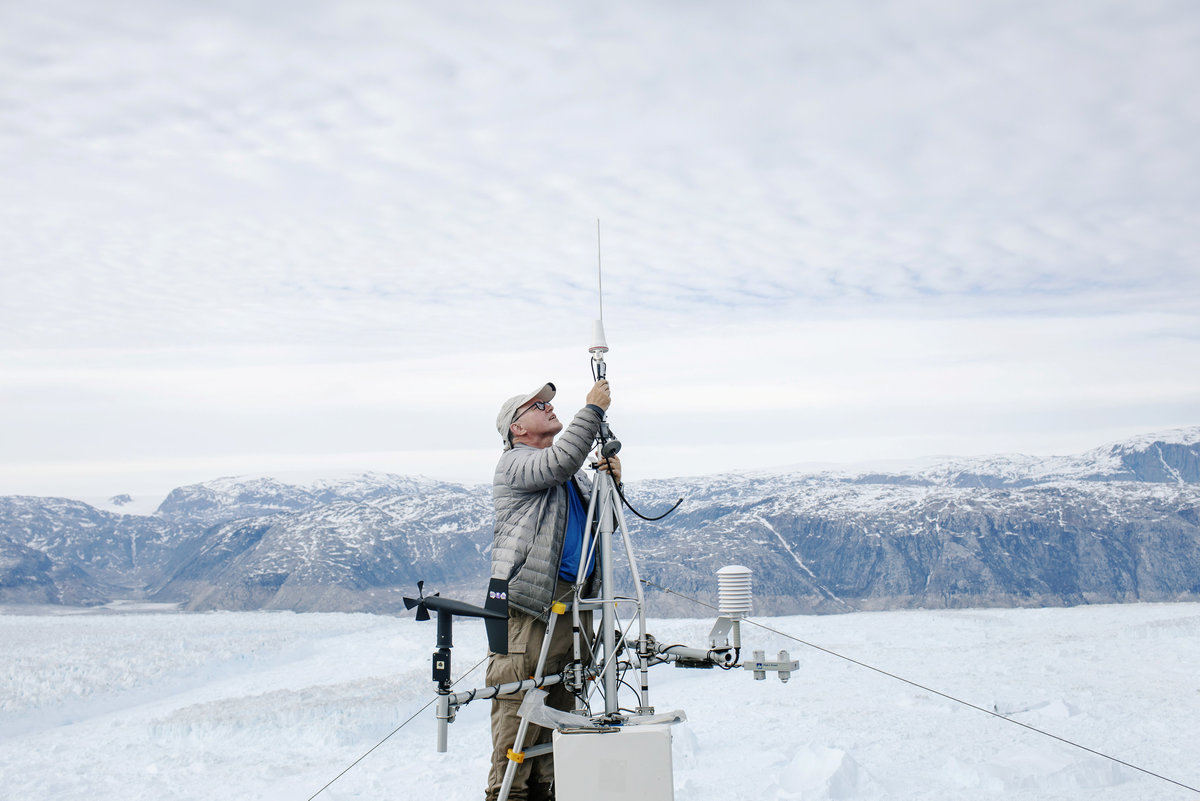
Safety officer Brian Rougeux uses a drill to install antennas for scientific instruments that will be left on top of the Helheim glacier near Tasiilaq, Greenland, June 19, 2018. REUTERS/Lucas Jackson
I ran across a muddy tundra to a video camera on a tripod overlooking the glacier and ripped off the trash bag I had used to protect it. I hit record as fast as I could focus.
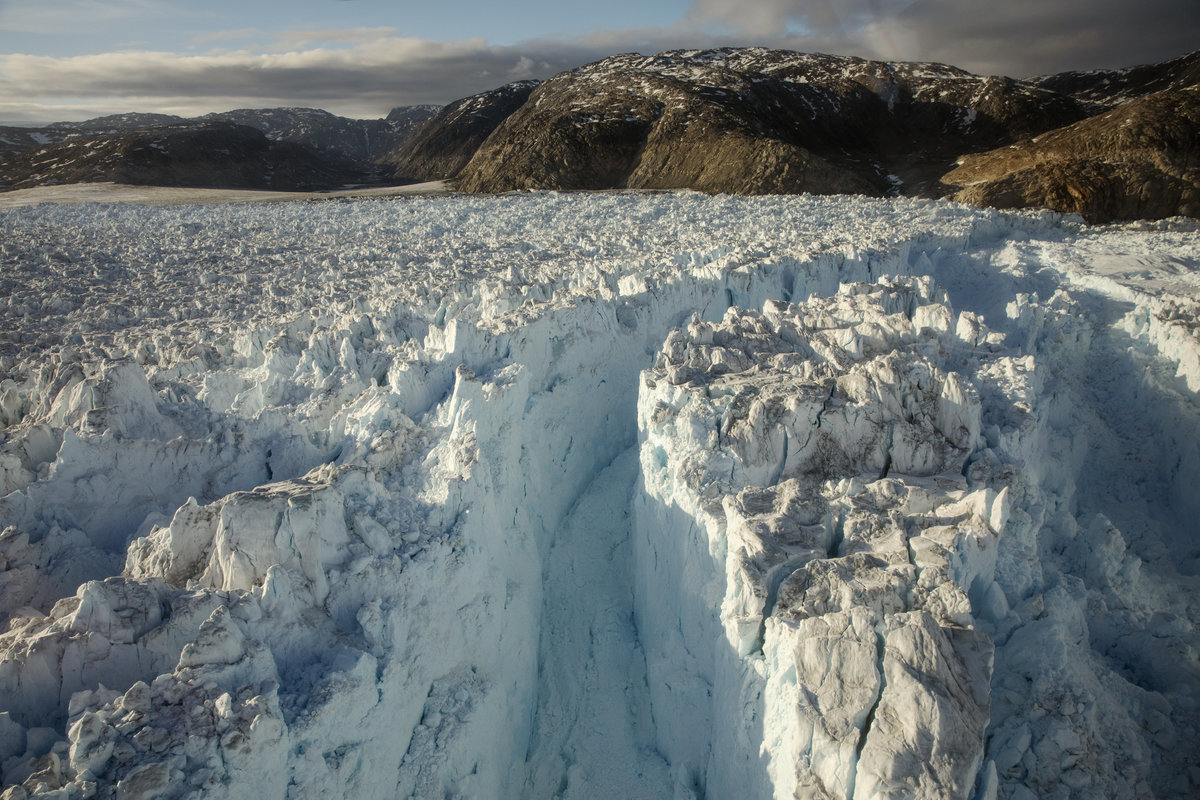
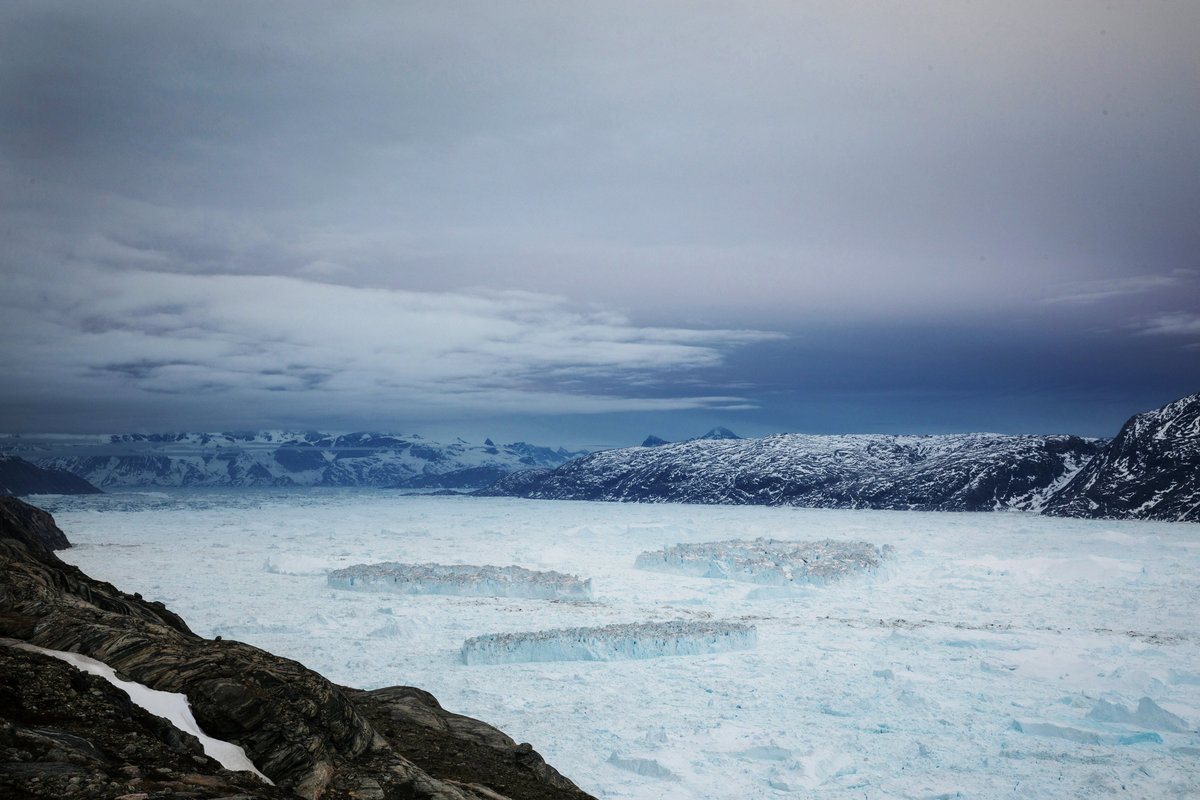
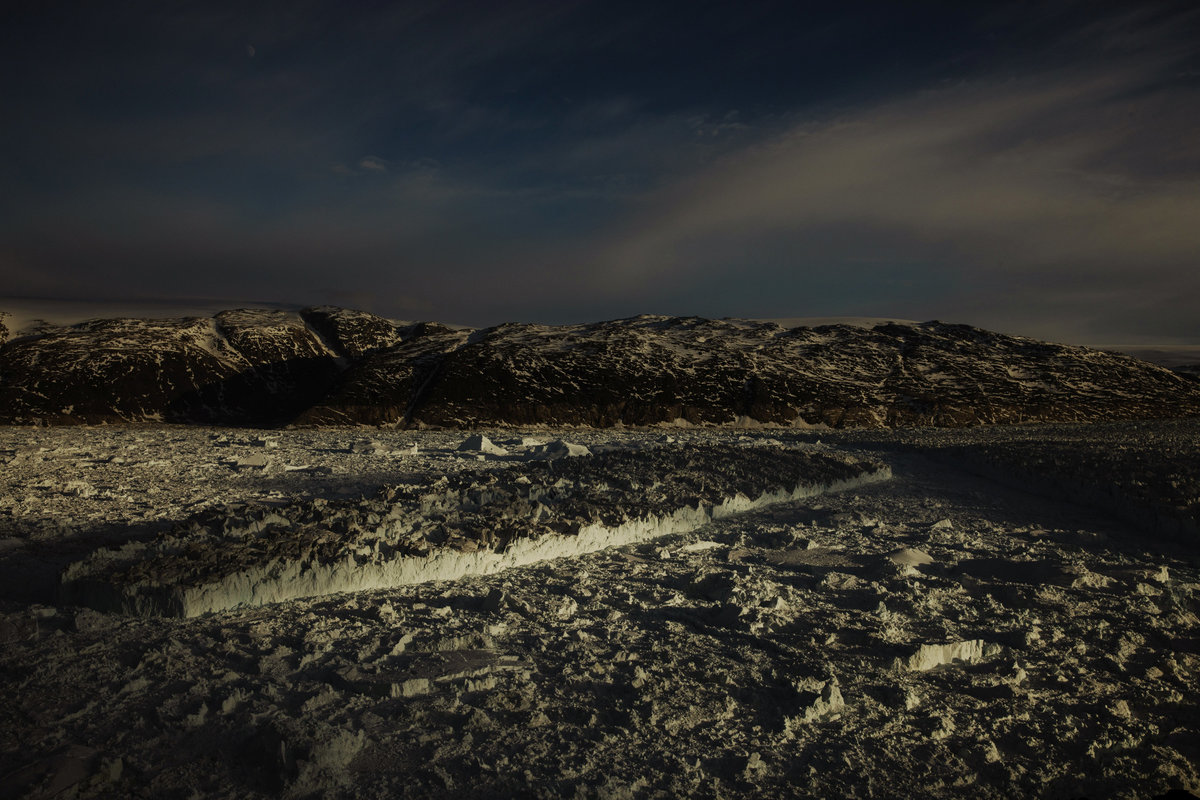
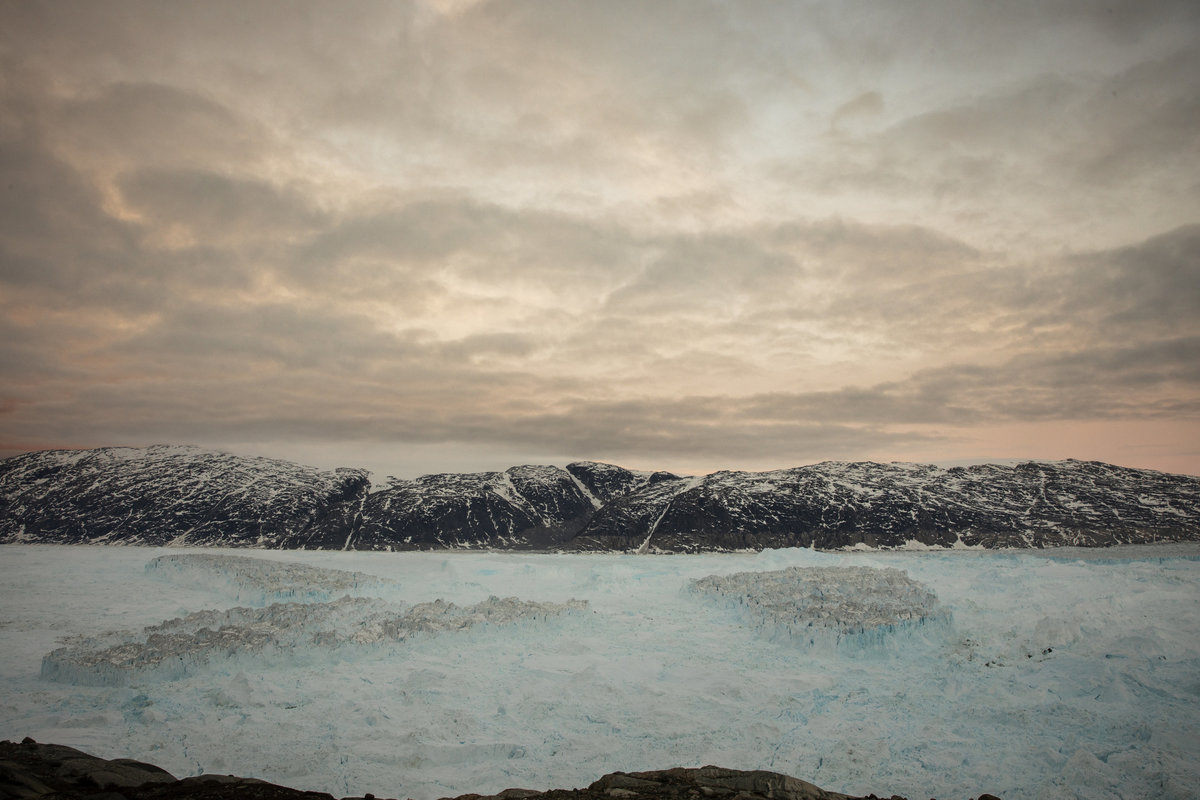
The popping sounds morphed into a low rumble. Over the next half hour, the ice broke apart and a four-mile wide chunk tumbled into the sea in a process called calving - one rarely witnessed on this scale.
(For a photo essay on Greenland's glaciers, see: https://reut.rs/2MKbUKT ; For the rest of the Project Greenland series on climate change, see: )
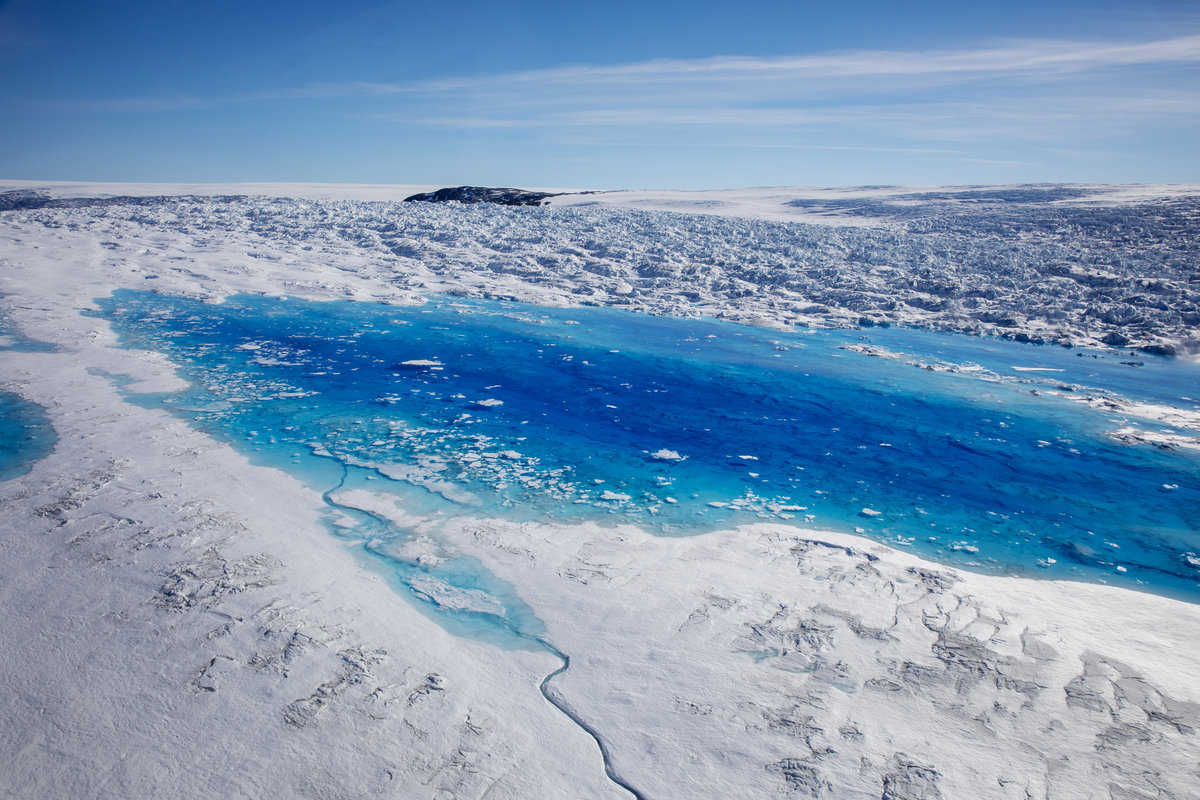
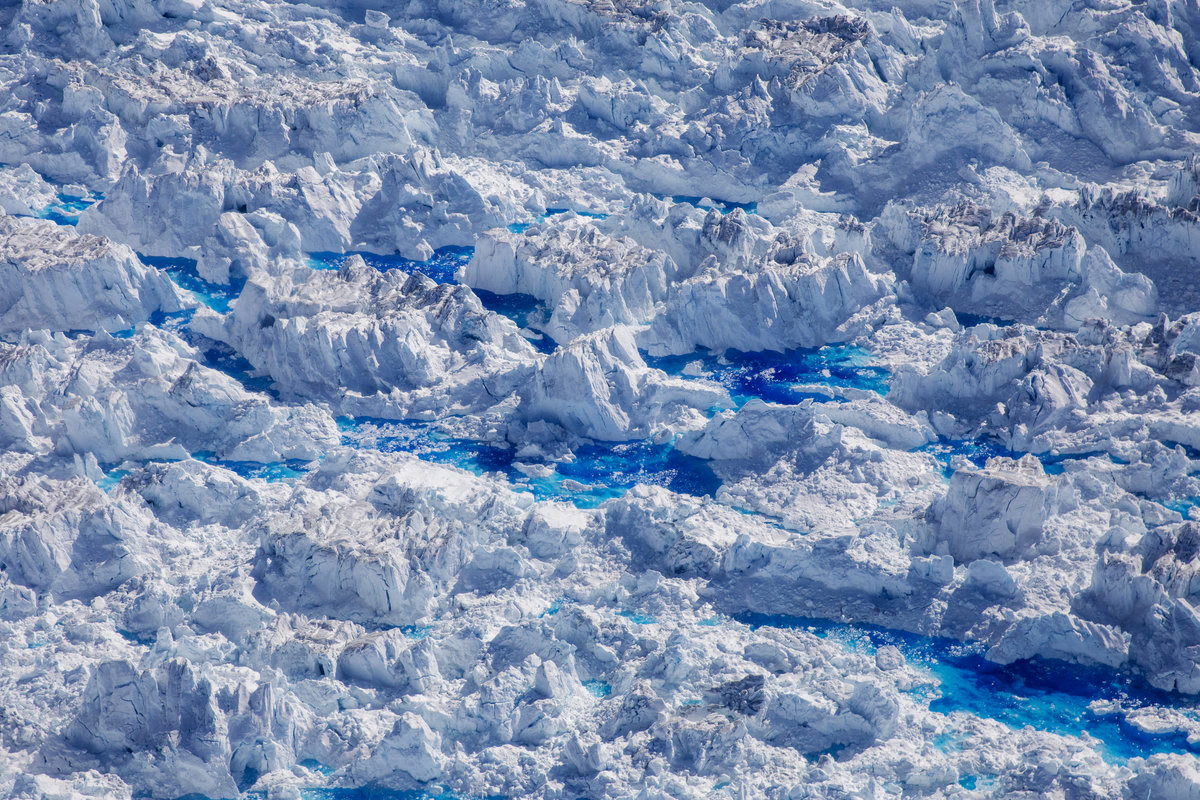
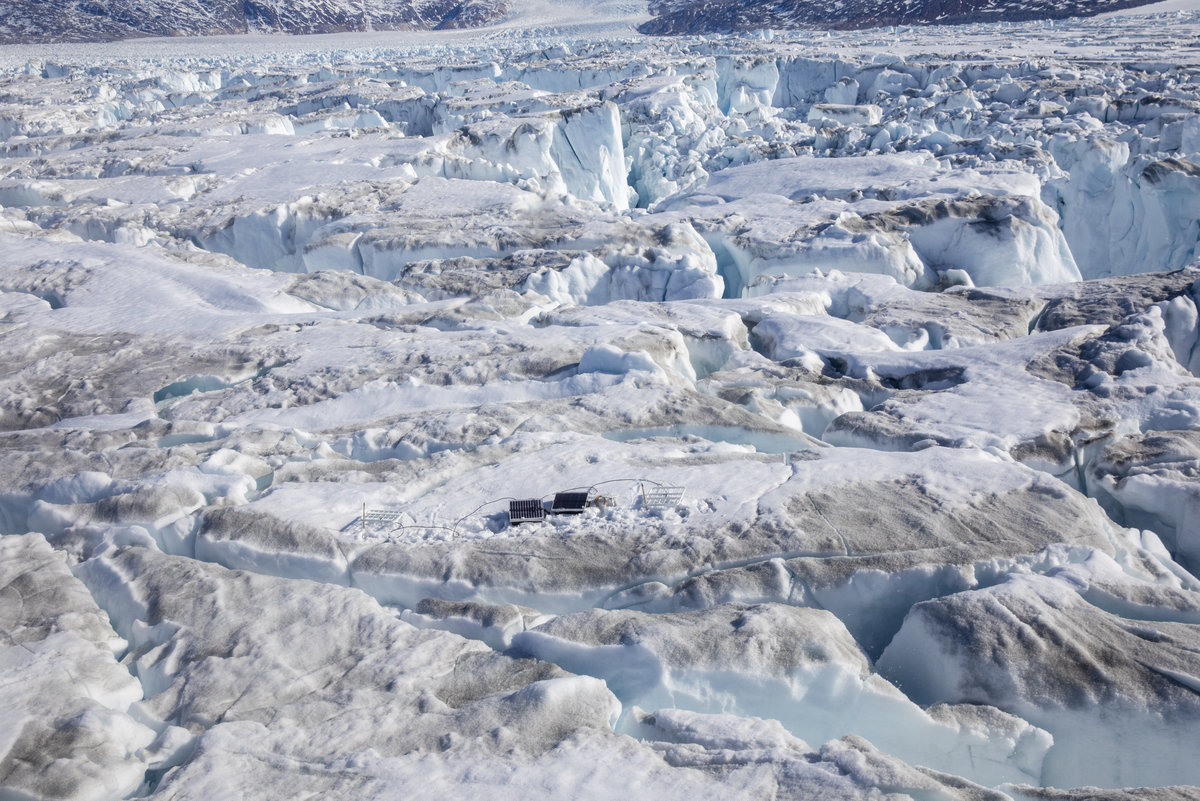
Meltwater pools are seen on top of the Helheim glacier near Tasiilaq, Greenland, June 19, 2018. REUTERS/Lucas Jackson
As a Reuters photographer, I have captured erupting volcanoes, the aftermath of hurricanes and tornadoes, and war, but I have never felt so small. It was a poignant end to a months-long project examining climate change in Greenland.
The idea was to follow scientists conducting climate research. They have had the computational power to understand global warming for only a few decades, and the numbers are sobering. But where does the data come from?
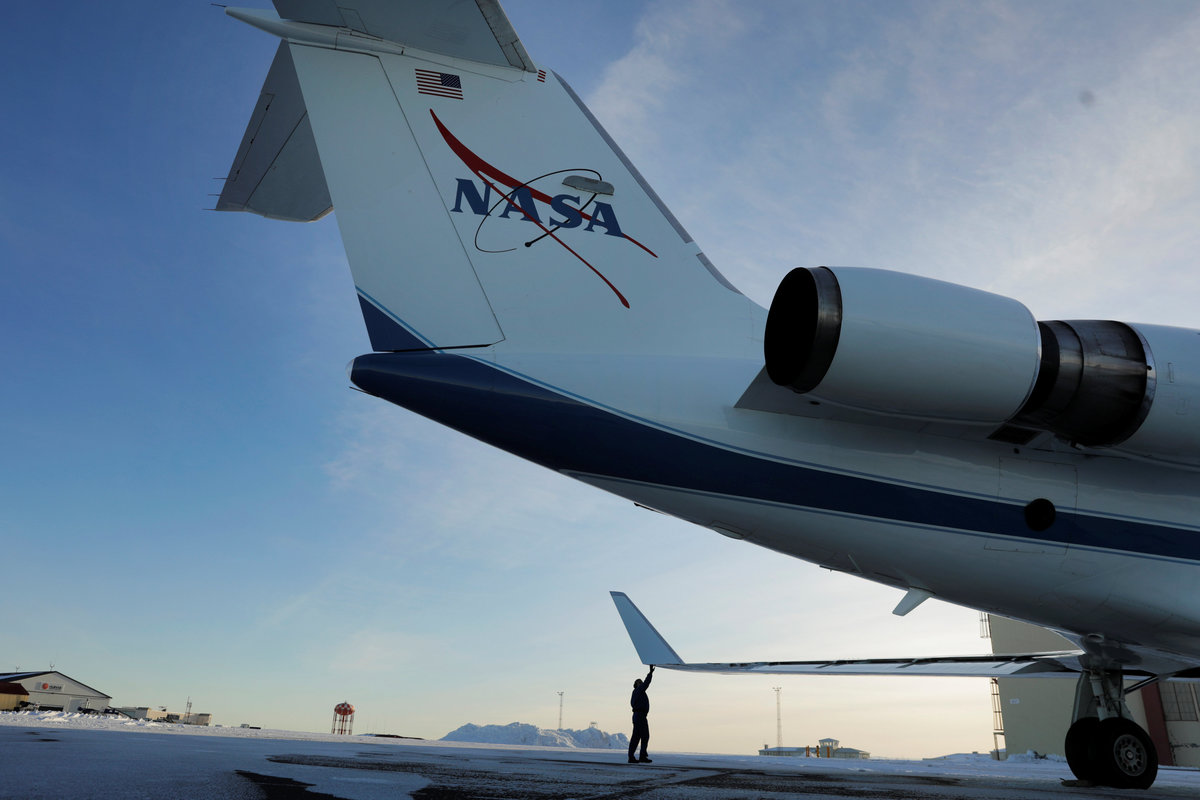
To find out, we turned to a team of scientists flying out of Iceland affiliated with a National Aeronautics and Space Administration (NASA) project named Oceans Melting Greenland. They aim to understand how warming oceans are melting the island’s ice from below.
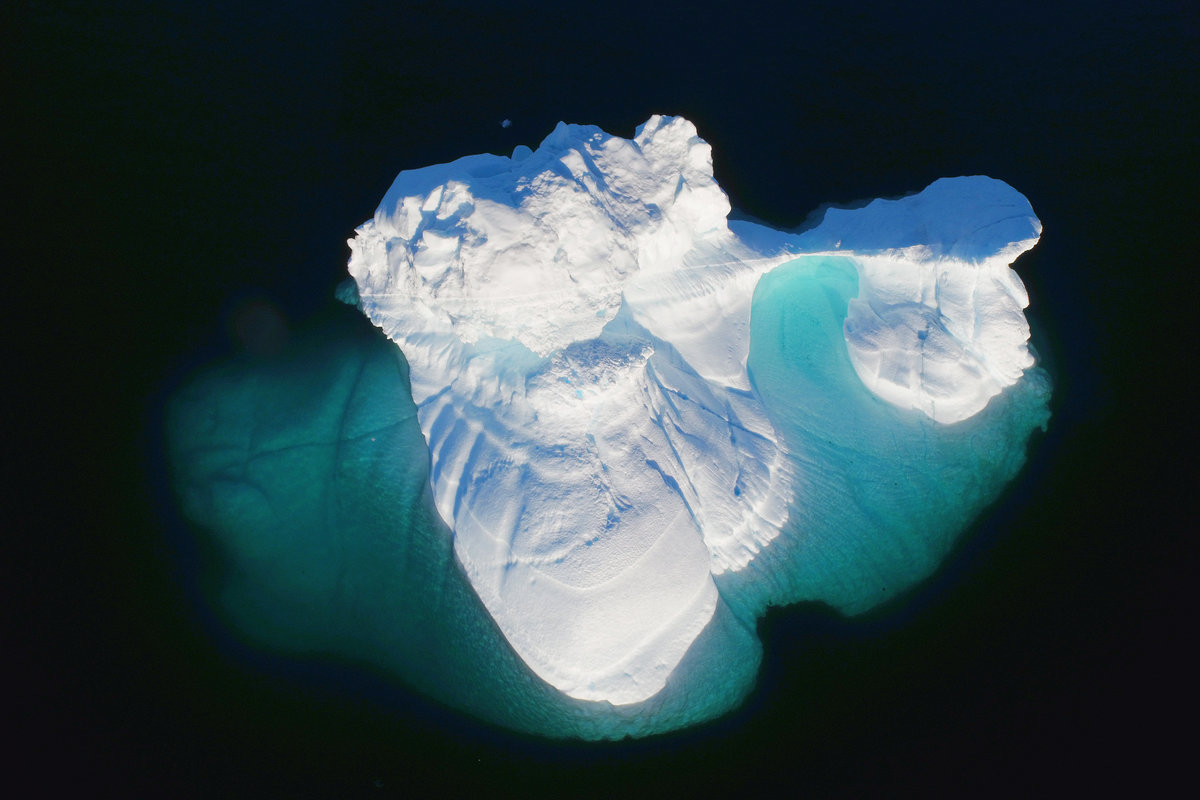
An iceberg floats in a fjord near the town of Tasiilaq, Greenland, June 18, 2018. REUTERS/Lucas Jackson
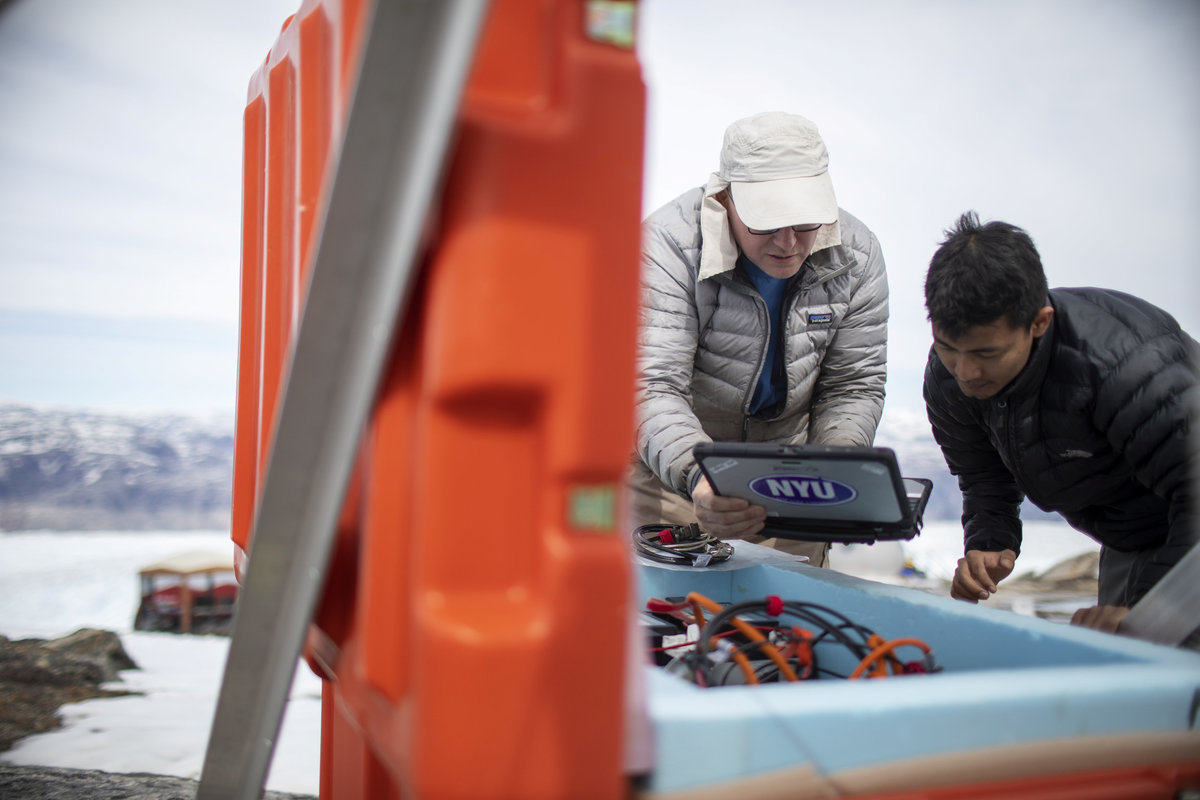
We also spent time with New York University oceanographer David Holland, who was there on a separate research project and also witnessed the Helheim glacier calving.
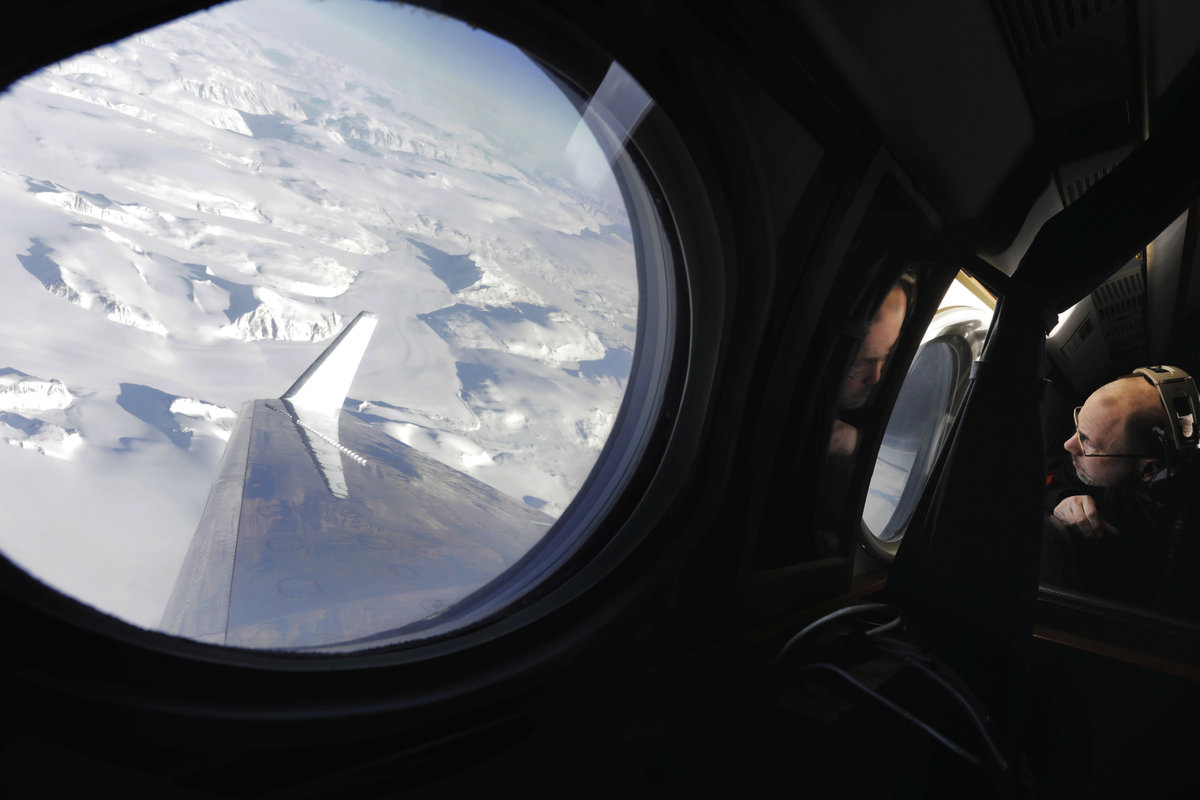
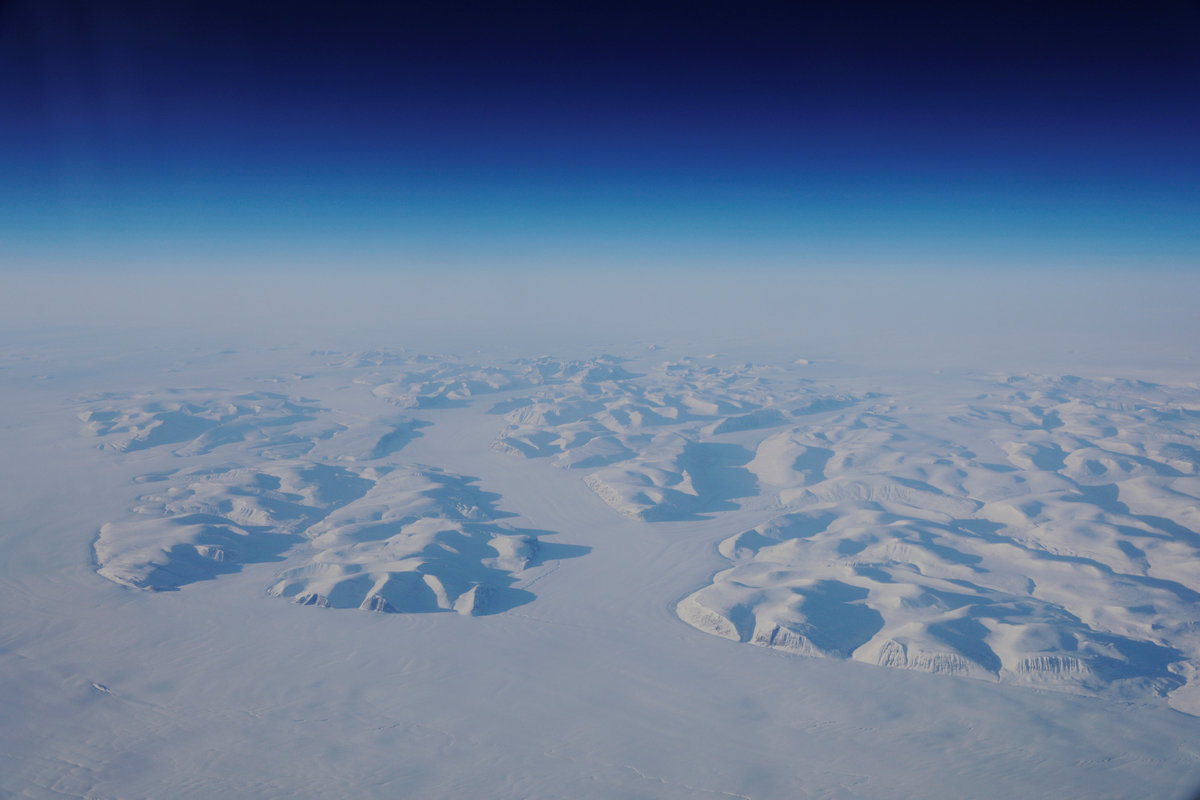
I realized the scale of this work while aboard a NASA research aircraft with principal investigator Joshua Willis and other scientists, at 40,000 feet (12,192 meters), as we looked out at the seemingly infinite white horizon of the Greenland ice cap.
The plane banked and looped above the craggy cliffs and rock faces of Eastern Greenland that are slowly being ground to dust by immense glaciers.
Earth Science Flight Programs Director at NASA, Eric Ianson, looks out at the Greenland ice sheet while inside a NASA Gulfstream III flying above Greenland to measure loss to the country's ice sheet as part of the Oceans Melting Greenland (OMG) research mission, March 13, 2018. REUTERS/Lucas Jackson
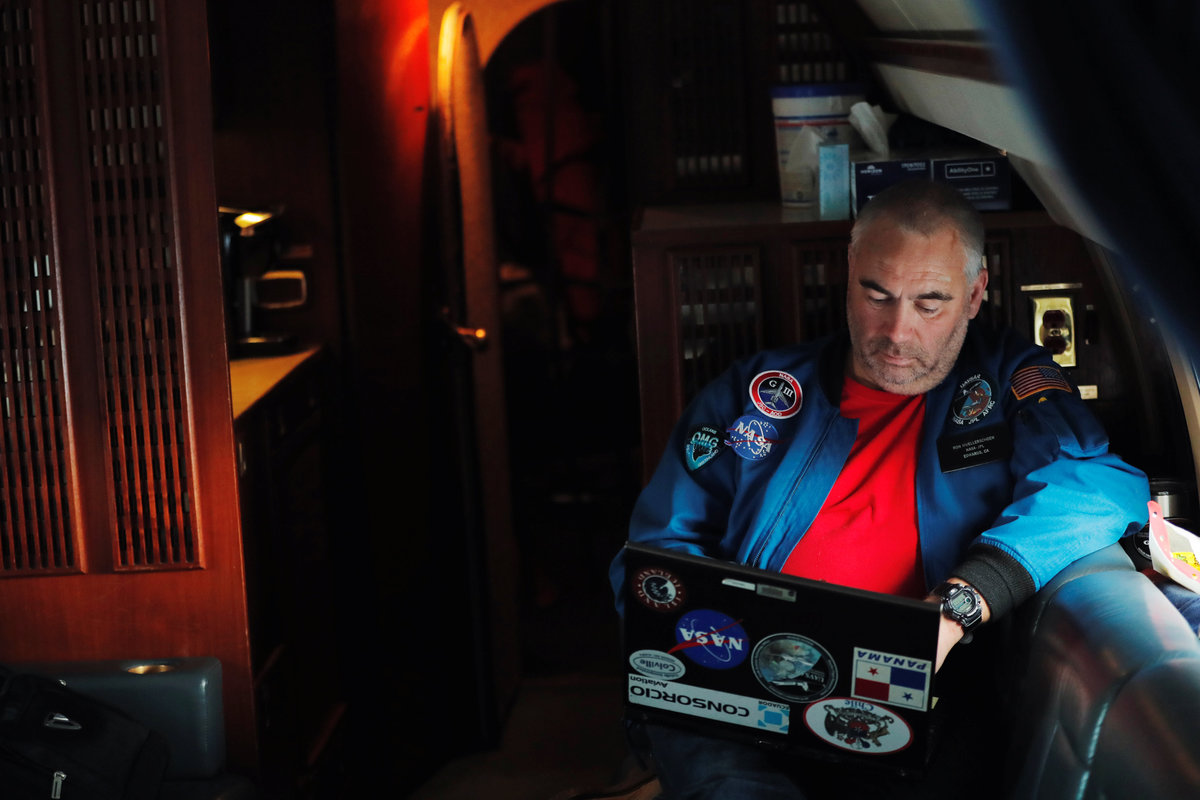
I joined the NASA team for a week in March in Keflavik, Iceland. Each day we took off from icy runways and flew over Greenland’s coast, as scientists Tim Miller, Ron Muellerschoen, and David Austerberry collected a seemingly endless stream of numbers, symbols, and letters on their computers from radar data on glacier formations.
NYU’s Holland has been studying Helheim and another glacier named Jakobshavn for more than a decade.
This June, I went along as he visited the Helheim glacier, near the seaside village of Tasiilaq, with a population of about 2,000. It had remarkably managed to become something of a tourist destination, an accomplishment with just two hotels, both of which sometimes serve whale meat.
Radar Engineer, Ron Muellerschoen, monitors data collection inside a NASA Gulfstream III flying above Greenland to measure loss to the country's ice sheet as part of the Oceans Melting Greenland (OMG) research mission, March 12, 2018. REUTERS/Lucas Jackson
Transportation here is limited to boat or helicopter in the summer and dog sled in the winter. In the summer, the sun sets for only a couple of hours each day.
Holland gathered data on seismic activity, temperature and wind, along with and time-lapse pictures.
For both journalists and scientists, climate change is difficult to document. It most often happens imperceptibly - a tenth of a degree increase in temperature, a few less inches of rain, a slowly melting ice sheet.
An iceberg floats in a fjord near the town of Tasiilaq, Greenland, June 19, 2018. REUTERS/Lucas Jackson
That's why it was so overwhelming to watch billions of tons of ice collapse at all once. Suddenly it didn’t feel like a small or distant problem.
(Reporting by Lucas Jackson in Greenland; Editing by Brian Thevenot)
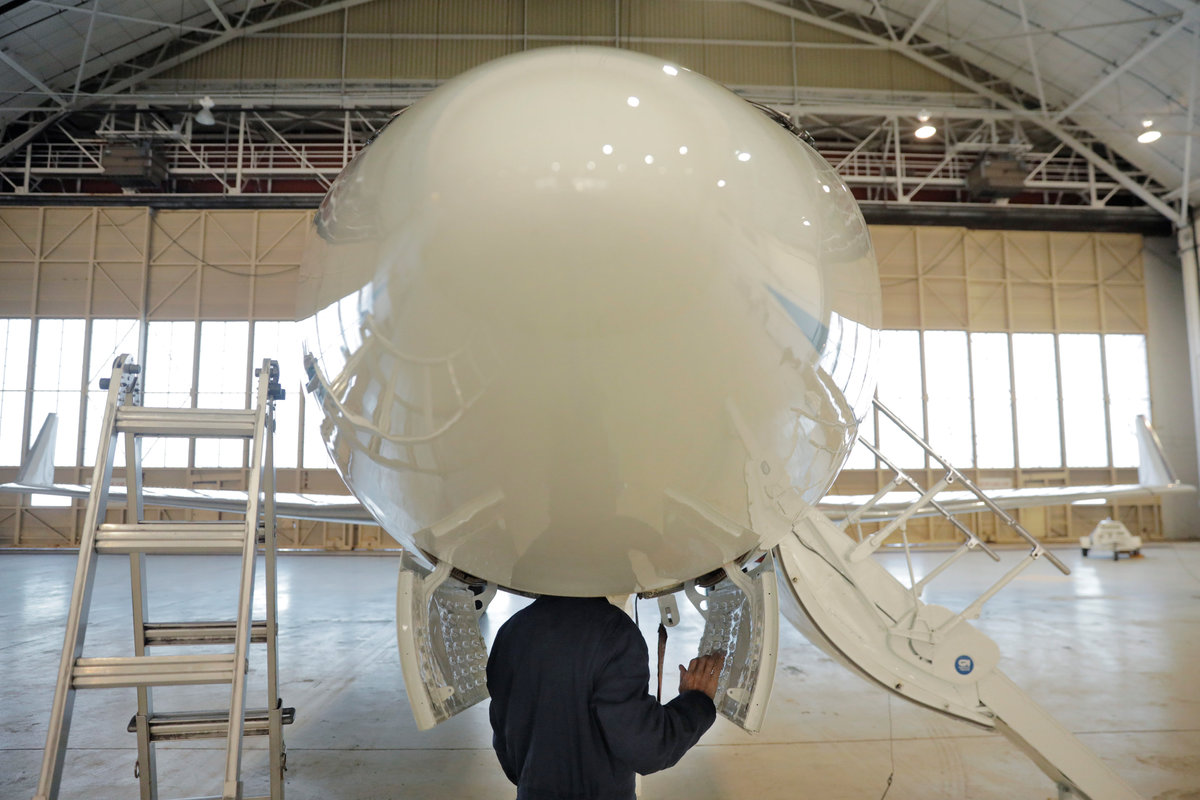
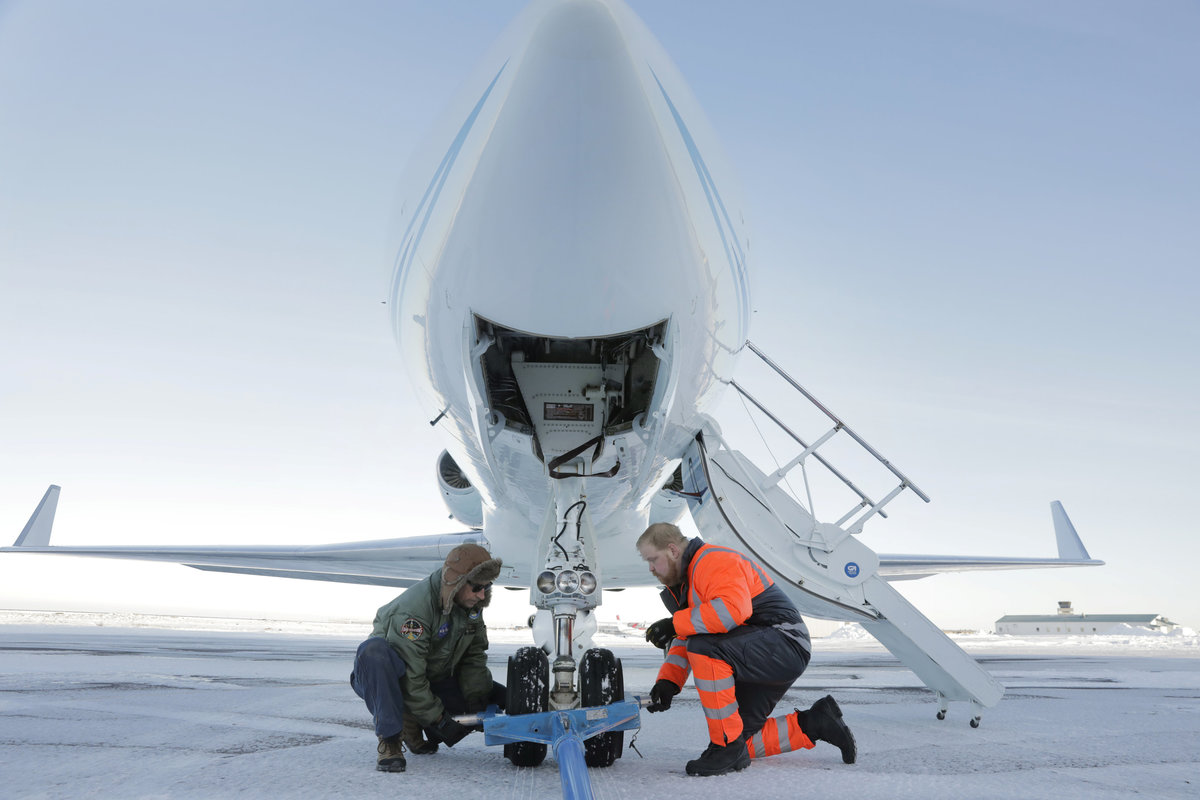
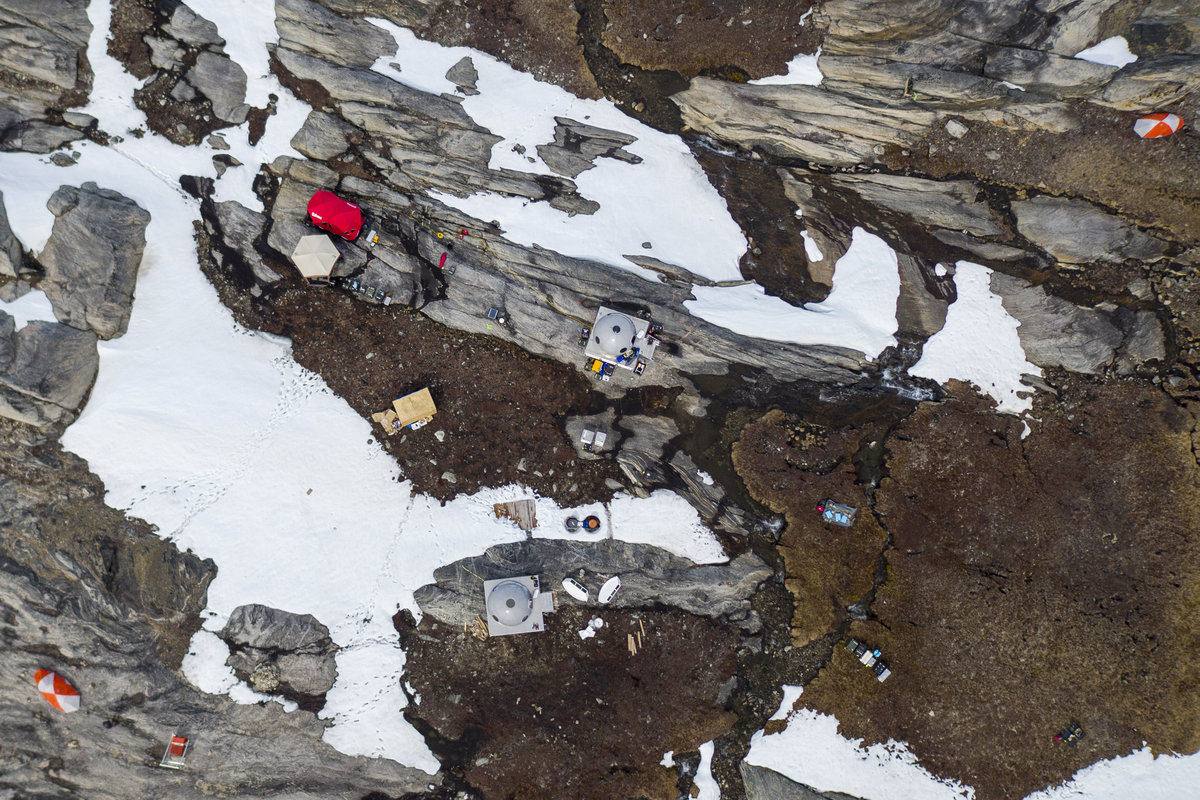
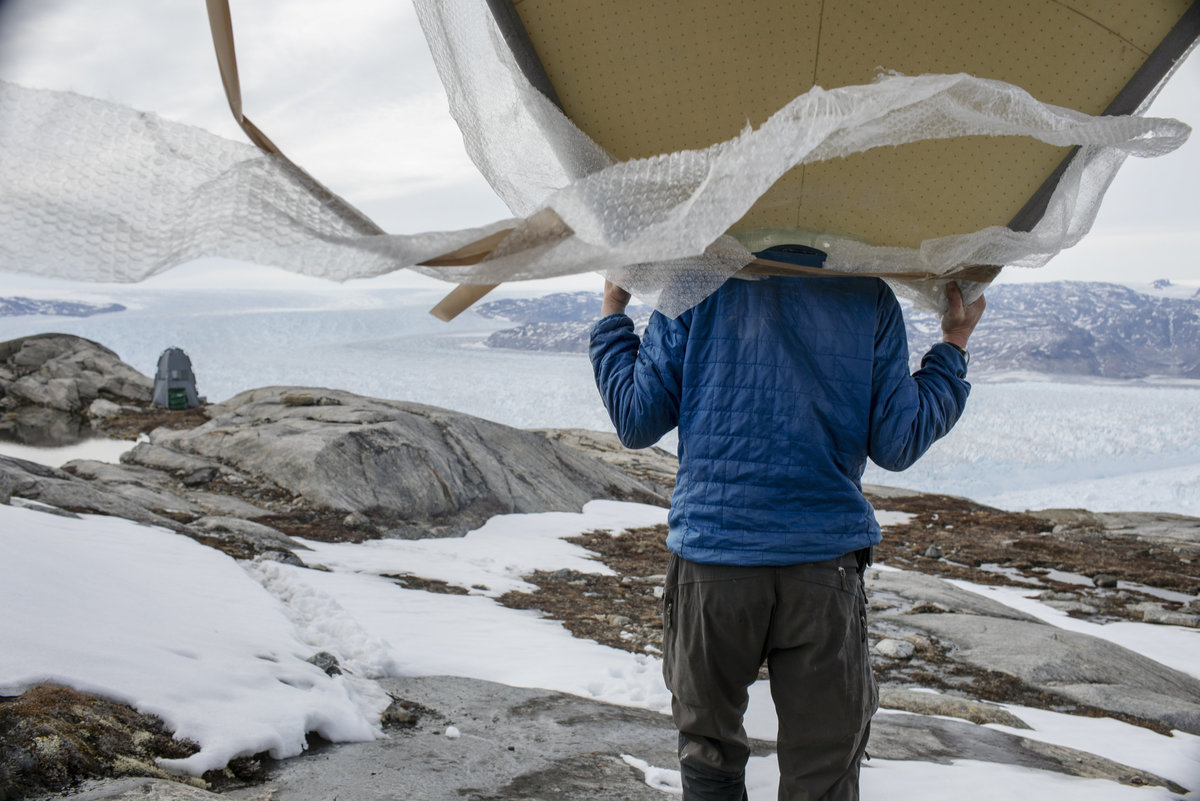
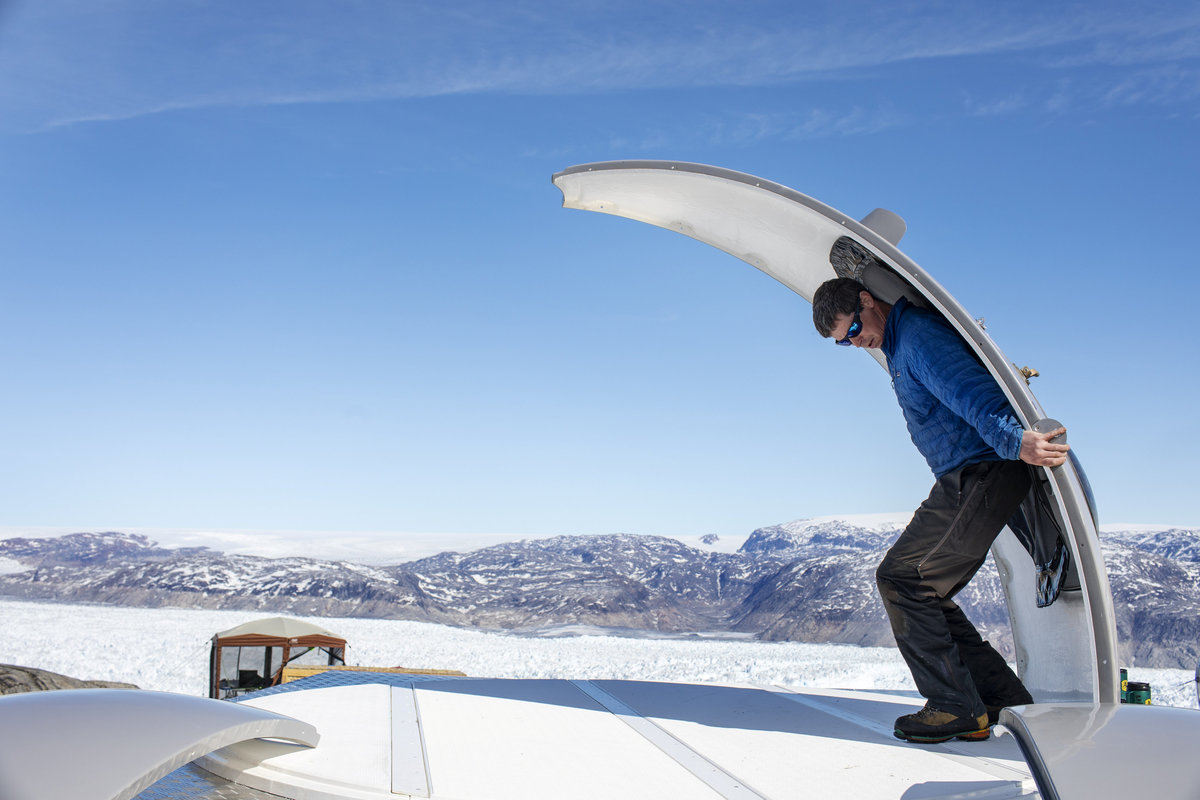
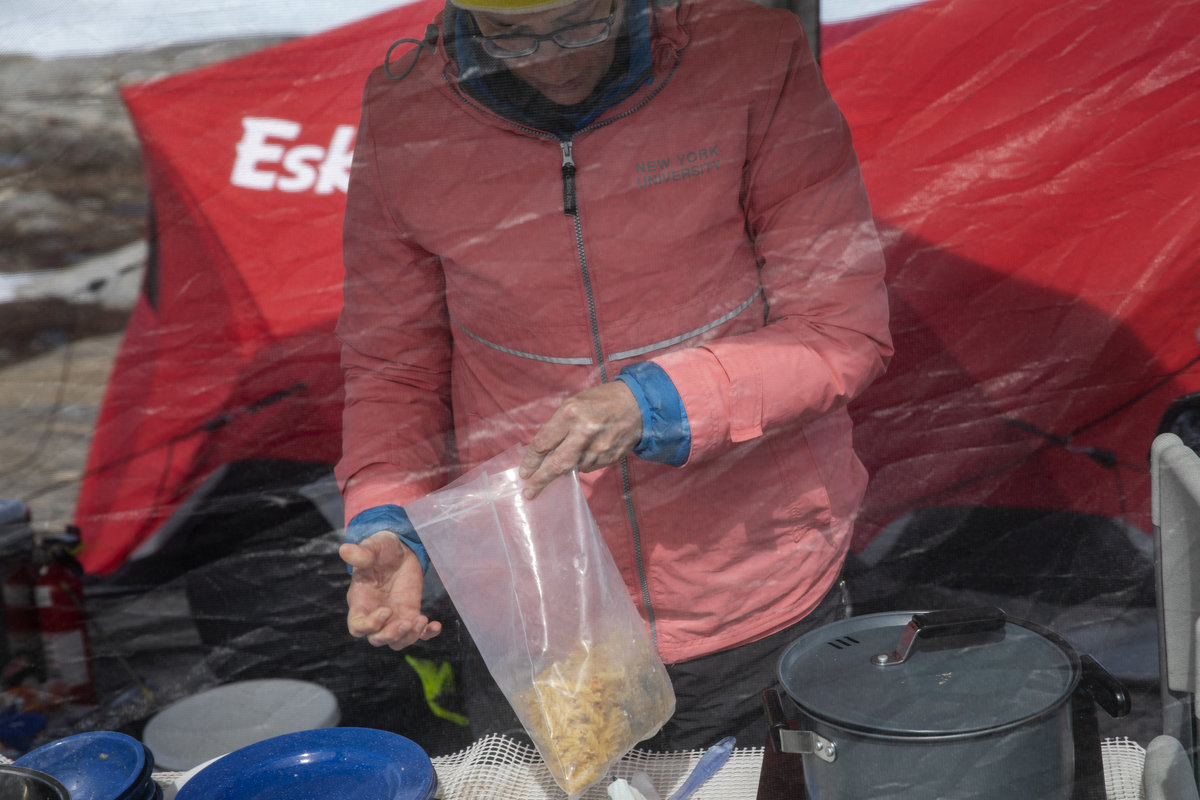
Airplane Mechanic, David Fuller, inspects a NASA Gulfstream III during a pre-flight inspection before a flight to support the Oceans Melting Greenland (OMG) research mission, March 12, 2018. REUTERS/Lucas Jackson Pilot in Command Tom Parent inspects the exterior of a NASA Gulfstream III during a pre-flight inspection of the aircraft before a flight to support the Oceans Melting Greenland (OMG) research mission, March 12, 2018. REUTERS/Lucas Jackson Airplane Mechanic, David Fuller (L), works with a local worker to move a NASA Gulfstream III during a pre-flight inspection before a flight to support the Oceans Melting Greenland (OMG) research mission, March 12, 2018. REUTERS/Lucas Jackson Meltwater pools are seen on top of the Helheim glacier near Tasiilaq, Greenland, June 19, 2018. REUTERS/Lucas Jackson A large crevasse forms near the calving front of the Helheim glacier near Tasiilaq, Greenland, June 22, 2018. REUTERS/Lucas JacksonAn iceberg floats in a fjord near the town of Tasiilaq, Greenland, June 24, 2018. REUTERS/Lucas Jackson Safety officer Brian Rougeux unfastens equipment to inspect it while working in a science camp on the side of the Helheim glacier near Tasiilaq, Greenland, June 22, 2018. REUTERS/Lucas Jackson Tabular icebergs float in the Sermilik Fjord after a large calving event at the Helheim glacier near Tasiilaq, Greenland, June 23, 2018. This portion between the glacier front and the open ocean is known as the "melange" and is filled with ice, snow and icebergs packed together on their way to a fjord and later the ocean. REUTERS/Lucas Jackson Sunshine lights up the Helheim glacier near Tasiilaq, Greenland, June 22, 2018. REUTERS/Lucas Jackson Tabular icebergs float in the Sermilik Fjord after a large calving event at the Helheim glacier near Tasiilaq, Greenland, June 23, 2018. REUTERS/Lucas Jackson Safety officer Brian Rougeux works with student Febin Magar to assemble a radar dome while working in a science camp on the side of the Helheim glacier near Tasiilaq, Greenland, June 20, 2018. REUTERS/Lucas Jackson GPS tracking equipment is left on top of the Helheim glacier near Tasiilaq, Greenland, June 19, 2018. REUTERS/Lucas Jackson Glacial ice is seen from the window during a NASA flight to support the Oceans Melting Greenland (OMG) research mission above the east coast of Greenland, March 13, 2018. REUTERS/Lucas Jackson An aerial photograph of Oceanographer David Holland's science camp on the side of the Helheim glacier near Tasiilaq, Greenland, June 20, 2018. REUTERS/Lucas Jackson Safety officer Brian Rougeux carries a piece of a radar dome while working in a science camp on the side of the Helheim glacier near Tasiilaq, Greenland, June 20, 2018. REUTERS/Lucas Jackson Oceanographer David Holland repairs a broken GPS module at his research camp above the Helheim glacier near Tasiilaq, Greenland, June 20, 2018. REUTERS/Lucas JacksonSafety officer Brian Rougeux works to build a semi-permanent structure in a science camp on the side of the Helheim glacier near Tasiilaq, Greenland, June 20, 2018. REUTERS/Lucas Jackson Oceanographer David Holland works with student Febin Magar to inspect a seismograph in their science camp on the side of the Helheim glacier near Tasiilaq, Greenland, June 20, 2018. REUTERS/Lucas Jackson Student Febin Magar watches as leftover wood burns in a research camp on the side of the Helheim glacier near Tasiilaq, Greenland, June 20, 2018. REUTERS/Lucas Jackson Student Febin Magar watches as safety officer Brian Rougeux burns leftover wood while working in a science camp on the side of the Helheim glacier near Tasiilaq, Greenland, June 20, 2018. REUTERS/Lucas Jackson An iceberg floats in a fjord near the town of Tasiilaq, Greenland, June 24, 2018. REUTERS/Lucas Jackson Denise Holland prepares a meal at a science camp on the side of the Helheim glacier near Tasiilaq, Greenland, June 22, 2018. REUTERS/Lucas Jackson An iceberg floats in a fjord near the town of Tasiilaq, Greenland, June 24, 2018. REUTERS/Lucas Jackson An iceberg floats in a fjord near the town of Tasiilaq, Greenland, June 24, 2018. REUTERS/Lucas Jackson
Sign up to read this article
Read news from 100’s of titles, curated specifically for you.