
Canada is shifting its vaccination campaign to target frontline workers, moving away from a largely age-based rollout as the country tries to get a handle on the raging third wave of the pandemic.
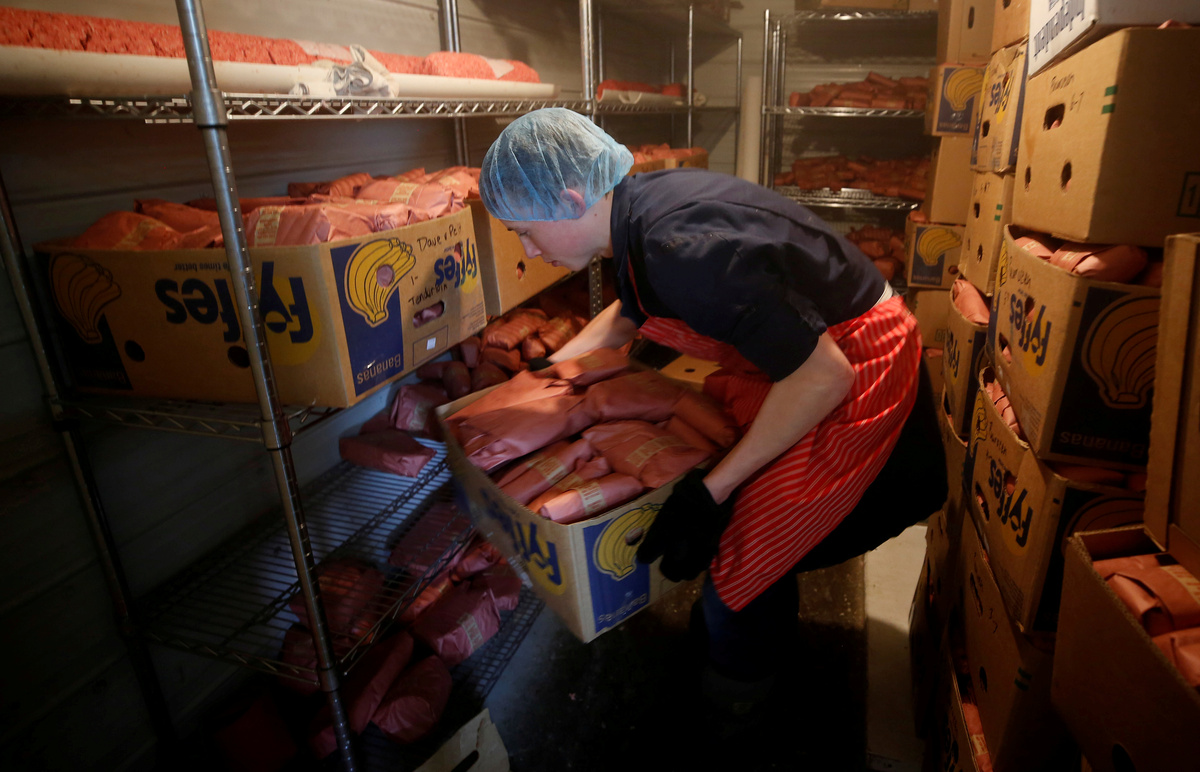
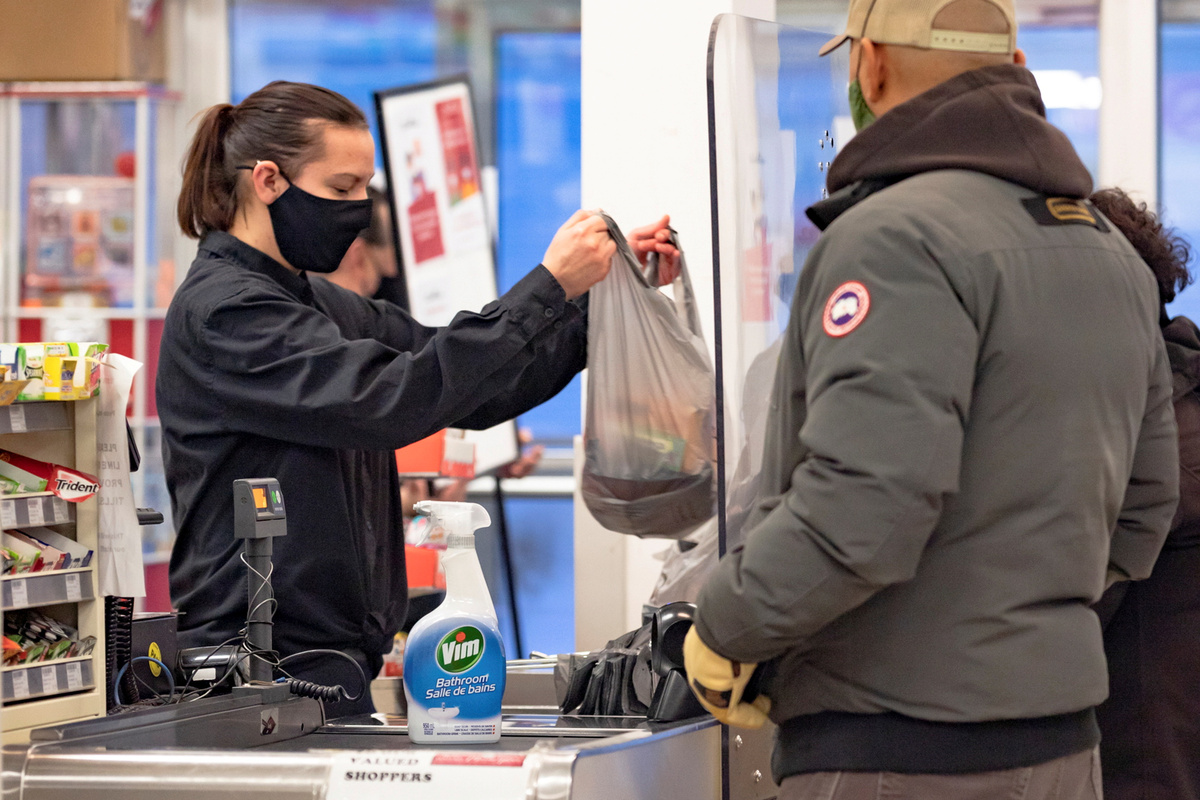
Canada's approach thus far has left unvaccinated many so-called "essential workers," like daycare providers, bus drivers and meatpackers, all of whom are among those at higher risk of COVID-19 transmission. Provinces are now trying to adjust their strategy to tackle the surge driven by new variants.
Targeting frontline workers and addressing occupation risk is vital if Canada wants to get its third wave under control, says Simon Fraser University mathematician and epidemiologist Caroline Colijn, who has modelled Canadian immunization strategies and found "the sooner you put essential workers [in the vaccine rollout plan], the better."
Initially, Canada prioritized long-term care residents and staff for the vaccines, as well as the very elderly, health workers, residents of remote communities and Indigenous people.
Targeting vaccinations by age made sense early on in a pandemic that ravaged Canada's long-term care homes, Colijn said. But now, immunizing those at highest risk of transmission brings the greatest benefit.
"If you protect these individuals you also protect someone in their 60s whose only risk is when they go to the store. ... The variants are here now. So if we pivot now, but it takes us two months to do it, then we will lose that race."
Data released on Tuesday from the Institute of Clinical and Evaluative Sciences showed that Toronto's neighbourhoods with the highest rates of COVID-19 infections had the lowest vaccination rates, underscoring the disparities in vaccination.
'IT'S A JUGGERNAUT'
On Wednesday, Ontario Premier Doug Ford announced a plan to have mobile vaccine clinics target COVID-19 "hotspots" and high-risk worksites, although he stopped short of giving people paid time off to get the shot.
Karim Kurji, medical officer of health in York Region north of Toronto, characterizes the shift in vaccination priority from age to transmission risk as moving from defence to offence.
"It's a juggernaut in terms of the immunization machinery, and turning it around takes a lot of effort," Kurji said.
Meanwhile, officials in the western province of Alberta say they are offering vaccines to more than 2,000 workers at Cargill's meatpacking plant in High River, site of one of Canada's largest workplace COVID-19 outbreaks. Provincial officials said in a statement they are looking to expand the pilot to other plants.
Quebec will start vaccinating essential workers such as those in education, childcare and public safety in Montreal, where neighbourhoods with the highest vaccination rates have been among those with the lowest recorded infection rates.
The people doing the highest-risk jobs, from an infectious disease perspective, are more likely to be poor, non-white and new Canadians, health experts say. They are less likely to have paid leave to get tested or vaccinated or stay home when sick and are more likely to live in crowded or multi-unit housing. They need to be prioritized for vaccination and their vaccination barriers addressed, experts say.
Naheed Dosani, a Toronto palliative care physician and health justice activist, said making vaccines available to high-risk communities is not enough without addressing barriers to access.
"The face of COVID-19 and who was being impacted changed dramatically. The variants seemed to take hold in communities where essential workers live. ... This [pivot] is a step in the right direction and will hopefully save lives."
(Reporting by Anna Mehler Paperny; Editing by Denny Thomas and Aurora Ellis)