As the modern Olympics ballooned into multi-billion dollar behemoths, cost-cutting has become a key hurdle to their sustainability. A confluence of factors made the Tokyo Games a trial run of a more streamlined approach that presents lessons for future host cities.
When the curtain rose on the Summer Olympics, the layer of Games-related facilities bore little resemblance to the original plan that had been submitted with an emphasis on "compactness" when Tokyo won its Olympic bid in 2013.
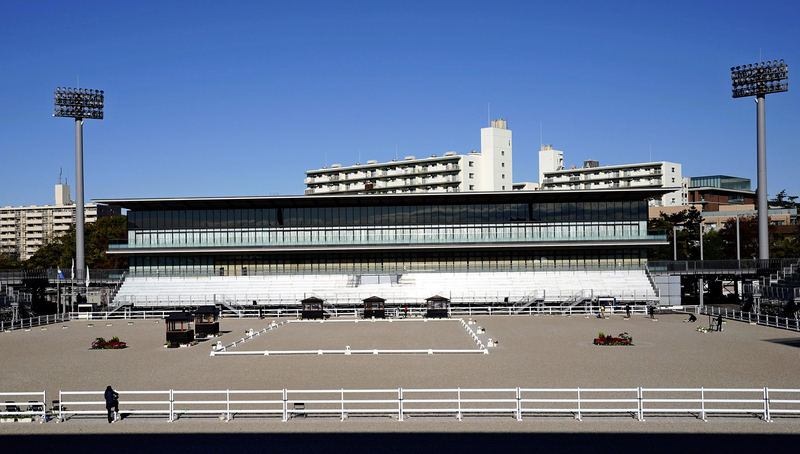
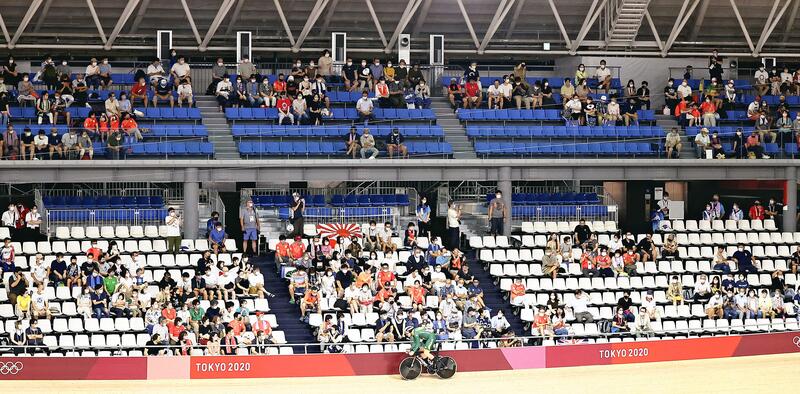
Under the original plan, about 85% of venues were to be located within an 8-kilometer radius of the athlete village. But at the end of 2014, the International Olympic Committee (IOC) announced cost-cutting reforms and urged organizers to use existing facilities in areas including outside Tokyo rather than build new ones in the city center. As a result, the venue map was redrawn to make use of extant facilities such as the Izu Velodrome in Shizuoka Prefecture for cycling, Enoshima Yacht Harbor in Kanagawa Prefecture for sailing and the Equestrian Park in Tokyo's Setagaya Ward for equestrian events. Makuhari Messe Hall in Chiba Prefecture and Saitama Super Arena in Saitama Prefecture were also reserved for Olympic events.
IOC President Thomas Bach boasted that these changes would save about 4.5 billion dollars (490 billion yen). However, the fruits of frugality were subsequently offset by the Games' costly postponement and COVID-19 control measures.
The IOC had long urged host countries to set up a centralized nexus of sporting facilities within walking distance of each other. Pointing to the success of the 2000 Sydney Olympics as a gold standard, the committee has prioritized logistical efficiency and smooth security, as well as the convenience of athletes and spectators. Athens, Beijing, London, and Rio Games, all had such hubs next to their athlete villages.
However, this centralized layout entails the construction of many new facilities. The 2014 Sochi Olympics, the first winter Olympics to furnish such a hub, was said to have cost about 5 trillion yen, including urban redevelopment expenses.
The bill was the largest ever for a Games -- winter or summer -- prompting outcry from the Western media. The backlash dampened momentum to host the Games and seemed poised to threaten the very existence of the Olympics.
In response, the IOC changed tack. It began allowing greater leeway for Games to be held in line with the host country's needs, and also opened the door to co-hosting by multiple cities, including the possibility of cross-country cooperation.
IOC spokesman Mark Adams has said that existing or temporary facilities will account for 85% of the total at upcoming 2024 Paris Games, and that no new venues will be built at all for the 2028 Los Angeles Games.
The pandemic largely precluded plans for the Tokyo Games to be a similar showcase for these reforms.
Still, the thorough streamlining of the Tokyo Games to curb costs incurred by COVID-19 controls and Games postponement may offer an instructive example for how to pare-down future Olympics.
Efforts included simplifying the opening and closing ceremonies, reducing the number of Games-related visitors to Japan, shortening the length of their stays and cutting ancillary services to the extent possible.
IOC Vice President John Coates, chairman of the Coordination Commission for the Tokyo Games, said the pandemic has compelled the world to remember the competitions and interactions that are truly important to the Olympics; everything else is secondary.
Read more from The Japan News at https://japannews.yomiuri.co.jp/