The Tennessee Valley Authority's proposal to build a high-voltage transmission line across a historic Sumner County farm began in 2024, but the dispute reached a turning point in early 2026. The family refused to accept the planned corridor, arguing it would permanently damage land their ancestors had farmed for more than two centuries. After months of public opposition, TVA dropped the original route and agreed to evaluate alternatives.
Get breaking news anytime, anywhere. Download the TOI app now!
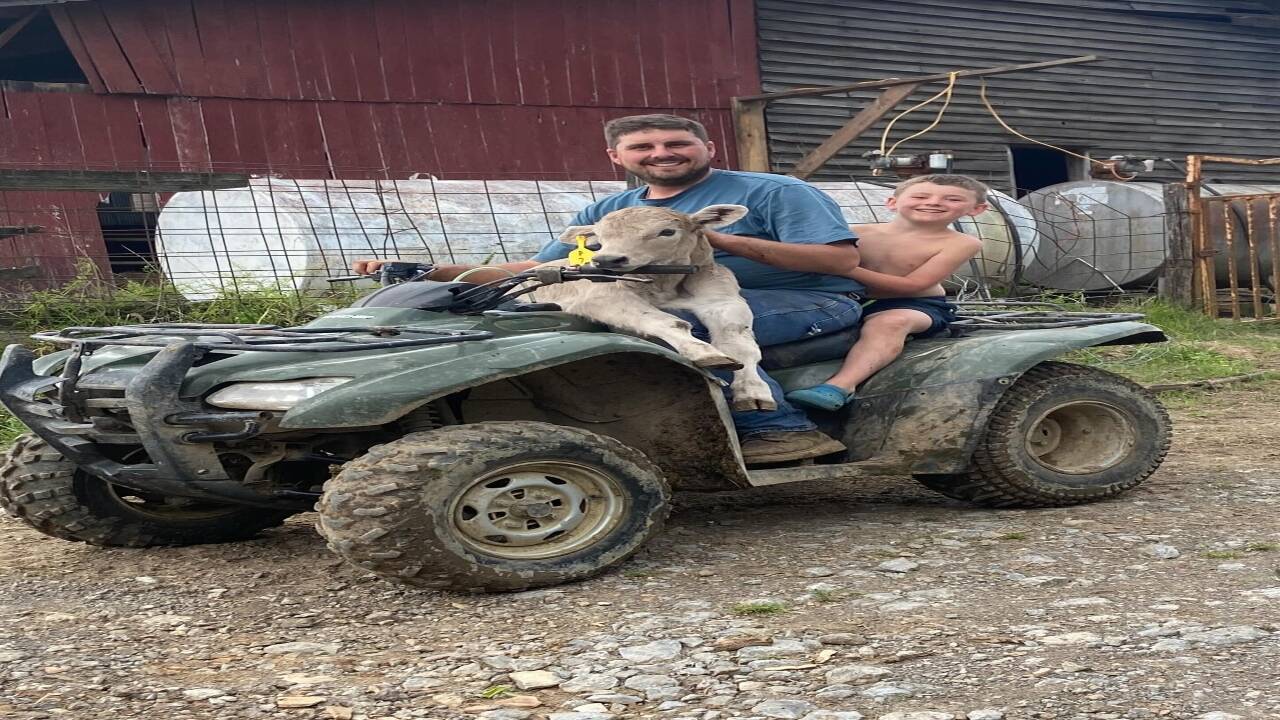
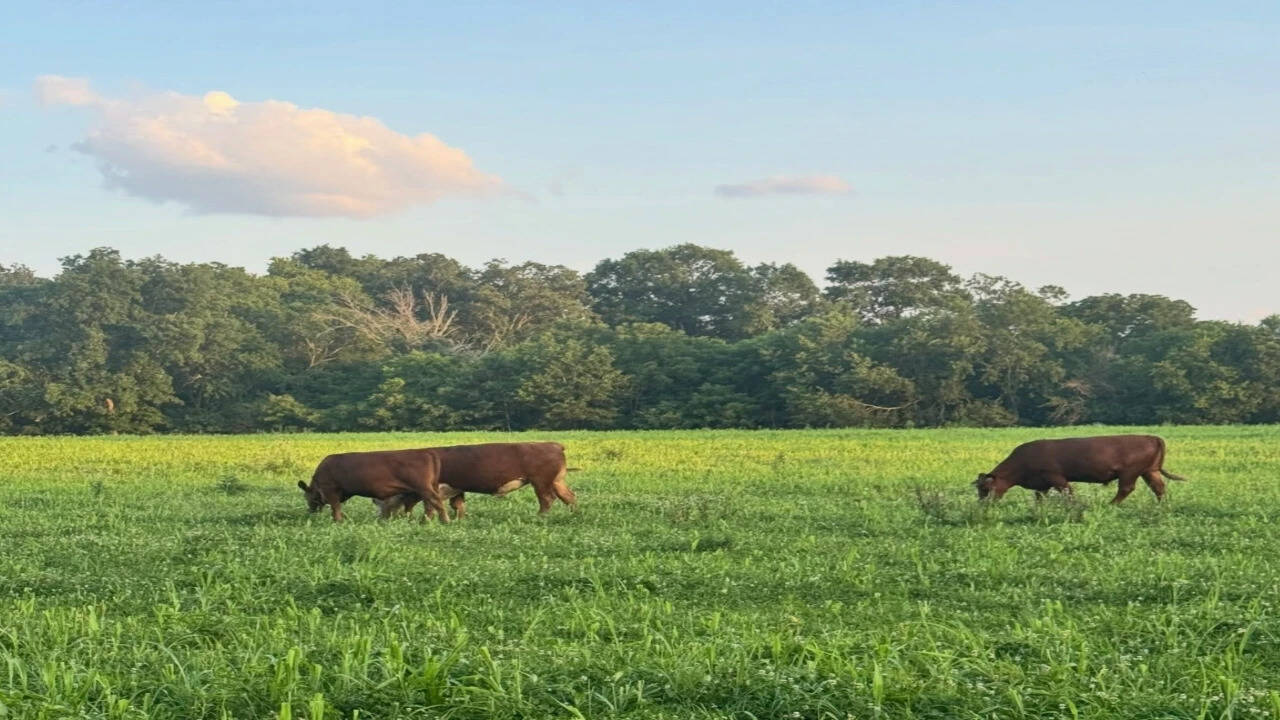
According to AgWeb , the farm dates to 1787, when Revolutionary War veteran Joseph Wallace received 640 acres in Sumner County for his militia service and settled there with his family. Nine generations later, the same family continues to farm roughly 650 acres, including the original Revolutionary War land grant and adjoining farmland acquired over time. According to Nashville's NewsChannel 5, John Gregory, one of the family members currently farming the land, said the property was a direct land grant from the Revolutionary War and that his family has operated on it since 1787 without interruption. Outside Gallatin, roughly 30 miles northeast of Nashville, the family raises cattle, corn and soybeans and runs a direct-to-consumer meat business. The family also operates a farm education programme, which grew from about 30 children in 2023 to more than 300 participants a year.
A 100-foot corridor that would have cut through the farm school
The trouble started when TVA proposed a route requiring a 100-foot-wide right of way straight across the farm's pastures and woods. According to AgWeb, the plan called for clearing all vegetation and trees within the corridor and placing ten posts across the property, cutting through the trail, creek crossing and outdoor classroom used by the farm's educational programme. John Gregory described how the company could easily have chosen a different path and that everyone involved knew it. TVA first notified the family by letter in spring 2024 and later held a public information meeting. The family said they received no further communication until surveyors arrived in August 2025 to mark the proposed route. By January 2026, crews had placed stakes showing where permanent transmission poles would stand, even though no easement agreement had been reached.
Public pressure that TVA could not ignore
The family said repeated attempts to discuss alternative routes led only to lower-level staff who lacked authority to make changes, so the Gregory family began pushing back publicly. According to AgWeb, they launched an online petition and posted about the dispute on social media, eventually drawing the attention of country music artist John Rich, a property-rights advocate who had led a separate successful campaign against a proposed TVA power plant in Cheatham County the year before. Rich publicly supported the family's campaign, and Sumner County Commissioner Jeremy Mansfield also joined the pressure campaign. According to Nashville television station WKRN, TVA initially paused the proposed route in February 2026 after public backlash, but the family kept pushing for a permanent resolution. At one point, TVA offered to relocate a single especially disruptive pole elsewhere on the property, but the family rejected the offer and insisted on no line crossing their land.
TVA chooses a different path entirely
The campaign eventually led TVA to drop the original route. According to The Tennessean, in March 2026 it confirmed it would no longer pursue the original route across the Gregory farm, saying public opposition had prompted the utility to explore alternatives that more closely followed existing rights of way. The authority also announced plans to establish a Landowner Task Force to give farmers and other rural property owners input before future transmission routes are finalised. Local Nashville coverage has tied the original power line proposal to growth in nearby Gallatin, including thousands of new homes under development, a pattern of data centre and residential growth straining the state's power infrastructure that is expected to keep generating similar land disputes elsewhere across Tennessee in the years ahead.